FBI is investigating Port Royal’s public shrimp dock on 11th Street. Why?
The Federal Bureau of Investigation visited Port Royal this month to investigate alleged racial bias at the town-operated shrimp dock on Battery Creek, one of South Carolina’s last remaining working waterfronts, according to Town Manager Van Willis.
The inquiry stems from an alleged civil rights violation regarding a discrepancy in the amount of money paid to Black shrimpers and white shrimpers for their catch, he said. Willis said an FBI agent interviewed the dock’s operators, who are town contractors, on March 10.
News of the federal law enforcement agency’s investigation in Port Royal comes after nearly two years of agitation by a small group of Port Royal residents involved with the nonprofit Port Royal Pirates Club.
The group, founded by Lorene and Russell Nans with the intention of starting direct-to-consumer sales of shrimp from boats moored at the end of 11th Street, has alleged mismanagement, nepotism and racial bias at the docks.
Russell Nans, who confirmed he filed a complaint with the FBI and was interviewed by an agent, said he has been raising concerns about dock operations with town officials and other South Carolina agencies for some time.
“We really just want to see the dock a healthy place for all and something to be proud of,” he said in an email Friday.
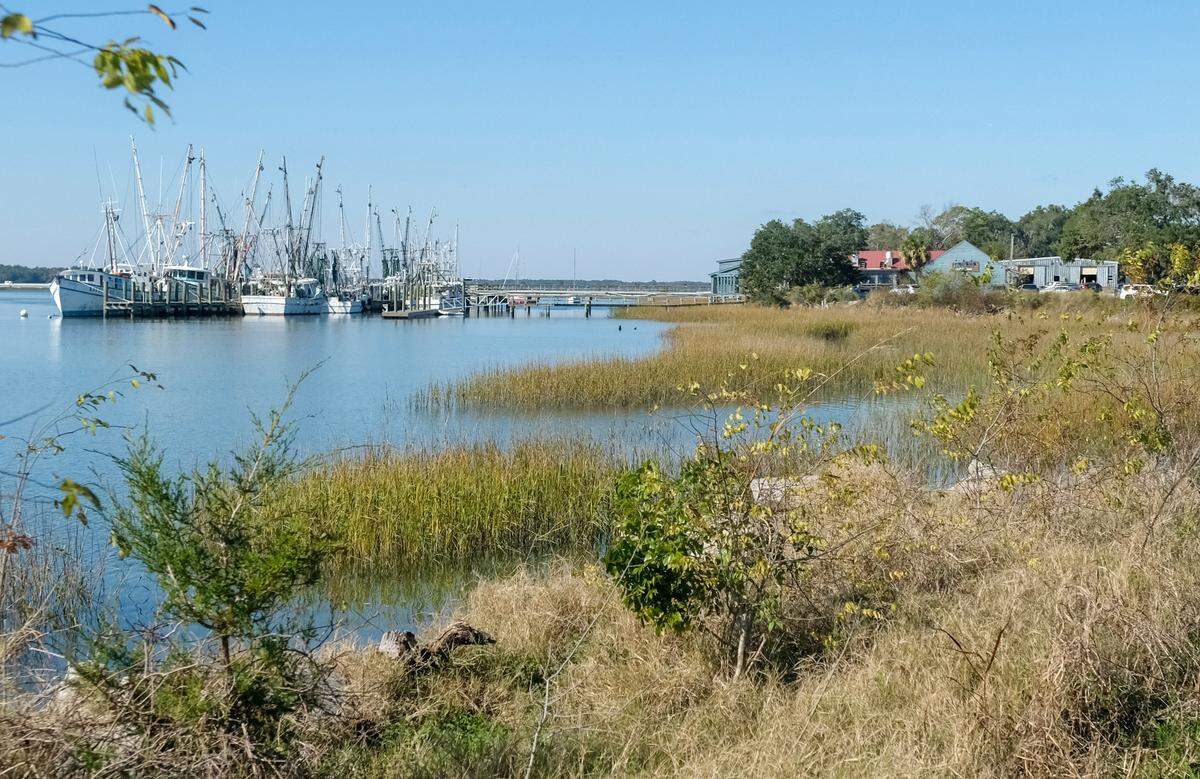
Seafood at the dock is iced, packed and sold to restaurants and wholesalers by several long-time town contractors, Joey Morris and his son Luke Morris, with occasional help from another relative, Keith Morris. The contractors, operating under the name 11th Street Seafood, are paid hourly by the town, though no written agreement governs their employment, and all sales run through town accounts.
The quasi-public seafood operation is a thorny issue for Port Royal’s elected leaders, who pledge support for the shrimping industry, a tradition that goes back generations in Beaufort County, while recognizing that the town should not be involved in the business side of its operations, they say.
Port Royal taxpayers have poured $2 million into the docks to keep them running since 2006, weathering a catastrophic fire that nearly wiped out shrimp processing and fighting to preserve the cultural heritage of the industry, according to Willis. The operation has always been a “financial loser” for the town, which recouped only part of that investment through shrimp and fuel sales. Net losses have totaled between $300,000 and $400,000, Willis said.
Asked about the FBI’s visit to Port Royal, Willis said he welcomes “any sort of investigation if there’s any validity to the allegations, and if there are, then they certainly should be dealt with.” Residents are “well within their rights to file a complaint,” he said.
“But, obviously,” he said, “if it’s unfounded, and they’ve maligned or slandered somebody, there should be repercussions for that.”
Contacted by a reporter Friday, Joey Morris, one of the dock’s operators, confirmed that an FBI agent spoke with his son Luke about racial bias at the docks. He said he was not interviewed by the agent.
Asked about the host of allegations lobbed at shrimp dock operations, which include pay discrepancies based on race, nepotism and lack of financial oversight, Morris denied the claims.
“There’s nothing to this,” he said.
Donald Wood, public affairs officer for the FBI’s Columbia division, said he could not comment on or confirm the existence of any ongoing investigations.
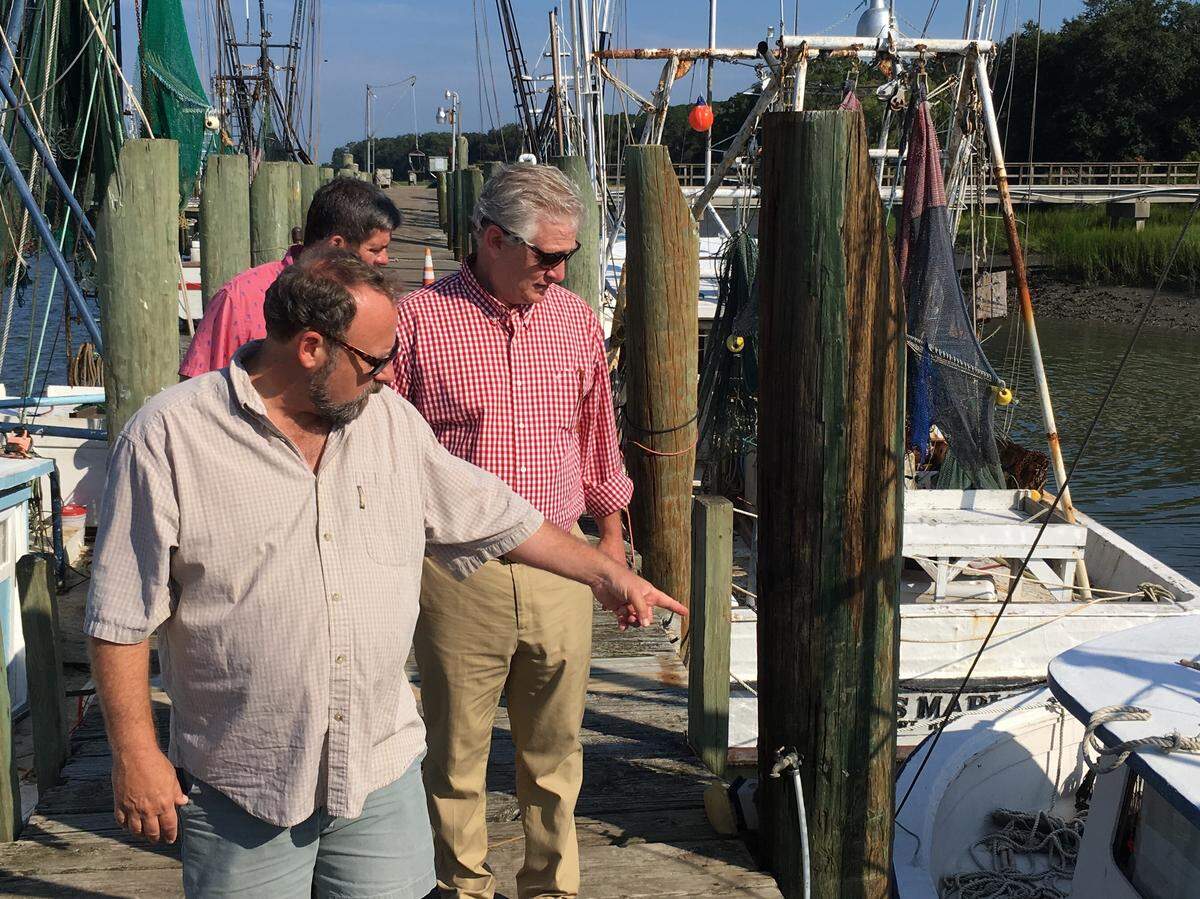
Alleged financial mismanagement, nepotism and racial bias at shrimp docks
Russell Nans outlined complaints against the town and shrimp dock operators in a March 23 email sent to Willis, town elected officials and reporters, echoing issues that he and Lorene Nans have raised previously.
He and his wife, who live in Port Royal, have a background in farming in New York state, selling pasture-raised meat direct-to-market.
In 2019, they worked closely with Port Royal officials to sell local shrimp directly to consumers near the docks through the Pirates Club nonprofit, an initiative that sputtered due to hostility from dock managers and financial concerns over shrimp purchases from town contractors, they say.
The Nans invested money in a shrimp boat and have worked on the docks. The pair have asked for an independent oversight board for the publicly funded shrimp operations.
Among Nans’ allegations are racial discrimination, lack of financial oversight, unsanitary conditions, illegal drug sales and food safety violations at the docks.
“Those we spoke with believe that the shrimp wholesaling business is the root cause of the majority of the dock’s problems such as greed, fighting, neglect etc,” the email said. “Therefore, it must be stopped. The shrimp business sucks 90% of the funds and requires more workers, leaving little to nothing spent on the actual dock itself.”
In his email, Nans says the town “needs to stop the racial discrimination at the dock.”
Willis denied Nans’ claims. He told The Island Packet and Beaufort Gazette that the town investigated reports of illegal activity at the dock and called them “unfounded.”
There may be weight to some concerns raised about permitting and food safety at the docks.
A S.C. Department of Agriculture inspector visited the shrimp processing facility in December 2019 after the agency received an anonymous complaint, according to a report obtained by the newspapers through a Freedom of Information Act request.
Eleventh Street Seafood wasn’t registered with the state and didn’t have the proper seafood handling certification required by S.C. regulations, the inspector noted. More than a year later, the facility has not registered, and the SCDA has not had further contact, an agency spokesperson said.
Asked about this, Willis said the town will follow up. “That’s a hole we’ll have to address,” he said.
The Nans have also leveled accusations of nepotism at the town. They shared hundreds of pages of town documents with reporters, some of which appear to show dock operator Joey Morris paying a cousin for work at the shrimp docks and then getting reimbursed by Port Royal for the expenses.
Morris pays a raft of other temporary workers out of pocket to de-head shrimp and is reimbursed for those expenses, as well as vehicle maintenance costs, gas and cell phone usage, the invoices, covering a three-year period between 2017 and 2020, show.
His son Luke and relative Keith are also contracted and paid by the town, at $15 an hour, according to handwritten timesheets reviewed by the newspapers.
Willis said he’s aware of the arrangement. The shrimping industry, he said in a December interview, is “family oriented,” adding that “it’s just the nature of the business, unfortunately.”
But the town manager said he thought the FBI’s recent investigation pertained only to allegations about pay discrepancies based on race.
“We are fine with the FBI conducting the investigation, but as far as we are concerned, we don’t think [the allegations] have any validity,” he said.
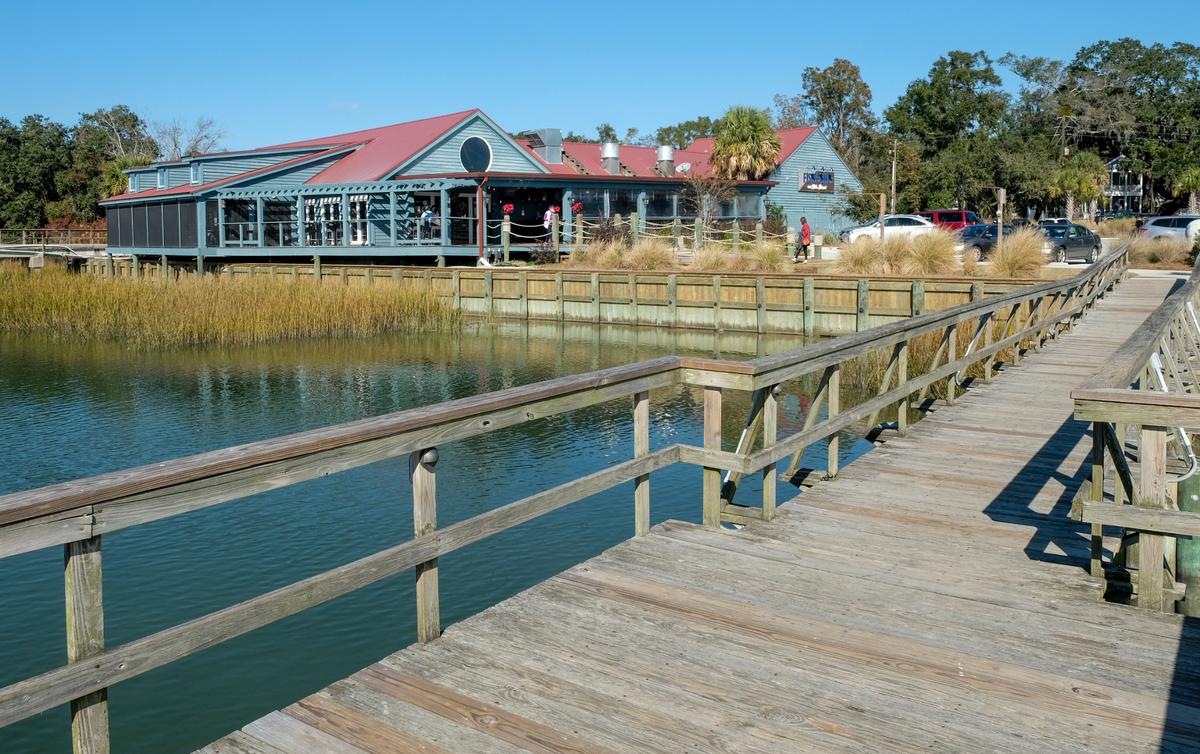
What do Port Royal leaders plan for the docks?
The Town of Port Royal has operated the docks on Battery Creek since 2006, leasing the property for years from the South Carolina Ports Authority and losing tens of thousands of dollars each year on the publicly backed wholesale business.
The docks and processing plant are now leased from developer Grey Ghost Properties, which purchased the Port of Port Royal for $9 million in 2017.
The development agreement requires the developers to transfer ownership of the facilities to the town, but the land swap hasn’t happened yet. It’s caught up in negotiations over the reconstruction of a seafood market at the end of 11th Street that burned down only three weeks after opening to the public in 2015.
Of the $1.8 million insurance payout from the fire, roughly $600,000 remains unspent and available to rebuild the facility, according to officials.
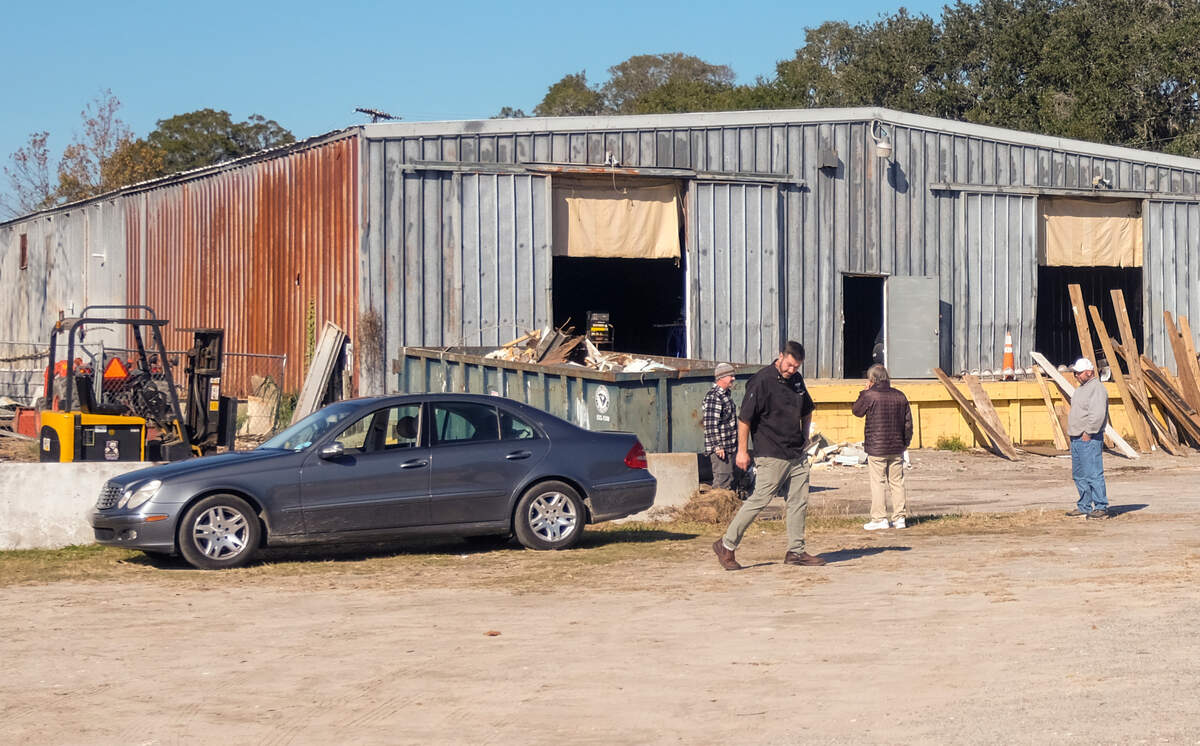
The plan for the future of the docks? The town has stuck with shrimpers for years, facing sunken boats, environmental hazards and declining numbers of independent commercial fishermen, Willis said. The town manager said Port Royal hopes to find supplemental federal or state funding for the market, rebuild the dock itself and ultimately get out of the shrimping industry altogether.
Port Royal Town Council members echoed that sentiment, a familiar refrain.
“To continually have an annual loss of revenues being associated with the operation of [the docks], I don’t think is being a good steward of the taxpayer dollars,” said council member Darryl Owens in a January interview.
“We’re bleeding revenue,” said Port Royal Mayor Joe DeVito at Saturday’s town council workshop, where the docks and shrimp processing were discussed. “Nobody is helping save shrimping other than the Town of Port Royal,” he observed. “Is that the right decision anymore?”
Still, making space for shrimp boats on Battery Creek is a priority for council.
“Shrimping for Port Royal is just such a part of its history and heritage, and it’s really important to a lot of people,” said council member Kevin Phillips, who was elected in 2019, in a January interview. “If we weren’t doing it, then it would die.”
While other local governments have worked to preserve the tradition of shrimping in South Carolina, Port Royal’s involvement in the sale of seafood is unusual, more so now that only a handful of boats operate off the docks each season.
Elsewhere, the Town of Mount Pleasant purchased the Wando Seafood Dock on Shem Creek near Charleston in 2019 to protect the local commercial fishing industry, working with a private operator.
Port Royal has searched for a third party to manage the docks previously, without success, Phillips said.
That remains a priority, Willis said. A reporter asked the town manager when the Town of Port Royal aims to exit the shrimping business.
“Yesterday,” he said.
This story was originally published March 30, 2021 at 10:43 AM.