US 278 bridge project may go millions over budget. What’s Hilton Head doing about it?
The bridges that lead to Hilton Head Island could one day feature engravings of the very native island families the project is displacing.
Four spans of bridges, all part of a $250 million project to redo the U.S. 278 corridor, will be reconfigured in the coming years. The original timeline said the S.C. Department of Transportation would announce its final plan for the bridges in September.
But the island’s residents and 2.5 million visitors still don’t know what’s to come, and the project’s final cost is a moving target. While SCDOT has not announced its preferred alternative, it has consulted a design firm to make the finished product more aesthetically pleasing, and it announced that the range of plans may be more expensive than planned.
One Hilton Head town council member told constituents in an email blast on Oct. 8 that parts of the bridges could display likenesses of native island families and traditions, alongside dolphins, palm trees and other markers of island culture.
Those same native island families are preparing to be displaced by the highway project, which threatens to bisect the historic Stoney community for the second time in the last half century.
As the project marches toward winter and the anticipated announcement of a final alternative, residents and leaders have pushed SCDOT for answers on the project’s soaring budget, an independent consultant to review the plans, better communication and a commitment to preserving the nearby historic neighborhoods.
Here’s a breakdown of those issues and where they stand:
Issue: Bridge cost and budget
One of the biggest issues for taxpayers is the ballooning cost of the corridor project.
Originally pitched to voters as a $240 million investment — partly funded by a sales tax voters approved in 2018 and partly paid through state and federal grants — the most recent SCDOT presentation to Hilton Head leaders says the construction could cost anywhere between $218 million and $356 million.
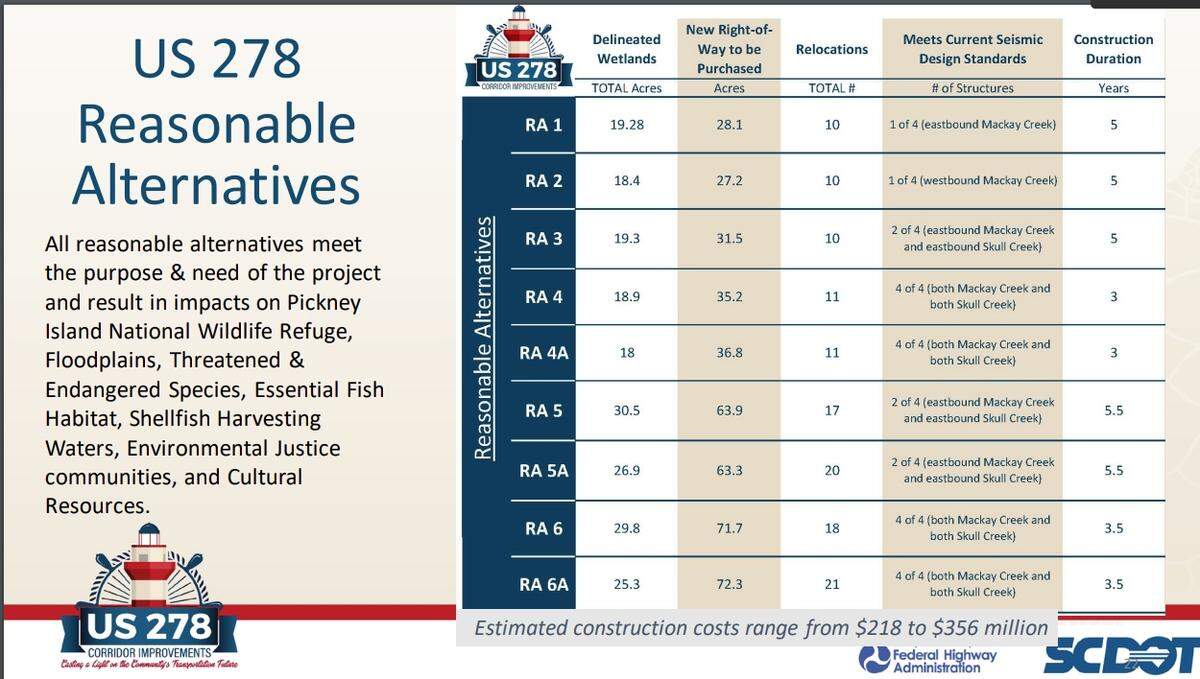
SCDOT program manager Craig Winn said the range is for work on all the alternatives and that it would be up to SCDOT and Beaufort County to find additional money. He didn’t rule out Beaufort County’s ability to ask voters to approve a second sales tax.
“A lot of that goes into bridge costs and the amount of bridging that is necessary here,” he said. “That number is in relation to the nine reasonable alternatives, and it’s the range for all of them.”
Winn said the preferred alternative will be announced this winter. The cost of an alternative could knock it out of the running, he added. But “cost is one of the factors, along with 15 other factors that go into choosing the preferred alternative.”
Issue: Independent consultant review
Shortly after the announcement of six alternatives for the U.S. 278 corridor in September 2019, island residents called for an independent review of the project’s required engineering, the anticipated displacement of families, and the effect on wetlands.
That request circulated around the internet for several months, and a petition to reject and rethink all of the alternatives gained steam.
“SCDOT’s plans will have a tremendously detrimental impact on the North end of the Island,” former Beaufort County Council member Steve Baer said in his petition. “We would like to see more creative and less intrusive plans that are proven to actually work. We also request that SCDOT quantify the cost ... of the various plans in order to let citizens understand the benefit/cost of each.”
About 4,600 people have signed the petition, and local leaders have taken note. With the encouragement of the group, “residents for the right corridor,” Beaufort County Council members started to consider retaining a consultant to look at the alternatives, of which there are now nine.
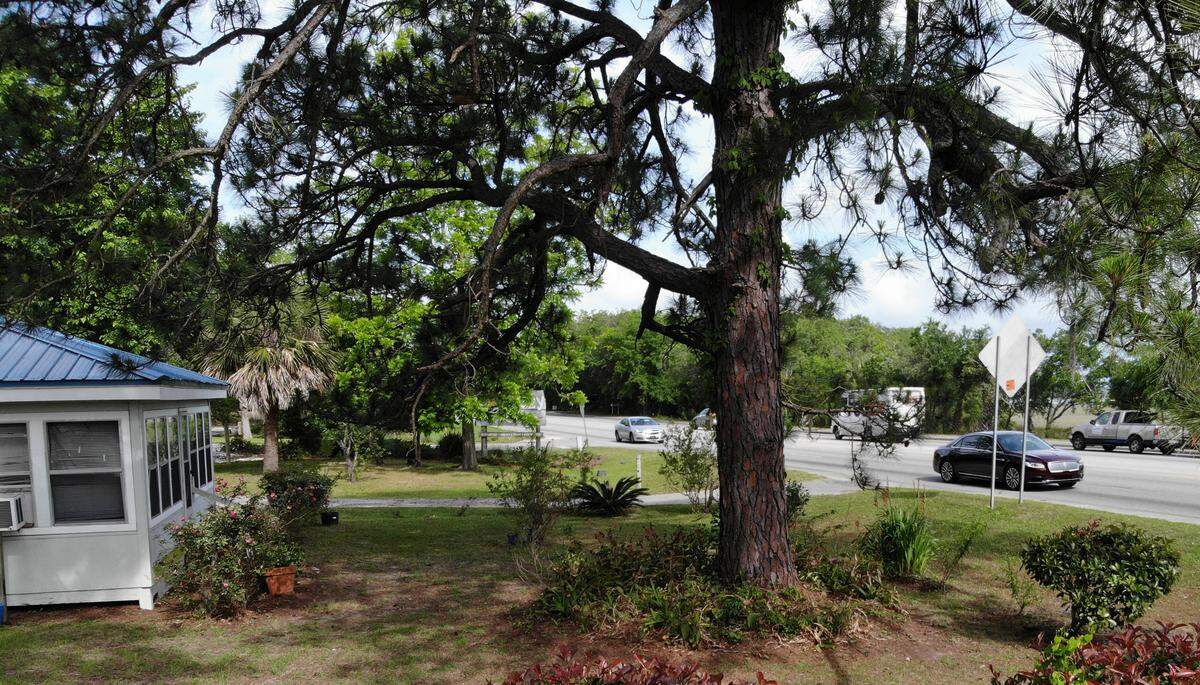
“We need to develop a measurement system to compare the alternatives differently from the one the DOT uses,” Patsy Brison, a resident and leader of the Coalition of Island Neighbors, told The Island Packet. “It’s important to include a base alternative which replaces the one bridge section (over Mackay Creek), upgrades the intersections to optimize their performances, addressing safety issues throughout … and has absolutely no more impact on Stoney.”
At a Sept. 14 county council meeting, S.C. Sen. Tom Davis threw his weight behind an independent review. The council directed its administrator to look into hiring an independent engineering consultant and a landscape architect to listen to and evaluate the concerns, opinions and suggestions of Hilton Head Island residents. That, they hope, will result in recommendations for modifications to the plans.
“This extra bit of due diligence and public engagement will help ensure we end up with a beautiful and functional gateway to Hilton Head Island that the entire community is proud of,” Davis said.
Thus began a tug-of-war between county and Town of Hilton Head Island officials, both of whom want to be involved in determining exactly what the consultant will be reviewing.
“We may have stepped back too far... I think we’ve let other people drive the train long enough, I think it’s time that we step up and commit to being the leaders on this project,” Ward 4 representative Tamara Becker said at the Sept. 15 meeting.
Winn said SCDOT is supportive of the county and town’s effort to get an extra set of eyes on the project alternatives.
“I think it’ll provide greater confidence in the project,” he said.
Issue: Communication with Gullah families
Also at issue in considering alternatives for the highway is the likelihood that a new road would displace families in the historic Stoney and Squire Pope neighborhoods, where Gullah families live on land that was passed down from people freed from enslavement on Hilton Head generations ago.
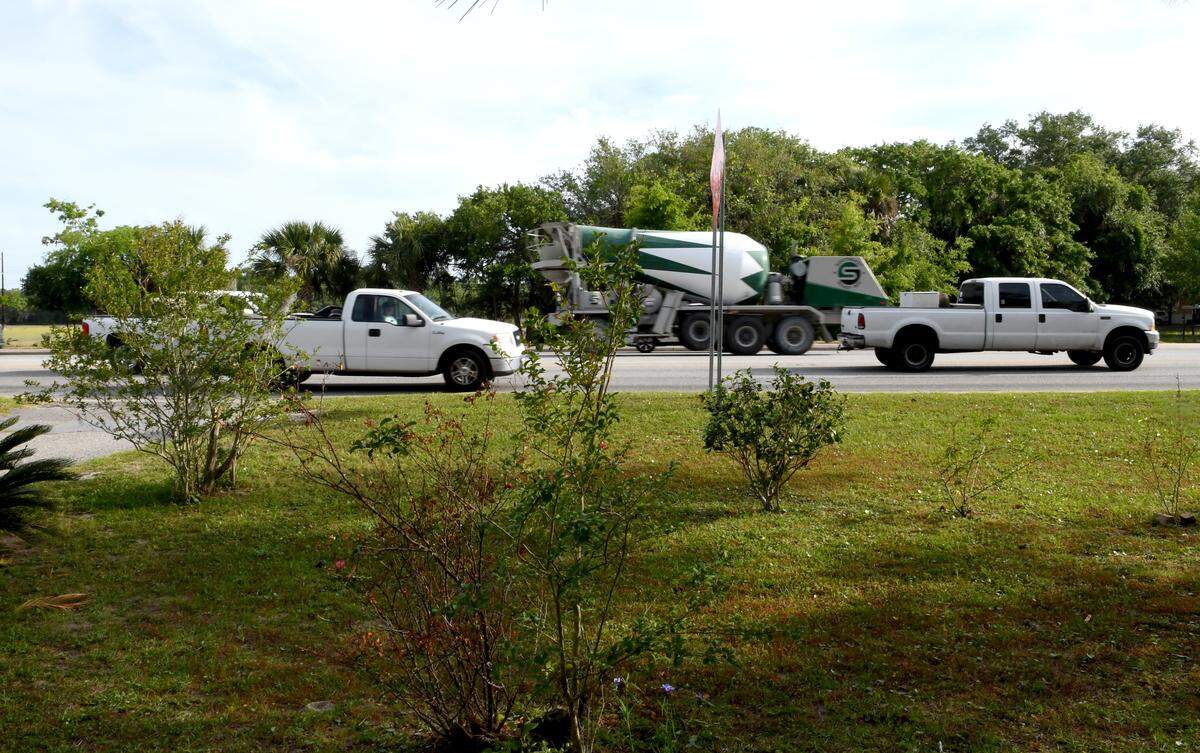
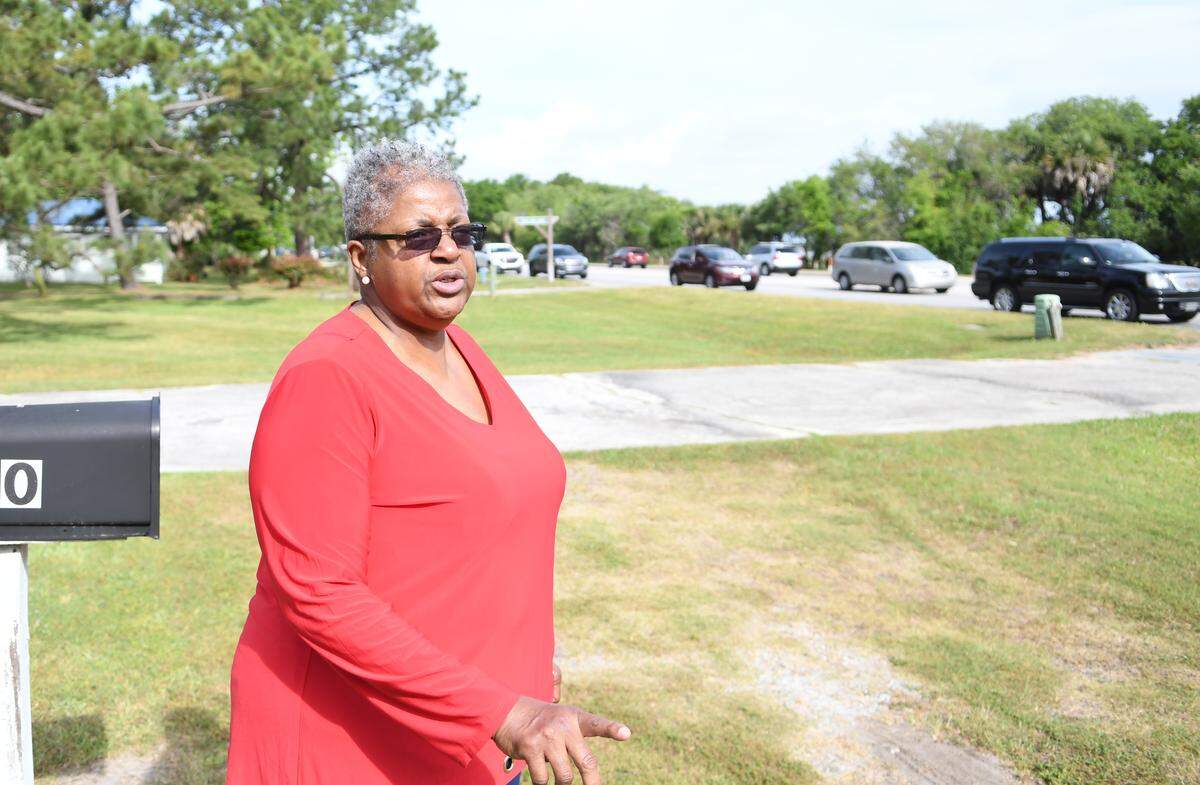
A third eastbound lane would put the thousands of cars that cross the bridges each day just 15 feet from the front porch of Belinda Stewart Young’s family home on U.S. 278.
Her family and others have met with Winn and SCDOT representatives to discuss options for relocation. Alex Brown, a native islander and leader in the community who does not live in the Stoney area, said SCDOT offered to work with the neighborhood to publish a series of oral histories of the resident Gullah families.
“Improving the quality of life isn’t taking someone’s land and replacing it with monuments that say they were once here,” he said. “That’s displacement and then replacement with figurines.”
Brown also referenced an idea floated by council members to use native islander imagery on the eventual finished bridges. In a presentation to the Town Council last week, Maryland-based Creative Design Resolutions, which has been hired to work on infrastructure design for the highways, showed examples of bridges and sound walls that included references to community culture.

Glenn Stanford, who represents Ward 6 on the council, wrote to constituents: “I am excited about the possibilities for beautiful design reflecting our unique culture here. Among the possibilities: Native Island culture, beaches, palmetto trees, dolphin(s), the Harbour Town Lighthouse and many more. We all will have the opportunity to share our thoughts on beautification of the new corridor and bridge improvements.”
Still, native island leaders say they feel left out of discussions about what will happen to their communities.
“Ultimately this has nothing to do with the people,” Brown said. “I want to see examples of the Gullah culture throughout the corridor, but that has to be a mixture of living examples like people’s homes and maybe a pavilion or meeting place.”
Issue: Town leadership
An additional concern from Hilton Head residents: their perceived lack of town leadership on the project.
Last year, residents used stickers to encourage the council to “nix the six” alternatives and use its veto power over the eventual alternative when it’s presented by the SCDOT.
Council members have made no promises to turn down an alternative when it comes this winter, but members, as shown in their Sept. 15 meeting, are frustrated that Beaufort County leaders appear to be taking the reins on an independent consultant and a potential oversight committee.
“I am not comfortable with sitting second fiddle to the county on this,” Ward 6 representative Stanford said.
Brown and Brison, who represent different groups of residents, agree with some of the council members’ assessments. Brison said she’s “greatly dismayed” by the lack of direction from the town’s leaders.
“Town of Hilton Head has to take some ownership of this project,” Brown said. “Right now, it’s a train running down the track, and there’s no engineer behind the throttles.”