
SC Sen. Tim Scott: Focus must be on improving Black outcomes, not tearing down systems
READ MORE
Breaking Point: Tackling Systemic Racism in South Carolina
George Floyd’s brutal death ignited weeks of protests in every American city. But while the crisis is national, the reality is that change will happen at the local level.
“Breaking Point: Tackling Systemic Racism in South Carolina” focuses on the meaningful reforms needed in our state. Our panelists help us understand race issues in South Carolina and the policy changes needed in law enforcement and education
Expand All

How do we confront racism, reimagine public safety and heal in North Carolina?

Now is critical time to keep up momentum against racism, Staley, Clyburn say

Community policing and reform needed in SC, group says. Both have to improve
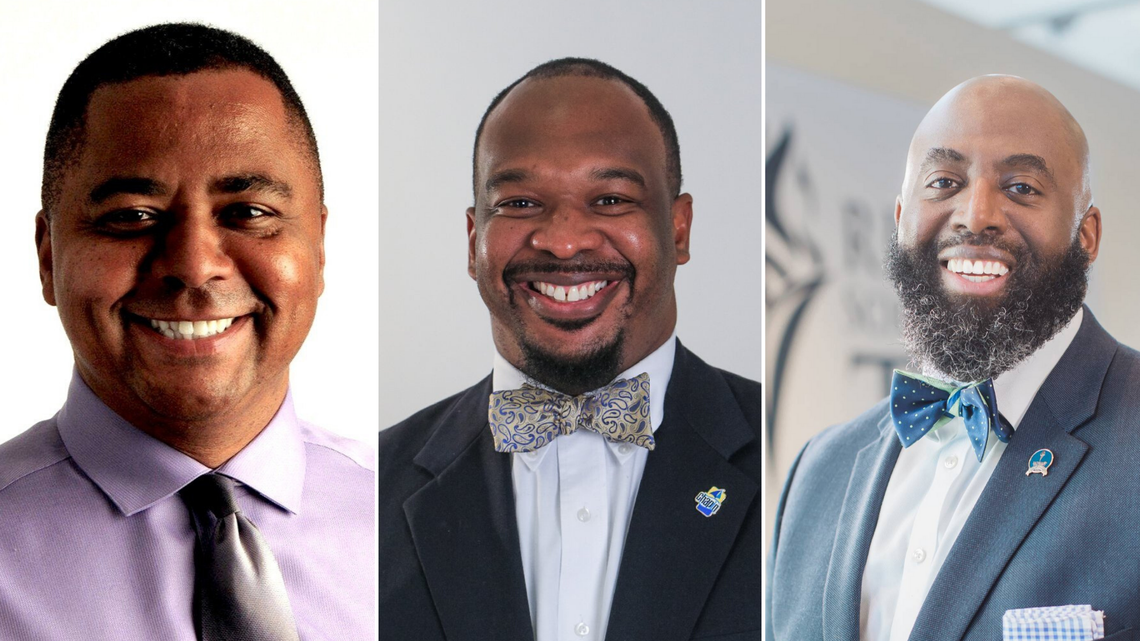
More Black perspectives needed in SC classrooms, experts say at panel
SC Sen. Tim Scott: Focus must be on improving Black outcomes, not tearing down systems
Republican U.S. Sen. Tim Scott on Friday said the nation has made progress on racial issues in the country, but more works needs to take place.
“From 2015 to 2020 there’s been significant change; unfortunately, there’s still need for significant progress,” Scott said, referring to the reactions of the shooting of Walter Scott and the nine African Americans killed at Mother Emanuel Church in Charleston in 2015, and the May death of George Floyd.
He made the comments during a forum on race issues hosted by The State newspaper and its parent company, McClatchy, called “Breaking Point: Tackling Systemic Racism in South Carolina.”
McClatchy is planning four other forums next week in North Carolina, Miami, Kansas City and Sacramento, California.
Scott said after the death of George Floyd in Minneapolis, “it was clear to me something had changed ... It was no longer seen as a Black problem, of Black America crying out against brutality. It became a national issue.”
He added people of all races came together to focus on the issues.
Scott argued the system in the country isn’t designed for oppression of Black people, and said African American college graduation rates have increased and the income gap has closed.
However, Scott concedes there are still racial outcomes that are vestiges of the previous economic system, and it takes 30 to 40 years for communities to have full economic opportunity.
“In many ways the economic legacies have racial outcomes because the system that was designed was in place for 200-plus years before the vast majority of African Americans had a chance to participate in some full spectrum in that system,” Scott said.
“The same is true in law enforcement. For a long time we had outcomes that were consistent with a system based on race for oppression. Today we have outcomes that are so racial by nature, but the system is no longer designed from a racist perspective.”
He added there needs to be continued discussion on how to improve outcomes for African Americans, such as more educational opportunities for young people Black people and creating wealth among Black people, Scott said.
“As long as we have really bad outcomes in the poor ZIP codes, we’re going to face challenges that may have racial outcomes, but the system itself may not be designed for the oppression of those people,” Scott said.
Scott said the country must improve outcomes for people who are stuck either because of their race, income level or access to opportunities.
“That is a discussion that needs to continues and those are outcomes we need to change,” Scott said. “Some of those outcomes have less to do with race today than they did yesterday.”
Scott, who has been in the U.S. Senate since 2013, is the chamber’s only Black Republican. He has been the lead Republican lawmaker on a GOP police reform package.
Scott has pushed his own version of the police reform calling for withholding federal grant money from departments that don’t ban choke holds,among other measures. However, Scott’s JUSTICE Act has been blocked by Senate Democrats from moving forward. He is hopeful a compromise can be made among federal lawmakers.
The proposal was put forward in the response to the death of George Floyd, a Black man, while in the custody of Minneapolis police. An officer knelt on Floyd’s neck for nearly 9 minutes while three other officers watched. All four have been charged in Floyd’s death.
Debate following Floyd’s death has shifted toward whether to continue honoring figures in American history who have less than honorable parts of their past, such as whether to honor former S.C. Gov. Ben Tillman who advocated for lynching Black people. Clemson University wants to remove Tillman’s name from its main hall.
Scott also added there should be a process for name changes of buildings, and advocated for adding more public information and statues honoring African Americans in the country rather than tearing statues down.
“There is big difference between remembering our history and celebrating our history,” Scott said. “There are so many other parts of the African American history that is unknown to the average person in our country. I think there’s the reason why we’re looking for ways to celebrate the rest of the story.”
This story was originally published July 10, 2020 at 4:31 PM with the headline "SC Sen. Tim Scott: Focus must be on improving Black outcomes, not tearing down systems."
