Tired of red lights on Hilton Head? $3M traffic light system could speed up your commute
Hilton Head Island’s leaders have been on a decades-long quest to improve one of the island’s biggest nightmares: traffic on the William Hilton Parkway Gateway corridor. The latest effort to help doesn’t involve widening the bridge or adding lanes to U.S. 278.
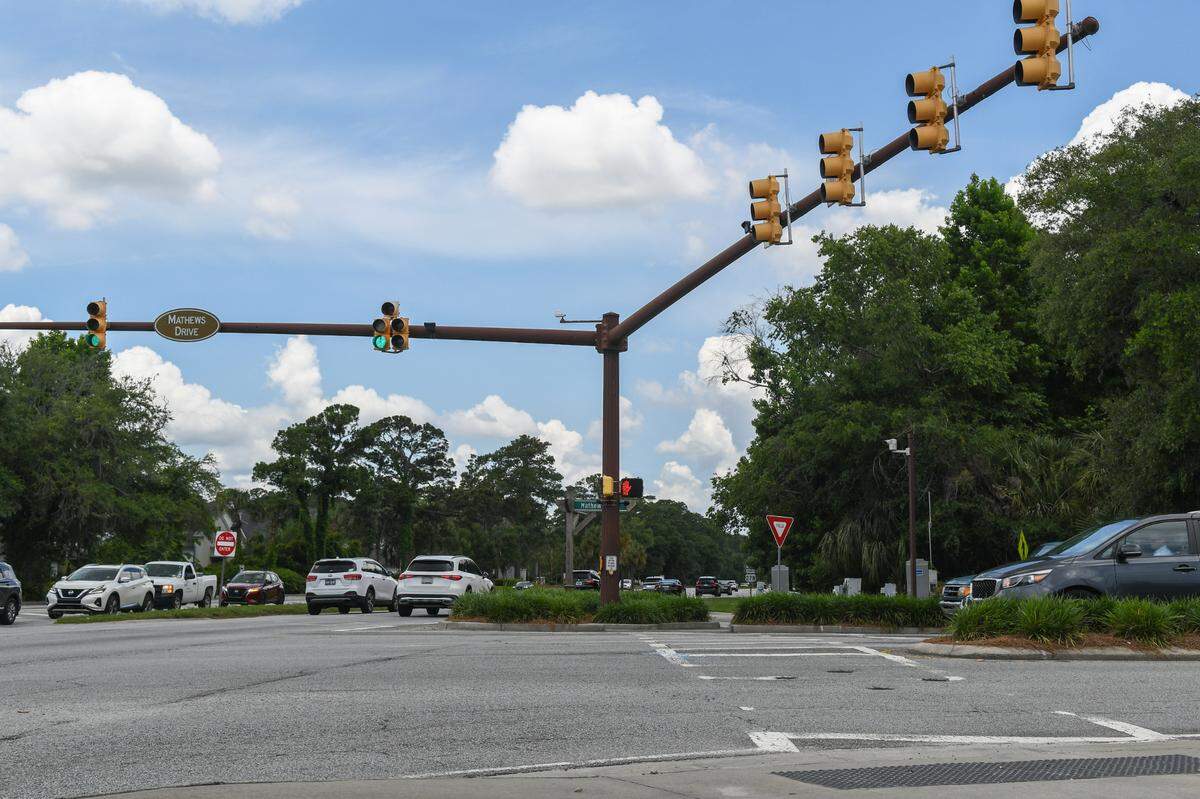
The plan is to make the stoplights on the island’s 25 traffic intersections smarter.
The town finished installing the $3.1 million “adaptive traffic signal management” system in November, and recent data supports that cars have been moving through the corridor with fewer stops at red lights since then. Regarding the island’s larger capacity issue, the South Carolina Department of Transportation is waiting for the go-ahead from the town to start the corridor project to expand the four-lane bridge to six lanes. The town council is withholding consent for the project’s last mile within Hilton Head Island town limits until they complete an independent study.
For the 14,800 people who commute to Hilton Head for work, 8,500 daily visitors and 37,660 full-time residents the new impact-fee-funded light system is a transitional improvement until the town, county and state complete the corridor project.
“This is not solving any of the capacity issues,” Transportation Program Manager James Iwanicki said of the new light system. “When a system is saturated and at or over capacity, it doesn’t matter whether you have this system, the antiquated system.”
Instead of waiting on the typical “fixed time of day” system engineered to change traffic cycles at set times, the new high-tech system senses cars and people and adjusts how long lights are based on traffic flow. It’s worked to cut down the number of unnecessary red lights at which drivers stop, according to Iwanicki.
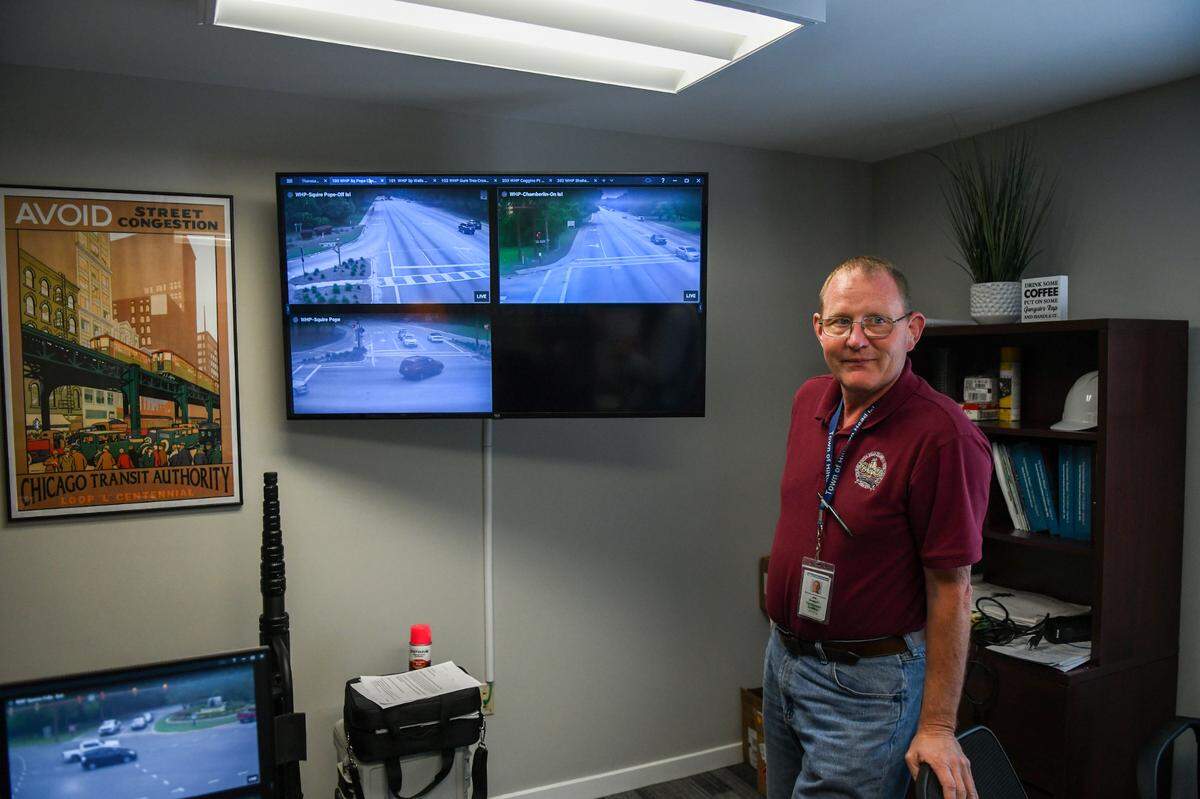
Each light cycle — the time from the start of a green until the next start of a green — ranges from 1 minute and 55 seconds to about 3 minutes. If there is traffic, it will automatically adjust the cycles to have longer green lights. It does this while prioritizing cars getting on the island in the morning and off the island in the afternoon. This means drivers will have longer green lights while traveling the prioritized way.
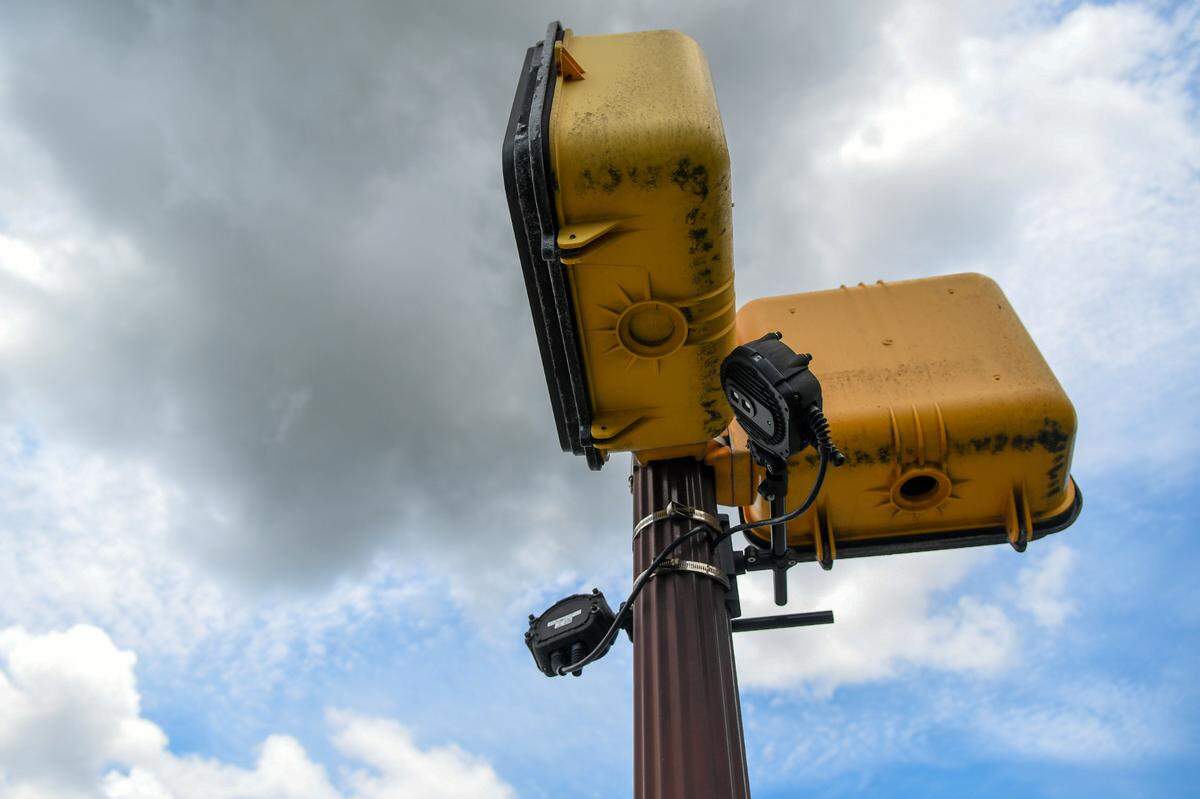
Thermal pedestrian cameras sense if a person is waiting to cross or walking away and eliminate “false calls” needlessly causing delays.
Data indicate cars have more green lights during prioritized times on William Hilton Parkway, according to Iwanicki. However, vehicles on William Hilton Parkway’s side streets and those going against the prioritized traffic may stop more frequently and for longer.
Those noticing seemingly inexplicable traffic could also be witnessing the internet-based system going down, according to Iwanicki. He said that drivers notice when it’s not working.
“If the power goes out, or the internet goes out, it affects its ability to be efficient,” he said. “If those things happen, it goes back to what’s traditional.”
The old system changes light timing at four or five set times a day, based on the time of the day. The new system changes light cycle lengths 25 to 45 times a day.
For example, if a large event ended at Coligny Beach, the new system would register the traffic starting on Pope Avenue and signal to the lights on William Hilton Parkway to have longer green light cycles.
“Those signals are talking to each other,” Iwanicki said. The old system wouldn’t have made the adaptive changes.
The group of lights that communicate stop at the Windmill Harbor traffic light near the island’s edge, according to Iwanicki. Beaufort County maintains the signals on U.S. 278 up to and including Windmill Harbor, according to county spokesperson Hannah Nichols.
When asked if the Beaufort County signals were adaptive, Nichols said they use “loop detection,” meaning that they don’t use radars as Hilton Head Island does. Instead, an electric loop installed in the pavement detects cars.
.png "Screenshot (477).png")
How do the adaptive traffic signals work?
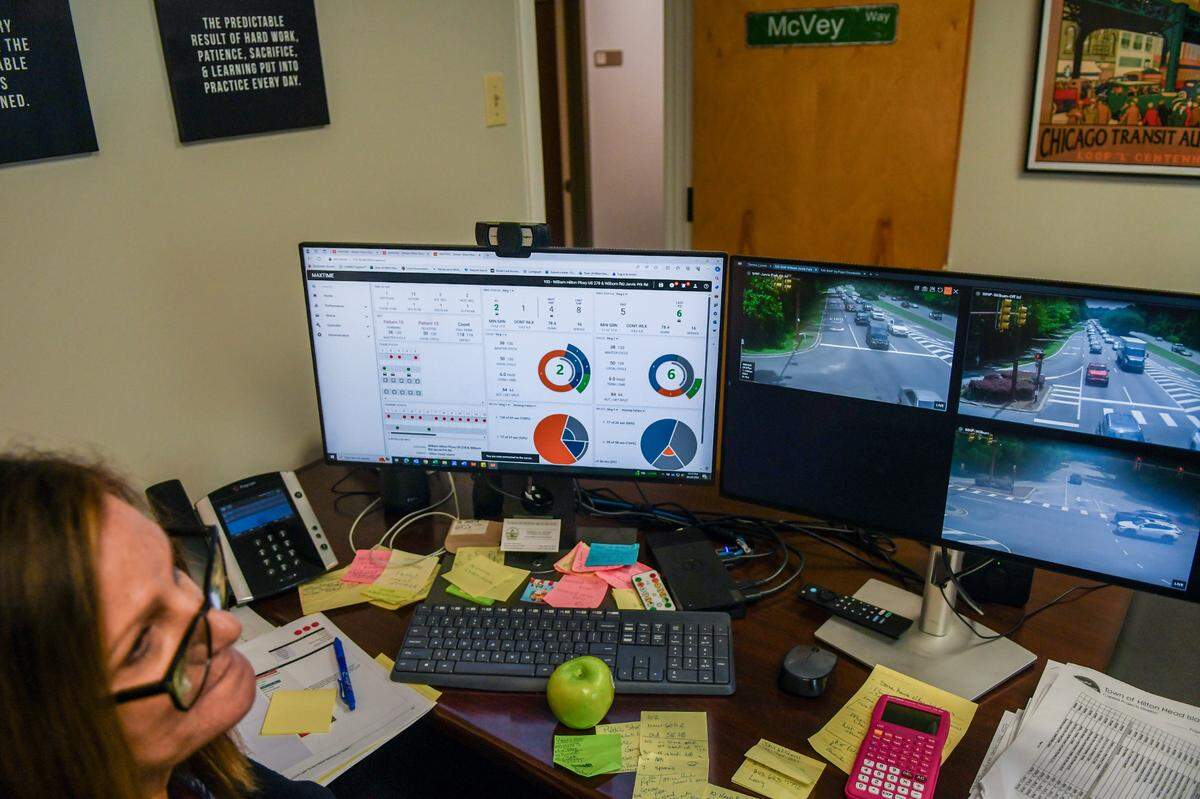
Tiny colored rectangles move along the intersections on Theresa McVey’s computer monitors, each representing a vehicle. Slightly longer shapes denote a bus or truck to the traffic operations manager, who watches how the vehicles cue in each lane.
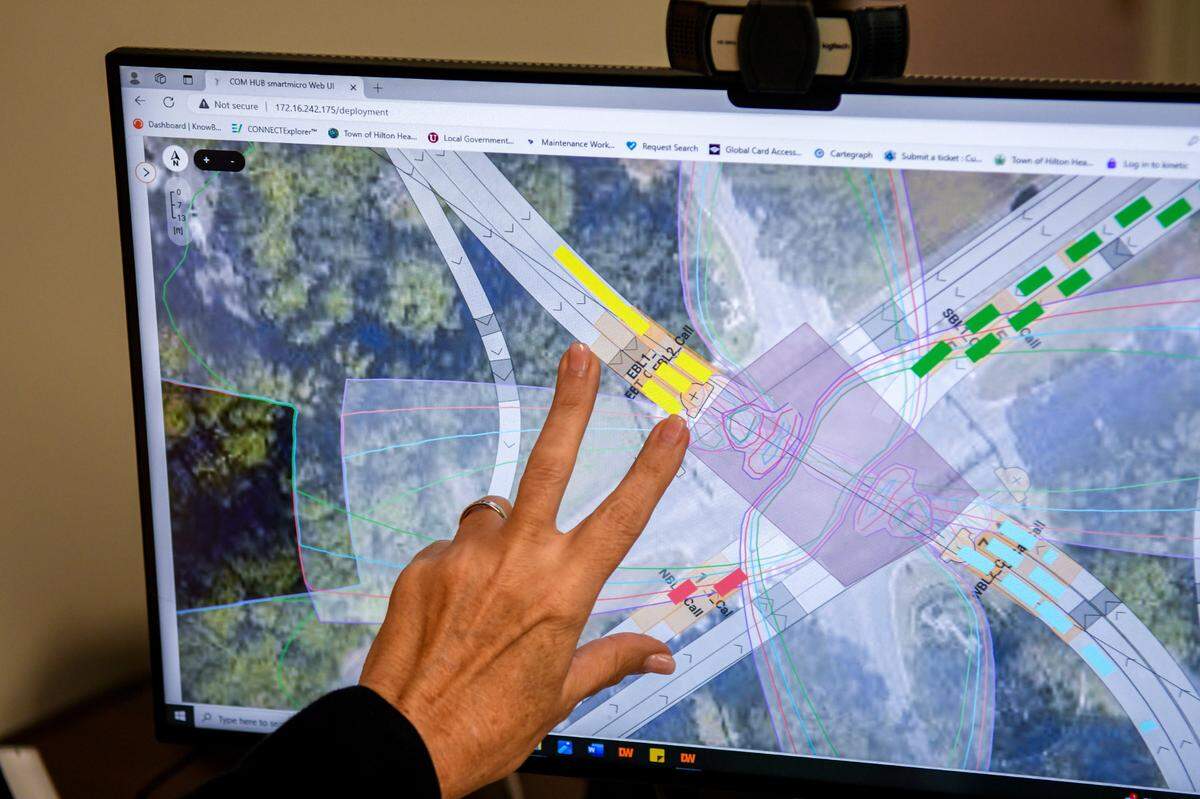
On her screen is the island’s real-time traffic information, which 2,251 radars collect and send to the cloud using fiber optic internet, dial-up internet or radio.
The cloud is the adaptive system, Iwanicki said, explaining it’s the “brains” where the programs run to determine light times. From there, the system communicates how to adapt the signal to the lights.
If one of those pieces fails, the system reverts to the preset times. Iwanicki couldn’t say how often the system fails but said it’s reliable.
“Is it perfect? No. Can I say it’s 99.99% reliability? No, I can’t say that,” Iwanicki said. “But is it reliable? Yeah, I would say it’s reliable.”
How do the thermal pedestrian cameras work?
With the click of the mouse, the traffic engineers switch from car outlines to black and white pedestrian shadows.
Detectors use heat imaging to determine whether there is a pedestrian. If there is a pedestrian, the traffic light will trigger the pedestrian signal sequence. The intersections’ push buttons will still work. However, if someone pushes the button and walks away, the thermal pedestrian camera will cancel the button push, meaning those who want to cross the street must stay in the zone for the system to register them.
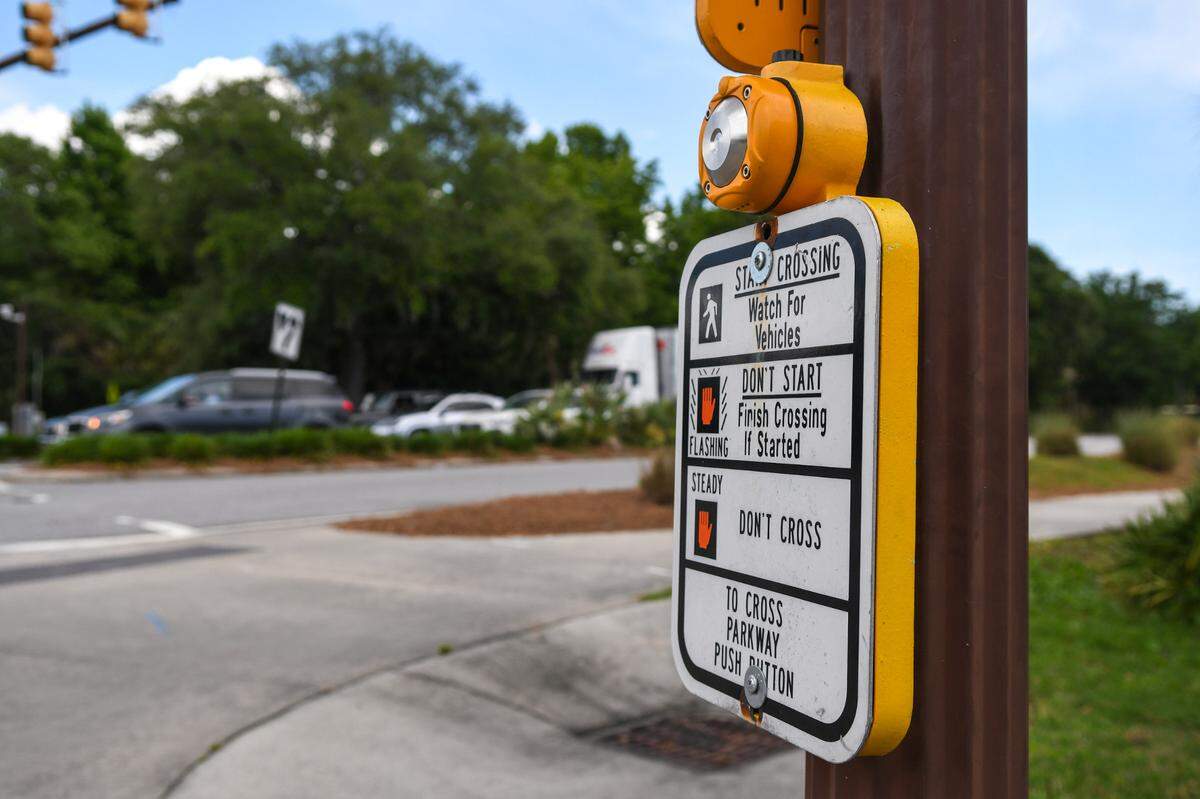
“It helps us make sure that we’re not delaying traffic,” Iwanicki said.
The cameras allow the town to watch the pedestrian cameras live, but it doesn’t store any recordings to be used for law enforcement purposes, according to Iwanicki.
What does the data say?
Since the town installed the new systems, cars don’t have to stop for red lights over 2% more often, meaning less delay for vehicles.
Though 2% may not seem like much, Iwanicki said it’s a “significant improvement.”
On the way to the island, cars arrived at green lights 76.31% of the time before the new systems, afterward they arrived at green lights 78.62% of the time, according to town data. This is a 2.31% improvement.
On the way off the island, cars arrived at green lights 75.17% of the time before the new systems, afterward they arrived at green lights 77.52% of the time, according to town data. This is a 2.35% improvement.
Drivers should see improvements as time goes on, according to Iwanicki.
“It is a work in progress and it will always remain in progress,” he said. “It’s a computer system and computer technology changes.”
This story was originally published May 31, 2024 at 7:00 AM.