There are 3 more plans for Hilton Head’s bridges. Here’s how they’re different
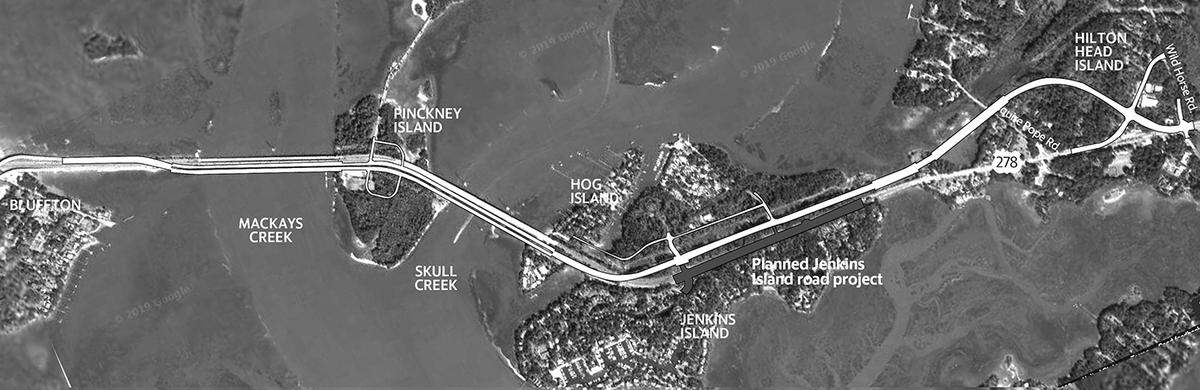
Although the S.C. Department of Transportation was supposed to be narrowing options for Hilton Head Island’s U.S. 278 corridor, the department has announced three additional potential alternatives for the bridges that connect Hilton Head to Bluffton.
The announcement comes after utility companies told SCDOT it couldn’t use an existing electricity right of way for the highway.
SCDOT’s three new plans look similar to three of the six alternatives, and project materials online suggest there are now nine plans in the running. However, project manager Craig Winn suggested the three plans added last week replace three that are unlikely, given the power company’s opposition.
“There are nine alternatives,” he said. “But 4, 5 and 6 are unlikely.”
The corridor project will cost at least $250 million and tear up the entrance to Hilton Head for four to five years once it starts in 2023. Islanders have criticized the project for failing to consider citizen input, and families native to Hilton Head have challenged it because it threatens their historic land.
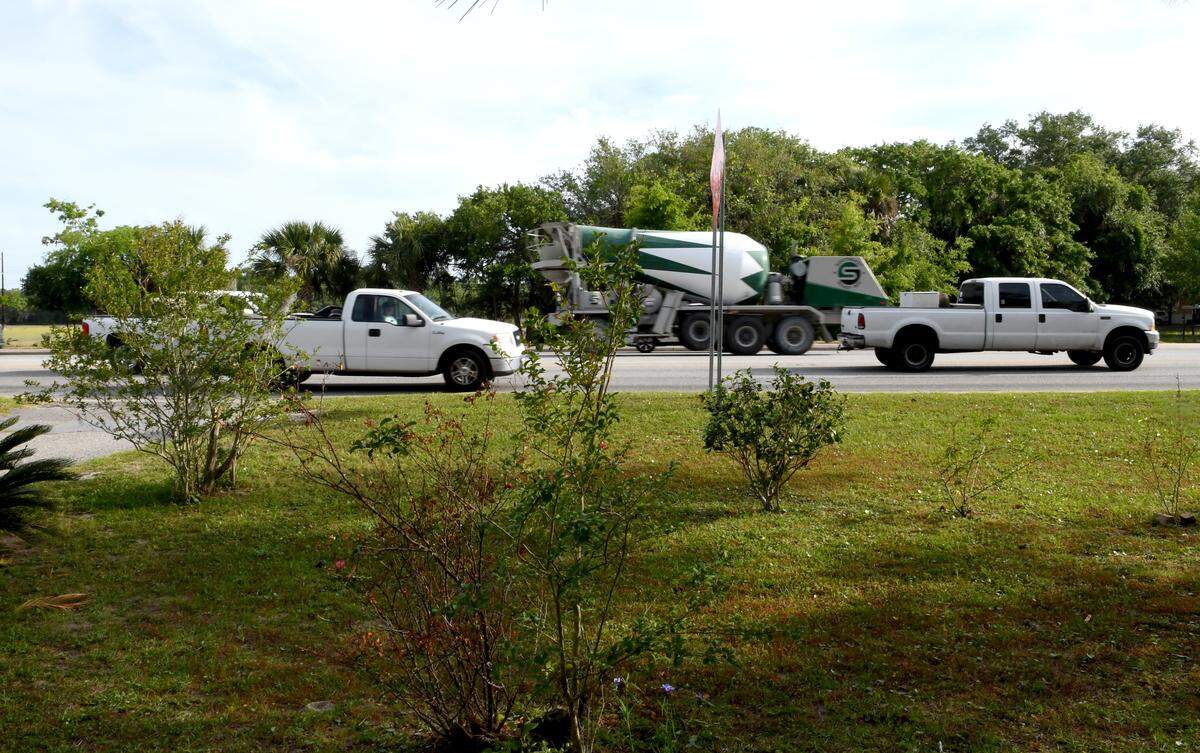
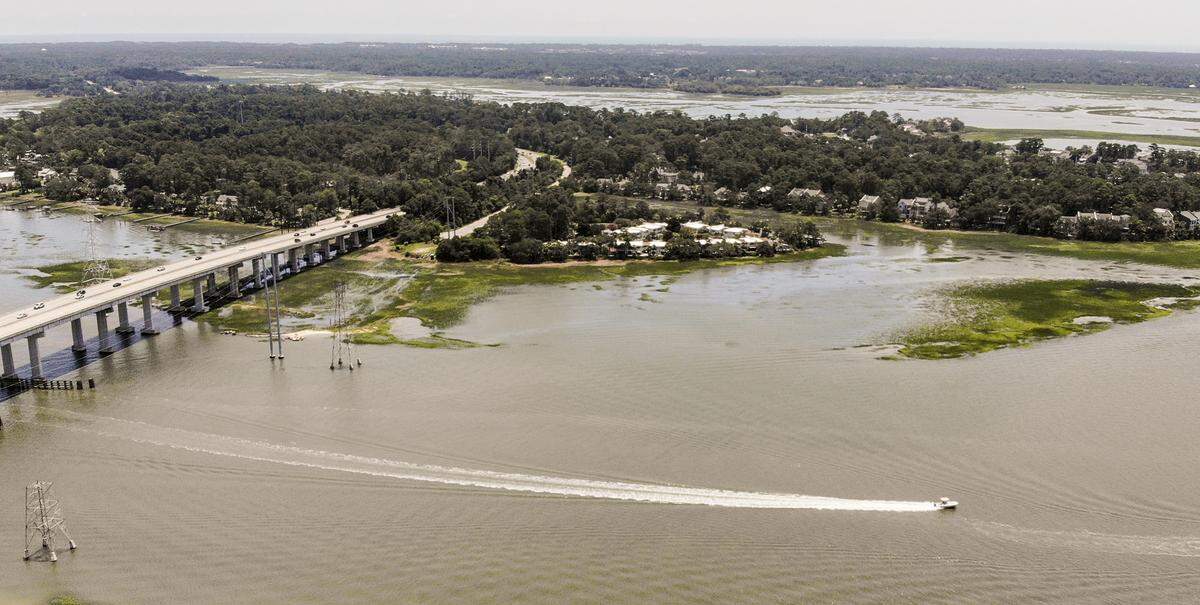
The most drastic changes in the new alternatives include leaving intact a section of Jenkins Island that has been clear cut for power lines and building the six-lane highway directly next to it.
Originally, two plans included using that pre-made power line easement for the highway, similar to the setup of Bluffton Parkway in Bluffton.
“Santee Cooper was not interested in doing something similar to Bluffton Parkway,” Winn said. “The cost of relocating all those power lines basically made those alternatives not as viable.”
Winn said the power lines can’t be disturbed. Taking them offline would mean an island-wide power shortage during construction, he said.
Alternatives 5A and 6A instead convert the existing four lanes of U.S. 278 to a local frontage road, run the six-lane proposed highway directly north of the frontage road and leave the power line area undisturbed.
That means a near 10-lane highway footprint would be next to empty space reserved for power lines.
Here are the three alternatives affected:
Alternative 4
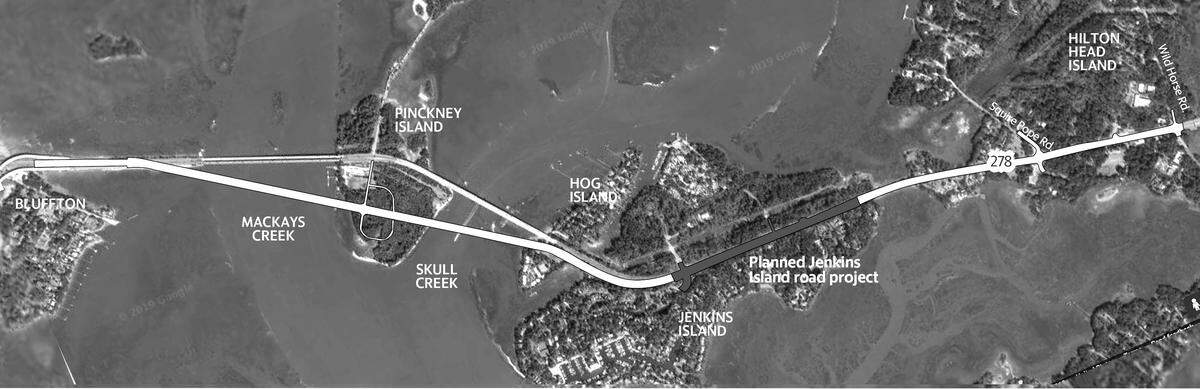
In the fourth alternative, crews would build an entirely new bridge significantly south of the existing roadway.
A new, six-lane bridge would start at the base of the Bluffton flyover and head east, crossing Pinckney Island south of the C.C. Haigh Jr. boat landing, and crossing Skull Creek south of the old bridges. All four existing bridges between Bluffton and Hilton Head Island would be demolished.
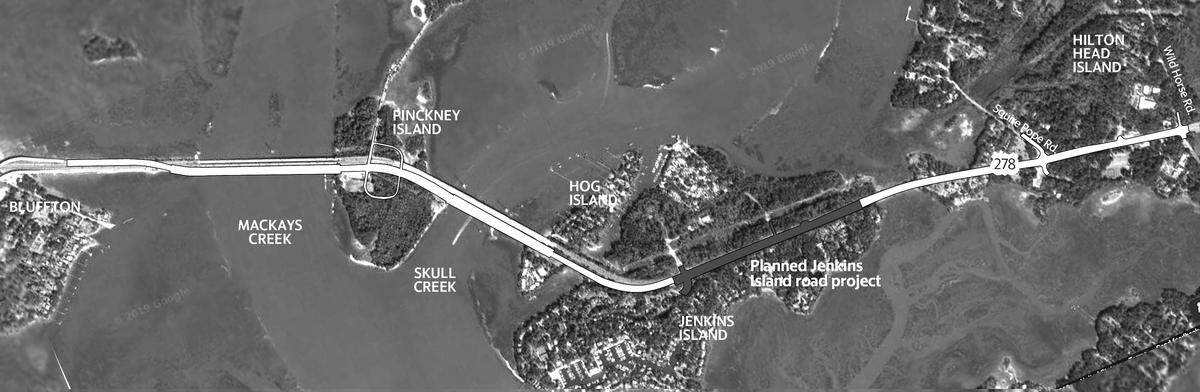
NEW: Alternative 4A
The new plan is the same as alternative 4 but instead builds new bridges over Pinckney Island directly south of the existing bridge footprint instead of further south.
The change comes at the request of wildlife refuge officials who want to disturb as little of the refuge as possible.
Alternative 5
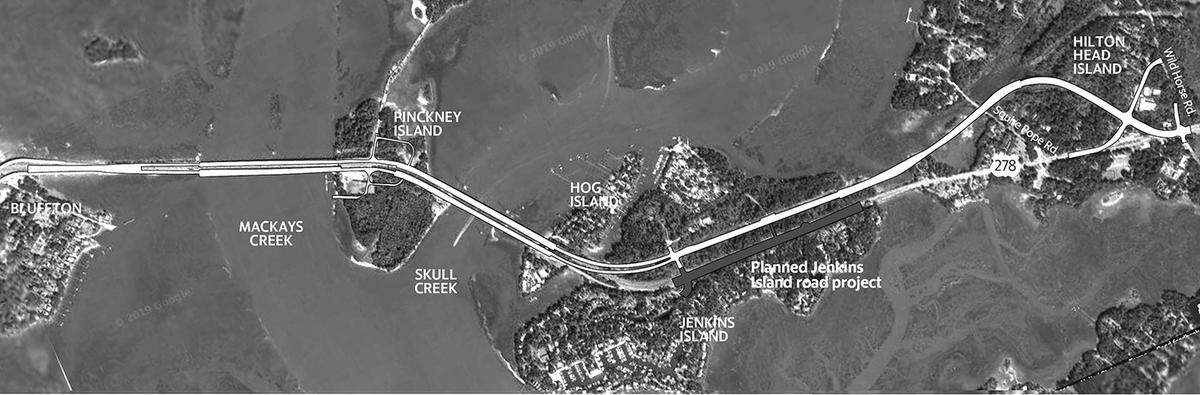
This plan would add two new bridges next to the old ones: One over Mackays Creek and one over Skull Creek. The existing eastbound Mackays Creek bridge would be demolished.
It also includes a completely different approach from Skull Creek to Spanish Wells in which a six-lane bridge from Jenkins Island to the Cross Island Parkway would cross marshland and historic communities north of the highway.
That bridge would cross the marsh north, running to Squire Pope Road, before meeting existing U.S. 278 at Spanish Wells Road.
Alternative 6
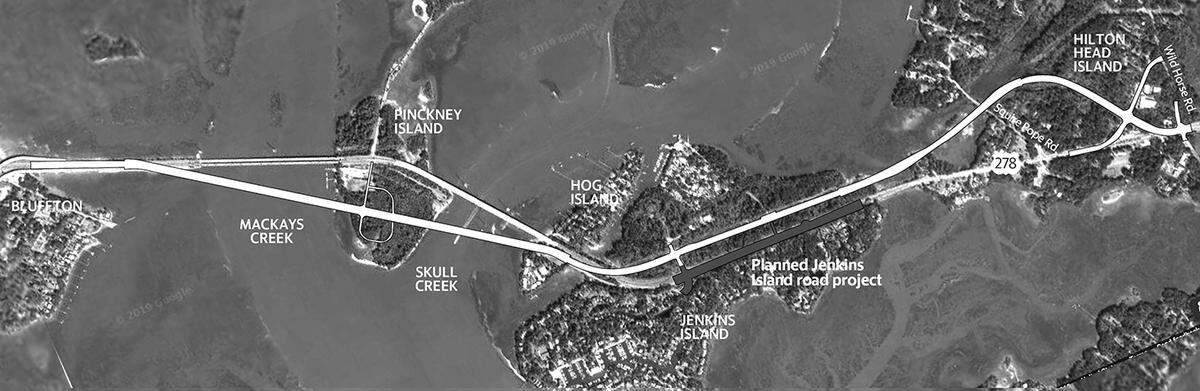
This alternative is a combination of two others by building two new bridges. A new, six-lane bridge would start at the base of the Bluffton flyover and head east, crossing Pinckney Island south of the C.C. Haigh Jr. boat landing, and crossing Skull Creek south of the old bridges.
A second new bridge from Jenkins Island to the Cross Island Parkway would cross marshland and historic communities north of the highway on Hilton Head.
NEW: Alternatives 5A and 6A
These new plans are also the same as alternatives 5 and 6, respectively, but the plans change the alignment of the highway once it lands on Jenkins Island.
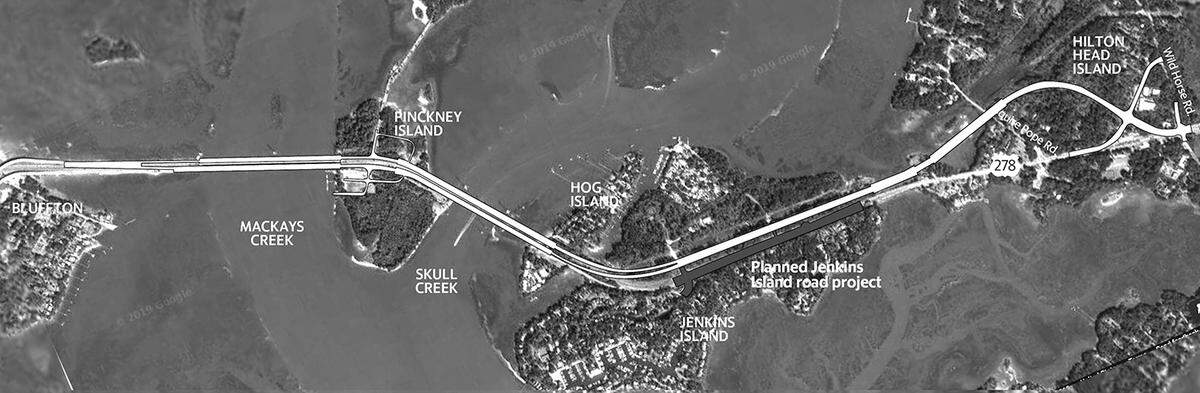
Instead of running 6 lanes underneath the existing power lines, these alternatives put the highway directly next to the clearing.