‘You have veto power... Please use it’: Hilton Head residents blast US 278 bridge plans
Pressure on Town of Hilton Head Island officials to reject the SC Department of Transportation’s plans for the U.S. 278 corridor built Tuesday night at a town council meeting when several dozen people showed up to object to all the proposed alternatives.
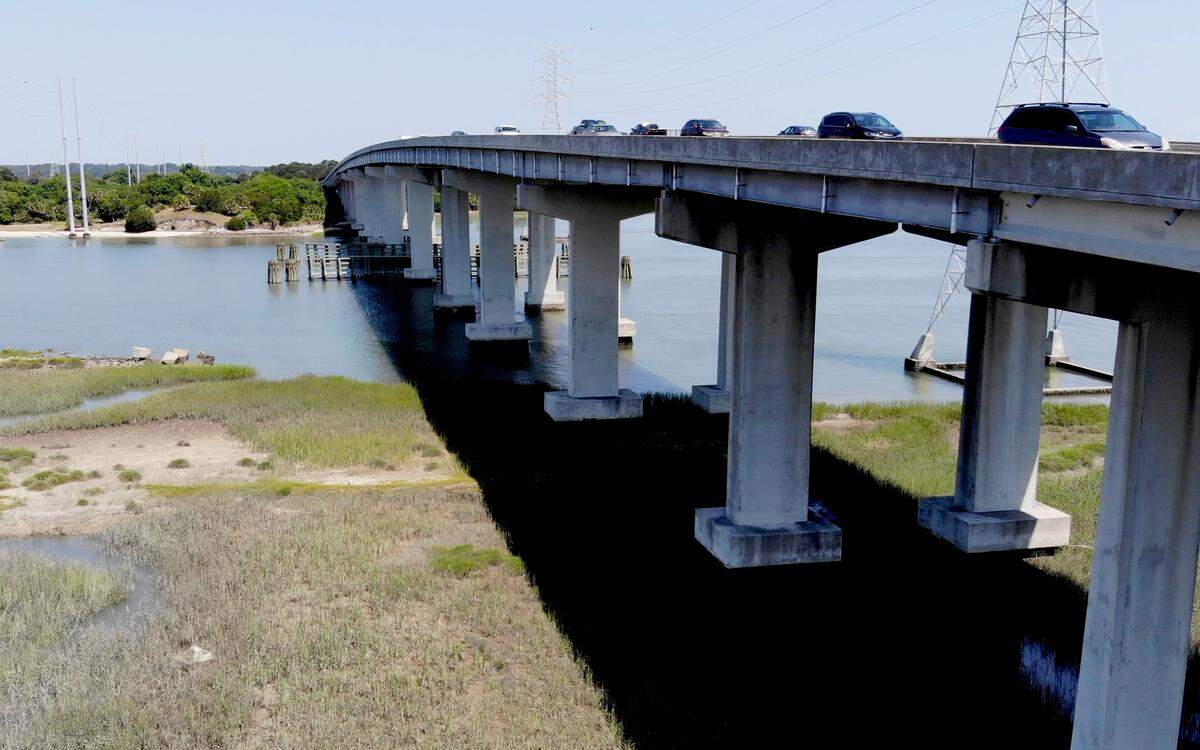
They demanded a better process for determining what will happen to the 4-mile stretch of freeway that connects Hilton Head to the mainland — and the $240 million in taxes earmarked for the project.
Currently, SCDOT has six alternatives for the corridor and will begin narrowing the list to one preferred alternative. That decision will be announced in late 2020, the DOT’s website says.
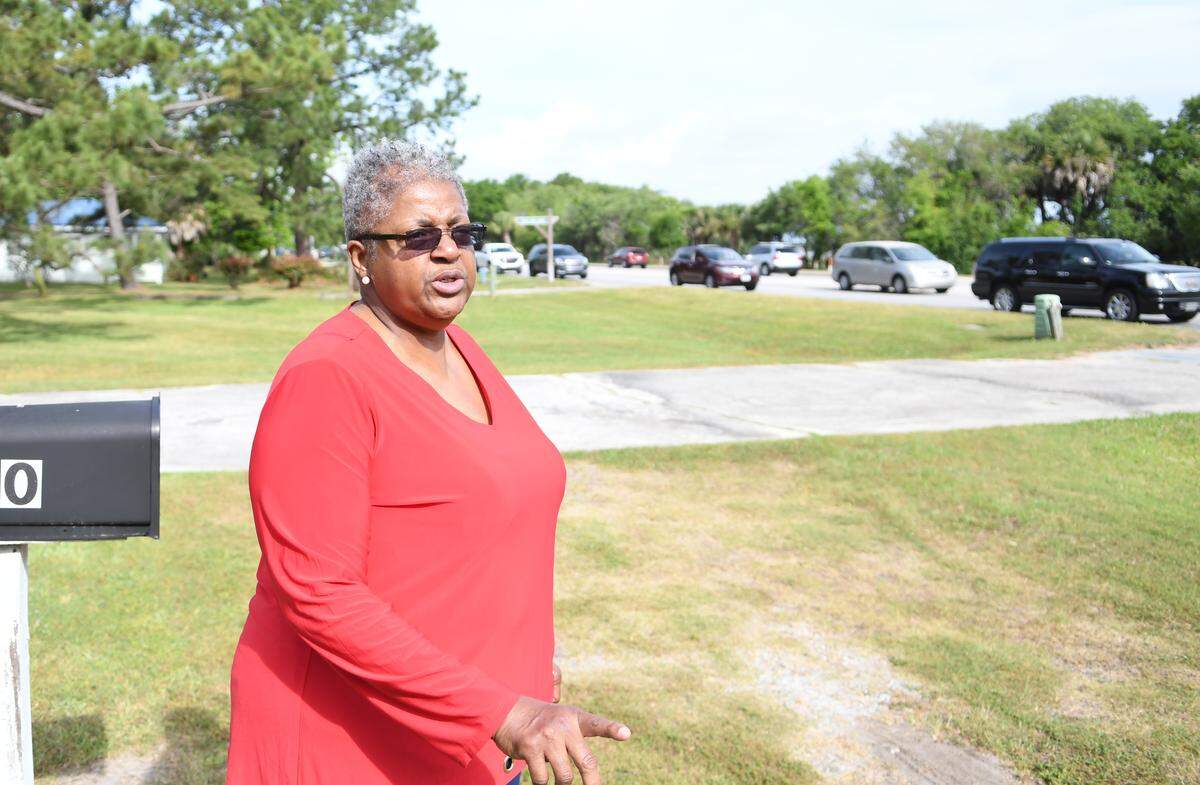
“Act now before SCDOT sets in stone its ‘preferred alternative,’” resident Patsy Brison told the town council. “You have veto power over SCDOT projects. Please use it.”
Brison and fellow residents have formed the Coalition of Island Neighbors to address issues such as the corridor project. The group distributed rainbow stickers on Tuesday that read “Nix the Six,” referring to the six bridge alternatives.

Tuesday’s discussion comes on the heels of a petition circulated online in November to deny all the alternatives and invest in an independent traffic study. The petition garnered 2,146 signatures and urges supporters to “reject and rethink SCODT plans” and not to let “Hilton Head Island look like an LA suburb.”
Some criticized the goals DOT chose for the project, which include increasing capacity and relieving congestion in the corridor.
“Are we trying to improve our overall metrics or the overall quality of life of those who have lived in Stoney for generations,” resident Luana Sellars asked the council, referring to the historic Gullah community that sits at the base of the bridge and has already been bisected by U.S. 278.
‘We don’t actually have data’
Hilton Head Mayor John McCann called Tuesday’s special meeting to hear a report from the U.S. 278 corridor committee — a group appointed by the town council in 2018 to work with the DOT and provide feedback.
But the committee chose not to endorse a specific alternative. Instead it listed its expectations for the project in a report so the town council could compare the alternatives to the community’s desires. The committee’s chairman said it did so because the committee couldn’t get enough data or cost information from DOT.
“We realized we could not accept or reject any of the current reasonable alternatives until we had more information,” committee chair David Johnson told the council.
Town council member Tamara Becker agreed. She said the committee has been limited in what it could do since its beginning.
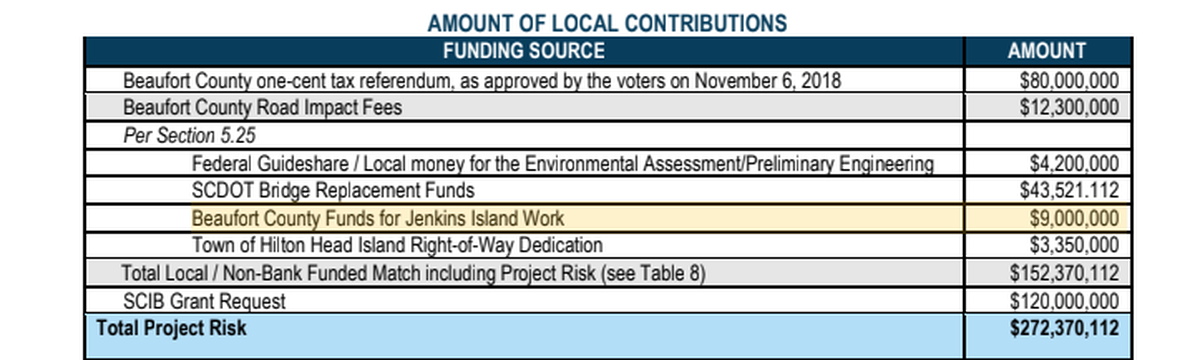
“We don’t actually have data that you can use to make judgments with. I think that’s unfair to you and all of us,” she told Johnson. “(We have) all the necessary components that people have brought to the table, but we have no idea what that cost is or more importantly where it’s going to come from.”
The corridor project will be funded in part by the Beaufort County transportation sales tax, which was approved by voters in 2018. The tax will raise $80 million for the Hilton Head project. The rest is expected to be paid by SCDOT and the State Infrastructure Bank, which is reviewing Hilton Head’s application along with several others.
Not all the alternatives will cost the same, SCDOT project manager Craig Winn, who was not at Tuesday’s meeting, has acknowledged.
No public cost estimates are available for any alternatives yet. Winn told The Island Packet that DOT was still evaluating preliminary cost estimates and those numbers would be released in summer 2020.
Communities near the bridge
Not all were happy with how the town’s priorities were described.
Johnson said the committee’s expectations are divided into four categories: improved essential elements, such as bridges and causeways; infrastructure that is aesthetically pleasing; accessible bicycle and pedestrian paths along the bridge; and protection for property and business owners, such as those who live in Windmill Harbour and the Stoney community.
Although Mayor McCann called for a vote to approve the first three priorities of the report, he said he would forward to town staff the issue of protection for native islanders and nearby property owners for discussion.
That decision compelled some to speak.
“My concern is for the preservation of historic neighborhoods, and that should be the concern of every resident on this island and visitors as well,” chairman of the Gullah culture and land preservation task force Lavon Stevens told the council. “I’m a little disturbed that the fourth item is not the number one” priority.
And at least one council member said the entrance to the island isn’t getting the same attention as other, more affluent, parts of the island.
“We can’t say we’re going to do things here at Stoney that we’re not willing to do at the Sea Pines Circle,” council member Marc Grant said, recalling that the town worked with the gated community Sea Pines to control traffic flow.
The first three priorities of the report were accepted by the council, although a council majority defeated a motion to hire an outside traffic engineering consultant to review the DOT’s plans.
Another part of the project is also concerning residents on Jenkins and Hog Islands who live in communities like Windmill Harbour.
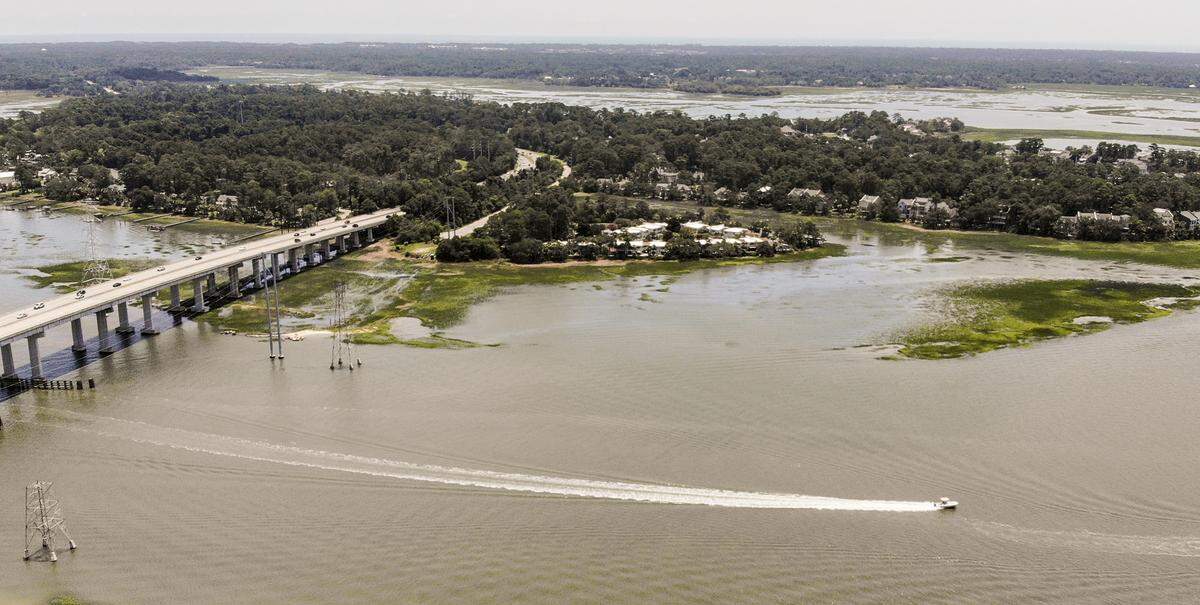
The future of that strip of highway at the base of the bridge has been subjected to two competing projects: the U.S. 278 corridor project and a separate Jenkins Island safety project which would add traffic lights and U-turn opportunities.
That project was stalled by county council chair Stu Rodman last summer out of fears that it competed with the larger corridor plan, and in October, the county hired an independent engineering firm to re-imagine the area.
Asked how DOT has listened to public input on the corridor project, Winn said “We’ve come down and spoken to numerous groups on the island and we’re always willing to come down and speak with any groups that have concerns on the project.”
He pointed to the DOT’s use of social media and newsletters to communicate with the public.
What are the options for the bridge?
Analysis: similarities and differences
Many of the alternatives have common elements. Here’s a guide to how they’re similar:
- Widen the entire corridor to six lanes: all alternatives
- Add right-turn only off U.S. 278 and underpass on Pinckney Island: all alternatives
- Include multi-use pathway over bridge: all alternatives
- Build new span of bridge next to existing one: alternatives 1, 2, 3 and 5
- Build entirely new bridge south of existing ones and C.C. Haigh Jr. boat landing: alternatives 4 and 6
- Build entirely new bridge north of U.S. 278 on Jenkins Island and through Squire Pope Road: alternatives 5 and 6
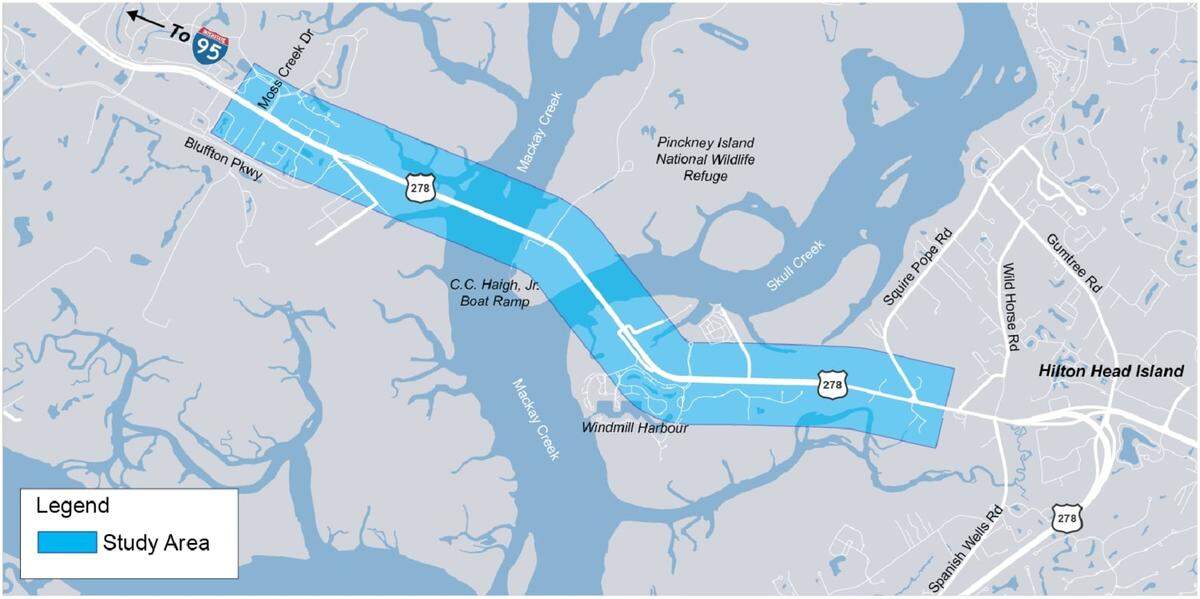
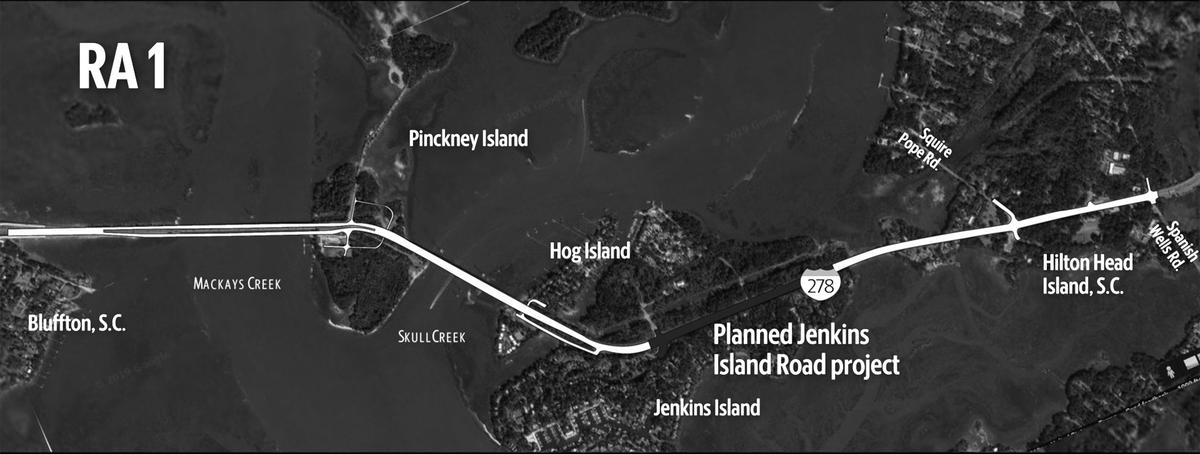
Alternative 1: Closest to the original configuration of the bridges to Hilton Head. The plan would build a new bridge over Mackays Creek south of the existing eastbound lanes and demolish the old lanes. The access point to Pinckney Island would incorporate an underpass to allow only right turns from U.S. 278.
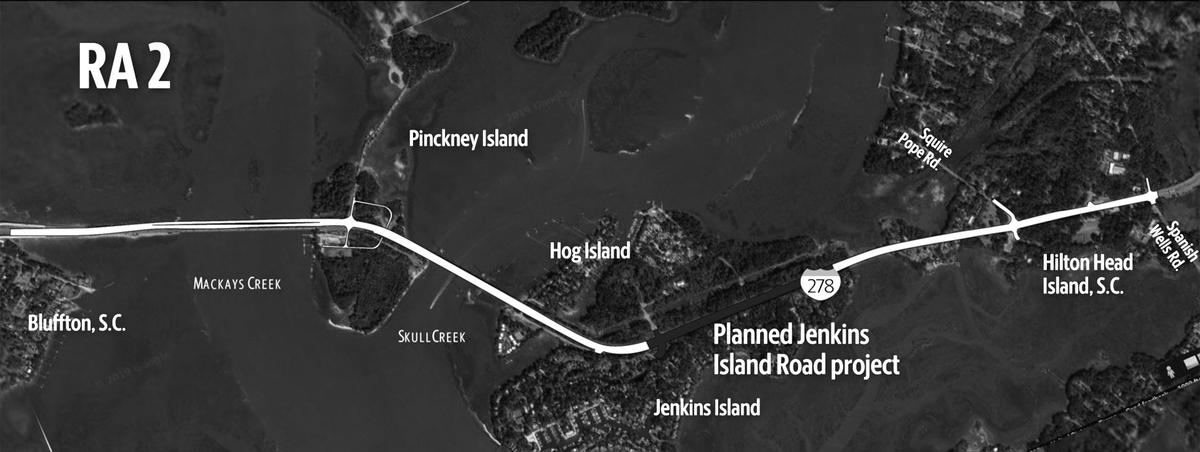
Alternative 2: The second alternative would also maintain the configuration of the corridor. A new bridge would be built north of the existing lanes over Mackays Creek, and the eastbound bridge to Pinckney Island would be demolished. The existing westbound lanes would be switched to eastbound from Bluffton, and westbound traffic would use the new bridge.
Alternative 3: In this plan, there would be two new eastbound bridges: One over Mackays Creek and one over Skull Creek. The existing eastbound Mackays Creek bridge would be demolished, and the existing bridges over Skull Creek would be converted to westbound lanes.
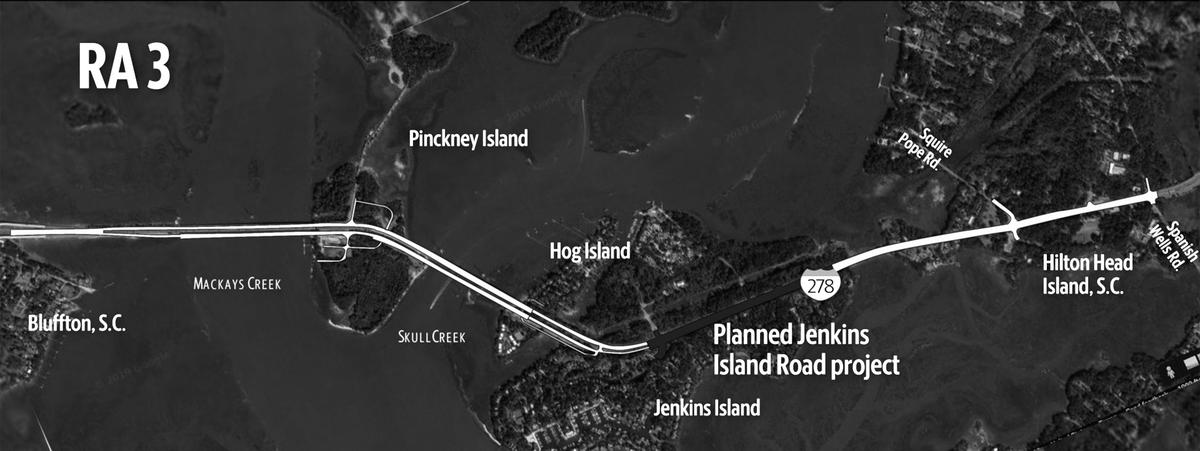
Alternative 4: In the fourth alternative, crews would build an entirely new bridge significantly south of the existing roadway. A new, six-lane bridge would start at the base of the Bluffton flyover and head east, crossing Pinckney Island south of the C.C. Haigh Jr. boat landing, and crossing Skull Creek south of the old bridges. All four existing bridges between Bluffton and Hilton Head Island would be demolished.
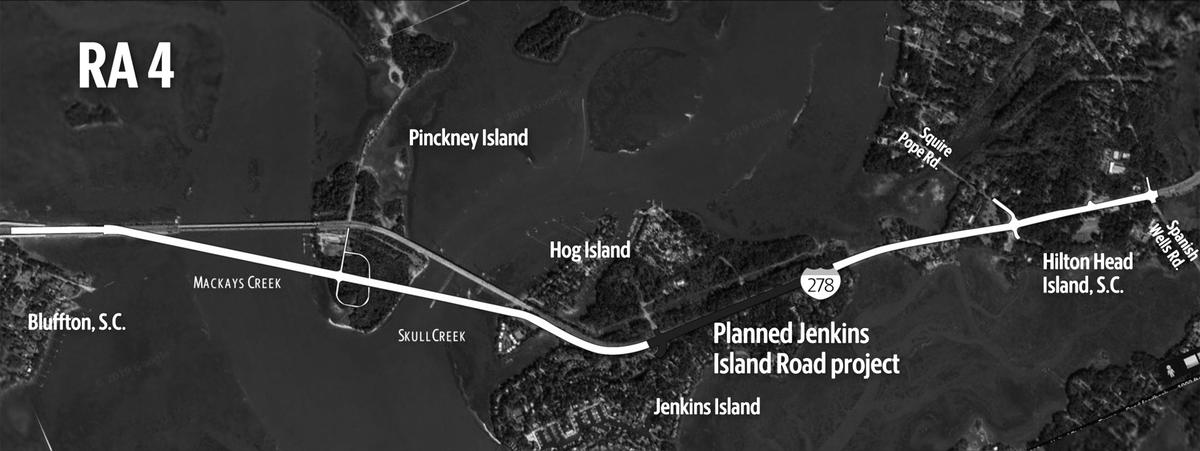
Alternative 5: This plan would add two new bridges next to the old ones: One over Mackays Creek and one over Skull Creek. The existing eastbound Mackays Creek bridge would be demolished.
It also includes a completely different approach from Skull Creek to Spanish Wells in which a six-lane bridge from Jenkins Island to the Cross Island Parkway would cross marshland and historic communities north of the highway.
That bridge would cross the marsh north, running to Squire Pope Road, before meeting existing U.S. 278 at Spanish Wells Road.
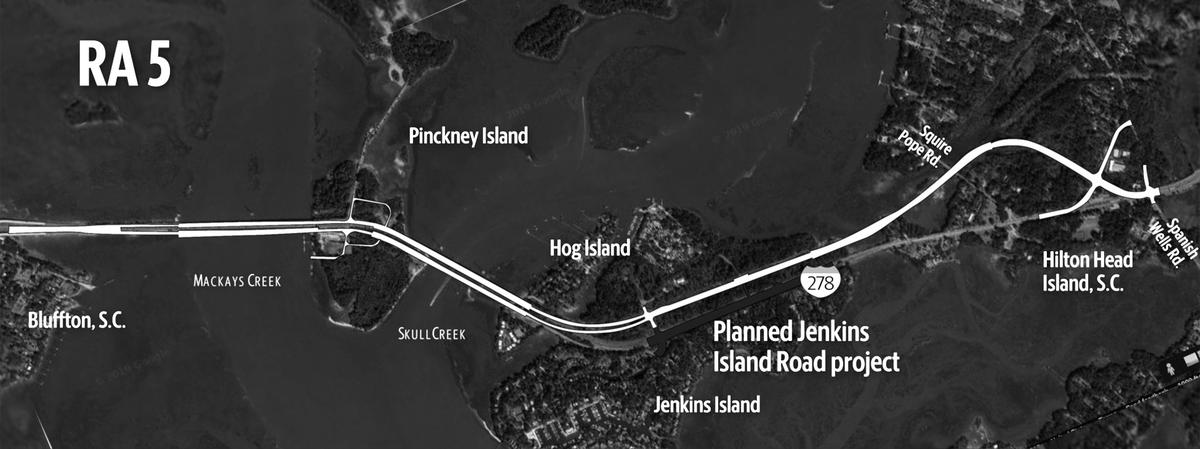
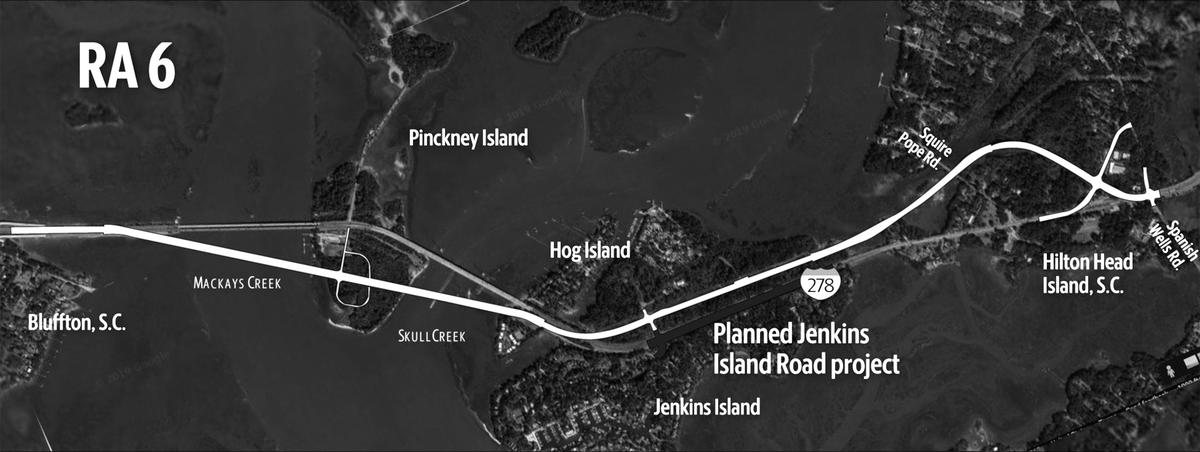
Alternative 6: The final alternative is a combination of two others by building two new bridges. A new, six-lane bridge would start at the base of the Bluffton flyover and head east, crossing Pinckney Island south of the C.C. Haigh Jr. boat landing, and crossing Skull Creek south of the old bridges.
A second new bridge from Jenkins Island to the Cross Island Parkway would cross marshland and historic communities north of the highway on Hilton Head.
This story was originally published February 19, 2020 at 12:52 PM.