What to do if you find an alligator in your backyard (or anywhere else) on Hilton Head
Most island residents (and some visitors) have been there: You’re on a tranquil walk in early spring or outside reading a book, and an alligator creeps into view. You squint to make sure you’re seeing what you thought you saw.
In a perfect world, you stay calm and give the animal some distance.
Spring time is mating season for the American Alligator, which means you’re more likely to see males moving between lagoons to meet their mates between April and early June.
Alligators, native to Hilton Head and Beaufort County, can grow to 12 feet long. They are often found sunning themselves on the sides of ponds or lagoons.
If you come across one, you should keep your distance. Approaching or feeding an alligator is one of the worst things you can do for you and the animal, according to the S.C. Department of Natural Resources.
When alligators associate humans with food, they’re more likely to come toward them and be perceived as threatening. When they’re removed from backyards, properties or lagoons, they’re typically euthanized.
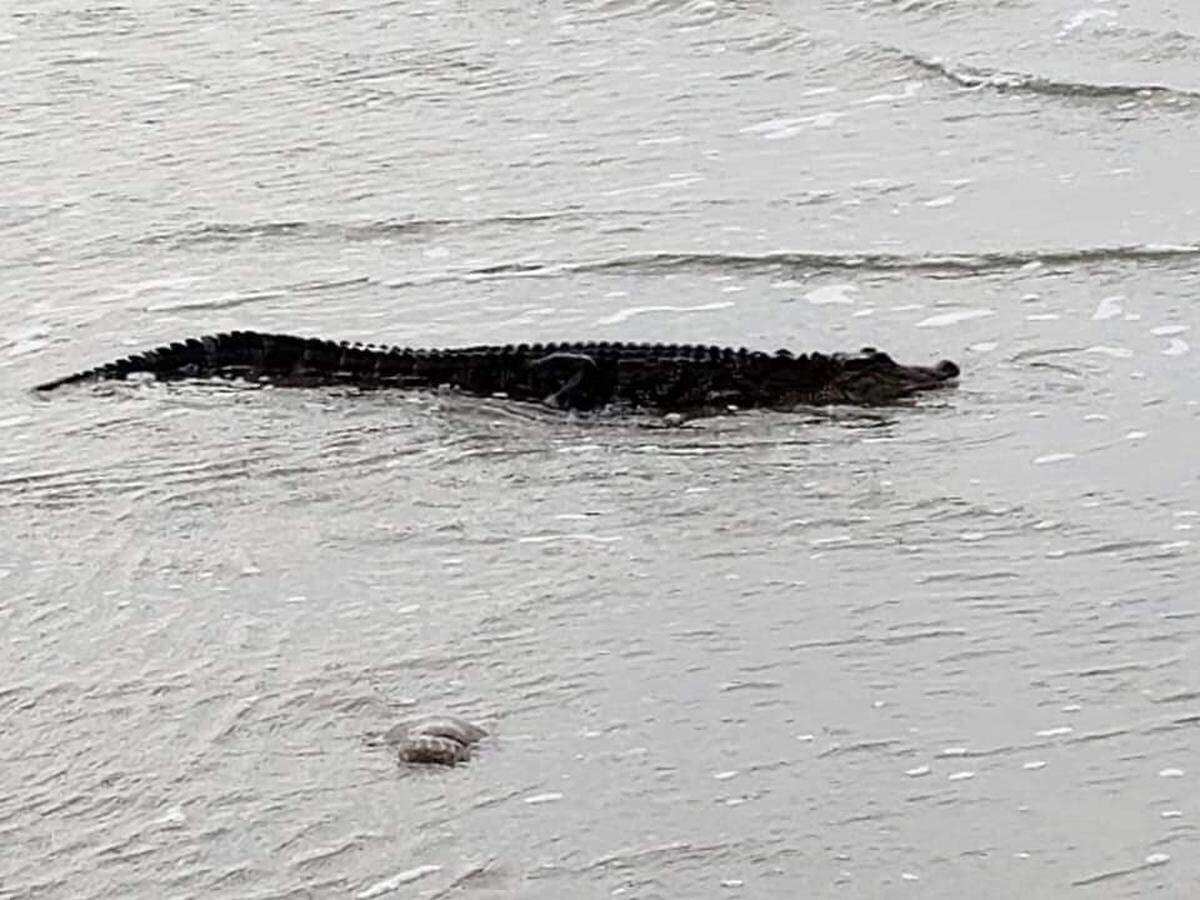
What to do when you see an alligator...
- At the beach: If an alligator is swimming in the water or on the beach, tell a lifeguard and get out of the water. Alligators can only survive in salt water for a couple of days.
- On the golf course: Clear the area and maintain safe distance. Allow the alligator to get to its destination and warn other golfers. Report the alligator sighting to the clubhouse.
- On a bike path or in a public park: Keep your distance and encourage other riders or park users to do the same. Allow the animal to pass.
- In your backyard: Stay inside and keep track of children and pets. Report the alligator to your property owners’ association or, if necessary, the Beaufort County Sheriff’s Office. Options for removal and euthanasia are below.
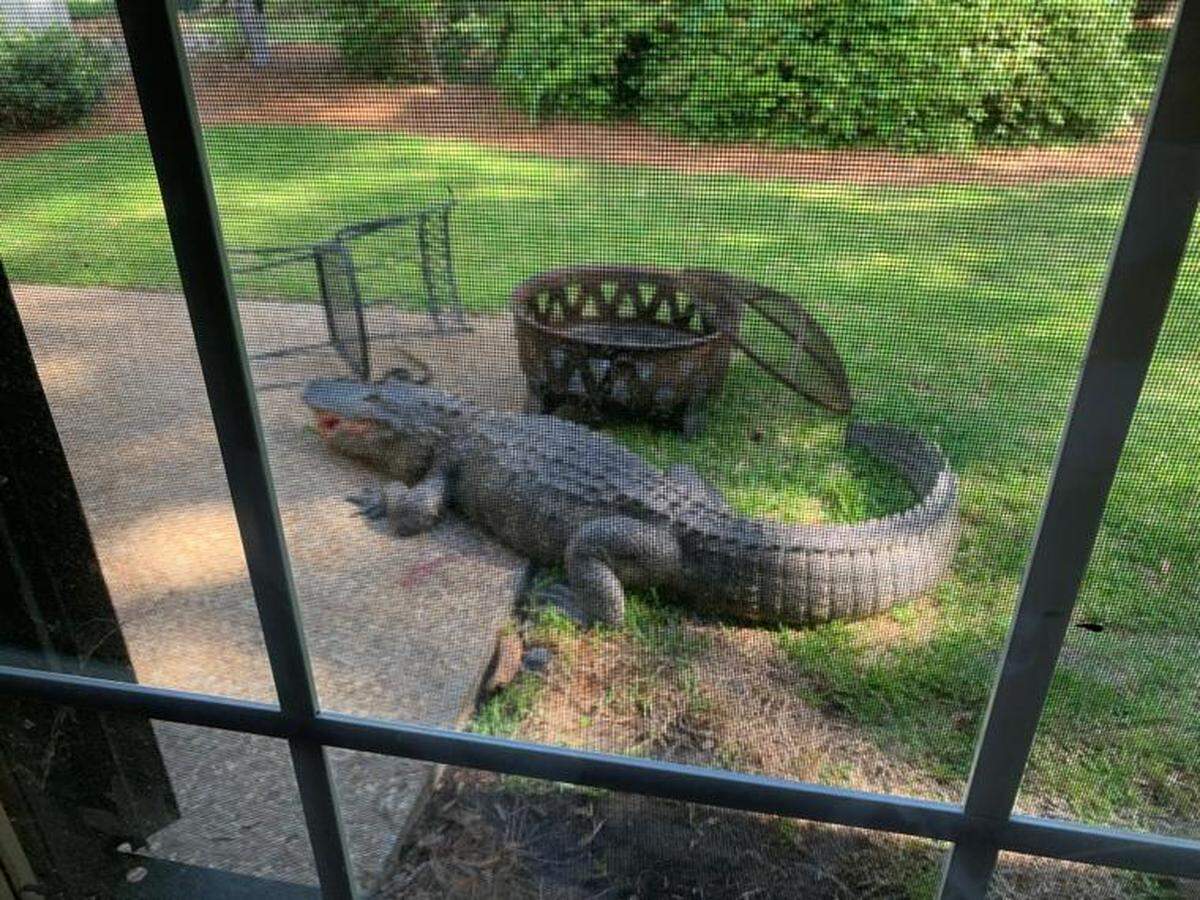
If an alligator does not appear aggressive, you can keep your distance and let the animal be in nearly all circumstances.
When an alligator begins to threaten people or pets, it may be time to discuss removal with the SCDNR.
SCDNR’s helpline, (800) 922-5431, will connect you with a biologist and help you determine what the next steps should be, according to agency spokesperson David Lucas.
Not all alligators have to be removed and euthanized. Community security guards sometimes relocate small alligators to other lagoons in the same neighborhood.
Here are your options for removal of an alligator:
Non-emergency removal: If you see an alligator that is not immediately threatening your safety but is of concern, you can call SCNDR at (800) 922-5431 and a biologist will talk you through your options.
If it’s decided the alligator should be removed, you can apply for a free removal permit and either remove the animal yourself or contract with a wildlife management company to do so.
A change to permitting rules on Hilton Head in April means you will no longer be able to use a town permit and tag to remove the alligator, but Lucas said that happened very rarely.
Emergency removal: If an alligator is acting aggressively or threatening safety, Lucas said property owners should call 911 and report what’s going on.
The 911 operator will contact SCDNR and its contracted agents to remove the alligator with a permit.
You should not approach or attempt to remove an alligator that is a safety threat. Nothing about that process has changed, Lucas said.