‘Glad they listened’: Deer cull postponed in Hilton Head gated community after blowback
A mid-island gated community’s board of directors voted Monday to postpone a selective deer kill, or cull, that would have legally eliminated 25 deer in the coming month.
The move by Palmetto Dunes comes after three weeks of push-back from some residents. They question the reasons for the cull, complain that it’s the wrong way to control the deer population, and say they don’t feel represented by the board.
The board notified residents by email of the postponement. “Over the coming months, the board will ... implement a deer management program including community education, collecting owner feedback, goal setting, etc.,” the board wrote. “This approach is consistent with feedback from some owners who indicated they would like to share their thoughts on this topic prior to implementing the cull.”
The cull has not be rescheduled, but Palmetto Dunes will conduct another annual deer survey in early fall to determine how many are in the community, the message to owners said.
“We realized a one-off cull this February is probably not going to be productive,” Palmetto Dunes CEO Andrew Schumacher told The Island Packet on Tuesday.
The selective killing of deer was approved at a January board meeting, and was to be completed by the end of February, the S.C. Department of Natural Resources’ deadline for deer culling. The board and Schumacher said the cull was necessary to prevent future vehicle accidents with deer and destruction of gardens and landscaping.
But residents were incensed by the idea of a sharpshooter patrolling their community at nighttime and shooting deer. Several attended Monday’s packed board meeting to voice their concerns.
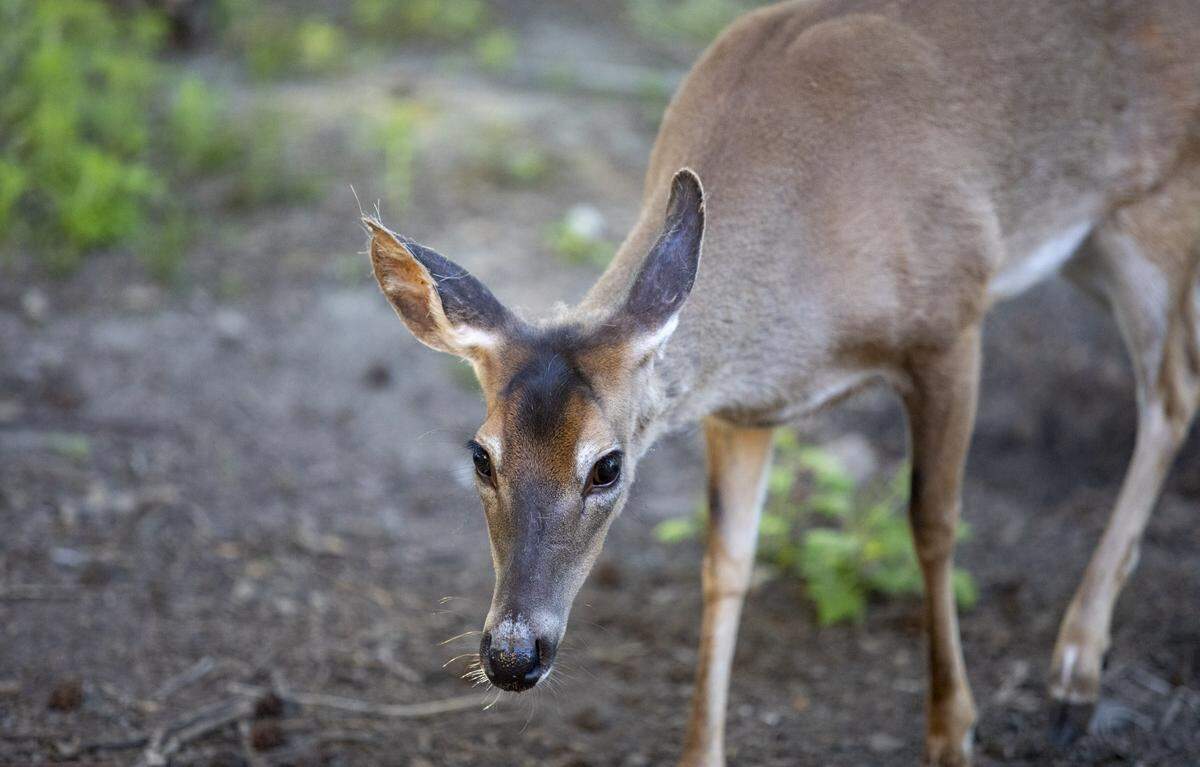
Culling as a practice was upheld in a 2001 state Supreme Court decision that allowed the lethal elimination of deer in Sea Pines on Hilton Head.
For some, the cull is representative of a bigger issue.
“There needs to be more transparency from this board,” resident Doreen DeSa told The Island Packet. “I plan to attend every single board meeting.”
DeSa said she’s concerned because the Palmetto Dunes board is slated by a nominating committee, not elected by popular vote.
But the postponement gives her some hope.
“I feel that it’s a good thing,” she said. “I’m glad that they listened.”
A long history
Although this year’s cull would have been the first in Palmetto Dunes, the community is not the only one that has considered killing deer to control them.
Beaufort County has had a deer-culling program in place since 2000, according to previous reporting from The Island Packet.
Between 2000 and 2016, 5,030 deer were killed in Beaufort County’s gated communities.
State wildlife officials, general managers on Hilton Head and biologists consider the program a success, and said in 2016 that culling significantly reduced the number of deer-car collisions and complaints from residents about damaged landscaping.
“Over the years the amount of complaints have increased with respect to concern about natural areas and landscaping, as well as safety,” CEO Schumacher said in January. “We don’t want to wait for a huge uptick in accidents. ... That’s why were implementing this deer management program.”
Culling has historically helped ensure that healthy deer herds continue to reproduce, and kept the deer wary of humans.
Many gated communities either regularly participate in culling or have in the past, including Hilton Head Plantation, Indigo Run, Sea Pines, Leamington, Long Cove, Wexford and Palmetto Hall on Hilton Head Island; Belfair, Colleton River Plantation, Palmetto Bluff, Moss Creek and Berkeley Hall in Bluffton; Haig Point on Daufuskie Island; Oldfield and Callawassie Island in Okatie; and Bull Point Plantation, which is the only northern Beaufort County community in the program.
Palmetto Dunes had planned to process the meat from the culling and donate it to a local food bank, the community’s January statement said.
Donation to a food bank is required by the permit Palmetto Dunes received from the S.C. Department of Natural Resources on Jan. 3, and the community must document and register each animal once it’s donated.
It would have cost Palmetto Dunes $4,375 to cull and process the deer.
How does culling work?
Before any community can cull, it must first survey its deer population.
Palmetto Dunes, in partnership with Green Pond-based Folk Land Management, conducted surveys in 2014, 2016, 2017 and 2019.
The fall 2019 survey showed the deer density was high, and the surveyor recommended removing 25 deer. DNR said it must review the survey and findings and approve depredation permits and tags for deer culling.
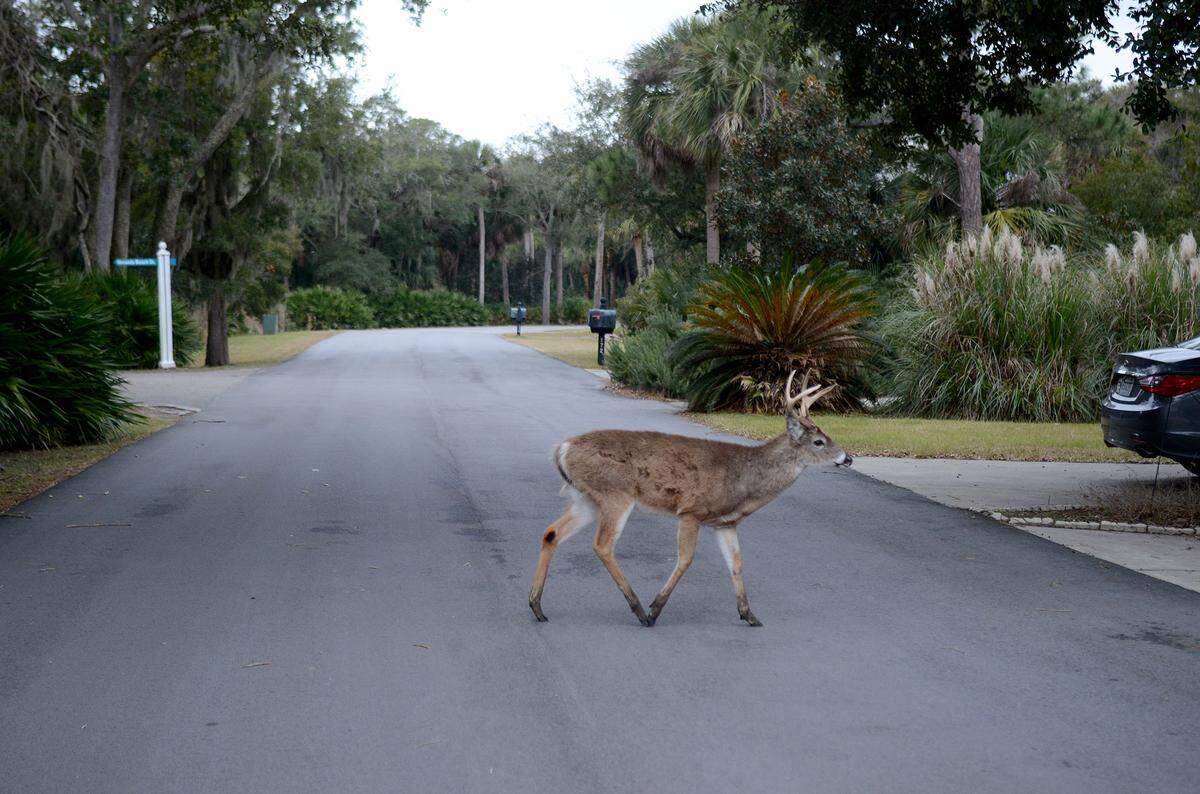
When culling actually happens, sharpshooters use pickup trucks or stands near open areas and take aim at nearby deer with the help of spotlights, The Island Packet has previously reported.
The culling areas are often baited with corn or other food to attract deer, or are known hot spots for deer activity. Some shooters remain stationary; others travel to various places.
The shooters also must use sound-suppressed rifles, which require a federal permit that can take six to eight months to obtain.
Deer can be shot only between 10 p.m. and 3 a.m.