Hilton Head gated community to shoot deer to curb crashes, ‘vegetative destruction’
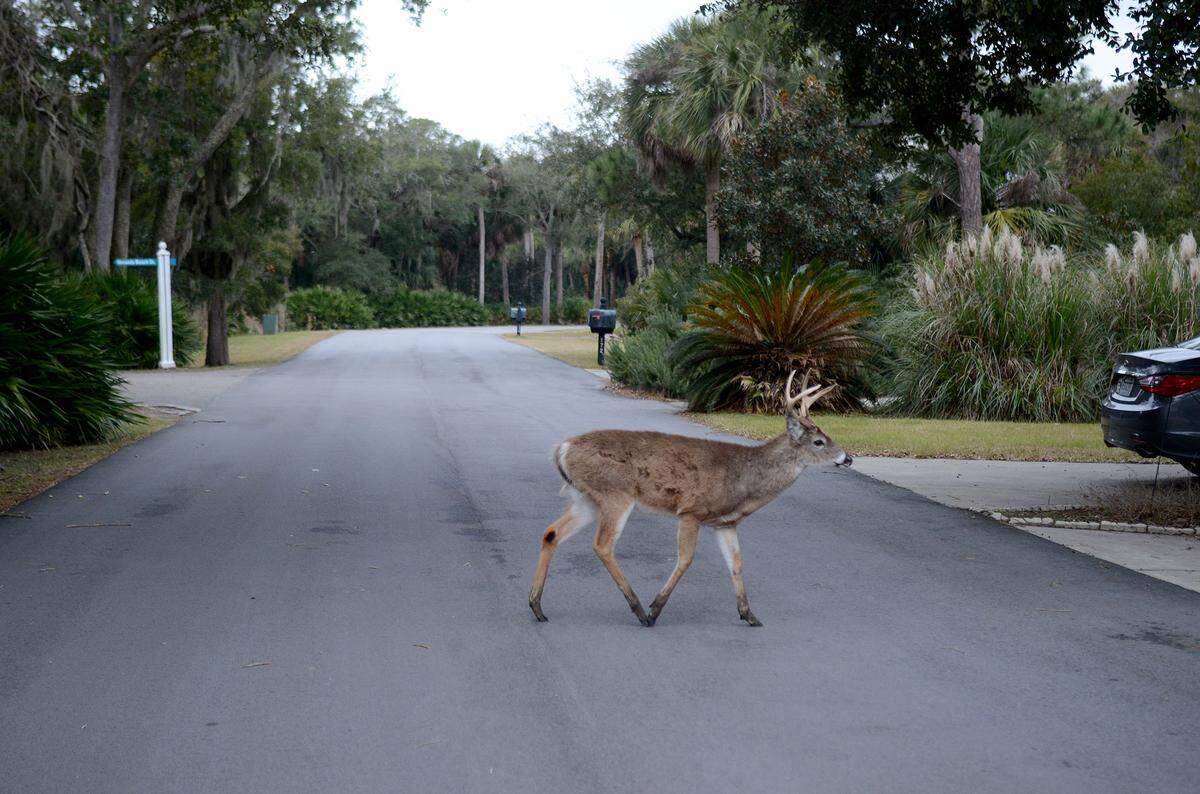
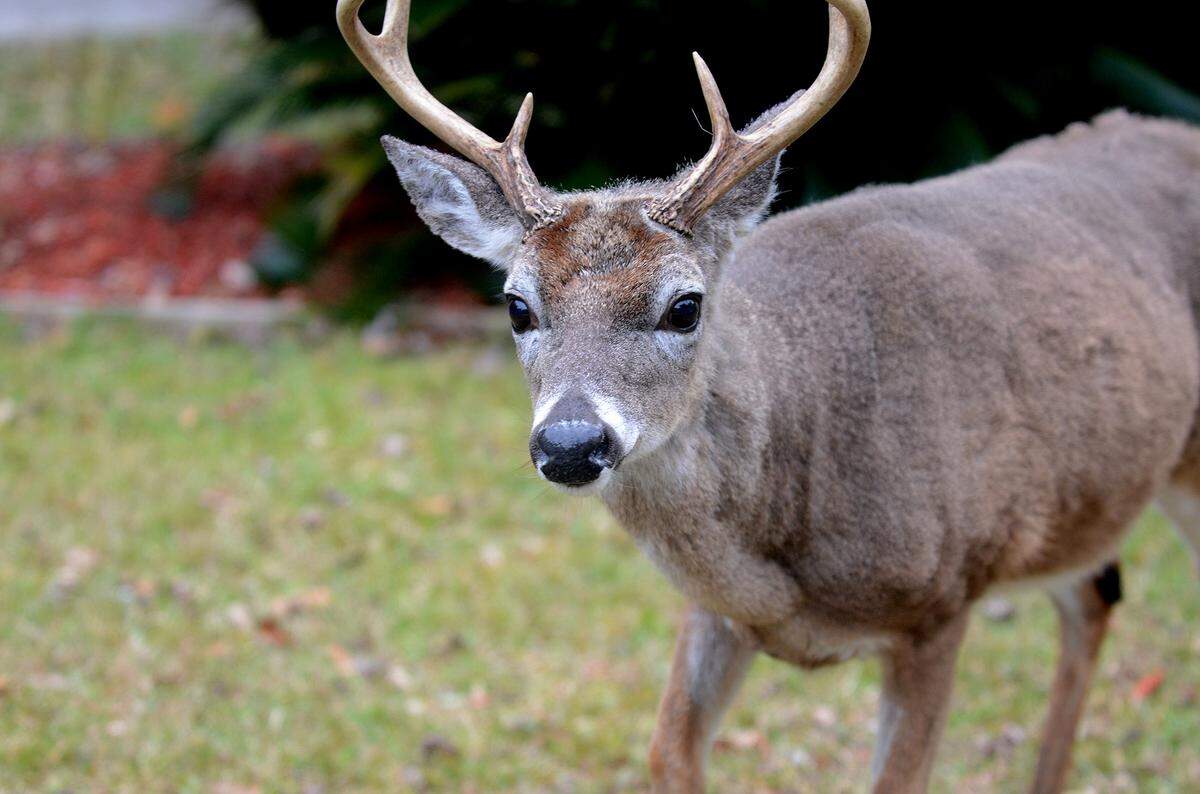
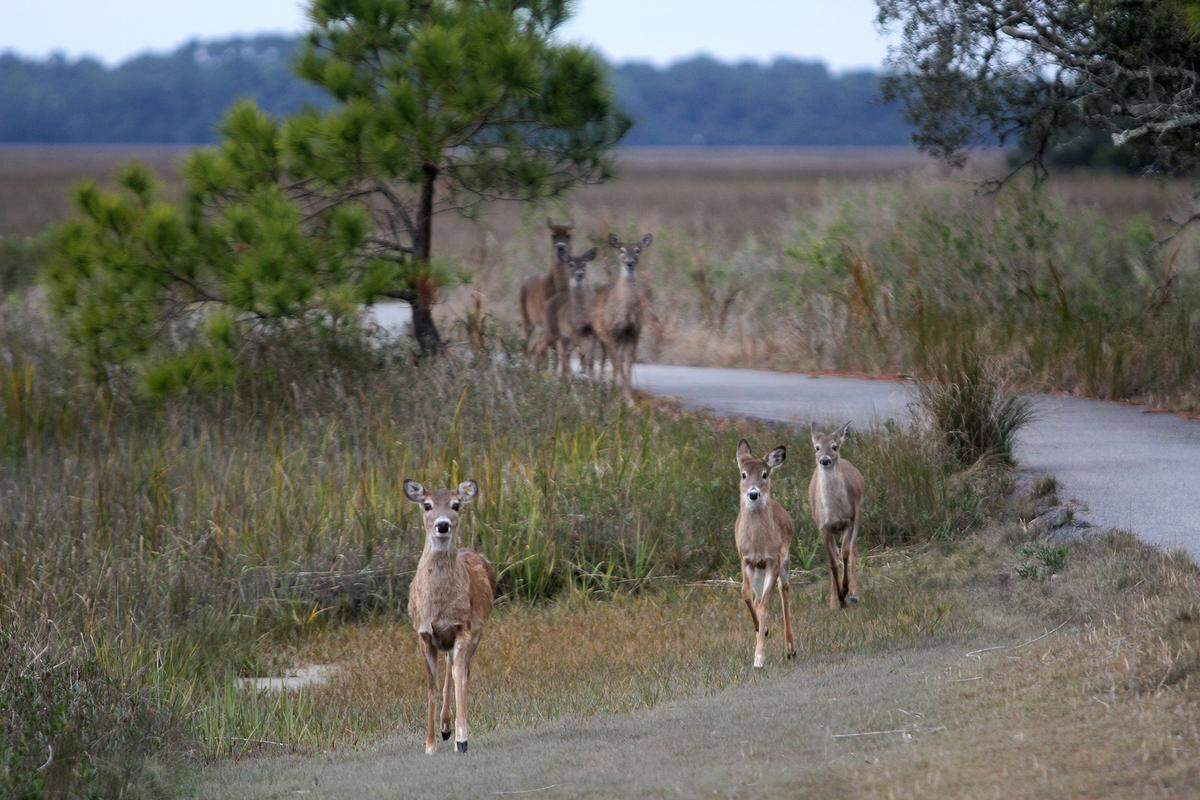
A gated community on Hilton Head Island is planning to kill 25 deer in the coming weeks, a planned, legal cull common in Beaufort County communities.
Palmetto Dunes, located mid-island and well known as a resort rental and residential neighborhood, confirmed plans in a Jan. 20 statement about its deer management program. The deer will be killed by the end of February, according to Palmetto Dunes CEO Andrew Schumacher.
“While deer add to the overall wildlife community in Palmetto Dunes, overpopulation of deer can be associated with vehicular accidents, ticks (Lyme disease) and vegetative destruction, both natural and landscaping,” the community said in a statement released Monday about the plans.
The act of selectively slaughtering wildlife to reduce their population is referred to as “culling.” The practice was upheld in a 2001 state Supreme Court decision that allowed the lethal elimination of deer in Sea Pines on Hilton Head.
But residents were incensed at the idea.
“It’s horrific to think that there’s going to be a sharpshooter in the community between 10 p.m. and 3 a.m.,” Doreen DeSa told The Island Packet. “We say we protect nature, but we kill things that bother us?”
DeSa, who lives in Palmetto Dunes, said she’s contacted PETA and her property owners’ association about the culling. She said she also disagrees with the way her POA board voted to approve the cull without community input.
Carol Russell, a resident and local Realtor, asked, “What happened to Hilton Head being designed around nature? .... I just cannot imagine a planned vacation community voting to have a sharpshooter shoot deer at night and not warn the public.”
Schumacher, the community’s CEO, said he understands that culling is an emotional issue.
“While we have not had a high rate of motor vehicle incidents or Lyme disease associated with deer in the past, the board needs to proactively be concerned with potential emerging safety concerns. In this instance, the board felt it needed to accept the expert’s advice to conduct a cull to manage the population,” the organization said in its statement.
Lyme Disease, a bacterial disease transmitted to people by deer ticks, is mostly found in ticks in the northeast, north central and Pacific coastal states, according to the S.C. Department of Health and Environmental Control.
“Lyme disease is rarely, if ever, fatal. Lyme Disease is rare, but does occur in South Carolina,” DHEC said.
A long history
Although this year’s cull will be the first in Palmetto Dunes, the community is not the only one that kills deer to control them.
Beaufort County has had a deer-culling program in place since 2000, according to previous reporting from The Island Packet.
Between 2000 and 2016, 5,030 deer were killed in Beaufort County’s gated communities.
State wildlife officials, general managers on Hilton Head and biologists consider the program a success, and said in 2016 that culling significantly reduced the number of deer-car collisions and complaints from residents about damaged landscaping.
“Over the years the amount of complaints have increased with respect to concern about natural areas and landscaping, as well as safety,” Schumacher said. “We don’t want to wait for a huge uptick in accidents. ... That’s why were implementing this deer management program”
Culling has historically helped ensure healthy deer herds continue to reproduce, and kept the deer wary of humans.
Many gated communities either regularly participate in culling or have in the past, including Hilton Head Plantation, Indigo Run, Sea Pines, Long Cove, Wexford and Palmetto Hall on Hilton Head Island; Belfair, Colleton River Plantation, Palmetto Bluff, Moss Creek and Berkeley Hall in Bluffton; Haig Point on Daufuskie Island; Oldfield and Callawassie Island in Okatie; and Bull Point Plantation, which is the only northern Beaufort County community in the program.
Leamington, a community located adjacent to and accessible by Palmetto Dunes, also participates in deer culling.
Melissa Teske, a Palmetto Dunes resident who also opposes the killing, said Leamington’s participation and her community’s concern about high deer population shows the practice won’t work.
“It’s ludicrous,” she said. “There aren’t Leamington deer and Palmetto Dunes deer. Nothing prevents them from wandering over.”
She added that many residents are “clueless” that the cull was being planned.
The 25 deer will be processed and donated to a local food bank, the community’s statement said.
Donation to a food bank is required by the permit Palmetto Dunes received from the S.C. Department of Natural Resources on Jan. 3, and the community must document and register each animal once it’s donated.
It will cost Palmetto Dunes $4,375 to cull and process the deer, the community said in its statement Monday.
How does culling work?
Before any community can cull, it must first survey its deer population.
Palmetto Dunes — in partnership with Green Pond-based Folk Land Management — conducted these surveys in 2014, 2016, 2017 and 2019, the statement says.
The fall 2019 survey showed the deer density was high, and the surveyor recommended removing 25 deer. DNR said it must review the survey and findings and approve depredation permits and tags for deer culling.
DeSa, the Palmetto Dunes resident, said that survey should be released to the community.
“I feel as a dues-paying resident in a community, we as residents have rights to see exactly what that survey says,” she said.
When culling actually happens, sharpshooters use pickup trucks or stands near open areas and take aim at nearby deer with the help of spotlights, The Island Packet has previously reported.
The culling areas are often baited with corn or other food to attract deer, or are known hotspots for deer activity. Some shooters remain stationary, while others travel to various places.
The shooters also must use sound-suppressed rifles, which require a federal permit that can take six to eight months to obtain.
Deer can be shot only between 10 p.m. and 3 a.m.
Other options?
Wildlife advocates have often pressured their communities to use different methods to control deer population and keep residents safe.
Between 2005 and 2011, Fripp Island relied on an experimental birth-control program to manage its herd, The Island Packet has previously reported.
The community worked with the Humane Society of the United States to shoot doe with darts to deliver the wildlife contraceptive porcine zona pellucida (PZP).
The researchers reported a reduction in the island’s herd from 600 to 300 deer.
But after the experiment ended, the island was unable to continue the program because PZP had not received federal approval.
SCDNR does not allow the relocation of deer, and tranquilized deer meat cannot be donated to food banks.
This story was originally published January 21, 2020 at 12:47 PM.