Permits, fees and red tape: What it takes to cut down a tree on Hilton Head
Hilton Head Island takes the protection of trees seriously.
The island’s beautiful live oaks, draped in Spanish moss, are symbols of its beauty.
They’re beloved by residents — until one falls onto your home.
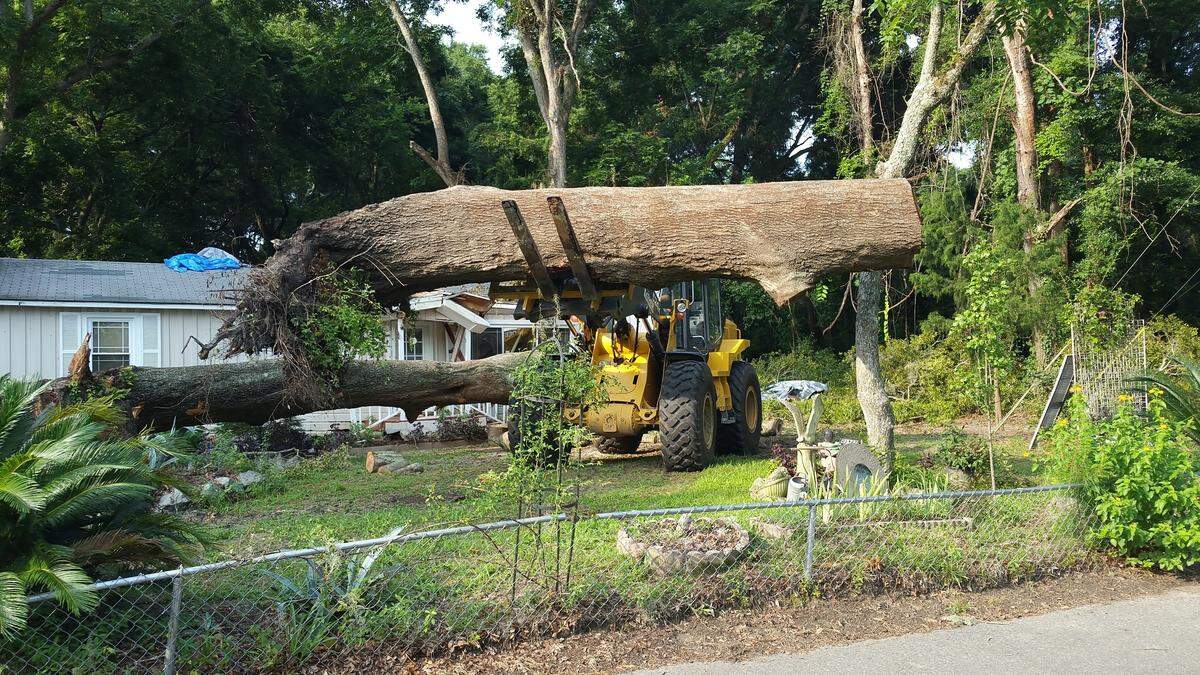
Getting a tree removed from your property on Hilton Head Island can be a costly and complicated process.
Residents must navigate a complicated web of permits and red tape set in place by local governments and homeowners’ associations.
Our how-to guide has everything you need to know about cutting down trees on Hilton Head Island.
Step 1: Ask why you want the tree removed
It’s not easy to get permission to cut down a tree on Hilton Head Island. You’ll typically need a strong reason to remove a tree, especially a live oak.
If the tree is sick, actively causing damage to your property, or close enough to your property that it could cause damage in the future, your chances of getting approved are higher.
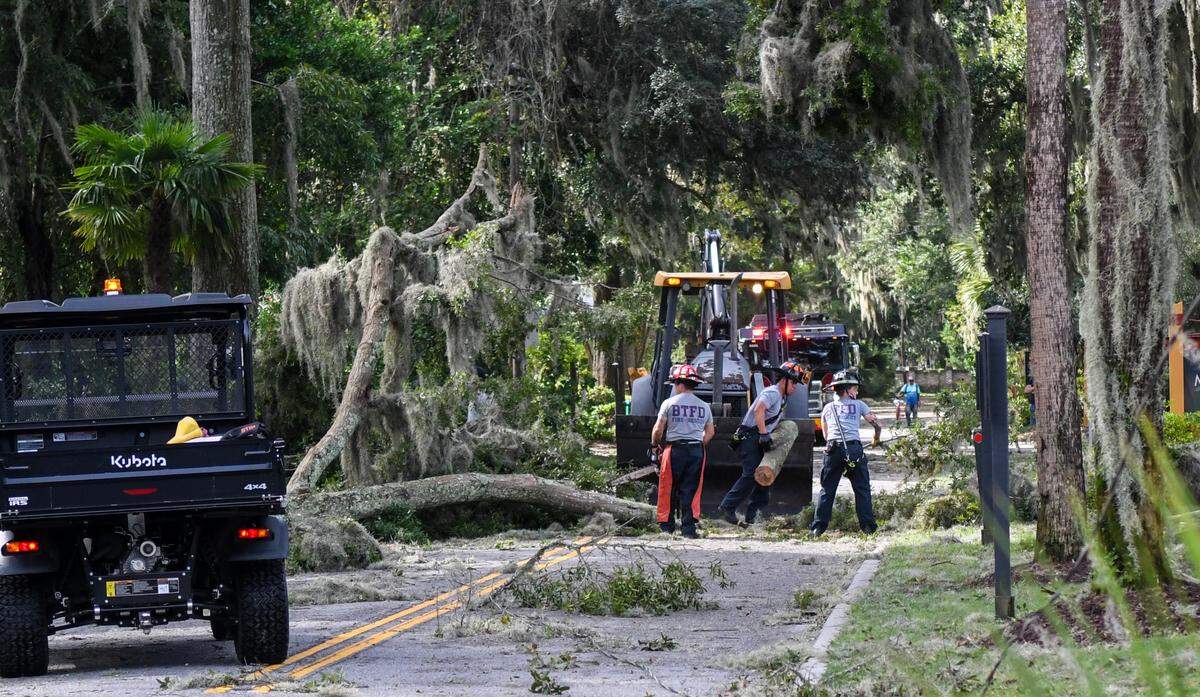
If you want to remove a healthy tree to build an addition to your home, install a backyard pool, put in a driveway, or just because you don’t like where it is, it’s unlikely you’ll get permission. New town tree protection laws make it extremely difficult for homeowners to get large, healthy trees removed for non-essential reasons, the Island Packet found.
Step 2: Assess the tree
The size, species, and location of your tree will have a great impact on how easy it will be to get it removed. Removal of live oak trees, a protected species on the island, can be extremely difficult to get approved.
Identify the species of tree. This can be done by a local arborist or by yourself, by looking at the leaves, bark, twigs, buds, flowers and fruit of the tree. The Clemson University Cooperative Extension Service has a guide to familiar trees in South Carolina that can help you identify your tree. There are also apps to help people identify trees, but be aware that they can be inaccurate.
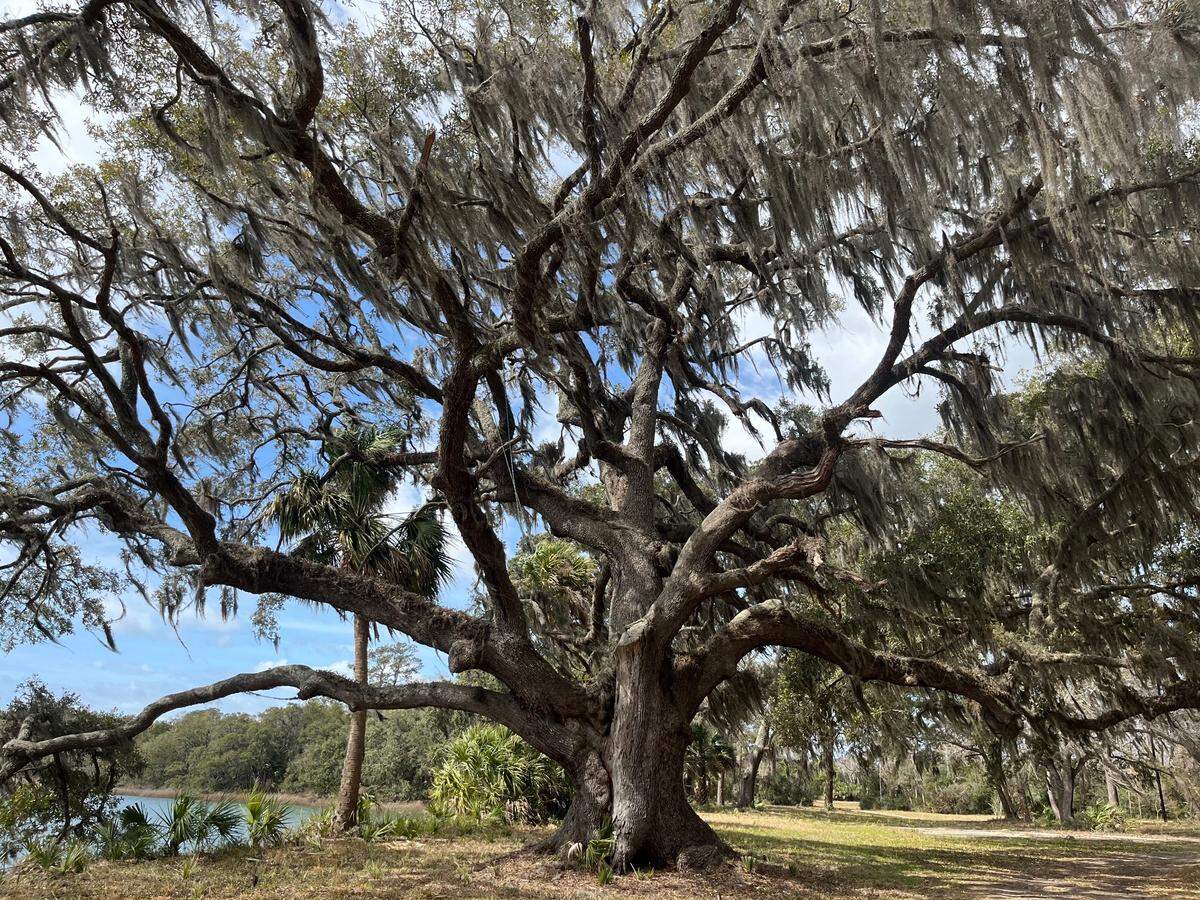
The diameter is the width of the tree when measured straight across. By standard, the diameter at breast height, or DBH, is measured 4.5 feet above the ground. A little bit of fourth-grade math can help you here. Wrap measuring tape around the tree to find its circumference. Divide that number by 3.14, or π. That’s your diameter.
If the diameter is 5 inches, you can typically remove it without a permit. At 6 inches or greater, you’ll likely need a permit.
Alternatively, you can call a local tree company to come and assess your tree. ArborNature will send an employee to your home to inspect your tree and provide you a quote free of cost, according to office manager Beth Pendleton.
After determining the tree species and size, review the town’s tree protection ordinance to find out if you have a “specimen” tree. Specimen trees are trees of endangered, threatened, or rare species that are larger than a certain diameter.
Single-trunk live oaks and laurel oaks above 30 inches in diameter are now considered “specimen” trees. See the full table below.
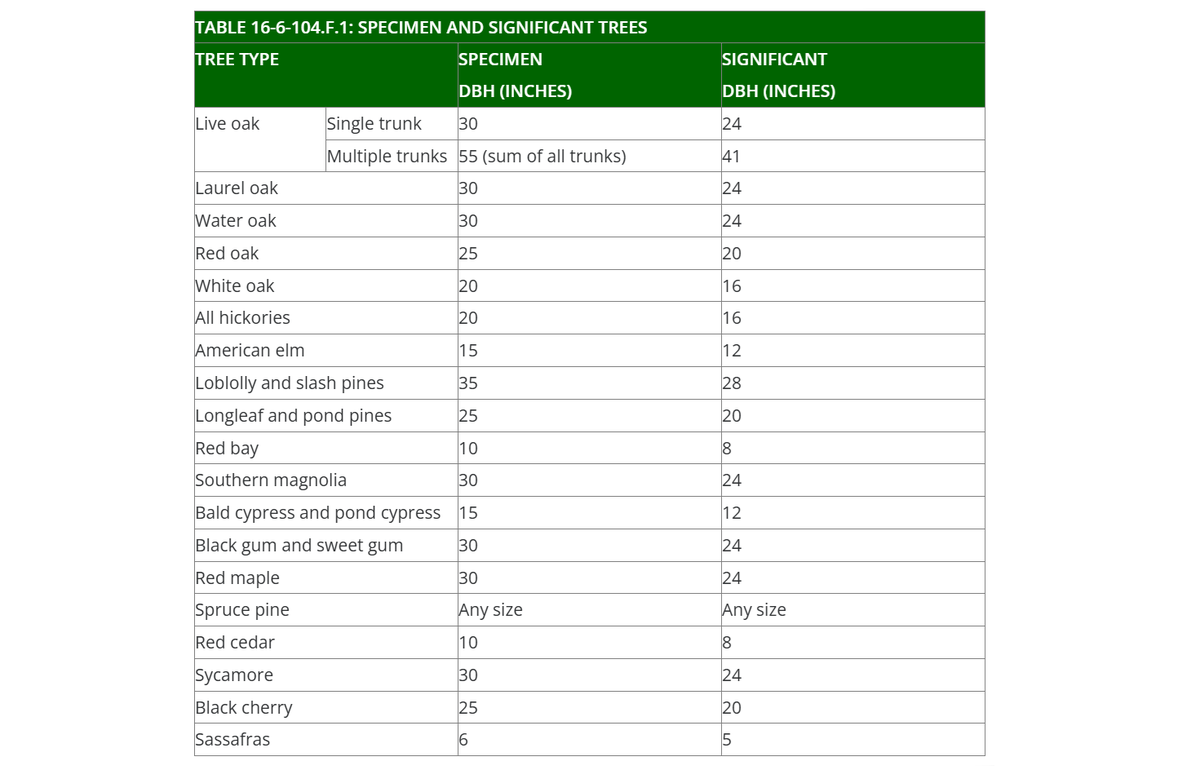
If you have a specimen tree, prepare for an uphill battle. The ordinance makes it unlawful to remove a specimen tree unless preserving it would cause you “unnecessary hardship.”
See Step 4 for how to prove your unnecessary hardship case.
Step 2: Get HOA/ARB approval
Tree removals in Hilton Head are typically subject to both the rules of the town and the rules of a homeowners’ association (HOA) or architectural review board (ARB).
ArborNature will typically handle the permitting process on behalf of the homeowner, according to Pendleton.
Most communities have some kind of approval process, which typically takes about one to two weeks, according to Pendleton.
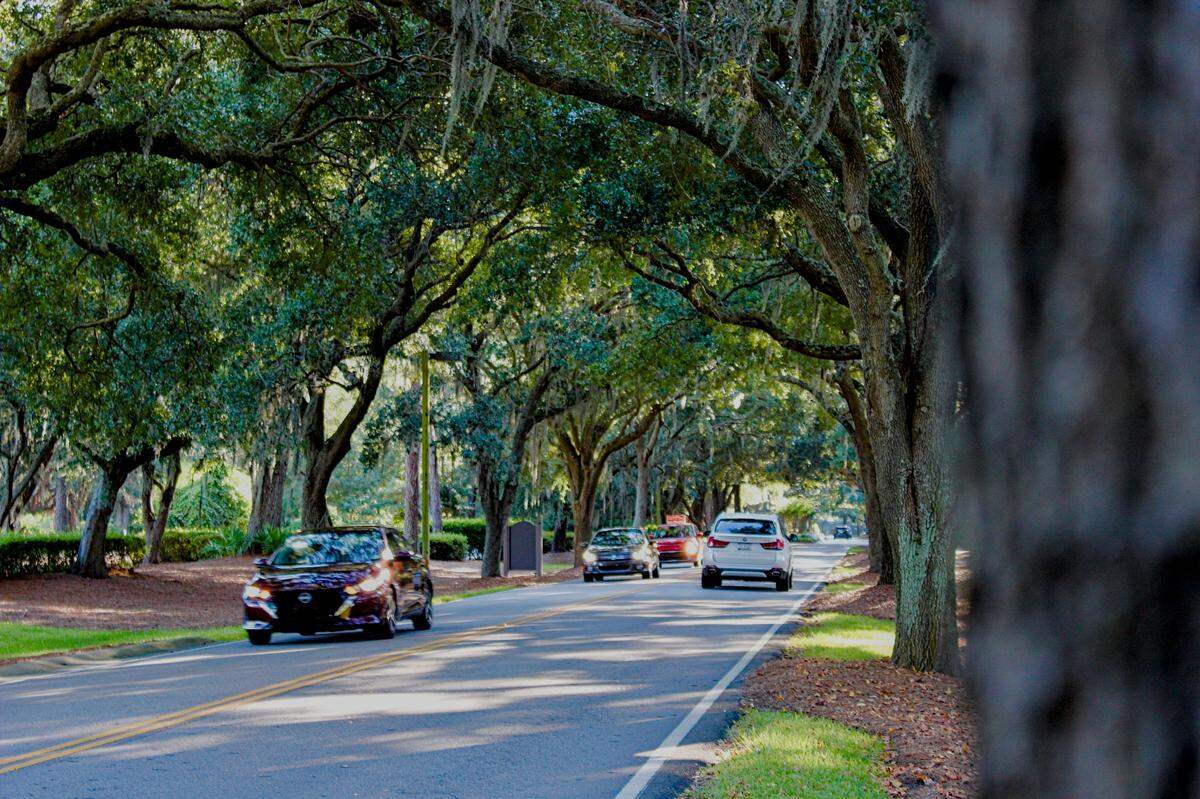
Each community will have its own rules, but in most cases, expect to be required to “mitigate” the tree removal either by planting additional trees on your property or by donating to a tree fund.
In Hilton Head Plantation, for example, homeowners must replant at least one tree for every 10 inches of diameter of the removed tree. Or, they can pay a fee of $75 per 10 inches. See here for exact rules and regulations for HHP.
Search through your POA policies or contact your POA office to find the rules for your neighborhood.
Step 3: Get town approval
A Natural Resources Permit is typically required to remove a tree over 6 inches in diameter on Hilton Head Island, Pendleton said. Your tree removal company may be able to handle the permitting process in concurrence with POA approval.
There is no fee associated with the application, but it includes its fair share of paperwork. You’ll need to attach a tree survey, a site development plan, a replacement tree planting schedule and photos of trees you want to remove as well as a brief summary of your plans, according to the town’s website.
You’ll also need to mark the tree with a bright-colored ribbon to help the inspector find it.
You can apply online or in-person at town hall. It typically takes about one to two weeks for your application to be processed, Pendleton said.
If you get approved, you’re good to go. If not, see step 4.
Step 4 (if Step 3 fails): Apply for zoning variance
If the town denies your request, you may have to request a zoning variance from the town. A zoning variance is a special exception granted by the Board of Zoning Appeals only if the law would cause you “unnecessary hardship.”
What constitutes an unnecessary hardship? Essentially, you’ll have to prove to the Board of Zoning Appeals that your property has some rare, unique characteristics that make it nearly impossible to develop and follow the law in the same way.
Town law lays out specific, narrow criteria for this exception.
- There must be “extraordinary and exceptional conditions” on the property;
- These conditions don’t apply to neighboring properties;
- These conditions “prohibit or unreasonably restrict” the utilization of the property, and;
- Granting the variance would not harm the neighborhood’s character or be of detriment to nearby properties.
How does this apply in real life? Let’s say a developer wants to clear a single-family lot to build a 4,000-square-foot home, but he discovers a 30-inch specimen tree in one quadrant. The developer may try to argue that the tree in the middle makes it impossible to build a home on the lot The board could poke holes in his argument by asking if he could preserve the tree by building a smaller home. If so, it’s possible that they could deny his request.
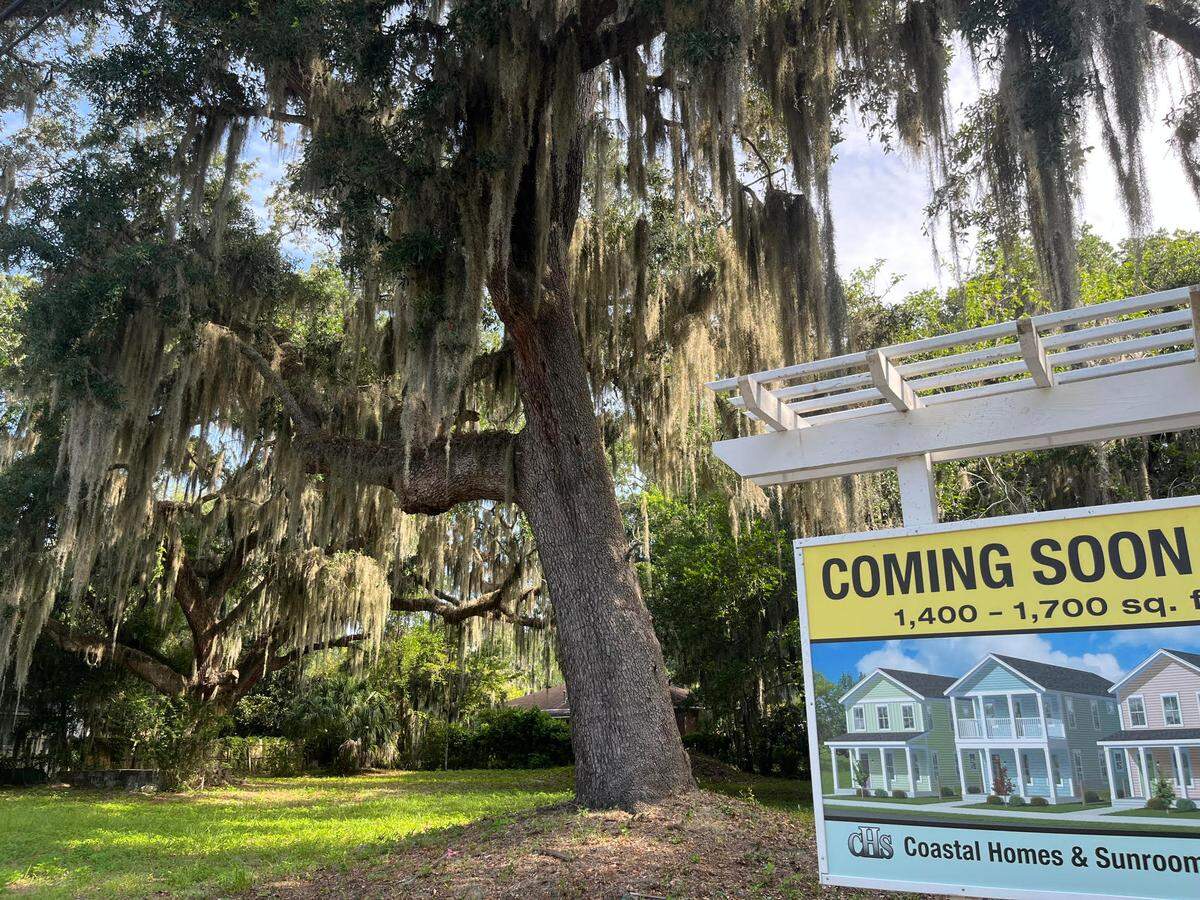
Here’s another real life example. On Monday, the Board of Zoning Appeals considered a request from a homeowner in Palmetto Dunes who sought to cut down a 36-inch specimen tree growing dangerously close to her property. The homeowner obtained an arborist’s report confirming that the tree would cause “catastrophic damage” to the home’s foundation unless it was removed. The report was crucial in proving to the board that the homeowner would face an unnecessary hardship if the tree was protected.
Even if you believe you have a good case, obtaining a zoning variance is a lengthy process.
First, gather your documents. You’ll need to fill out an application, and provide a written narrative explaining in detail why you meet all four criteria for “unnecessary hardship.” You’ll also need to provide a site plan showing the location of all trees on your property, an affidavit of ownership, and any additional supporting documentation.
The application doesn’t say what kind of supporting documentation would be needed for a tree permit. Based on our reporting, we think it’s a good idea to get an arborist to assess the risk the tree poses to your property.
File your application online or in person. You’ll have to pay a $250 filing fee.
All zoning variance requests require public hearings, and all public hearings require public notices. You’ll have to mail notices of your request to all property owners within 350 feet of your property. You can ask the town to provide a list for you, the application says, as well as a sample letter. The letters must be mailed by first class mail at least 15 days prior to your hearing.
Once you submit your application, you’ll need to wait at least 30 days for a hearing. The Board of Zoning Appeals meets once a month at town hall.
At the hearing, town staff will present the facts of the case. The board will allow you and members of the public to speak on the request before making a decision. Be warned: your neighbors may appear to speak against you.
The board may approve or deny your request. They may also opt to postpone a decision and ask you to come back to the next meeting with more information, such as an arborist’s report.
Why is this so hard?
It’s never been easy to cut down a tree on Hilton Head, but a new law passed last fall made it even tougher.
“It’s gotten stricter,” said Pendleton, who has worked for ArborNature for the past year. “It has definitely gotten harder to get a permit than it was when I first got here.”
Here’s why town officials tightened regulations on tree cutting.
Hilton Head has a tree protection ordinance that is supposed to prevent clear-cutting and require developers to design neighborhoods thoughtfully around trees, not through them.
But a former exemption for specimen trees on single-family lots opened the doors for large-scale residential developers to cut down swaths of forests with little oversight. The Jonesville Road development is a notorious example of the need for greater tree protection.
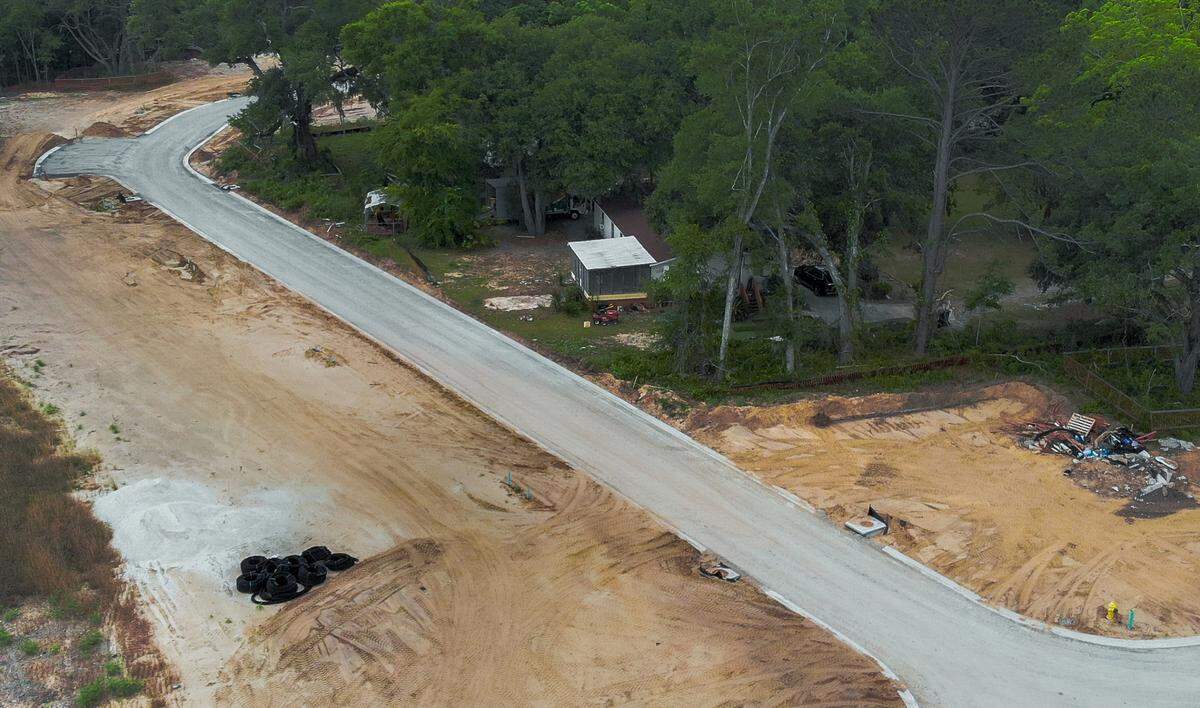
In an effort to protect more trees, the Hilton Head Island Town Council closed the single-family-lot loophole in August 2025. They also reduced the threshold for live oak and laurel oak trees to be considered “specimen” trees from 35 to 30 inches.