Hilton Head couple wants a backyard pool. One tree stands in their way
Daniel Kirchberg and his wife, Mary Ann, have lived in the Forest Beach neighborhood on Hilton Head Island for 10 years. A retired couple from Virginia, the Kirchbergs moved to Hilton Head for its natural beauty and peaceful atmosphere.
Their three-bedroom ranch-style home, constructed in 1972, is surrounded by majestic live oak trees draped in Spanish Moss. For years, they had no need for a backyard pool.
“We could walk to the beach,” Mr. Kirchberg said. “So we joked, ‘Oh, our pool’s right out there.’”
Five and a half years ago, that changed. While walking home from the beach, Mrs. Kirchberg tripped and fell, leaving her with a knee injury that still affects her mobility to this day.
The couple now wants to build a pool in their backyard so that Mrs. Kirchberg can exercise and regain her strength.
“Even just to walk back and forth with the resistance of the water, I think it’d be very helpful,” Mrs. Kirchberg said.
The problem? A majestic, three-foot-wide live oak tree stands in the Kirchbergs’ backyard, smack in the middle of where their new pool would be. A new law passed in August protects trees like this one on single-family lots, but makes it difficult — if not impossible — for homeowners to get clearance to remove them.
Mr. Kirchberg has spent weeks preparing his request to remove the tree and waiting for the town to hear his case. But at a Monday meeting of the Board of Zoning Appeals, the board delayed making a decision. He now has to come back to the board with an arborist’s opinion on whether the tree could cause damage to his home.
The board only meets once a month, so the pool will have to wait.
Mr. Kirchberg argues there are four other large live oak trees on his property that won’t be affected by the pool. He told The Packet he’d be “happy” to plant as many trees as needed to make up for the loss.
“To me, it’s common sense,” Mr. Kirchberg said. “It’s one tree.”
Why does this law exist?
The Kirchbergs’ pool aspirations are now caught in the crossfire of a decades-long battle to protect the natural beauty of Hilton Head Island.
Hilton Head’s tree protection ordinance is supposed to prevent clear-cutting and require developers to design neighborhoods thoughtfully around trees, not through them. But a former exemption for single-family lots opened the doors for large-scale residential developers to cut down swaths of forests without oversight.
It’s a tough balance to strike. Most Hilton Head residents want to protect the natural beauty they came here for, but many also want the freedom to do as they like with their own property.
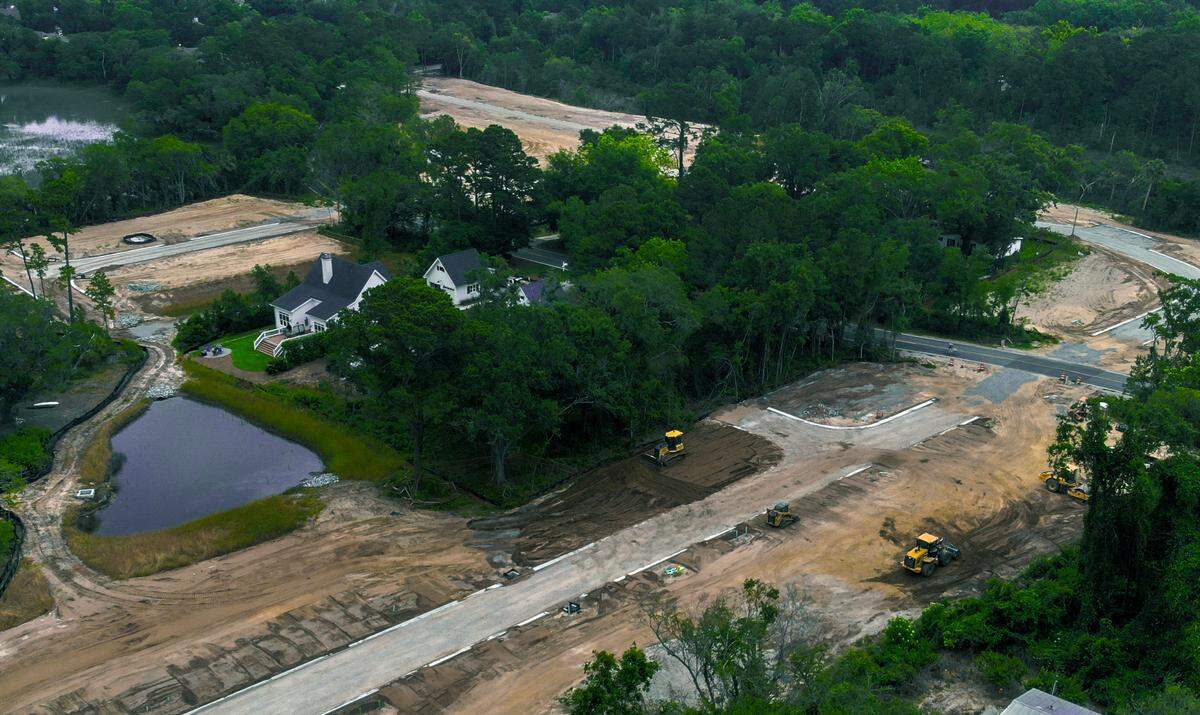
Trees wider than a certain threshold are considered “specimen trees,” by the Town of Hilton Head Island; the threshold varies by species.
In an effort to protect more trees, the Hilton Head Island Town Council closed the single-family-lot loophoole in August 2025. They also reduced the threshold for live oak and laurel oak trees to be considered “specimen” trees from 35 to 30 inches.
As a result, homeowners wanting to remove specimen trees from their property now have to go through the long, arduous and costly process of obtaining a zoning variance from the Board of Zoning Appeals.
In order to be granted a zoning variance, homeowners have to prove that protecting the tree would result in “unnecessary hardship.”
Zoning law lays out very limited criteria for what constitutes an “unnecessary hardship.”
- There must be “extraordinary and exceptional conditions” on the property;
- These conditions don’t apply to neighboring properties;
- These conditions “prohibit or unreasonably restrict” the utilization of the property, and;
- Granting the variance would not harm the neighborhood’s character or be of detriment to nearby properties.
A mountain of paperwork
Mr. Kirchberg said he spent “weeks” navigating the process and gathering all the paperwork he needed for his application.
He dug up site plans and supplied an affidavit of ownership proving that he owned the property. He supplied a detailed narrative explaining why he met all the criteria for an “unnecessary hardship,” but was told by staff not to discuss his wife’s injury in the application.
He also had to mail a letter to every property owner within a 350-foot radius notifying them of his request to cut down a tree. Luckily, town staff provided him with a list of names and addresses. Each of the 50 letters cost him $0.78 in postage. One of the recipients on the list was the Town of Hilton Head Island.
After paying a $250 application fee, Mr. Kirchberg waited for his public hearing. The Board of Zoning Appeals meets once a month, and the deadline to get on the agenda is 30 days before each meeting.
“I was hoping to get in the March one,” Mr. Kirchberg said. “But I was told no, it’s 30 days.”
Tree removal stumps board
Monday’s meeting of the Board of Zoning Appeals marked the first time the board has weighed on tree removals on single-family lots since the old exemption was lifted.
The board reviewed two removal requests that day. The first seemed pretty cut-and-dry.
A Palmetto Dunes homeowner sought to remove a 36-inch tree growing dangerously close to her property. The homeowner obtained an arborist’s report confirming that the tree would cause “catastrophic damage” to the home’s foundation unless it was removed.
The board approved this request without much friction. The arborist’s opinion for removal helped make the decision more “comfortable,” board members said.
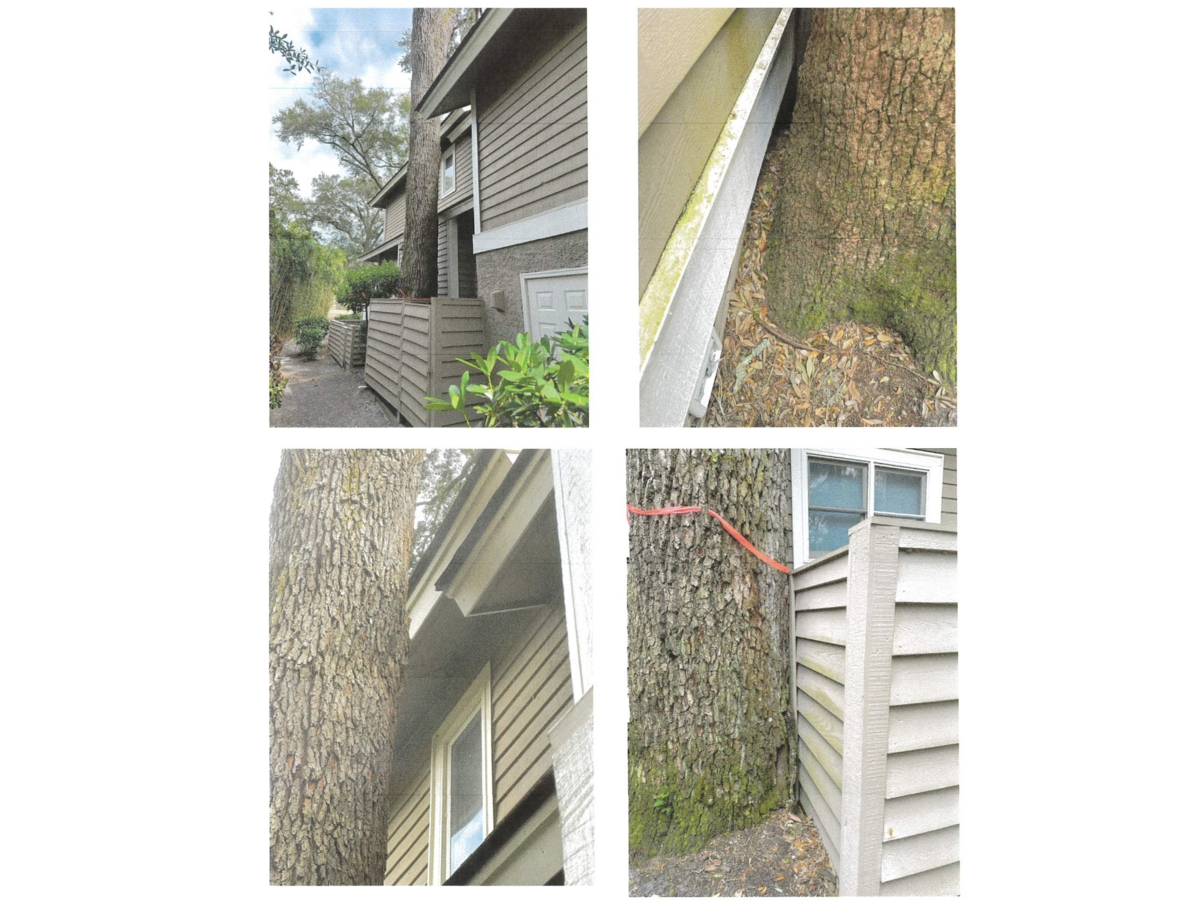
The Kirchbergs’ request, however, stumped the board.
Under the law, the board can only grant a zoning variance if the applicant meets all the criteria for an “unnecessary hardship.”
Board members questioned whether not being allowed to build a pool constituted an “unnecessary hardship” under the law. Because Mr. Kirchberg was instructed not to talk about his wife’s injury in his application, the board wasn’t able to take that into account.
“I’m having a hard time with this one,” said board member Peter Kristian, who is also the general manager of Hilton Head Plantation. “A home may be a requirement on a lot, but a pool is not a requirement on a lot. And the tree isn’t causing any damage to the home.”
Board member Jeffery Greene took a different stance. “Today, it may not be causing harm to the house, but eventually its root system will,” Greene said.
“I’m really kind of torn here,” said Amy Fee, who also sits on the board for the Forest Beach Owners’ Association.
Fee, a resident of Forest Beach, said she bought her home when it was still “Forest Beach.” The neighborhood gets its name from the lush maritime forests that once cloaked the streets under its dense canopy. Some residents feel that the town has failed to protect the area from overdevelopment and clear-cutting.
“We have experienced, one tree at a time, death by a thousand cuts,” Fee said.
The board suggested that if the Kirchbergs came back with an arborist’s report, that could help them make a more informed decision. Mr. Kirchberg agreed, so the board moved to delay making a decision for now.
What’s next?
Interviewed at his home in Forest Beach after the meeting, Mr. Kirchberg said he’s already sunk $20,000 into the pool project that he won’t get back if his request is denied.
It may take him only a few days to hire an arborist to come look at his tree, but the move will cost him at least another 30 days as he waits for the next board meeting. The board only meets once a month, if at all — meetings are frequently cancelled due to lack of quorum.
When the Kirchbergs bought their home, they never planned on cutting down the tree. After they built an addition to their home, they even fertilized the massive tree to keep it healthy.
Now, Mr. Kirchberg feels as though he’s being “punished” for not cutting the tree down earlier. The two are against clear-cutting, but Mr. Kichberg argues the laws should follow “common sense.”
“It just becomes lunacy when humans are secondary to a tree,” Mr. Kirchberg said.
This story was originally published April 29, 2026 at 10:25 AM.