Busier than usual hurricane season predicted. How prepared is Hilton Head Island?
Only a week into the Atlantic hurricane season and weather experts caution that the six-month stretch will bring more named storms than last year.
There is a “strong consensus” that the season will be “active to hyperactive,” said Frank Strait, South Carolina’s severe weather liaison. Ocean temperatures across the North Atlantic Basin’s Main Development Region are warmer than average, which is one of the major drivers, Strait said. The second is La Niña — when waters in the equatorial East Pacific are cooler than average — conditions in the East Pacific that favor more Atlantic tropical cyclone activity because wind shear is less.
“These forecasts strictly apply to the number of storms that will occur this year and do not attempt to forecast where the storms will go and how many will make landfall in South Carolina,” Strait said.
Regardless of a predicted busy hurricane season, Thomas Dunn, Hilton Head’s emergency manager, said the number of predicted storms doesn’t impact the town’s preparation because it only takes one to significantly impact the island.
When Hurricane Matthew hit Hilton Head on Oct. 8, 2016, as a Category 2 storm, it flooded the island, felled thousands of trees and ate away at dunes and the shoreline. It caused $51 million in damages. Rattling the island as a tropical storm Sept. 11, 2017, Irma’s wrath resulted in $1.3 million in structural damage.
Dunn said the experiences further informed the town’s planning processes, leading it to tighten up its emergency operations plan and ensuring consistency of execution. It’s the sort of preparation that is as broad as laying out next-day objectives like how many staff and what equipment are needed to something as granular as whether a fuel truck is filled.
“Once we get into that cone and we’re thinking that there may be some impact us, we begin that process on a smaller scale,” Dunn said. “And then (the preparation process) gets a little bit larger, like there’s more things to do as the storm gets closer.”
The storms’ impacts also made clearer that documentation was critical in the town’s disaster recovery in order to apply for FEMA reimbursement.
Is the town prepared if another devastating hurricane were to hit the island? From an official standpoint, Dunn says yes. Real-world experience like that of Matthew and Irma helps in both future preparation and response.
But much of what makes the process more efficient and safer falls on individual hurricane preparation.
Early storm planning urged by the state, county and town isn’t a warning to ignore. Securing gallons of potable water, plywood to board up a home and emergency kit items like nonperishable items and toiletries before the season kicks up is vital. These items can be out of stock or hard to find last minute on the island, not to mention battling long lines and packed gas stations.
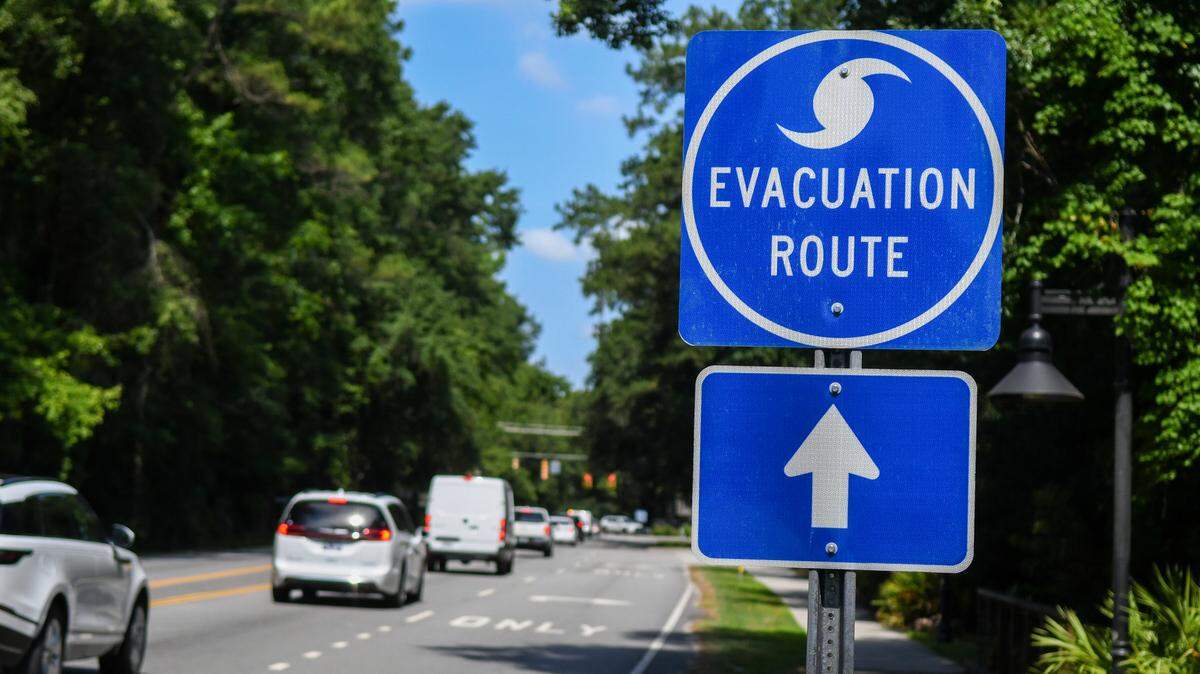
There also can come a point when no matter the extent of Hilton Head and individuals’ hurricane preparedness, the only right answer is to leave when mandatory evacuation orders are triggered.
When Hurricane Matthew hit, people who stayed during the storm’s throes were left alone. No emergency services. No store access. And power and water were shut down.
“Even if you called 911, at that moment, we couldn’t safely come to you,” Dunn said. “If we evacuate or we stay, there may become a point where the winds get too dangerous for us to put out people and our equipment.”
While agencies stress emergency kits for evacuation, Dunn emphasized the importance of post-hurricane kits. Even when the governor lifts an evacuation order and people can travel home, it does not mean that county is back up and running.
Dunn said homeowners could return to a water system that’s still down. The power grid might be shut off. Essential stores may be shuttered or aren’t fully stocked. And gas stations are bringing fuel back.
“Don’t rush to return,” he said. “Once you get back, understand that there may be limited resources available so be patient for those things to come back.”
Basic hurricane prep
- Make an emergency plan.
- Know your evacuation zone.
- Prepare your home, whether that be purchasing plywood, hurricane shutters.
- Clean drains and gutters.
- Bring in outside furniture.
- Make sure your insurance policies and personal documents are up to date.
Keep cell phones charged and purchase backup charging devices to power electronics.
Have multiple ways to receive alerts. Download the FEMA app and receive real-time alerts from the National Weather Service.
.Have an emergency kit with several days of food, water, clothing, medications, disinfectants, a first-aid kit, batteries, flashlights and any pet needs.