High risk of dangerous rip currents on Hilton Head beaches Wednesday. What to know
Beaufort County beaches will be under a “high risk” of dangerous rip currents Wednesday, according to the National Weather Service’s office in Charleston.
The rip current advisory is scheduled to last from 8 a.m. to 8 p.m. Wednesday for Beaufort and Jasper counties and parts of coastal Georgia, the NWS said on Tuesday afternoon.
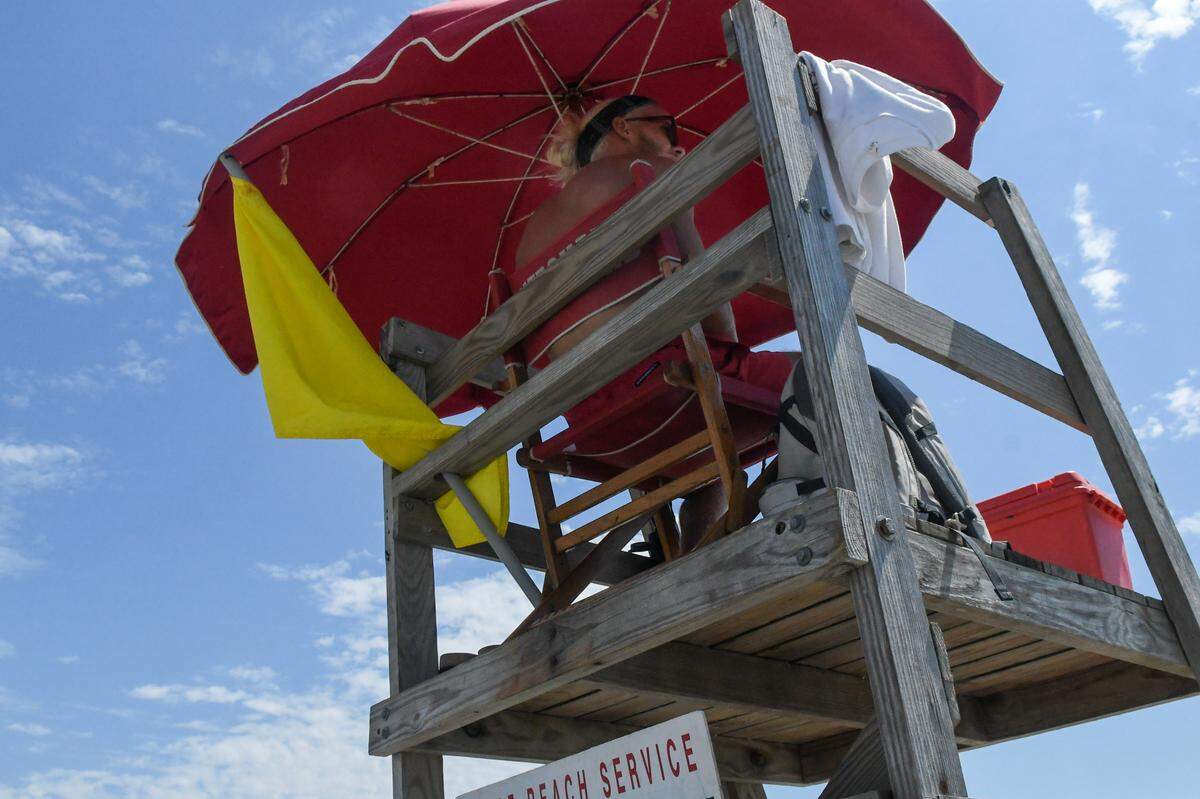
Lifeguards on Hilton Head beaches will fly red flags during the advisory, according to Mike Wagner, a spokesperson for Shore Beach Service. The organization acts as the island’s beach patrol.
Here’s what to know.
What is a rip current?
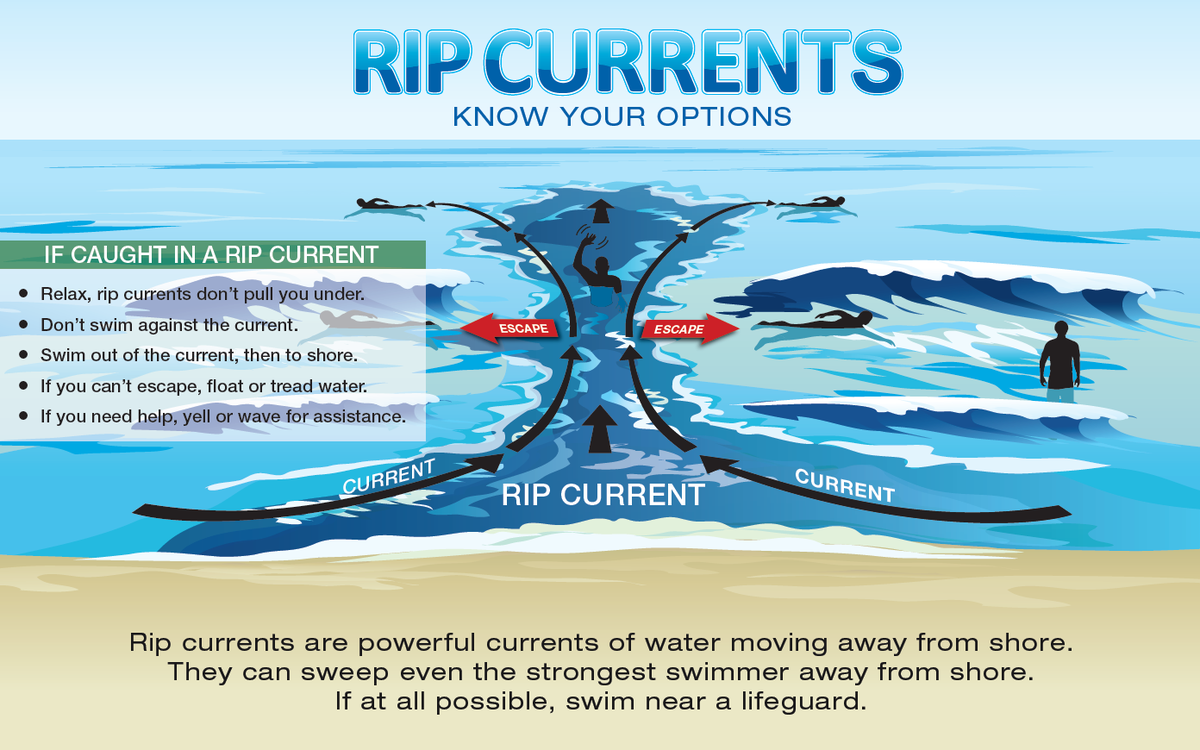
Rip currents are narrow, fast-moving channels of water that flow away from the shore, through the surf zone and beyond the line of breaking waves.
Contrary to popular belief, rip currents pull swimmers away from the shore — not under the water. But their tiring effect can lead to drownings, especially for younger or inexperienced swimmers.
They typically form at breaks in sandbars and near structures like jetties or piers. The currents can reach speeds up to 8 feet per second, faster than an Olympic swimmer and vary in both size and duration.
The Lowcountry’s unique coastal structure, particularly on barrier islands, makes these areas prime spots for rip current activity, particularly during and after storms.
Stay near lifeguards, ‘relax and float’
Swimmers off Hilton Head Island and at other beaches in Beaufort County should stay near lifeguards during the advisory, the NWS says. If caught in a rip current, the agency says beachgoers should “relax and float,” avoid swimming against the current and swim parallel to the shoreline.
How to spot a rip current
Rip currents can be difficult to see from the beach, but the NWS recommends looking out for these visual clues:
- A gap in breaking waves or a stretch of calmer, darker water between whitewater
- A channel of churning or choppy water
- A noticeable difference in water color
- Lines of foam, seaweed or debris are moving steadily out to sea
- Some types of rips appear as narrow sections of turbulent whitewater heading away from the beach
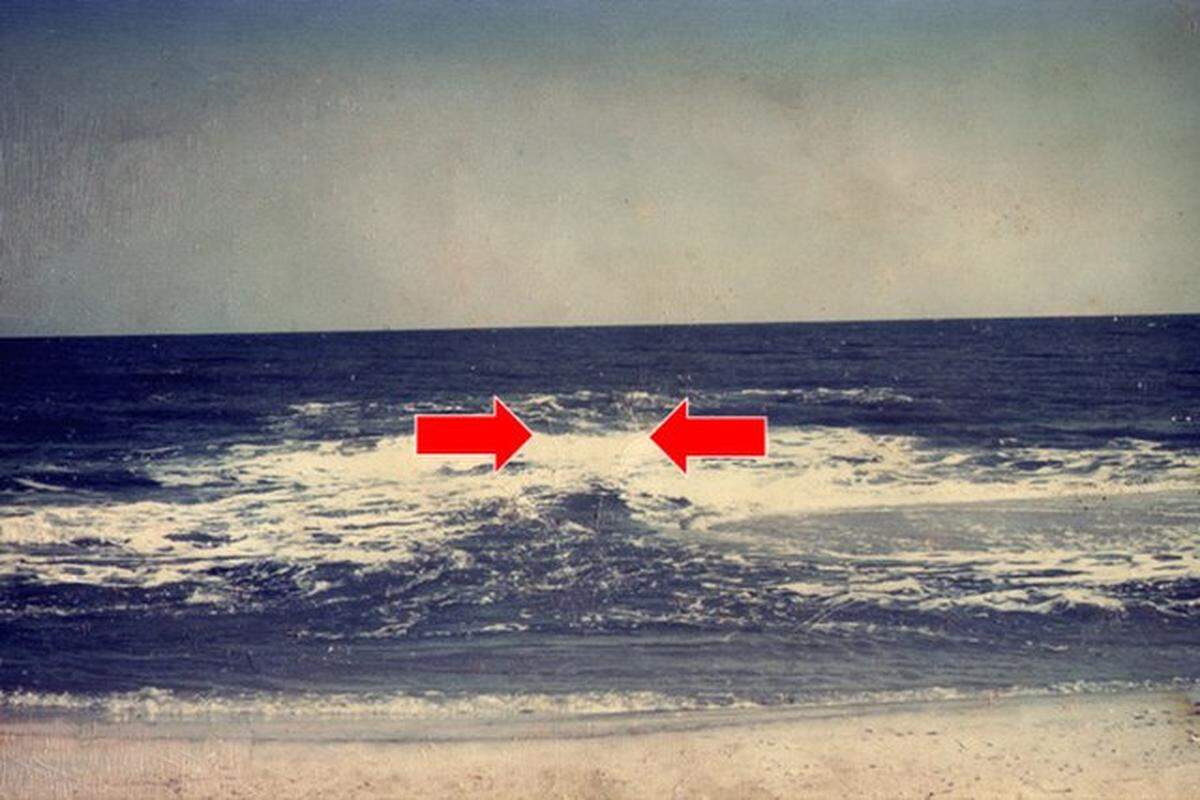
Rip currents are easiest to spot from an elevated position like a dune, pier or lifeguard stand. Since water conditions also change frequently, it’s recommended to watch the water for several minutes as ocean conditions and characteristics vary.
If unsure, always ask a lifeguard about current beach conditions.