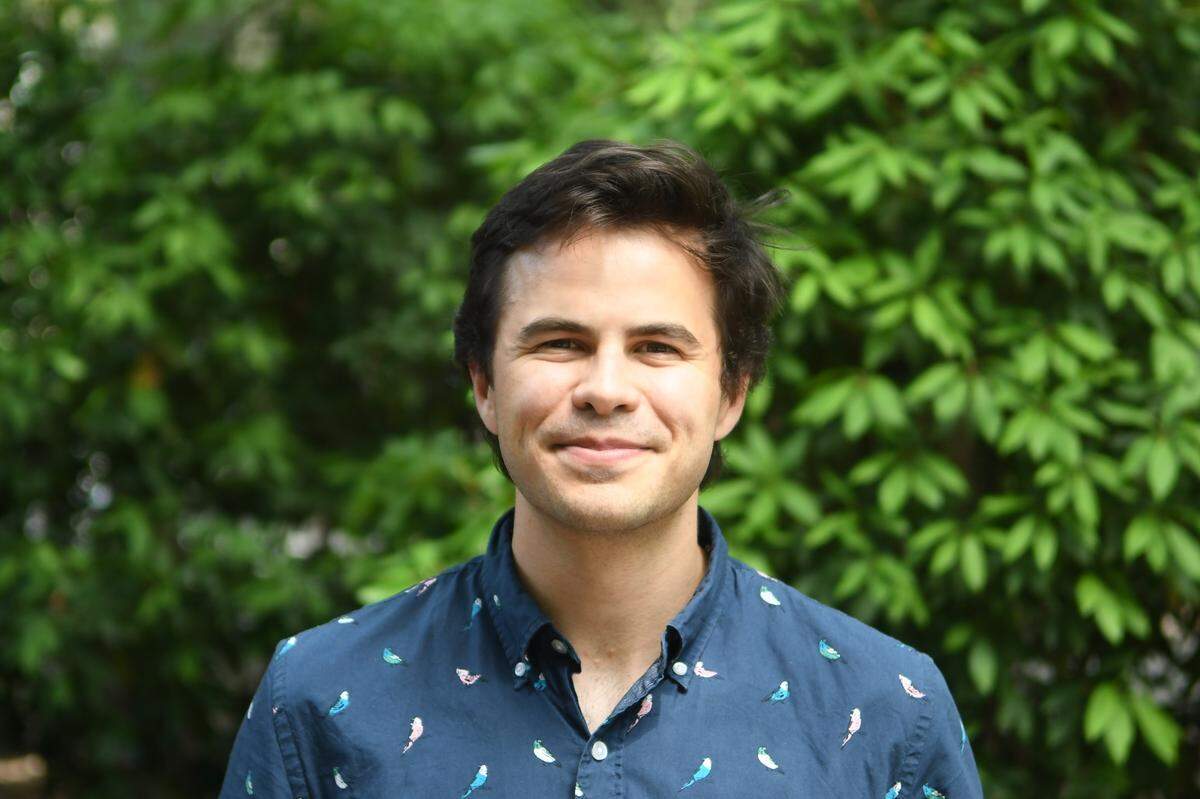
How COVID-19 hurts ‘a second chance at life’ in one of SC’s largest medium-security prisons
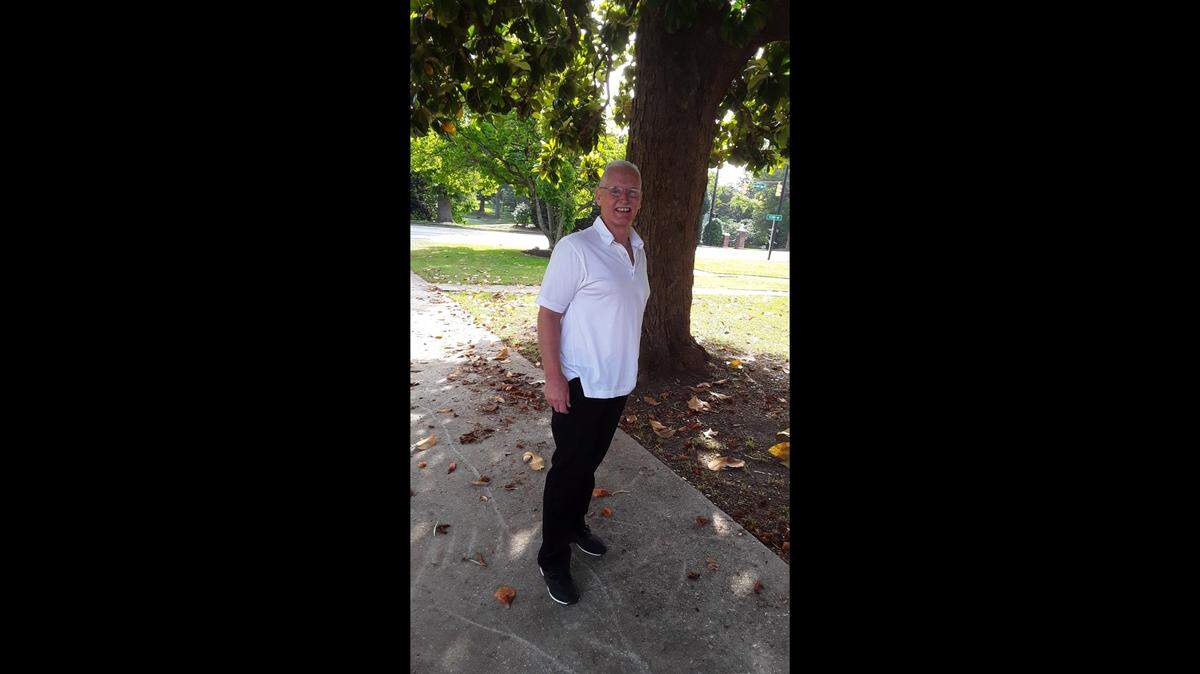
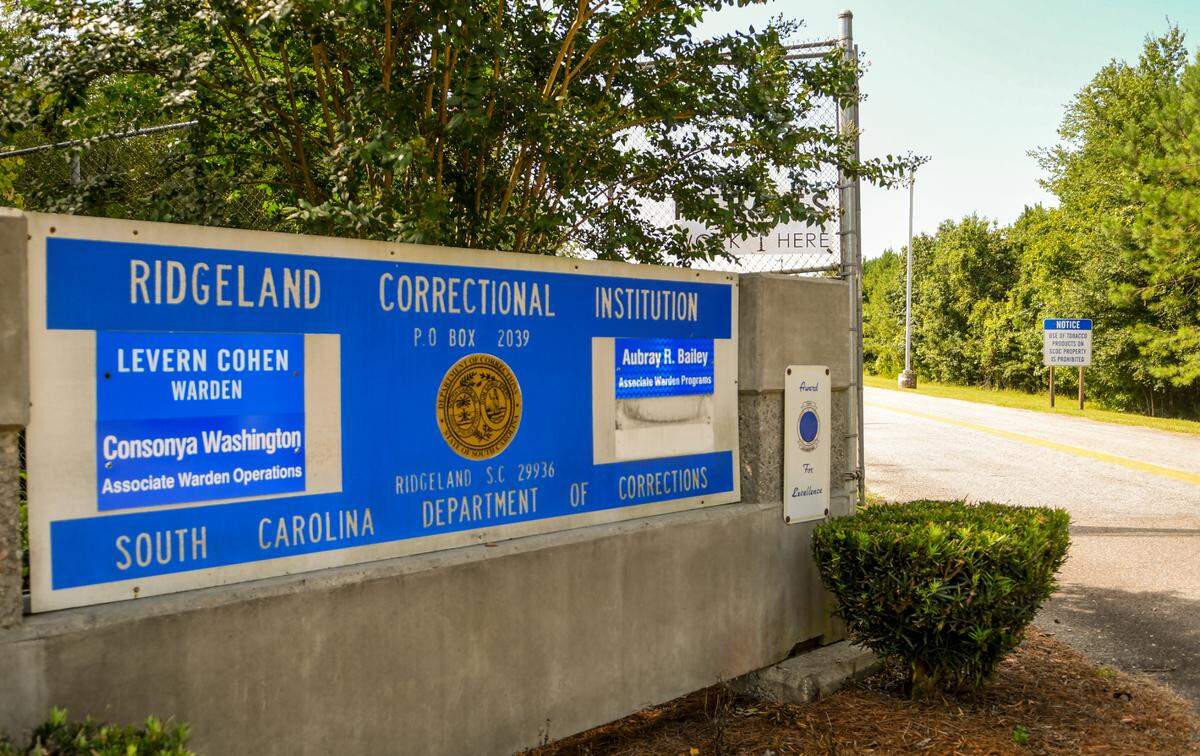
When Jimmy MacPhee was transferred to Ridgeland Correctional Institution in Jasper County last December, it was his ninth prison.
MacPhee accepted that he likely would never set foot outside the walls of prison and, at age 65, tried to focus on teaching other inmates life skills and lessons from the Bible.
He had been in prison for 45 years, serving a life sentence for murder in Santee, S.C.
“I put myself in that situation through my lifestyle, through my choices,” MacPhee said. “The most precious thing is human life, and I took that from somebody.”
He spent so much time — 3 1/2 years on death row and 16 years in solitary confinement — feeling bitter and wasn’t looking to be rehabilitated, he said.
Then, MacPhee said, “I gave my life to God.”
He enrolled in program after program, listened to and learned from volunteers, and earned an associate’s degree through the Columbia International University Prison Initiative.
Less than four months after MacPhee arrived at Ridgeland, coronavirus sent much of the country on lockdown. Six weeks later, MacPhee was granted parole. Since then, he’s started his own Christian ministry, shares his story at churches, and is working to form a nonprofit.
But the very things that over the years helped MacPhee change his life aren’t available to Ridgeland inmates because of the virus.
Three specific programs he attributed to his transformation have stopped or been limited because of COVID-19.
MacPhee earned his Associate of Arts degree through the CIU Prison Initiative, which sends college professors to S.C. prisons to teach theology and academic courses.
Courses are not being taught in-person because non-essential personnel — like professors — are not allowed in, he said. The degree program was at another prison, but it has been curtailed due to COVID-19. Two calls to the director of the program on Thursday and Friday were not returned.
Kairos, a religious program centered on Christian community and reflection, provided MacPhee support and community. But that program relies on outside volunteers, who are not allowed in Ridgeland now, either.
Lastly, the 40-week Jumpstart program, which boasts a recidivism rate of less than 4% in S.C. prisons and teaches accountability, is limited right now, according to MacPhee, and is able to help only those who completed the course prior to this year.
At Ridgeland, the benefit to public health from limiting outsiders during the pandemic is clear: The prison remains one of the few state prisons barely touched by COVID-19, which is no small feat.
But one problem makes the dearth of programs worse: not enough staff.
Understaffed and overworked corrections officers mean prisoners spend more time in their cells because there aren’t enough officers to supervise group activities. It also leads to increased tension and more contraband getting into the facility undetected.
“I’m fearful [of] what it’s doing to lives locked away like that, with no means of growth,” MacPhee said.
‘Hungry for personal development’
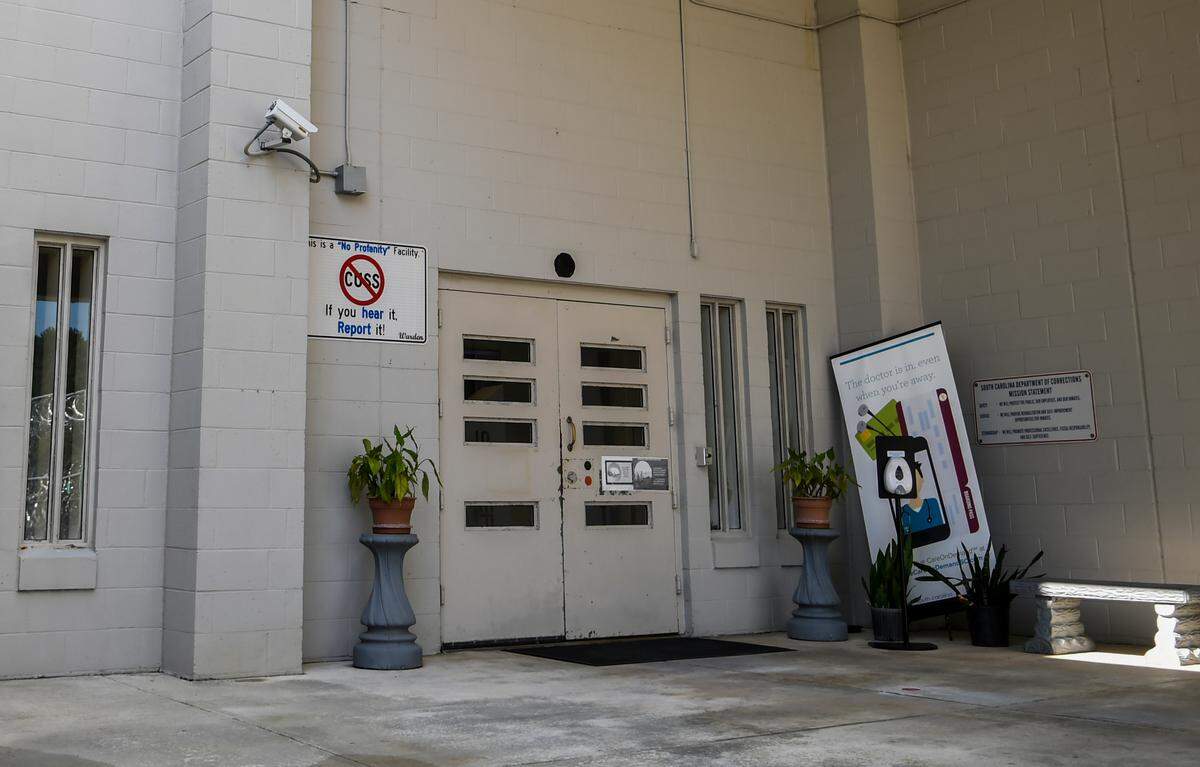
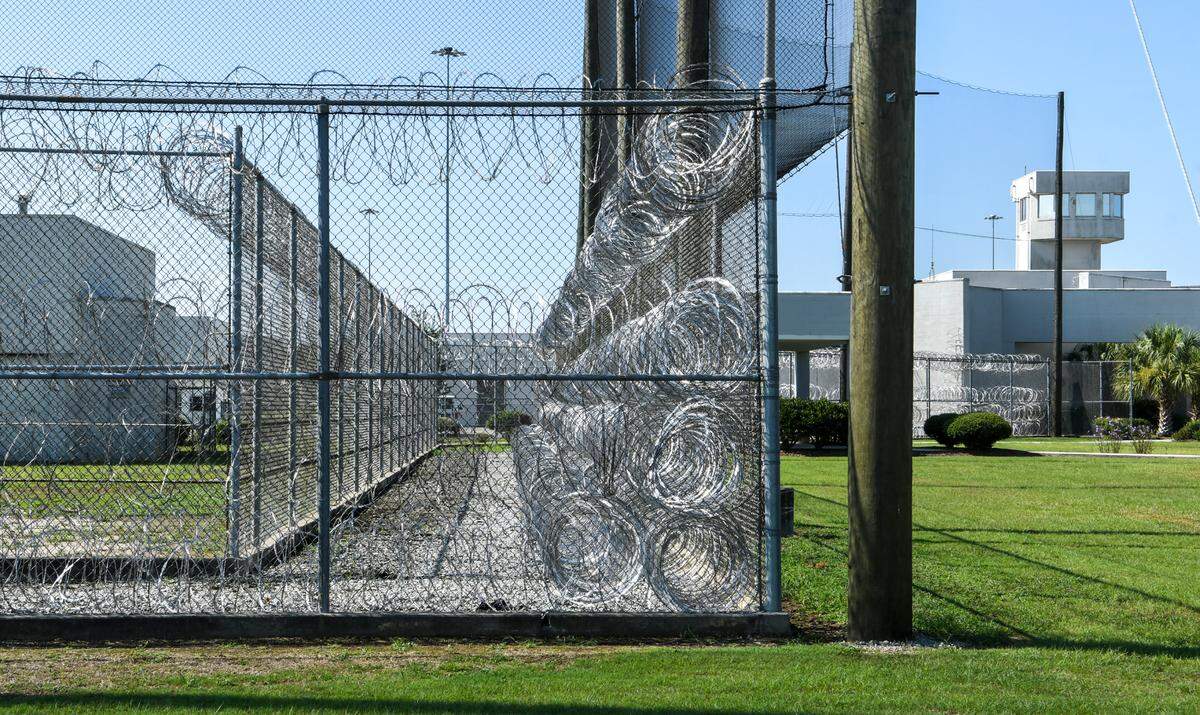
Surrounded by double fencing with rolls of razor ribbon, Ridgeland Correctional Institution is one of South Carolina’s largest medium-security prisons for adult males. It currently holds more than 1,000 inmates.
The facility has avoided the large-scale coronavirus infections happening at other prisons, such as Kirkland Correctional in Columbia.
Ridgeland didn’t have a single COVID-19 case until July 21. Of the few cases contracted there, most have recovered.
But MacPhee argues it’s come at great cost.
Because of the pandemic, volunteer-led book clubs or life-skills classes such as how to balance a checkbook or how to set goals are canceled or led by correctional officers and inmates.
Gone are the very experiences that help prisoners gain self-esteem and provide hope: face time with successful, caring instructors and volunteers.
Something as simple as sitting with an inmate and listening can change the life direction of someone convicted of a crime, said Jodie Randisi, a volunteer at Ridgeland Correctional.
“These guys are so hungry for personal development and skills,” she said. Since 2016, Randisi has run the Ridgeland chapter of the Toastmasters Club, which helps members become better public speakers and leaders.
The class is usually held in the prison chapel, where there is a podium. An inmate is designated speaker of the day, and he shares his life story. Randisi said it’s the highlight of the inmate’s week.
“They’re talking, and someone’s listening,” she said. “To have someone listen to your story for 5-10 minutes is so [powerful]. People start to heal the moment they feel heard.”
Now her class is taught by correctional officers who, she said, are not trained in Toastmasters classes.
“(As) volunteers have been cut out, the inmates have been frustrated and start acting out and [accumulating] charges,” said Randisi.
Chrysti Shain, an SCDC spokesperson, said some in-person classes at the prison are still continuing, such as Shining Light and Memorize the Word, a program run by First Baptist Church on Hilton Head. A volunteer with the church mailed the curriculum to the inmate students, and they completed the work and sent it back to him by mail, Shain said.
“The inmate tablets also have multiple educational and training programs that are available to the inmate population at all times,” Shain said.
Understaffing, COVID-19, and lockdowns
Understaffing has been a problem for years at S.C. prisons, including Ridgeland Correctional.
In 2011, Ridgeland Correctional had 140 assigned security staff, according to a 2018 report from a national prison expert commissioned by SCDC.
This year, the prison has 105, said Shain. During this fiscal year, the prison’s turnover rate was 23%.
Understaffing can result in lockdowns because there are simply not enough officers to monitor prisoners. In their cells, inmates are easier to oversee.
For 108 days in 2017, inmates were on full or partial lockdown due to staff shortages, according to the report.
“This resulted in limited access by inmates to programs and services and based on staff reports often resulted in an increase in tension throughout the facility,” Tom Roth, former Illinois prison administrator, wrote in the report.
A system at Ridgeland, but not unique to the prison, is “tiering,” which limits the number of prisoners in the common area at a time.
There are two wings per housing unit, each holding about 136 inmates. Each of those wings is split in half, and only one tier is allowed in the common area, or dayroom, at a time, according to Roth’s 2018 report. The other half remain in their cells.
“This results in inmates having half the amount of dayroom-time when compared with normal operations,” the report said.
That practice is still occurring during the pandemic, according to SCDC’s Shain.
Shain said lockdowns have been minimal in 2020, with only three days of full lockdowns and four of partial lockdowns. One housing unit has been “on quarantine for COVID-19 precautions” since Oct. 20.
MacPhee, who was incarcerated at Ridgeland for 3 1/2 months, recalls it happening a lot more.
“At Ridgeland, I would get locked in my cell Friday afternoon, and I wouldn’t get out until Monday,” he said. “I don’t have to tell you what that does to you.”
Across the country, prisons are putting inmates under lockdown for longer amounts of time during the pandemic.
“COVID just turned the screws a little tighter,” he said.
‘Outweigh the risk’
Another problem goes hand in hand with understaffing: contraband, or illegal items such as food, cell phones and weapons, that come into prisons.
“What is unusual at Ridgeland is the consistent volume of incidents related to contraband compared to other facilities reviewed,” Roth wrote in his report. “For many inmates at Ridgeland, possessing or the attempt to possess contraband appears to outweigh the risk and the perceived [low] probability of being apprehended.”
The report also states that a group of guards runs “contraband control” to prevent items from coming in. But those officers are often pulled off that duty to fill in other vacant posts at the prison.
“The primary concern is that possession of contraband often leads to further criminal activity,” the report said.
During COVID-19, despite all visitation to prisoners being suspended, the flow of contraband has continued.
Documents from a Freedom of Information Act request showed that one guard, Sgt. Jason Lingard, was reprimanded in June with an inmate for wheeling a cart containing three trash bags of contraband. The bags held mostly food and drink, such as ramen, chips and sodas.
In August, another guard was fired and charged criminally after officials said the guard tried to bring alcohol into the prison.
More dangerous contraband like cellphones find their way into the prison as well. Such sought-after commodities have been used to organize violence and commit other crimes at S.C. prisons, according to news reports.
As of Sept. 30, Ridgeland reported 450 cellphones and accessories had been confiscated in 2020, according to SCDC’s Shain.
In 2019, 649 were confiscated, compared with 808 in 2016.
This comes after golf course-like netting was installed at Ridgeland and other prisons in 2018 to prevent smugglers from throwing contraband over the prison walls.
The presence of prison contraband encourages inmates to hustle the items, Jimmy MacPhee said, and it also keeps them engaged in criminal activities rather than focusing on rehabilitation.
What now?
SCDC’s director has tried to address the prison’s staffing problem.
Director Bryan Stirling told The State that since he started his job in 2013, he has worked to raise starting salaries for officers and gained approval for overtime pay to attract more job applicants.
Shain said that during the pandemic, the agency has been working to more strenuously vet employees to ensure they “are a better fit” for prison employment. SCDC is also focused on retaining employees.
“You can’t hire yourself out of a hole like this,” she said.
MacPhee, the 45-year veteran of the South Carolina prison system, said he understands the bind SCDC is in.
But he said prisons could do a lot with more teachers and counselors, even if they’re short-staffed, “to give these people a second chance at life.”
This story was originally published November 22, 2020 at 7:00 AM.