Beaufort County public defender wants $700K extra next year. Here’s why
Court-appointed lawyers who defend low-income clients serve four of every five people charged with crimes in Beaufort County courts, says Stephanie Smart-Gittings, chief public defender for the 14th Circuit.
But last year, Beaufort County gave the circuit’s prosecutors twice the budget it allocated for public defenders.
Now, citing that imbalance, an increase in caseloads and aging technology that takes hours to download case files, the 14th Circuit Public Defender is requesting more money from the county. It is seeking a 78% budget increase totaling nearly $700,000 to hire four attorneys, three administrative staff and a social worker, according to preliminary budget documents.
The circuit’s top solicitor, Duffie Stone, says that comparing his budget allocation to the public defender’s is unfair but acknowledged the Public Defender’s Office knows its demands best.
In recent years, at least five attorneys resigned from the Public Defender’s Office, some to work for the equivalent office serving Charleston County, which pays attorneys more, and some to private practice, according to Smart-Gittings.
The budget request, submitted before COVID-19 cases were confirmed in South Carolina, is now being considered as the county faces a projected 20% decline in revenue stemming from the outbreak, according to County Administrator Ashley Jacobs.
“My attorneys have to be able to represent their clients,” said Smart-Gittings. “The needs of my office don’t change because of the pandemic.”
Caseload and infrastructure demands on public defenders
The funding request is “more than we’ve requested in the history of the Beaufort County Public Defender’s Office,” said Smart-Gittings. It comes in response to increased demands on public defenders, she said.
Public defenders handled more cases in 2019 in county courts than any of the three previous years, according to data provided by the Public Defender’s Office.
One of her attorneys prepared for and defended clients in 16 trials since 2017 before resigning this year. “He was just burnt out,” said Smart-Gittings.
The Sixth Amendment to the U.S. Constitution protects the right to an attorney in criminal proceedings, and public defenders handle 80 to 85% of all criminal court cases in South Carolina, according to the S.C. Commission on Indigent Defense.
“Defense counsel should not carry a workload that, by reason of its excessive size, interferes with the rendering of quality representation, endangers the client’s interest in the speedy disposition of charges, or may lead to the breach of professional obligations,” according to the commission’s performance standards for public defenders.
Nationally, public defenders in many jurisdictions are overworked and underfunded. One senior attorney in Smart-Gittings’ office was assigned 531 magistrate warrants last year, she said.
Because of “antiquated servers,” staff in her office wait six to eight hours to download a case file from the online systems prosecutors and law enforcement use to share evidence with defense lawyers, said Smart-Gittings. “There’s nothing that can be done by that investigator for eight hours because they’re downloading that file,” she said.
She has submitted a one-time request to Beaufort County for a $150,000 upgrade to her office’s technological infrastructure.
Smart-Gittings also said reforms to the justice system, including a law that went into effect last year raising the maximum age teenagers can be considered adults by the courts, mean her office is spending more of its resources on juveniles charged with crimes, including hiring specialists to prepare detailed “mitigation files” to provide the courts.
Her funding request would save the state money by allowing the office to have a social worker on staff, she said. Instead of providing more funding, state lawmakers have asked public defenders to request additional money from local governments, she said.
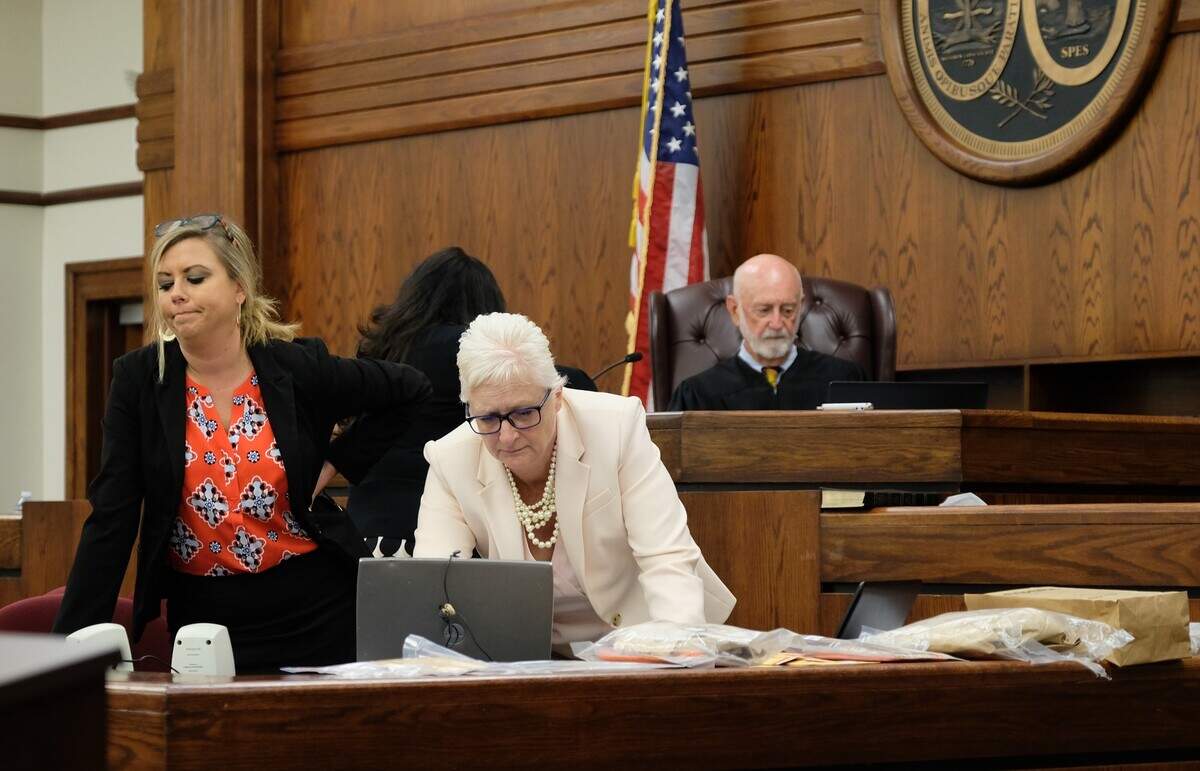
Should public defense be funded equivalent to prosecution?
In a Jan. 21 letter to Jacobs, the county administrator, Smart-Gittings emphasized a gap in county funding between her office and the 14th Circuit Solicitor. Over the past three years, the Solicitor’s Office has received 1.5 to 2 times the amount of county funds as the Public Defender’s Office, according to budget documents.
“Our budget request this year is an attempt to bridge the gap between the Solicitors office and the Public Defender,” wrote Smart-Gittings in the letter.
Stone, the 14th Circuit solicitor, said he supports the Public Defender’s request to upgrade technological infrastructure but rejects arguments for equivalent budgets.
“They don’t defend every case that we prosecute,” he said, saying that public defenders represented clients in 67% percent of Beaufort County General Sessions Court cases that his office prosecuted, a calculation based on warrant numbers from his office and figures Smart-Gittings sent to the county.
With some exceptions, Stone’s office doesn’t prosecute cases in lower courts. The Public Defender’s Office is contracted by towns and cities to handle cases in municipal courts.
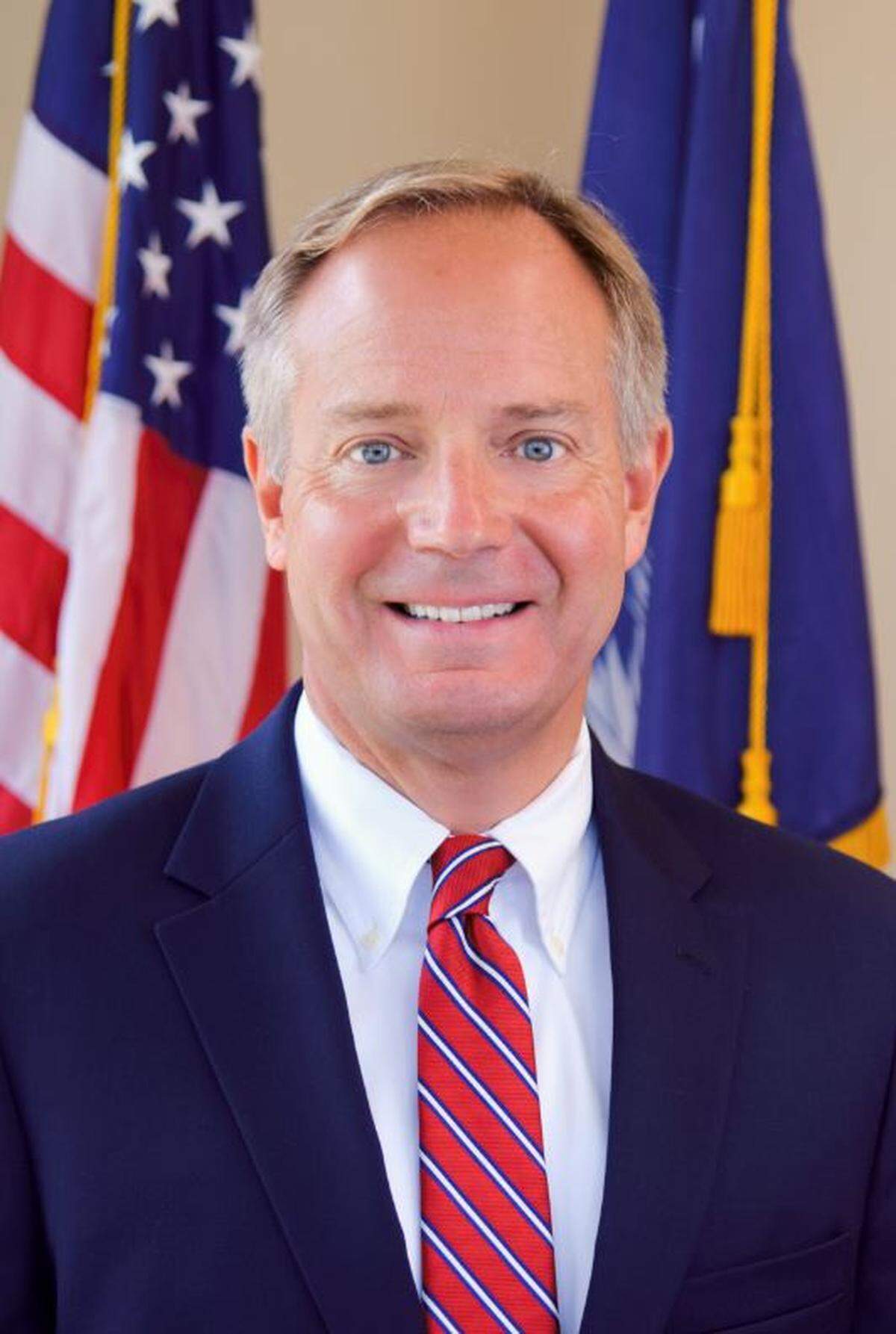
“We do an entirely different thing,” he said, pointing to programs his office administers, including diversion programs, expungements and drug and veteran’s courts. Stone said he believes the Public Defender’s Office should aim for funding parity with public defenders in other circuits with similar caseloads.
Stone said the Public Defender’s Office knows its demands better than he does but urged budget comparisons between “similar operations.” His office has presented per-capita figures for prosecution funding in different jurisdictions for several years after finding that Beaufort County lagged significantly behind other coastal counties.
Charleston County gives $8 from its general fund to its public defender per resident, while Beaufort County’s funding hovers around $4.70 per person, according to calculations based on public budget documents.
Smart-Gittings highlighted close to $190,000 in funding Beaufort County gave the Solicitor’s Office to hire several prosecutors to begin handling first-offense DUI cases in the county’s magistrate courts.
Previously, police officers without law degrees prosecuted their own DUI cases in these courtrooms, contributing to low DUI conviction rates in the county, according to a report by the Island Packet and Beaufort Gazette.
Solicitors from Stone’s office have handled 158 new cases since the program began in December. Clients in just under half of those cases are being represented by private attorneys, not public defenders, according to figures provided by the Solicitor’s Office. Thirteen of the cases are being handled by public defenders, and 73 defendants do not currently have a lawyer.
The Public Defender’s Office has only one lawyer assigned to Bluffton and Beaufort magistrate courts, said Smart-Gittings.
Beaufort County’s funding makes up a significant part of her office’s budget.
The 14th Circuit Solicitor’s Office receives about 40% of its funding from the five counties it covers, according to its 2020 annual report. The Public Defender’s Office gets 39% percent of its budget from Beaufort County alone, according to data it provided. Smart-Gittings said her office isn’t eligible for grants that make up part of the overall budget for prosecutors and law enforcement in the circuit.
No representation at ‘critical point’ in court system
Beaufort County lacks public defenders at a key point in the criminal legal system, potentially exposing it to legal liability, Smart-Gittings warned in her funding request to county officials.
After someone is arrested and booked in jail, a judge hears the details of the case during a bond hearing and decides whether and under what conditions someone should be freed.
“It’s a critical point in the criminal prosecution,” said Susan Dunn, legal director for the American Civil Liberties Union in South Carolina. “There’s pressure on people to plead guilty” at a time where many defendants aren’t “thinking clearly” and don’t have a lawyer, she said. Currently, public defenders aren’t present at these hearings in most jurisdictions in South Carolina, said Smart-Gittings.
“In an effort to prevent being a party to a lawsuit, I would like to hire an attorney whose primary responsibility will be bond court,” she wrote in her funding request.
The hearings take place twice a day, seven days a week at a central location in Beaufort County, she said, meaning she would need at least two attorneys to cover the docket. Dunn said municipalities and counties need to coordinate a “holistic plan” to ensure representation at bond hearings.
Previously, the ACLU sued Beaufort and Bluffton on behalf of three people the organization said had been convicted on criminal charges and served jail time without being offered a public defender. In a 2019 settlement agreement, the municipalities agreed to ensure representation for indigent defendants and pay $250,000 to end the lawsuit.
Smart-Gittings said the ACLU has advised her office they are working to ensure representation at bond hearings statewide.
Her funding request is being reviewed by county officials and will be presented, along with recommendations, to the Beaufort County Council, which has the final decision.