‘Birds are everywhere’ at Port Royal wetland. But access to them has changed
Great egrets display green facial skin and long, lacy feathers as they arch their necks in a sexy mating display as old as time.
Dressed in pink with unmistakable spoon-shaped beaks, roseate spoonbills stick out just standing on tree limbs.
It was Monday morning at the famed Cypress Wetlands in Port Royal. The showy wading birds are back.
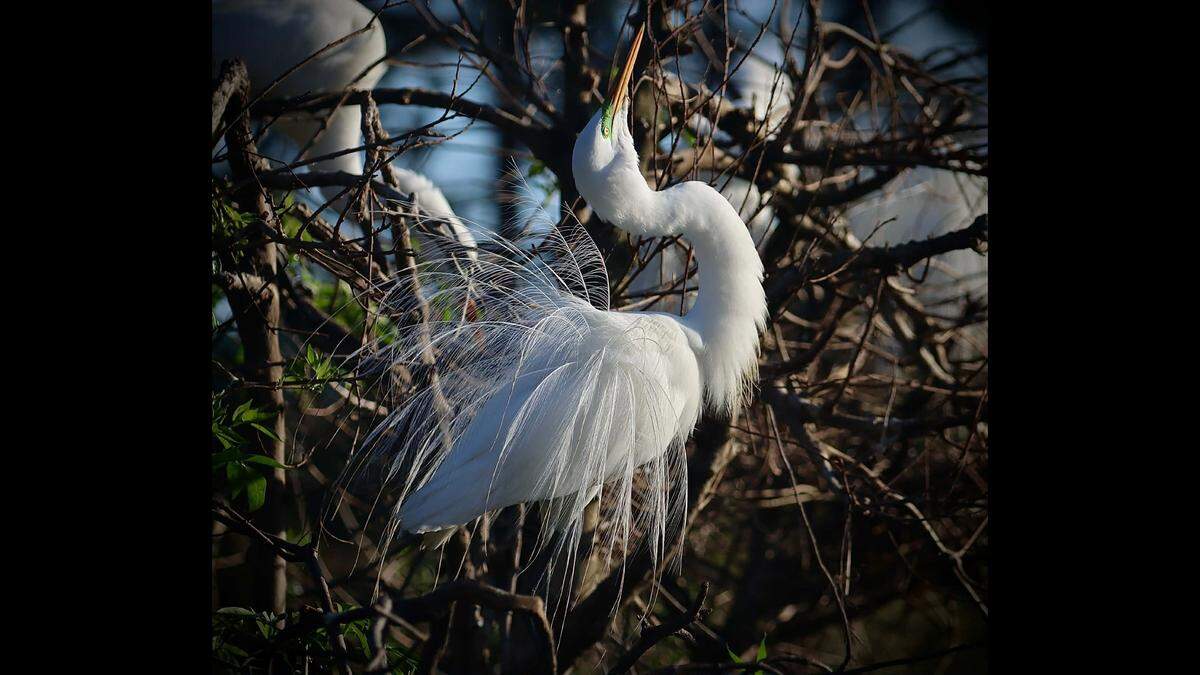
For winter-weary residents of the town of 16,000, the return of the birds to the wetlands to mate and nest is a ritual signaling the return of warmer temperatures (March 20, by the way, is the first day of spring).
But visitors need to be aware of changes affecting entry into this season’s show.
Paris Avenue access to the Wetlands Trail, which provides a front-row seat to the bird show, has been blocked because of construction improvements.
The closure of the most prominent entrance to the rookery, just before the bird nesting, has prompted some criticism from residents online about the inconvenience and the impact it could have downtown businesses.
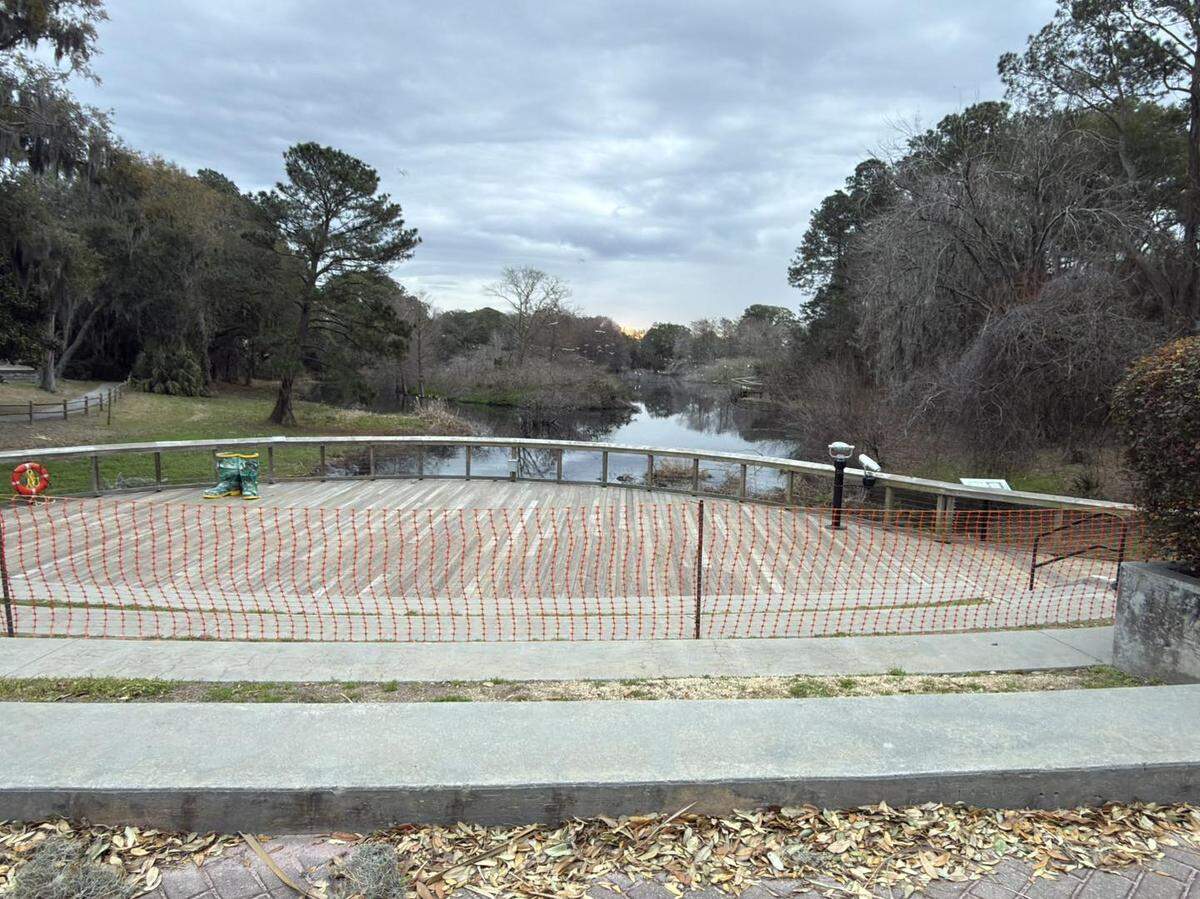
Town Manager Van Willis said grant funds tied to the Paris Avenue construction has an expenditure deadline, which required that the work be done now. In addition, most of the nesting occurs closer to the Richmond Avenue entrance to the wetlands, which remains open, he noted.
Friends of Port Royal Cypress Wetlands, a not-for-profit that supports the wetlands, points out that four alternate entry points remain open: The covered pavilion on Richmond Avenue, east of the YMCA; 17th Street west of Richmond Avenue; 16th Street just east of London Avenue; and east of the police station on the end of 17th Street.
Scot Clark, who heads the group, is advising residents to use the Richmond Avenue pavilion location near the covered pavilion to access the wetlands. That entrance also has the best parking, he added.
Each year, as dependably as daylight savings time, thousands of birds of all types, converge on the trees in the wetland within view of the town’s Paris Avenue, turning it into a raucous rookery.
Besides great egrets and roseate spoonbills, snowy egrets, tricolored herons, little blue and great blue herons, white ibis, wood storks, yellow-crowned and black-crowned night herons descend on the 7-acre refuge.
.jpeg "roseate spoonbill_fitted (1).jpeg")
During peak birding season, which runs from the end of March through April, 300-500 people visit Cypress Wetlands every day, Clark said. The wetlands drew 255,000 visitors in total in 2025.
Cindy Olsen of Beaufort, a bird enthusiast and photographer from Beaufort, is one of those visitors.
When Olsen visited Cypress Wetlands last week it was empty. Gradually, a few birds began showing up. Olsen could not believe the number of birds she saw on Sunday. By Monday, Cypress Wetlands was “popping off” with birds.
“There are birds everywhere,” Olsen told the Beaufort Gazette and Island Packet Monday morning.
South Carolina’s birds were a factor in Olsen’s decision to move from California to the Lowcountry. Her daughter, who lives in Beaufort, told her, “’You need to come here. You won’t believe the birds.’”
This story was originally published March 10, 2026 at 5:00 AM.