Judge restores access to old St. Helena cemetery, for now. ‘This order means a lot to me’
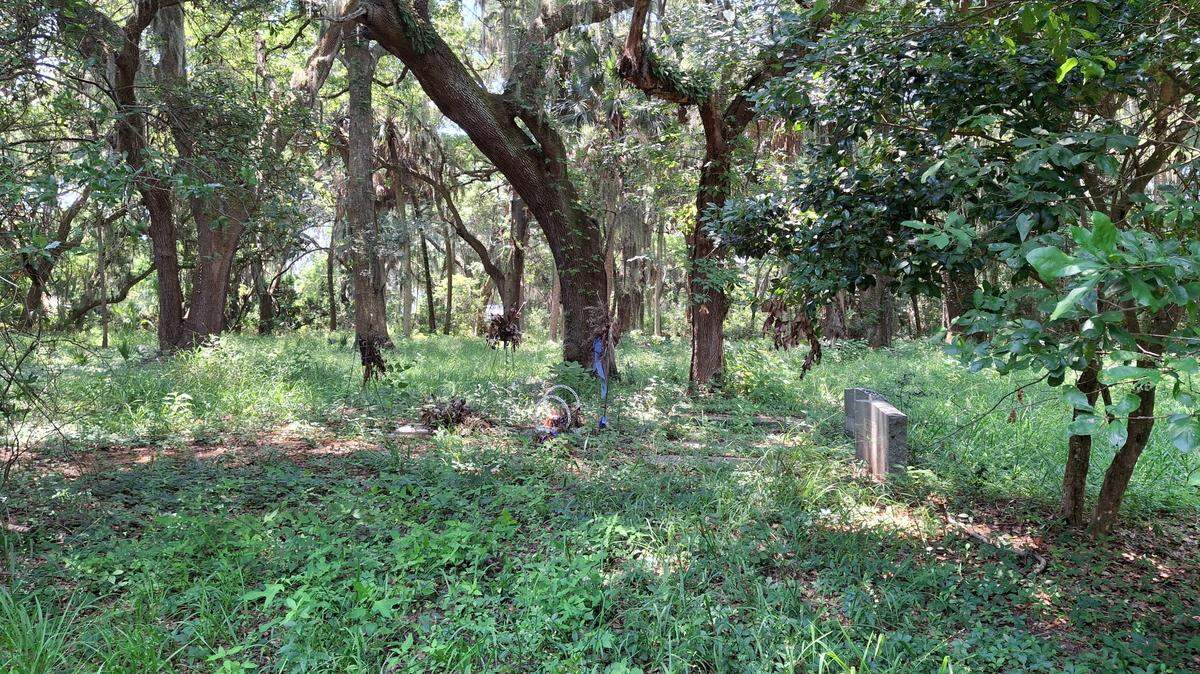
A judge has ruled St. Helena Island residents can use a historic cemetery to bury their loved ones, a key victory in a closely watched legal war that’s pitted longtime residents against property owners with land around the graveyard.
But the access to Big House Cemetery is only temporary and limited, while broader legal questions over access are decided.
The Big House Cemetery dispute has raised a host of sensitive issues in Beaufort County, including cultural practices of native islanders related to the burial of loved ones, gated roads that block entry to historically accessible land, development pressures brought on by shifting populations and the rights of landowners to protect property.
The case pits Big House Cemetery Committee members Shanoma Watson, Julia B. Scott, Jimmy Pope, Tamika Middleton, Shelia Middleton, Mary Mack, LeRoy Haynes, Sherika Chisolm, Sherike Bennett and Arleen Covington, who are long-time residents of the area, against property owners Theresa Aigner and Robert and Walter Harper.
The property owners control gates on land they own on Everest Road, which provides access to the cemetery. The committee members claim access was illegally blocked, preventing them from burying loved ones and maintaining the cemetery. The landowners say their property was being damaged by funeral processions and that there’s another route into the cemetery.
On Friday, Judge Carmen T. Mullen issued two rulings.
One, she refused to dismiss the case. Aigner and the Harpers wanted the case thrown out.
In the second ruling, a request by the residents for a temporary injunction to preserve access to the cemetery was partially denied, and partially approved.
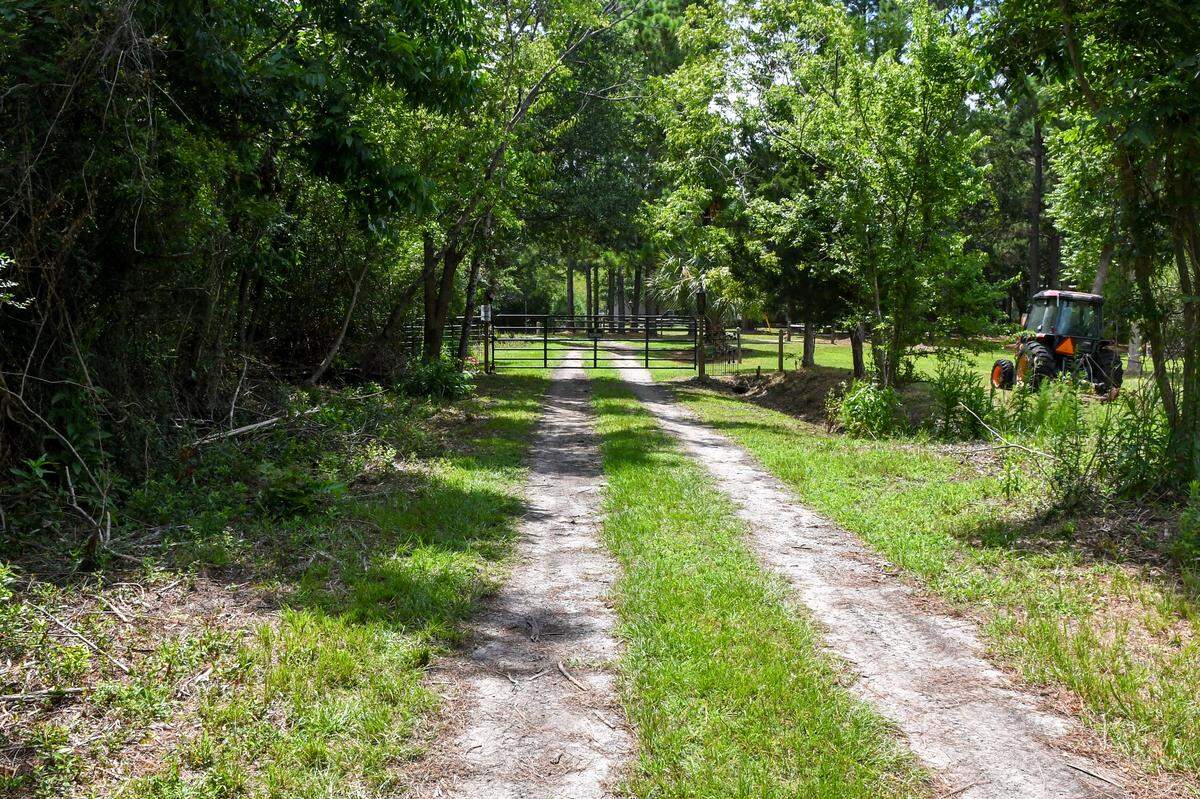
While the court case plays out, the gates on Everest Road must be opened for burials and cleanup days as long as the residents give the property owners three days notice for funerals and 14 days for cleanup days, the judge ruled.
The plaintiffs must post a bond of $4,000 to cover potential roadway repairs.
“This order means a lot to me,” Julia B. Scott, who has family members buried in the cemetery, said in a news release issued by the Center for Constitutional Rights, which is representing the residents. “Now we can use the road to access the cemetery for funerals and cleanup efforts, and I know that when my time comes, I can be laid to rest next to my mother and other family members. I hope and pray that one day soon we will again be able to visit the cemetery anytime, without having to ask.”
In their argument, the residents are citing the South Carolina cemetery access law. They maintain a “prescriptive easement” allowing use of the private road exists because of consistent use over time.
Aigner has said she stopped allowing access across her land via Everest Road in the spring of 2024 after her property was damaged by vehicles during funeral processions. She’s also noted the road is private. The cemetery can also be accessed via Pope Estates Road, she argues, which is controlled by one of the parties to the lawsuit against her.
Approximately an acre in size and once part of a cotton plantation, the 165-year-old cemetery is located between Seaside Road and the Harbor River. Burials date back to the Civil War, and the cemetery is still in use today. It had been accessed from a two-track dirt road named Everest before it was closed off.
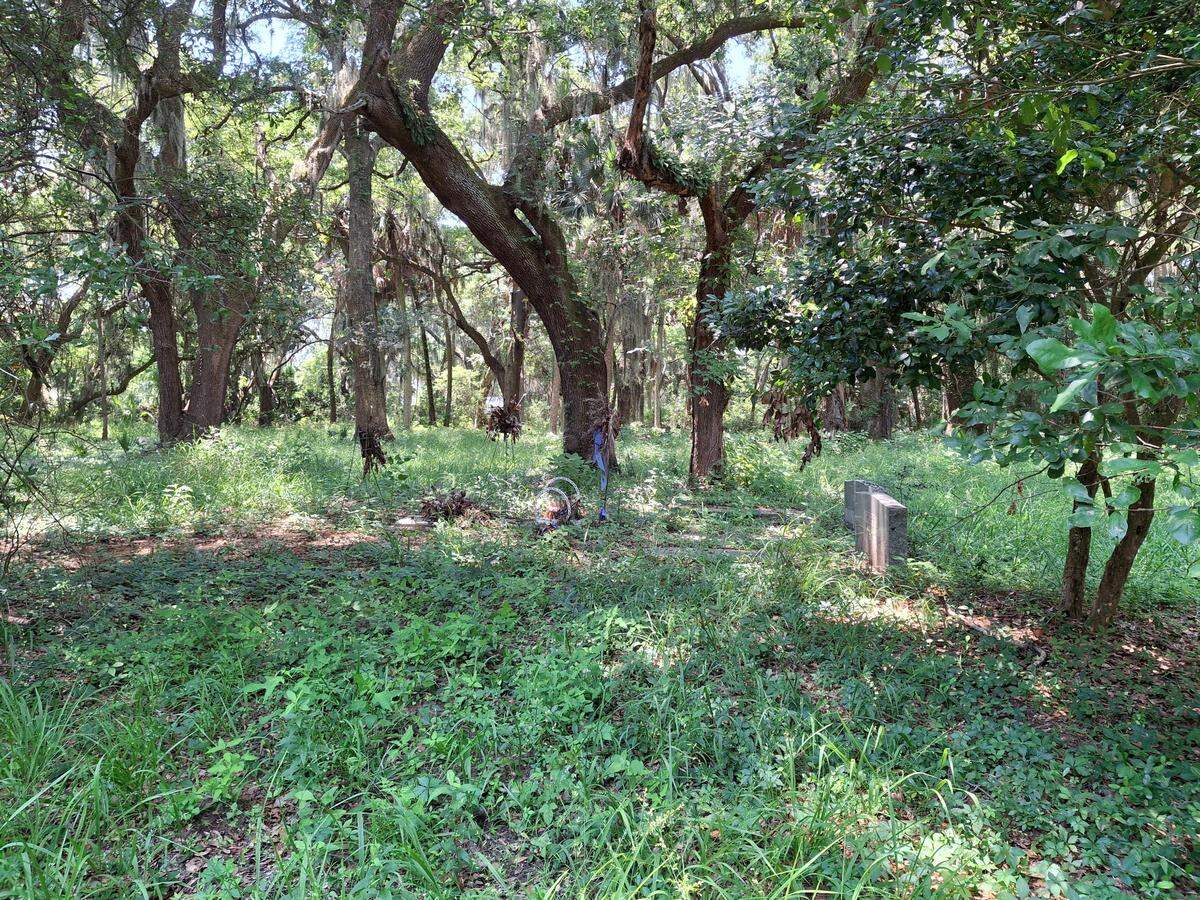
Residents have said previously that many waterfront cemeteries like Big House were purposefully placed near the water because of the Gulluh-Geechee belief that the spirits of ancestors who “came across the water unwillingly” and would transcend back over water to their home countries after they were buried.
The original complaint refers to this belief. Written in Gullah-Geechee, it says, “De wata bring we and de wata gwine tek we bak — or “The water brings to us and the water will take us back.”
The parties were in court on Dec. 16.
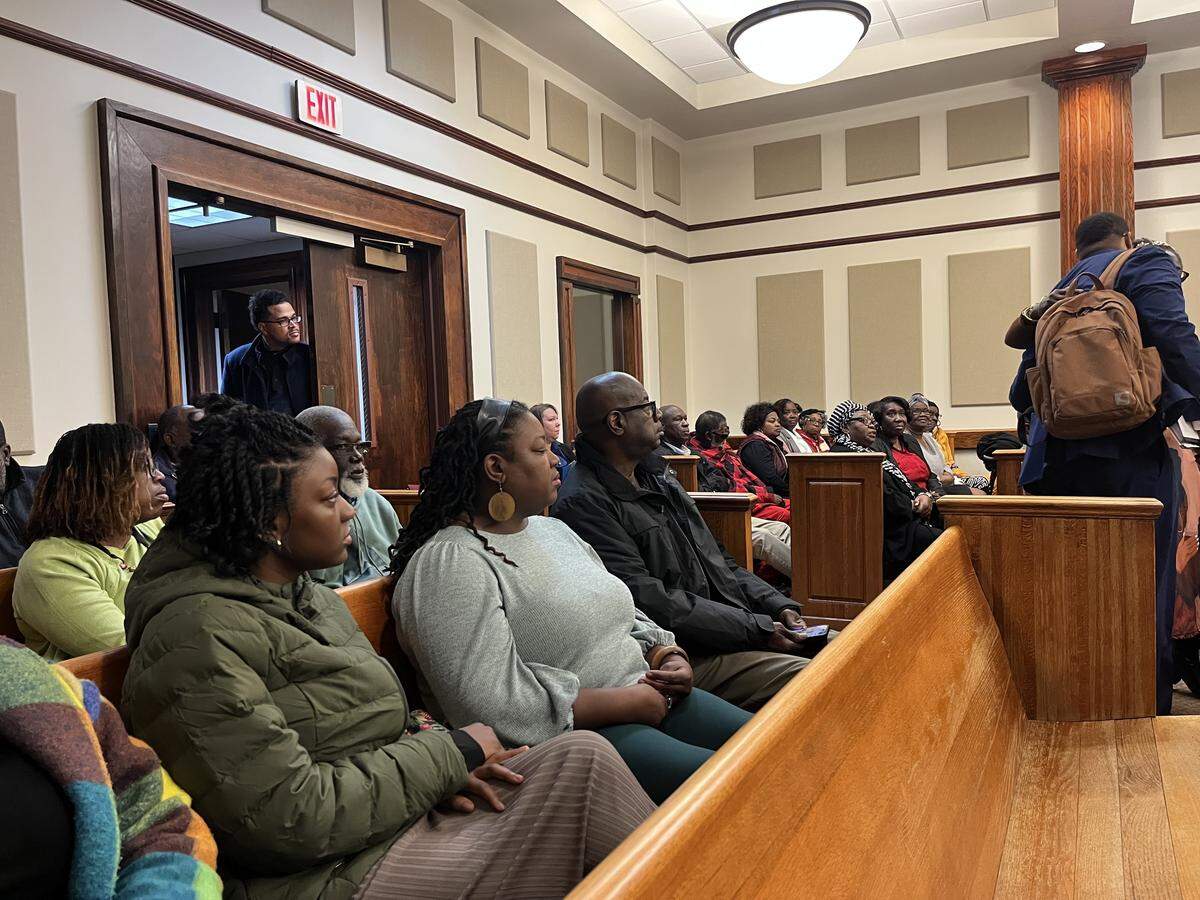
At that hearing, Judge Carmen Mullen announced that she wanted to visit the two access roads at issue, Everest Road to Everest Lane and Pope Estates Way, before issuing her rulings.