Argument over St. Helena cemetery dispute prompts judge to see for herself
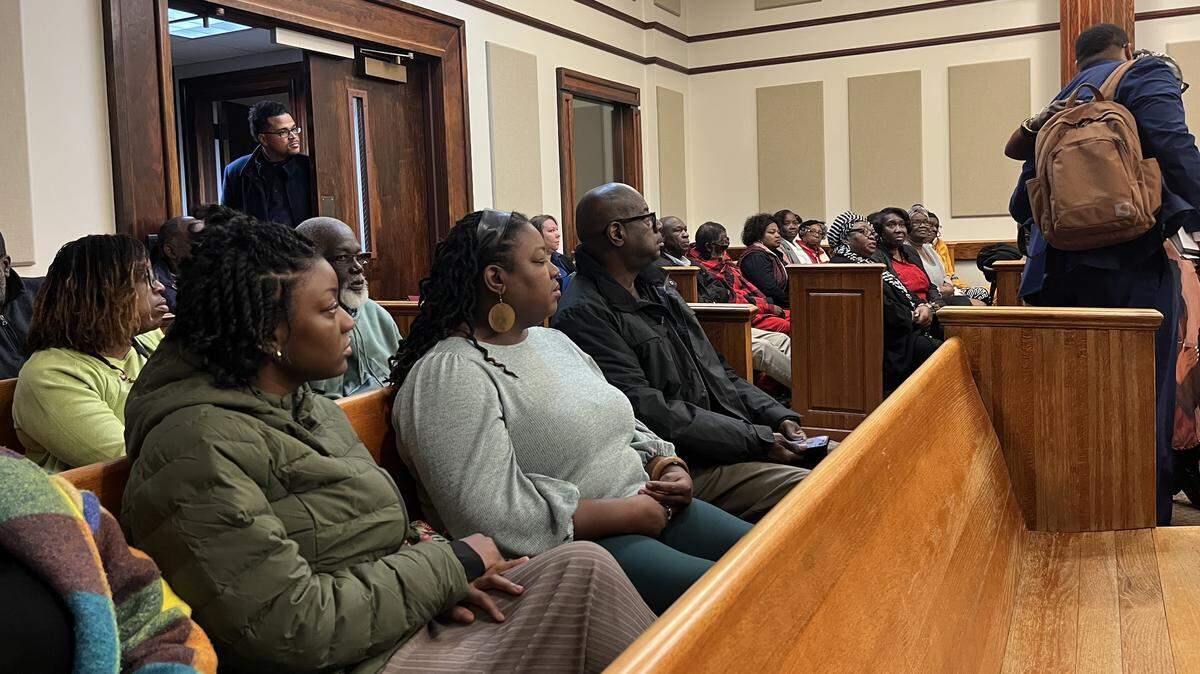
A hearing in a dispute over access to a Gullah-Geechee community cemetery on St. Helena Island that’s been simmering for well over a year saw conflicting narratives presented to a judge, who decided in the end she needs to see the site with her own eyes.
The closely watched case has raised a host of sensitive issues in Beaufort County, including cultural practices of native islanders related to the burial of loved ones, gated roads that block entry to historically accessible land and development pressures brought on by shifting populations.
The hearing before Judge Carmen Mullen was held to hear two motions in a lawsuit brought in April by 10 St. Helena plaintiffs against three property owners who have blocked access on their land to Big House Cemetery.
One motion was for a temporary restraining order that, if granted, would force the defendants to reopen access at two spots on Everest Road, which leads to Big House Cemetery, until the full case is argued and settled.
A second motion was brought by the defendants to dismiss the lawsuit.
About 50 people, most of them St. Helena residents, filled the small Beaufort County courtroom, with a bailiff reminding the crowd twice to remain quiet when murmurs swelled as comments were made during the hearing.
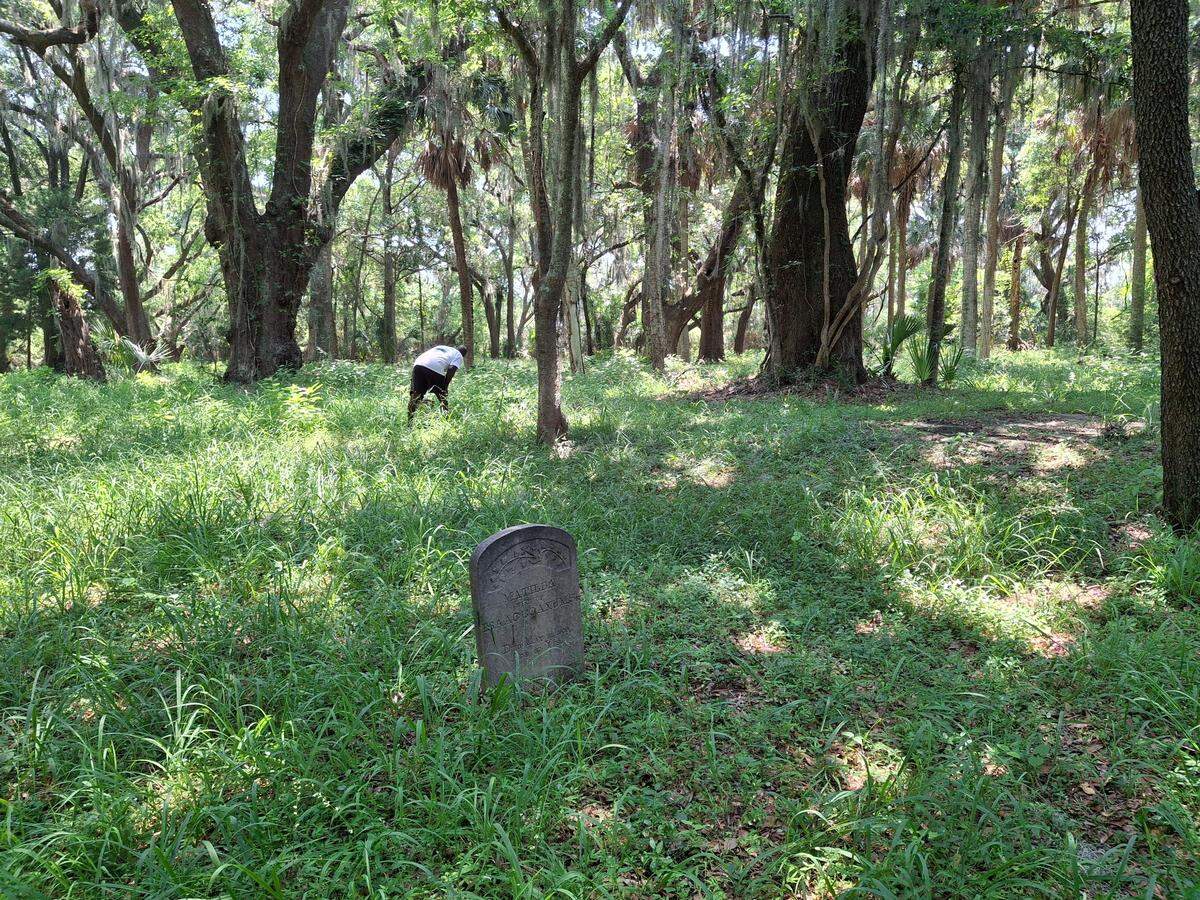
The dispute dates to May 2024, when Theresa Aigner is accused in the lawsuit of discontinuing access to the cemetery via a gated dirt road on her land, according to court records. Aigner, who had previously allowed vehicles to cross her land, has said previously that she stopped allowing access because vehicles were causing a lot of property damage. Then Robert and Walter Harper Jr., who purchased property on Everest Road in 2024, erected a gate at another location closer to the cemetery.
Residents sprang into action, forming a committee to restore access. On April 30, residents Shanoma Watson, Julia B. Scott, Jimmy Pope, Tamika Middleton, Shelia Middleton, Mary Mack, LeRoy Haynes, Sherika Chisolm, Sherike Bennett and Arleen Covington filed a lawsuit against Aigner and the Harpers.
Judge Mullen denied the motion to dismiss the case.
She did not rule on the restraining order to reopen the access while the case proceeds.
But at the close of the hearing, which continued for some two hours, Mullen surprised the six attorneys — five for the plaintiffs, one for the defendants — and the audience when she announced that she wanted to visit the site to see with her own eyes the access that is causing so much acrimony.
When one of the attorneys advised her to wear pants, the judge replied, “I’m wearing what we’ve got on.”
Then Mullen ordered the attorneys to meet her at 2:30 p.m. at Seaside Bar & Grill where they would then proceed to the cemetery. The visit to the graveyard, she said, was for her and the attorneys only.
Throughout the hearing, Mullen peppered the attorneys with details about the specific location of the access, the size of the road and its condition. She also questioned why the plaintiff attorneys had not requested the temporary restraining order sooner, saying it was unusual to wait so long if the need is urgent. “Normally, you would call and say, ‘We need this, and we need this now.’”
The judge agreed there is urgency to the situation if somebody dies and there is no access.
St. Helena natives say they’re fighting to protect access to the seaside Big House Cemetery, where ancestors were intentionally buried close to the water to ensure their spirits can return to their homelands in Africa where they were forcibly removed.
But attorney Emily Early, one of the lawyers representing the residents, said the case is part of a broader struggle on St. Helena to preserve land and heritage from development and gentrification, not just a simple land dispute.
Early was one of four attorneys with the Center for Constitutional Rights from Atlanta, Mississippi and Alabama in court Tuesday. The group, which works with communities under threat to fight for justice, filed the lawsuit on behalf of residents with co-counsel Tyler Bailey of Columbia, who also was present.
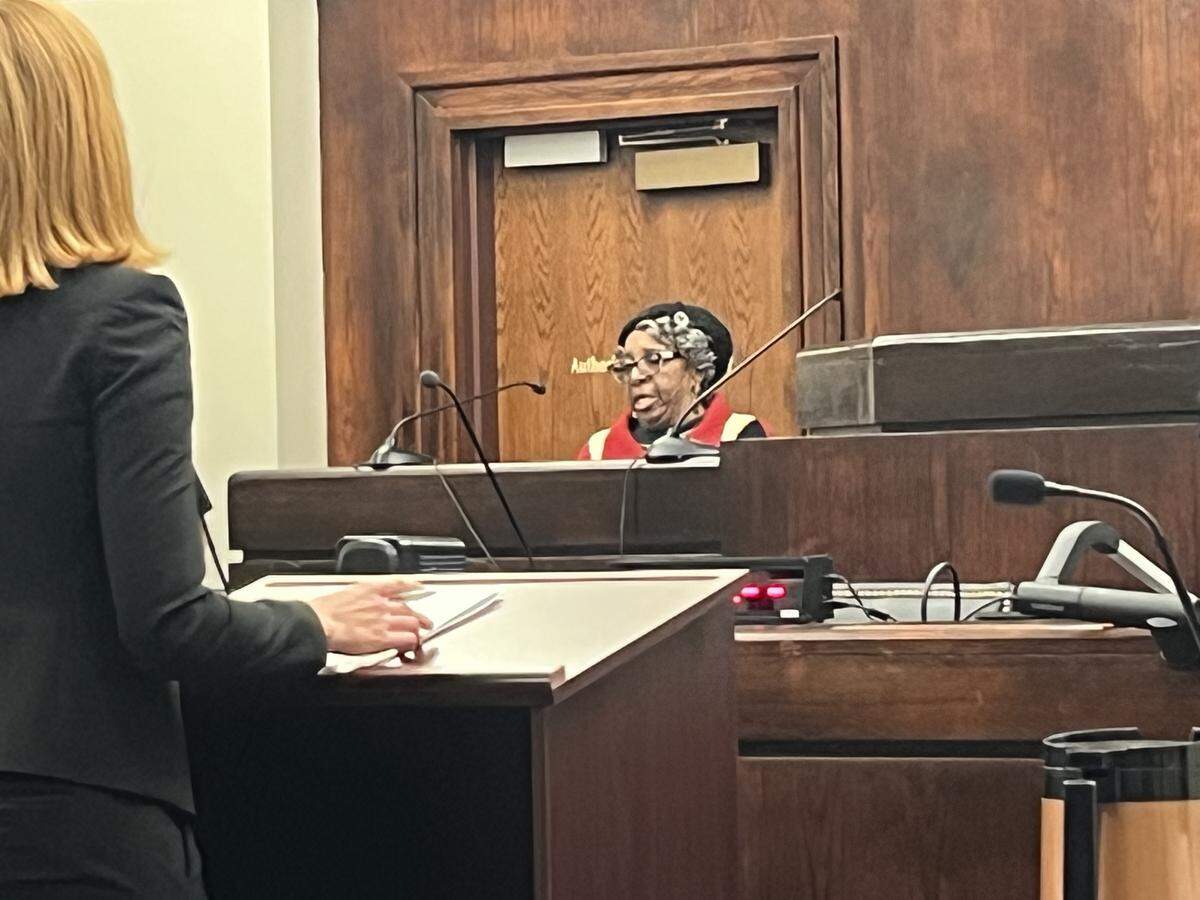
Three residents and a funeral home employee were called by the plaintiffs to testify that Everest Road had been used for decades to reach the cemetery without issue before Aigner and the Harpers moved to the area. The lawsuit contends that a prescriptive easement allows access because of the continued use of the road over many years.
“We didn’t need no permission because the road was there,” said Julia Scott, 81, who had visited loved ones in the cemetery for years before the gates went in, which prompted a quiet “amen” from some in the audience.
Shanoma Watson testified that her family was planning to bury her brother in the Big House Cemetery when he was killed in a car accident May 29, 2024. Family members were shocked to find out there was no access. Instead, he was buried 20 miles away in Seabrook. Watson said she feels as if the long-time rules of the area were violated by new residents.
“I don’t think that’s fair,” Watson said.
The property owners did not attend the hearing.
Gregg Alford, their attorney, said his clients feel as if they have been treated unfairly as well.
He produced a legal document showing that Shelia Middleton, one of the plaintiffs, is the owner of the cemetery and lives near it. The same document shows there is an easement giving access to the cemetery via Pope Estates Road, he said.
He asked Middleton if she would give residents access across her property.
“They can get there,” Alford said. “They can go down Pope Estates Road.”
Two additional plaintiffs live along that Pope Estates Road, he noted, which provides a more direct route to the cemetery.
Alford also showed photographs of Pope Estates Road that appeared to show posts that had been erected along that route with no trespassing signs. Alford said he respects that residents don’t want people going past their houses to reach the cemetery but “there needs to be respect on both sides.”
Regarding the posts on Pope Estates Road, Judge Mullen said, “that’s bothersome.”
“It’s basically a barrier to get back through there,” she said.
Attorneys for the residents said the Pope Estate Road access isn’t wide enough for motor vehicles, especially larger funeral vehicles.
Korbin Felder, an attorney for the residents, noted that a cultural protection overlay is in place on St. Helena Island and bans residential neighborhoods where accessibility is “controlled by means of gate, guard, barrier or other similar improvement for the purpose of controlling the movement of traffic and people into and out of the neighborhood.”
The property owners who have blocked access, he said, “unilaterally decided” to create a gated subdivision.
This story was originally published December 17, 2025 at 5:00 AM.