Lawsuit seeks to reopen access to historic Gullah cemetery on St. Helena
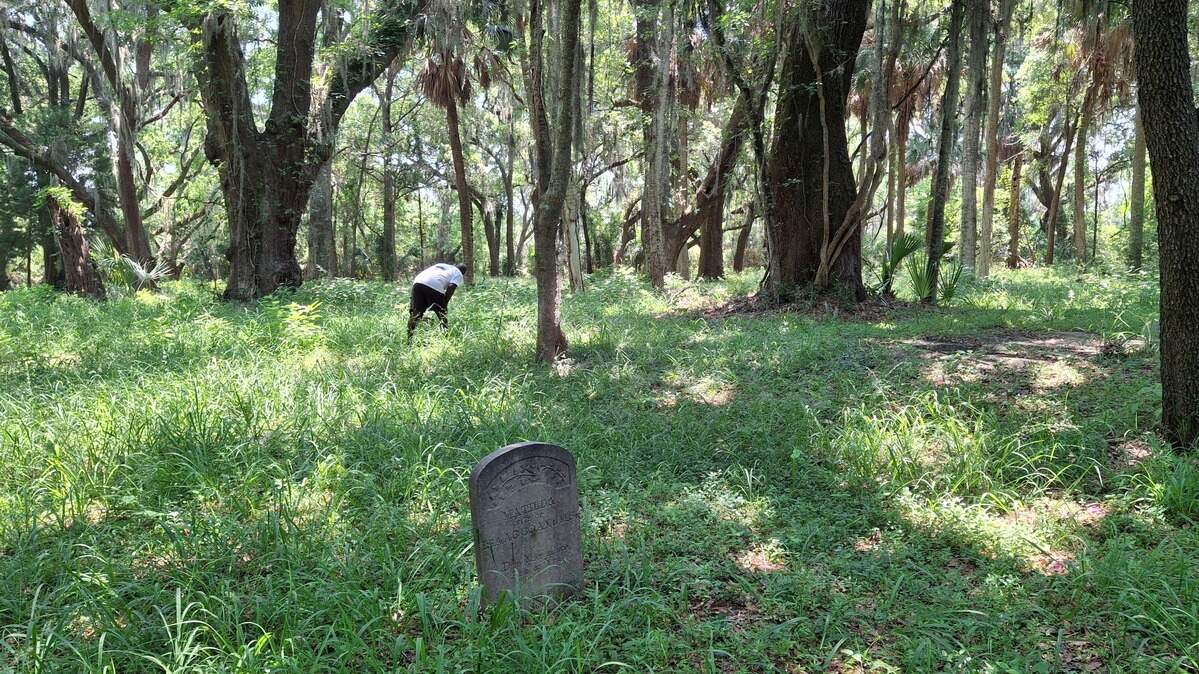
As existing properties and new housing developments rise near historic Gullah cemeteries, disputes over access are now an issue finding their way to the courts for resolution.
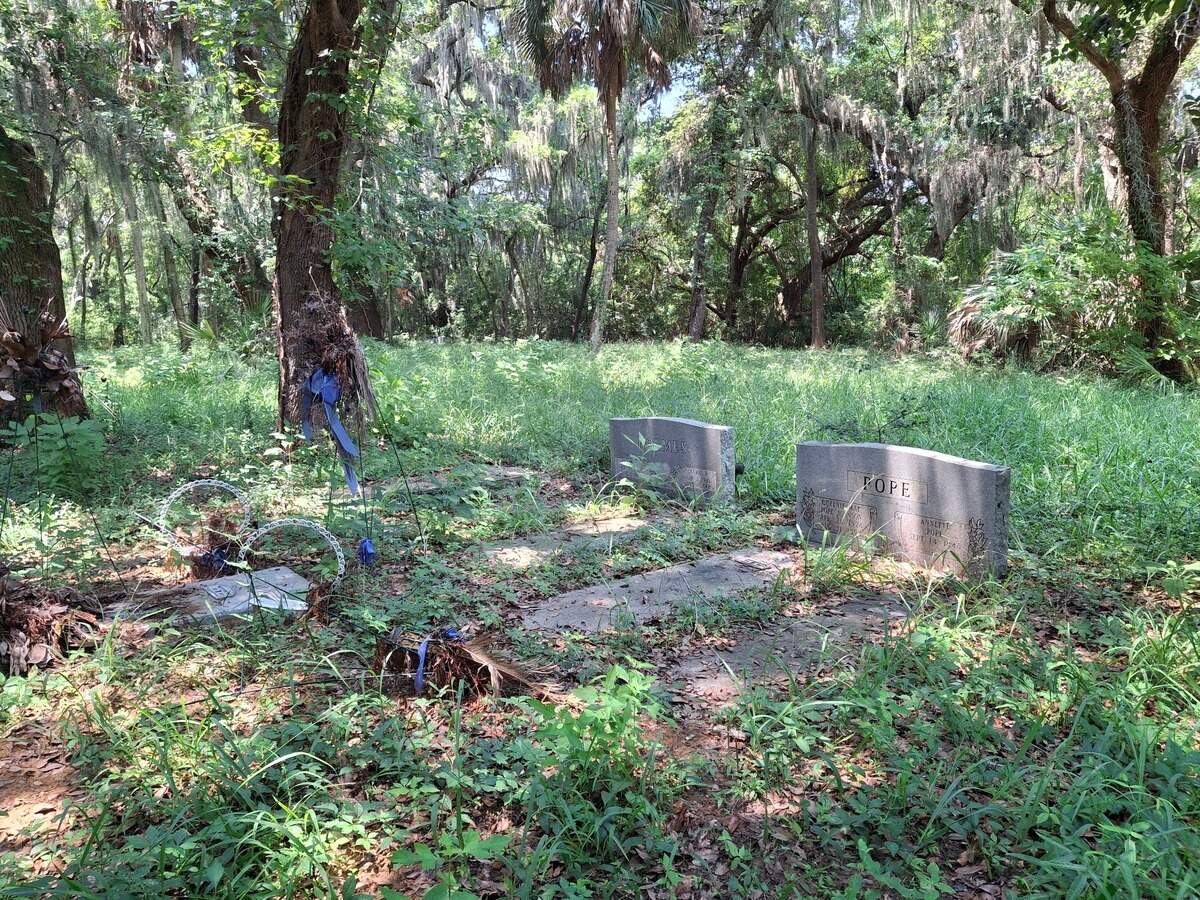
Several St. Helena Island residents have sued three nearby landowners over access to the Big House Cemetery where gates were locked beginning last May.
The local dispute reflects a broader issue facing Gullah Geechee communities: The loss of historic burial grounds as new developments arise and unfamiliar residents move in, according to those behind the suit.
Seaside Road-area residents on St. Helena, one of the largest existing Gullah Geechee communities in the southeastern U.S., first raised concerns about being locked out of Big House Cemetery last July. Their concerns have sparked a bill in Columbia to increase penalties for those who prevent access to private burial grounds, which already is illegal.
On Wednesday, The Big House Cemetery Committee, Shanoma Watson, Julia B. Scott, Jimmy Pope, Tamika Middleton, Shelia Middleton, Mary Mack, Leroy Haynes, Sherika Chisom, Sherike Bennett and Arlene Covington took legal action, filing a lawsuit in Beaufort County Court of Common Pleas naming Theresa Aigner, Robert Cody Harper and Walter Robert Harper Jr., who own property around the cemetery.
“The Big House Cemetery has been in our family and community for as long as I can remember. It’s an opportunity for us to show that we just don’t love our ancestors in life, but we love them in death,” Mary Mack, a plaintiff as well as the chairperson of the Big House Cemetery Committee, said of the lawsuit in a news release. “Without access, we cannot mourn and honor relatives and other loved ones buried at the cemetery.”
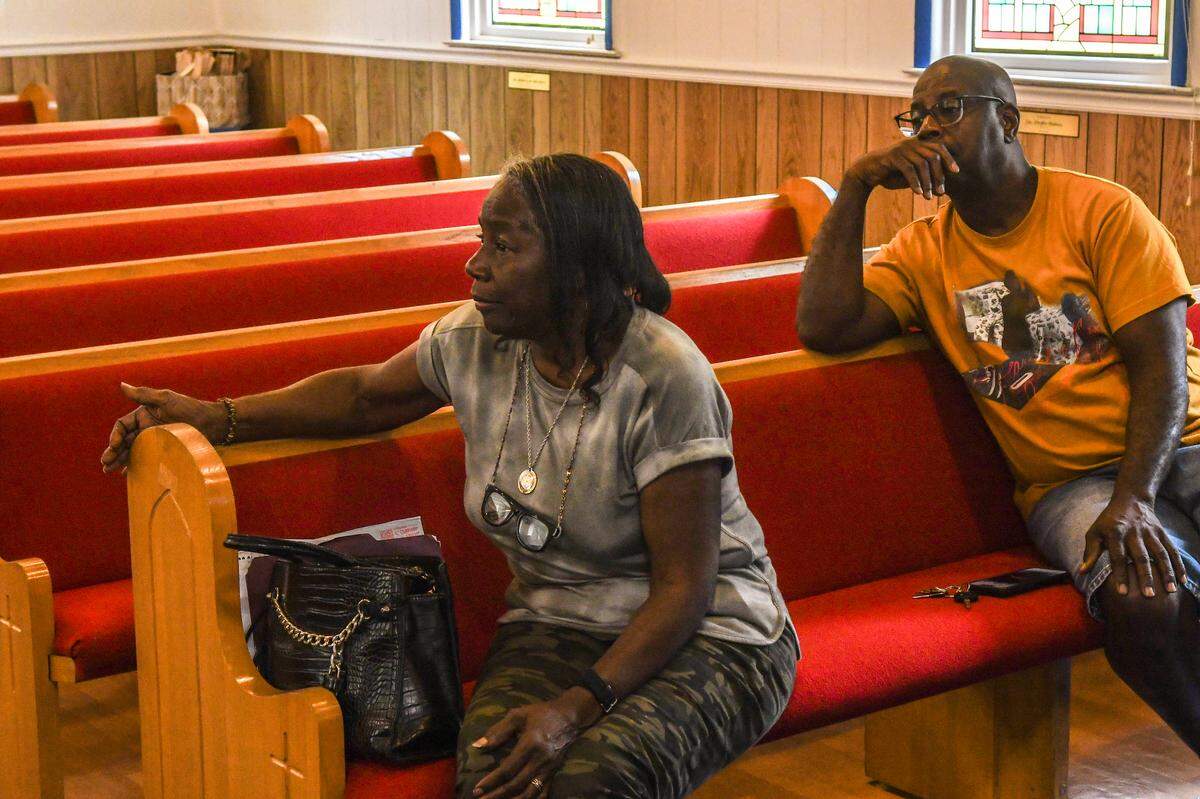
Mack previously told the Beaufort Gazette and Island Packet that many waterfront cemeteries are considered precious to African American people and were purposefully placed near the water because of the Gulluh-Geechee belief that the spirits of their ancestors who “came across the water unwillingly” would transcend back over water to their home countries after they were buried.
Gullah Geechee are descendants of enslaved people from West and Central Africa.
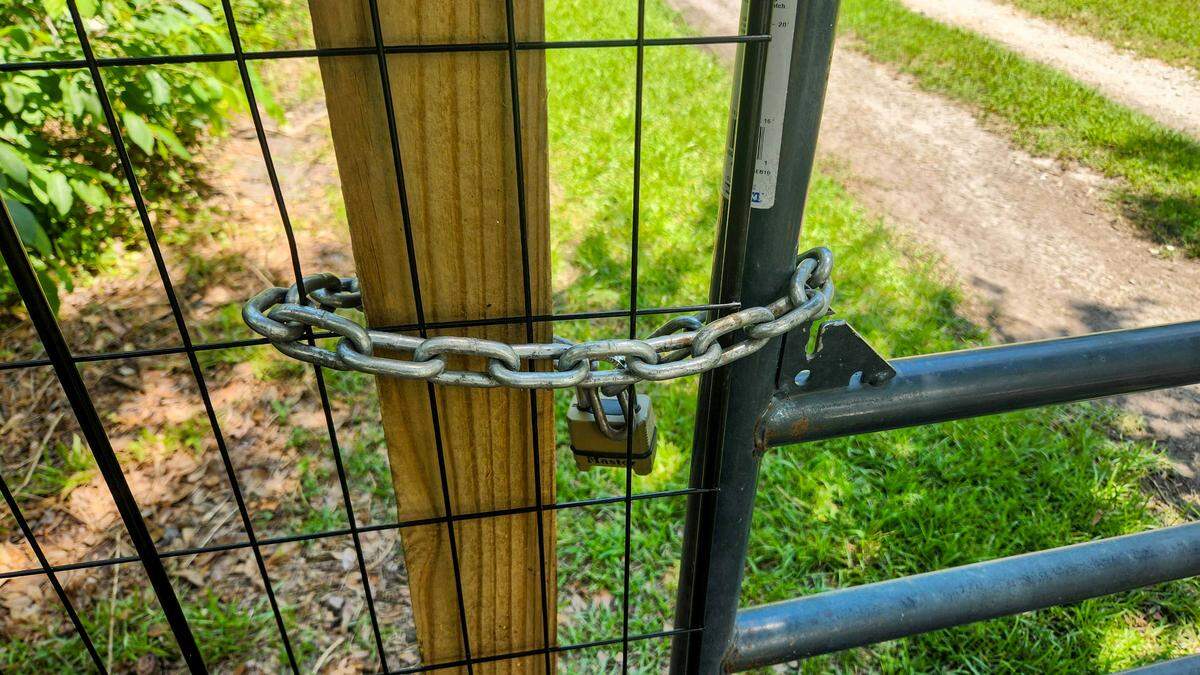
The lawsuit claims that Aigner and the Harpers installed locked gates that, in violation of long-established South Carolina law and Gullah Geechee burial practices, prevent community members from visiting, maintaining and holding burials at the sacred site.
But Aigner previously told the Beaufort Gazette and Island Packet that no legal or historic route to the cemetery exists on her property. In fact, she says an existing right-of-way exists on property near the cemetery owned by one of the plaintiff’s in the lawsuit. Even so, she said, she allowed people to enter through her gate after she purchased the land about four years ago. But she ended that practice after thousands of dollars in damages were caused to her property during a funeral procession that also left the property littered with garbage. “I’m so tired of being villainized,” Aigner said at the time.
Aigner said Wednesday she would not comment because she had not been served with the lawsuit. “We’ll see what happens,” she said.
The Harpers were not immediately available for comment.
The lawsuit was filed on behalf of the residents by the Center for Constitutional Rights, which works with communities “under threat to fight for justice and liberation through litigation, advocacy, and strategic communications.” Co-counsel is Tyler Bailey, an attorney with the Columbia-based Bailey Firm.
Approximately an acre in size and once part of a cotton plantation, the 165-year-old cemetery is located between Seaside Road and the Harbor River.
The cemetery is still in use today.
In May 2024, after allowing access to the cemetery for several years after she purchased and moved to the property, Ainger blocked access through a locked gate, the lawsuit says, rendering it inaccessible to vehicles with attempts to negotiate access failing. The Harpers, also newcomers to the area, then installed a separate gate that blocked access to the entrance to the cemetery, the lawsuit says.
Soon after, five members of the community died in a three-car crash, and their families could not bury them alongside their family members and had to use a cemetery twenty miles away, the lawsuit notes. The rest of the community also has been unable to reach the cemetery for burials, maintenance, and visits with loved ones for the last year.
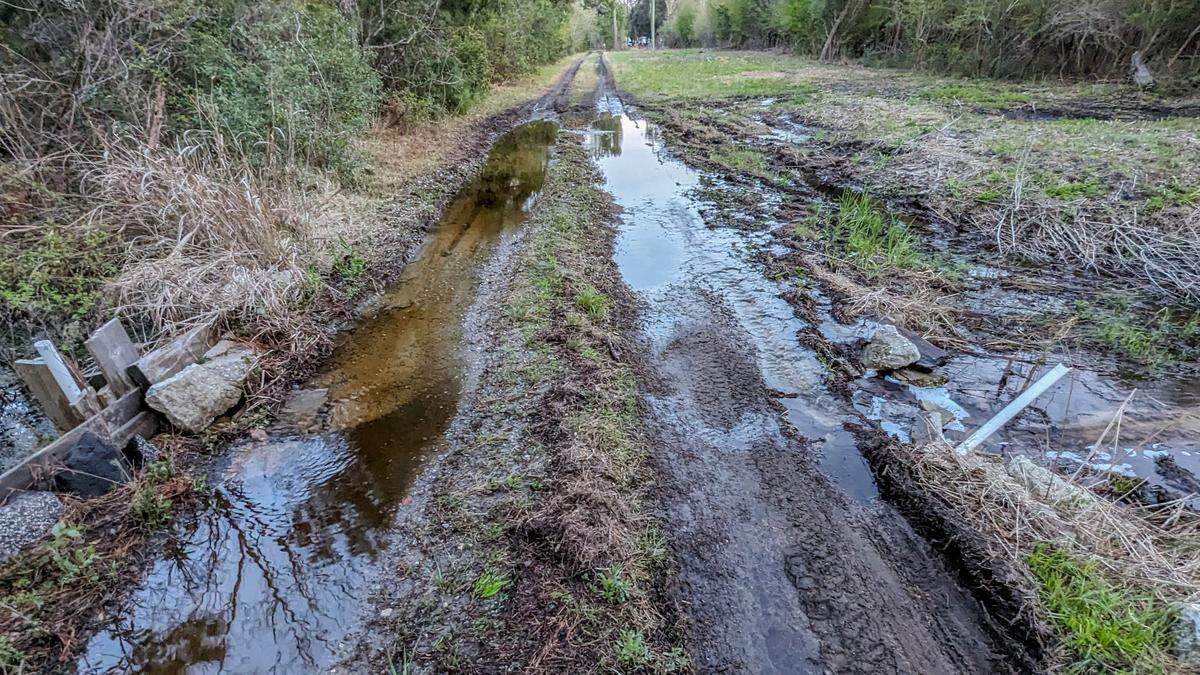
The lawsuit says the defendants’ actions violate South Carolina law, which protects the rights of people to use cemeteries to bury and visit their loved ones. It also claims an easement, or right-of-way, exists on a road to access the cemetery that the local community has used for decades.
The lawsuit asks the court to order the defendants’ to ensure access and award money for emotional and economic harm.
Because of the dispute over the St. Helena cemetery access, state Rep. Michael Rivers, D-St. Helena Island, introduced legislation in the South Carolina House in December that would establish fines and possibly up to 30 days in jail for blocking access to a private cemetery. Rivers said a stronger deterrent to limiting access is necessary in the law because, “Right now, it’s kind of like sayin’, ‘You shouldn’t do it — but people are doing it.”
The legislation, however, has been held up in the state’s judiciary committee since December, Rivers said.
Gullah Geechee communities on other Sea Islands, such as Tybee Island and James Island, have also fought for the right to access and visit their family members at burial grounds, according to the Center for Constitutional Rights.
This story was originally published May 1, 2025 at 10:44 AM.