Four candidates fighting for two jobs on the Beaufort City Council. Here’s where they stand

Taxes, marina management, the future of Waterfront Park, parks and explosive growth — that’s just a sampling of the critical issues facing the city of Beaufort as the Nov. 5 election approaches.
While Mayor Phil Cromer and Councilman Josh Scallate battle it out for the mayor’s job, four candidates are running for two open council seats that carry four year terms. The two candidates who win the most votes will win those two seats.
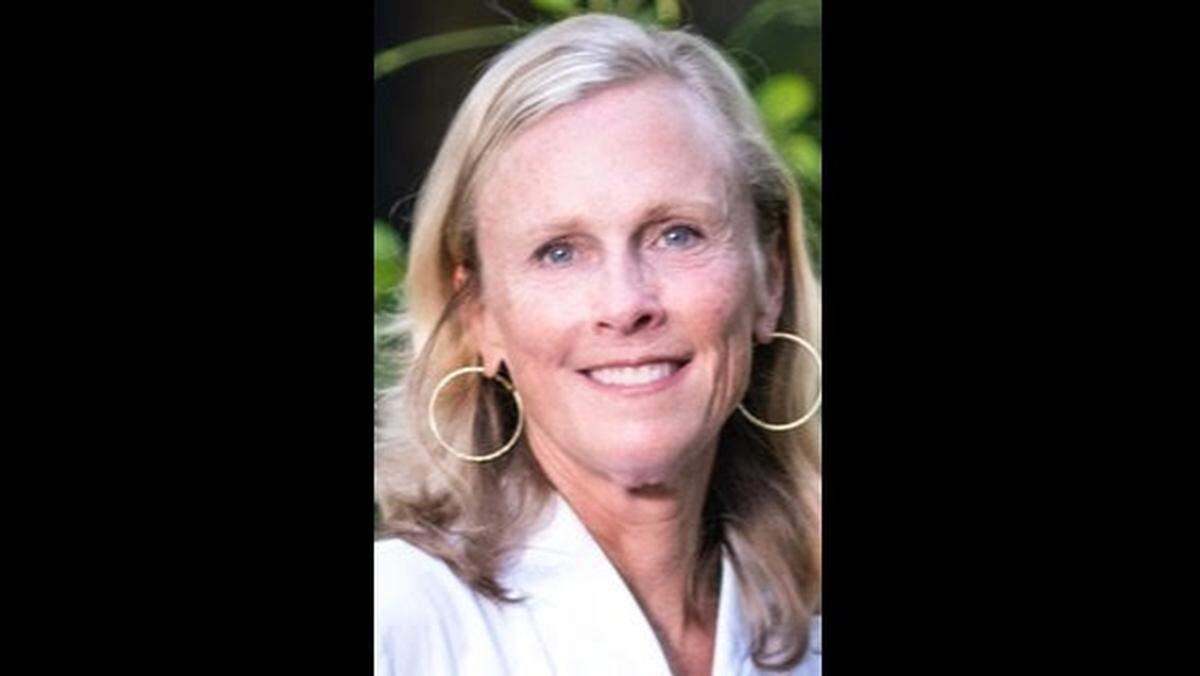
Julia Crenshaw, 63, was born in Richmond, Va., and has lived in Beaufort for three years.
She says her work in real estate and high-end art sales and volunteering with her local EMS services in Richmond would help her in serving on the City Council.
Crenshaw also was a 2023 graduate from the Beaufort County Senior Leadership Program and volunteered for the past three years with the Pritchards/Little Capers Islands Sea Turtle Patrol.
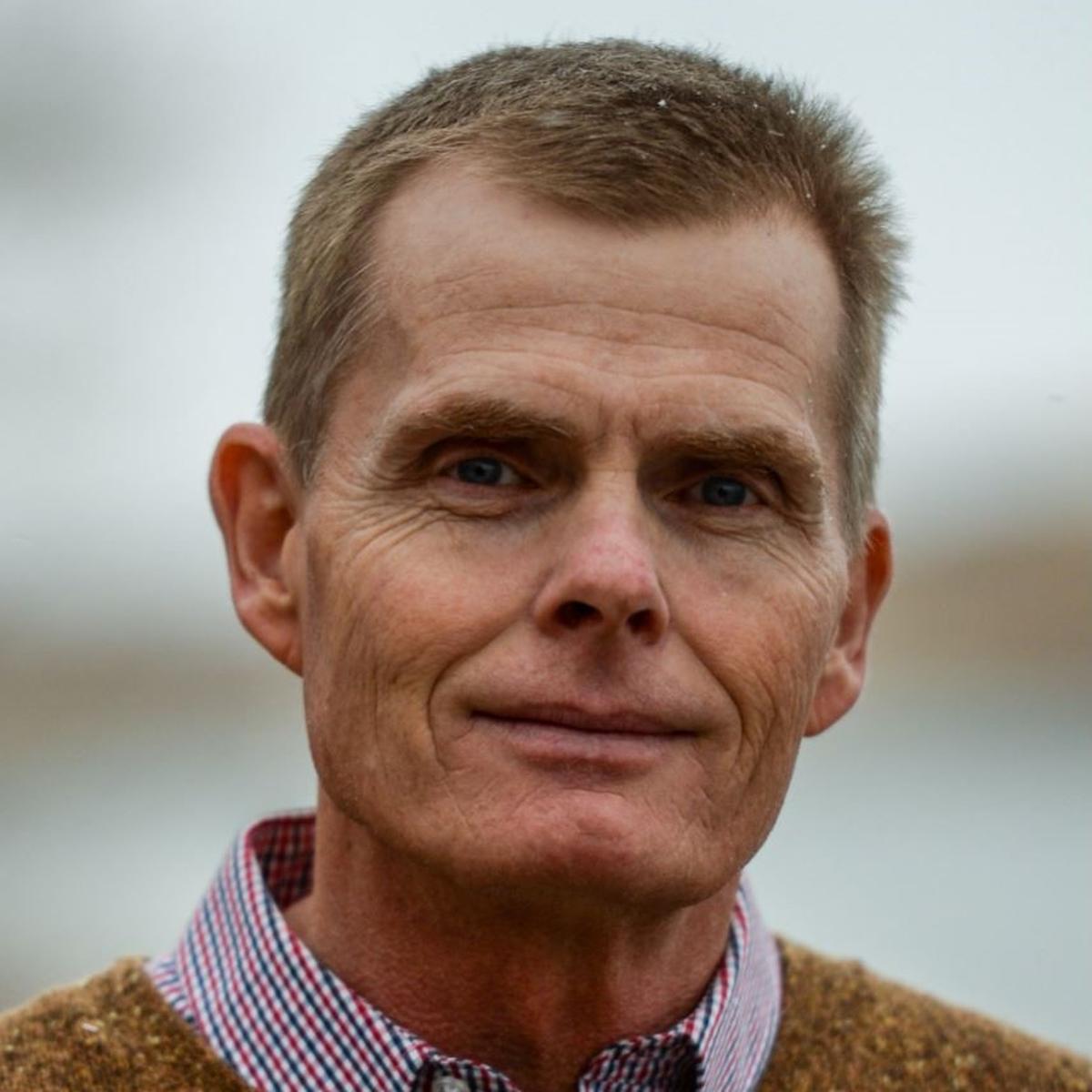
Josh Gibson, 54, who lives on Duke Street, is a photographer and small business owner who graduated from Beaufort Academy.
He was the chairman of the Beaufort Zoning Board of Appeals for six years and past president of the Old Commons Neighborhood Association. He also served on the Metropolitan Planning Commission.
Gibson says his experience of being on both sides of the podium in city meetings — asking for building permits and approvals in the Historic district as well as listening to the citizens and approving variances when codes were too restrictive — will help him to serve on the City Council.
Neil Lipsitz, 65, who lives on Harvey Road, won a seat on the City Council in 2020 and is seeking reelection. He is retired from Lipsitz Department Store and Lipsitz Shoes and he was born and raised in Beaufort.
Other experience that Lipsitz says helps him in serving on the City Council are representing Beaufort on the Lowcountry Council of Governments and past service on Southern Lowcountry Regional Board, Beaufort County Tax Equalization Board and the South Carolina Board of Nursing.
Lipsitz is a graduate of Leadership Beaufort and the Municipal Association of South Carolina’s Advanced Municipal Elected Officials Institute of Government.
Mitch Mitchell, 74, who lives on Anchorage Way, won a seat on the council in 2020 and is running for reelection. He is a retired major general in the U.S. Air Force, former U.S. Marine Corps officer and a former airline pilot and FAA pilot check airman.
Mitchell, who was born in Sheldon Township, has lived in Beaufort 27 years. Before he was elected to the City Council, he served on the Beaufort County Planning Commission from 2017-2020.
Serving as his high school class president for four years; rising through the cadet ranks to colonel and brigade commander at South Carolina State University; and, as a military officer, rising from second lieutenant to major general and commanding at the squadron, wing, numbered Air Force and joint command levels give him the leadership skills needed to serve on the City Council, he says.
The four candidates answered several questions from the Beaufort Gazette and Island Packet:
1. It has come to light that the lease the city has with Safe Harbor Marina to manage the city-owned marina at Waterfront Park was improperly approved in 2019. Some are now calling on the city to negotiate a new lease, renegotiate the existing lease, or even for the city to manage the marina. What path should the city take regarding the marina?
Crenshaw: I believe the best way forward is to start from the beginning and ensure that the city follows the law and proper procedures this time around. It’s crucial that we have full transparency and give the public opportunities to provide input at every stage. Whether we renegotiate the current lease, draft a new one, or explore other management options, the key is to take a thorough, legal approach that keeps the public informed and engaged throughout the process.
Gibson: This is such a mess that there is not nearly enough space to describe a solution. The important thing is we need a complete fix and not the Band-Aid solution that was proposed. The reality is that we need the federal government to approve leasing the marina property to make it legal and that process has just barely begun. It’s important to recognize that it took proactive citizens for the city to even acknowledge that they had dropped the ball on this. We should do a better job of listening to concerned citizens and not dismissing them as troublemakers, as they have been in the past.
Lipsitz: First we should create a panel that includes our citizens, Historic District Review Board and Planning Commission to create a public survey. Also a charette should be created for more public input. The panel should disseminate the information and give it to a negotiation team to meet with Safe Harbor.
Mitchell: It is true that the operating agreement between our city and Safe Harbor Marina is invalid as it was not approved via ordinance — a requirement of state law. Now that a lease must be negotiated it affords the city and Safe Harbor an opportunity for a better relationship. I support forming a committee consisting perhaps of a councilman, a member from the Planning Commission, an Historic District Review Board person, citizen, and staff person. This group would provide guidance to a negotiating team that would consist of a member from council, the city manager and city attorney.
2. A recent inspection revealed serious problems with the supporting structures underneath Waterfront Park and the seawall. How should the city approach this problem and pay for it?
Crenshaw: Addressing the issues at Waterfront Park is the city’s number one priority in my view. These problems are complex, and solving them will likely require multiple levels of government and community resources to secure the necessary funding. Equally important, the public must have their voices heard throughout the process. By keeping an open dialogue, we can ensure that the solutions reflect the needs and concerns of Beaufort residents.
Gibson: With a problem this systemic, the only right solution is a long-term solution. We’re going to need partners at all levels of government, county, state and federal, to do the work needed. This is where the intergovernmental relationships will be crucial. We can’t do it alone. The city is going go need to work with a good engineering firm to clarify the scope of the problem and the solution. This is the most important infrastructure project the city will undertake in the next 50 years and it won’t succeed without the input of not just experts, but also our citizens. We have got to get this right.
Lipsitz: The city will be soon picking a firm to assess the current condition of the Waterfront Park and present a range of options for resolution. As far as paying for it, we will seek federal and state funding. Both are waiting to see how much they will be able to assist.
Mitchell: Chambers Waterfront Park is a most important asset for our city. It must be protected and maintained. Latest structural evaluation revealed damage to piles, presence of shoaling and other compromises to the relieving platform. Until structural and mooring analysis are completed, all cruise ship docking is prohibited. Our city manager and staff have initiated steps to determine the extent of damage and the requirements necessary to protect our Park. I support these initiatives. Our city and Chambers Park is also a state asset. Support from our state legislators will be important for restoration of the park.
3. Numerous apartments and other construction projects are underway in Beaufort. Some area roads are congested. What should the city do to immediately confront the impacts of this growth?
Crenshaw: I’m very concerned about the rapid growth Beaufort is experiencing. With over 2,400 apartments already permitted but not yet built, we need to act now before the impact on traffic, infrastructure and our quality of life becomes overwhelming. I believe the city needs to step back, revisit its permitting procedures and zoning codes, and develop a long-term, strategic plan for managing growth. In the short term, revisiting our codes will help slow the immediate impact and give us time to get a handle on the situation.
Gibson: It is time to explore ways of putting some restraints on the number of permits that can be approved in any given year, and it might take a short term moratorium while a new policy is considered. If all of the apartments that are already permitted are built and rented, the next five years of growth will be the largest in the 300+ year history of the city. That worries me and we have to slow that down. The city simply can’t upscale services and infrastructure that quickly and it has negative impacts for all of us.
Lipsitz: We need to get South Carolina Department of Transportation to better synchronize the traffic signals as more projects are completed. Also possibly more traffic signals and turn lanes that are synchronized with the existing signals.
Mitchell: First, it is important to know that the explosive construction we have seen recently resulted from permits approved a long time ago — as much as 20 years in some cases. These developments resulted from agreements granted by boards appointed by council and the code administrator using guidelines from the development code in place at time of approval. Over the last year, council have conducted edits to our development code that will allow for more measured growth and preservation of our green spaces. An important limiting factor related to growth will be BJWSA’ ability to provide water and sewer.
4. Proposed improvements in the King Street area to address flooding have been met with resistance from residents who say there are other ways to address the issue with less impact on the neighborhood. How should the city address this infrastructure challenge and others like it going forward?
Crenshaw: I believe that while infrastructure improvements are critical, they must be done with the community’s input in mind. The King Street situation highlights the need for collaboration between the city and residents. The city should explore all possible solutions and work with those affected to find ways to minimize negative impacts on neighborhoods. Listening to residents and involving them in the decision-making process will help us find the best possible outcomes for everyone.
Gibson: Stop talking and start listening. We need to have work sessions for infrastructure projects not just at City Hall, but in the neighborhoods that they impact. The solutions should come from the citizens with their input, not from the top down model the city has been using lately. We have to go meet the people where they live and where the projects will be built. We can’t have a City Council that just waits in a meeting room. The City Council has to be more proactive about making it easier for every citizen to be able to participate.
Lipsitz: It has been pretty much settled. Old pipes will be replaced and a little bit bigger outflow where it currently is.
Mitchell: In hindsight, everyone directly connected to the King Street drainage project would say that communication between the city and citizens could have been better. I commend the citizens of the Point Neighborhood for their tenacity in sharing what they considered acceptable and what they considered unnecessary. I commend our city’s staff, for their leadership in working with the engineers and the citizens to arrive at a solution that reduces the flood threat while also promising minimally disruption to the neighborhood. The solution going forward is to always inform the citizens first — before engaging with the consultants or engineers.
5. The city is undertaking major improvements to two parks in the city, Southside and Washington Street. Do you support these projects? Why or why not?
Crenshaw: Yes, I support these park improvements because they are important investments in our community’s well-being. Parks are essential public spaces that bring people together, and it’s vital that we maintain and enhance them for future generations. That said, I believe we need to manage these projects with fiscal responsibility, making sure that taxpayer dollars are spent efficiently and transparently.
Gibson: Those projects have been approved and are moving forward. I don’t see any point in trying to change that. My hope is that we can work together to make sure that they don’t just get built, but that they are also well maintained, to protect the investments that have been made. When we can afford them, well designed and maintained public spaces add great value to all of our neighborhoods.
Lipsitz: I very much support both of these projects. Southside Park improvements were promised to the neighborhood over 20 years ago. Mossy Oaks is one of Beaufort’s biggest neighborhoods and there is no playgrounds for the kids. This will be a great place for neighbors and tourists to gather to enjoy the amenities. Washington Street Park is also an underserved neighborhood. Some amenities are already there and very much being used.
Mitchell: Yes, I support the construction of Southside Park and improvements planned to for Washington Street Park. The neighborhood of Mossy Oaks represents the largest residential area in our city. These citizens have long been promised a quality park. I applaud Councilman Lipsitz for leading the charge to bring the ongoing construction of this park to fruition. I also thank Beaufort County for committing to provide the financial resources for the full basketball court. Prior to integration, Washington Street Park was the only park available to our city’s African American population. The new pavilion and other improvements are long overdue.
6. Besides an obvious willingness to serve your community, what issue or issues are driving your campaign for City Council?
Crenshaw: I’m running because I want to preserve what makes Beaufort special while ensuring we manage its growth responsibly. My campaign is focused on responsible growth management, infrastructure integrity, and making sure we’re good stewards of taxpayer money. I also believe strongly in long-term planning, transparency, and engaging the public in decision-making. I want to bring new energy and fresh ideas to the council, and I’m committed to making choices that will benefit Beaufort for years to come.
Gibson: The exploding cost of being a Beaufortonian. The current City Council isn’t helping. My property taxes went up 14% last year. Yours went up too. Just look at your property tax bill. When Mayor Cromer proposed even considering looking for places to trim the city budget, he was shut down by council members. If you see a sign that says RE-ELECT on it, it might as well say keep raising taxes and spending more money, because that’s been the behavior of the current council. Incumbents will tell you taxes didn’t go up, but your tax bill won’t lie. Look up what you paid in 2022 and in 2023 and decide for yourself if they raised your taxes.
Lipsitz: Continue to seek more affordable housing and decent paying jobs. Also I want to see the Technical College of the Lowcountry and the University of South Carolina Beaufort (USCB) thrive, especially the marine science program at USCB. There is a huge opportunity to make Beaufort one of the leading schools in marine science on the East Coast. Just like we need healthcare to make us stay healthy, a top notch marine science program can keep our marshes and ecosystem healthy.
Mitchell: My immediate concerns are: (1) Ensuring the viability of Chambers Waterfront Park, (2) Completion of drainage project, (3) determining the way ahead for management and maintenance of our city’s marina. My campaign’s top 3 strategic goals are: (1) Environmentally safe economic development, (2) Housing: workforce/affordable/repairable, (3) Traffic—reduction, alternative modes of transportation and alternative routing.
7. Are there specific constituencies that you hope to represent on the council? Working families? Long-time residents? Specific neighborhoods? Development? Business? Historic preservation? The environment? Other?
Crenshaw: I see myself as a representative for all Beaufort residents. However, I’m particularly passionate about advocating for working families, long-time residents, and those committed to preserving the historic character of our city. I also want to ensure that our natural environment is protected as we grow. Whether it’s business owners, young families, or preservationists, I’m committed to making sure every voice is heard and that Beaufort’s future reflects the needs of the entire community.
Gibson: If you’re running for an at-large seat you have an obligation to represent every citizen and favor none over the other. In my life I’ve lived in Mossy Oaks, Battery Point, The Old Point, Hundred Pines and now in The Old Commons. I think that living in all of Beaufort has given me a unique breadth of experience that allows me to relate to and represent all Beaufortonians.
Lipsitz: I have and will continue to represent all my constituencies the best I can. I am a full-time councilman. The only thing I love be more than my city is my family.
Mitchell: I strive to remain cognizant that elections are nonpartisan in our city and that I was elected “at-large.” I represent every citizen in our city, and I am responsible to every citizen — the very vocal few and those that may feel they don’t have a voice or that their vote doesn’t count. The fact that our elections are nonpartisan is particularly freeing for me, as it allows for energy to be focused on the problems and not the politics.
This story was originally published October 16, 2024 at 10:45 AM.