Q&A: Here’s how Beaufort mayoral candidates would address growth and Waterfront Park
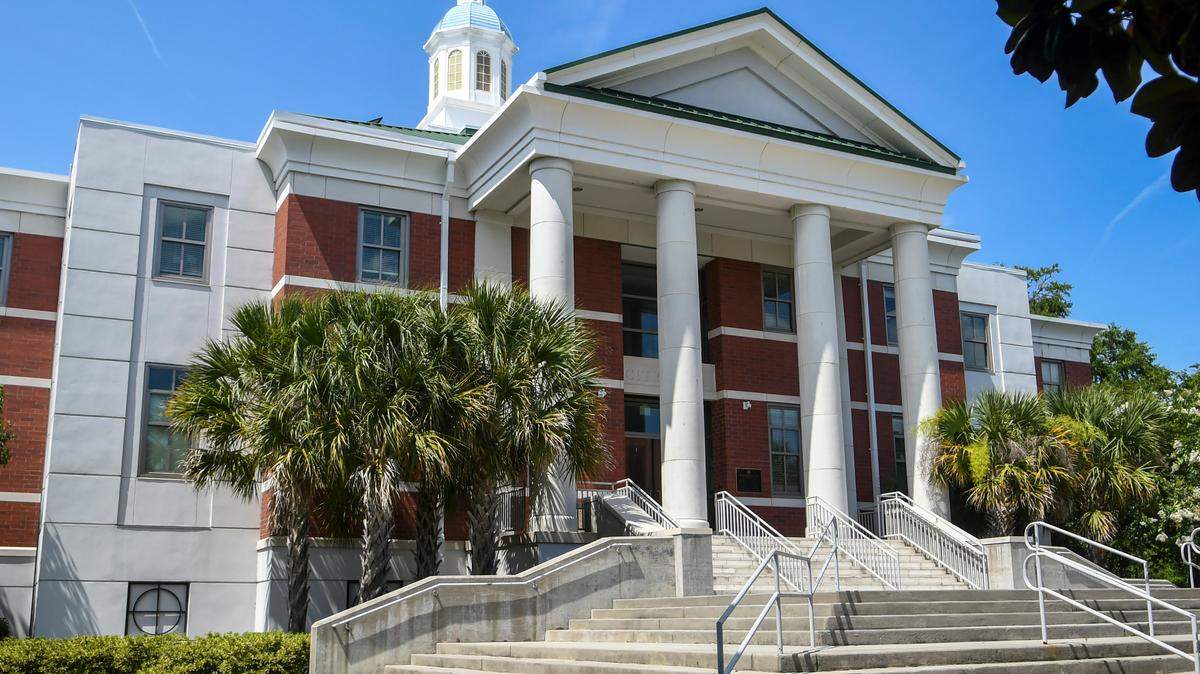
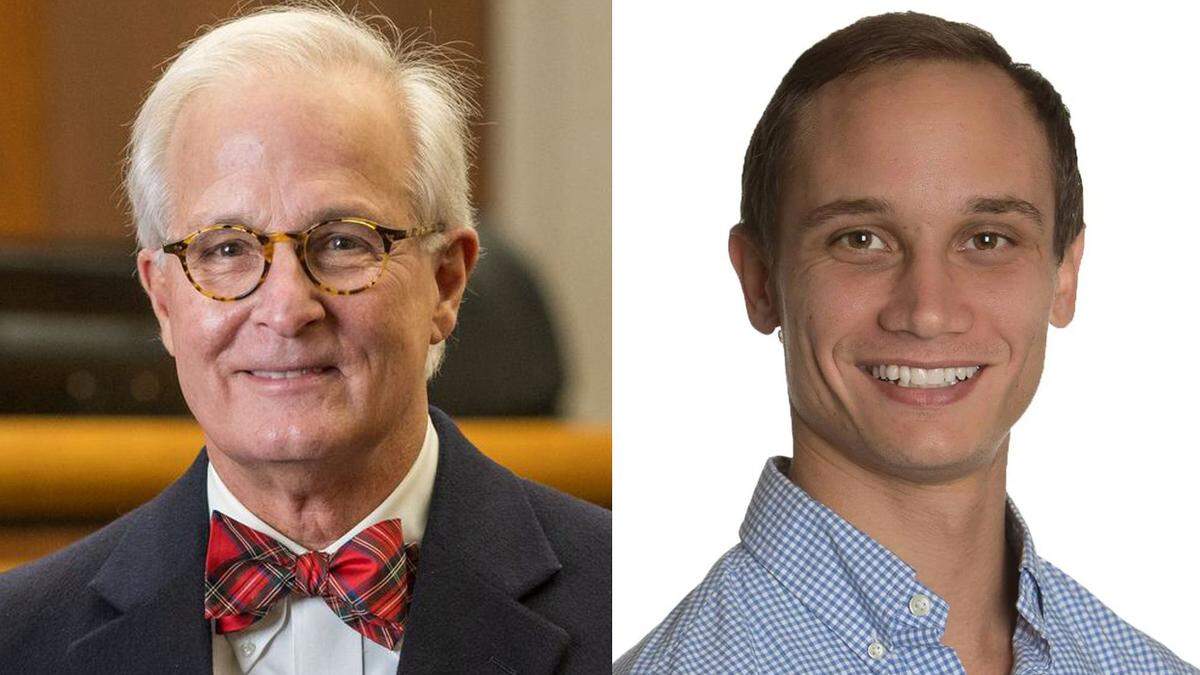
Candidates Josh Scallate and Phil Cromer answered several questions from the Beaufort Gazette and Island Packet ahead of the Nov. 5 election for Beaufort mayor.
Here are their answers:
1. It has come to light that the lease the city has with Safe Harbor Marina to manage the city-owned marina at Waterfront Park was improperly approved in 2019. Some are now calling on the city to negotiate a new lease, renegotiate the existing lease or even for the city to manage the marina. What path should the city take regarding the marina?
Scallate: The appropriate path forward is what it was in 2019. As representatives we need to first understand what our community wants in a marina. There are many ways this can happen but one identified route would be to conduct a survey, host a charrette and stimulate conversation amongst our residents. The results of this will bring about the next step.
Cromer: A public survey about the marina needs to be conducted to provide direction. Since an ordinance to lease the marina to Safe Harbor was not done in 2019, the lease is invalid. To move forward with renegotiation of the lease would run afoul of our procurement ordinance. Next steps would be to decide whether to lease the marina operation or have the city manage it. My preference is to contract with a saltwater marina operator for a fee, with the city receiving slip and mooring fees. These fees would be placed in a fund. When Dock repairs are required, revenue bonds are an option with repayment from the fund.
2. A recent inspection revealed serious problems with the supporting structures underneath Waterfront Park and the seawall. How should the city approach this problem and pay for it?
Scallate: For point of clarification it was not a recent study that revealed serious problems because a study from 2016 and another from 2019 revealed very similar concerns. The concern is that this was not a priority years ago. While some on council claimed to be “shocked” by the recent report, my hopes are that we can be better prepared than 50 years behind. Conversations with the state Ocean and Coastal Resource Management and U.S. Army Corps of Engineers have begun and we hope that federal and state funding will be accessible to help us meet our needs. I will work to ensure we are better prepared for future projects.
Cromer: The city has issued a request for qualifications and is in the process of interviewing the finalists. Whichever consultant is chosen, they are to provide the city with various options and associated costs to fix the structural issues with the Waterfront Park. Since the park is our “crown jewel” and important to our tourism and economy, the city is hoping to capitalize on state and federal funding to cover much of the cost. Depending on the option chosen, phasing may be considered to limit disruption of use of the park.
3. Numerous apartments and other construction projects are underway in Beaufort. Some area roads are congested. What should the city do to immediately confront the impacts of this growth?
Scallate: A quick review of both our development code and our comprehensive plan will reveal that the two are not aligned. Our code is confusing and leads to an unpredictable process. Minor adjustments to promote minimum requirements for tree canopy coverage, greenspace and pathways inside each development (as) opposed to the current exemptions for the like would prove beneficial in building a city we can be proud of. This would help foster multimodal transportation which residents have identified as a priority. In addition a clear understanding regarding our utility capacity is important to environmental resiliency. As your mayor this will be a priority.
Cromer: Most of the growth is along Highway 170 where development agreements have been in place for years. To address exploding growth (and associated loss of trees and habitat), the city needs to revisit zoning regulations and comprehensive plan to prioritize smart growth strategies that support sustainable development and natural spaces. To alleviate traffic congestion, emphasis should be on exploring public transportation options including include walking and bike paths. Significant public input and regional collaboration will be required to achieve these goals. Currently, sewer capacity issues are slowing growth, but continued growth may necessitate (as a last resort) a temporary moratorium on permits until infrastructure can catch up.
4. Proposed improvements in the King Street area to address flooding have been met with resistance from residents who say there are other ways to address the issue with less impact to the neighborhood. How should the city address this infrastructure challenge and others like it going forward?
Scallate: It is important as representatives that we first know and understand what our constituents want. Gathering community input by engaging neighbors up front and before design work begins could be helpful in avoiding such conflict as well as understanding the problem through firsthand knowledge of those who frequent the area of discussion. As your mayor, building a transparent and responsive government will remain a priority.
Cromer: Going forward, the city should address infrastructure challenges and any other challenges by engaging the affected residents about the issue(s), reviewing possible options, and working in concert to arrive at an agreed upon path forward. Public buy-in is critical to any success.
5. The city is undertaking major improvements to two parks in the city, Southside and Washington Street? Do you support these projects? Why or why not?
Scallate: Absolutely, I support both projects. Conducting preliminary research will highlight the vital role parks play in any community. This is an example of how leadership can contribute to the long-term well-being of both residents and visitors of our city. As someone who grew up in Mossy Oaks, I’ve witnessed the transformation of Southside Park, evolving from a water treatment facility into a 34-acre park that aims to enhance our sense of belonging while also fostering a greater sense of safety and I am proud to be a small part of that.
Cromer: Yes, I supported the improvements to both Southside and Washington Street parks. These parks are in areas that were underserved. Parks, whether active or passive, significantly improve the quality of life of a community and provide recreational opportunities for all. Open space also helps mitigate environmental and natural resource degradation.
6. Besides an obvious willingness to serve your community, what issue or issues are driving your campaign for City Council?
Scallate: I believe that our city is at the crossroads of deciding if we will focus our attention on the past or prepare for our future. My hopes are that we can successfully strike a balance of honoring our history and building our future together by establishing a transparent government that works to serve the entire city and not just pockets of it. In addition I hope to prioritize the safety and success of our youth to ensure the sustainability of our future through the next generation.
Cromer: Several issues are driving my campaign for mayor. Aside from public safety, which is always the top priority for any community, my issues are: Balancing growth while preserving what is special about Beaufort (character, charm, environment, and quality of life); public engagement and open government (making sure your voice is heard); fiscal responsibility (review of city assets, financial health, and consolidation of services where possible); infrastructure (Waterfront Park, marina, and stormwater); affordable workforce housing and neighborhood revitalization; diversifying our economy/higher paying jobs (technology/innovation).
7. Are there specific constituencies that you hope to represent on the council? Working families? Long-time residents? Specific neighborhoods? Development? Business? Historic preservation? The environment? Other?
Scallate: My aim would be to actively listen and best represent all of those who live, work and play in our community. As at-large members we should give and be a voice for all. With that said the city can and will do a better job engaging members of the community who have been under-represented through a lack of communication.
Cromer: Mayor and council members are elected at-large meaning we serve all citizens, not any specific constituency, with the goal of doing what is in the best interest of the city and its residents. Yes, the interests of constituencies need to be kept in mind, but the public interest of the entire community is Council’s responsibility. There are situations, however, when neighborhoods or constituencies have issues specific to them that require Council’s attention (and representation). This why public engagement and input are essential to the functioning of city government.
This story was originally published October 7, 2024 at 12:54 PM.