Access at issue in legal fight over historic Beaufort house once owned by Robert Smalls
The famous Robert Smalls house in Beaufort remains mired in a legal dispute over public access that involves the city’s former mayor, its most prominent historic preservation group, residents of the historic Point neighborhood, the city and even the National Park Service.
At stake is future use of the former home of Smalls, a Civil war hero who represented South Carolina in Congress, in telling the story of Reconstruction, the period from 1861 to 1900 when the country struggled to integrate millions of newly freed African Americans into social, political, economic and labor systems.
Increased tourist traffic generated by opening the private home to the public for tours and its affect on property values in the quiet Point neighborhood concerns some.
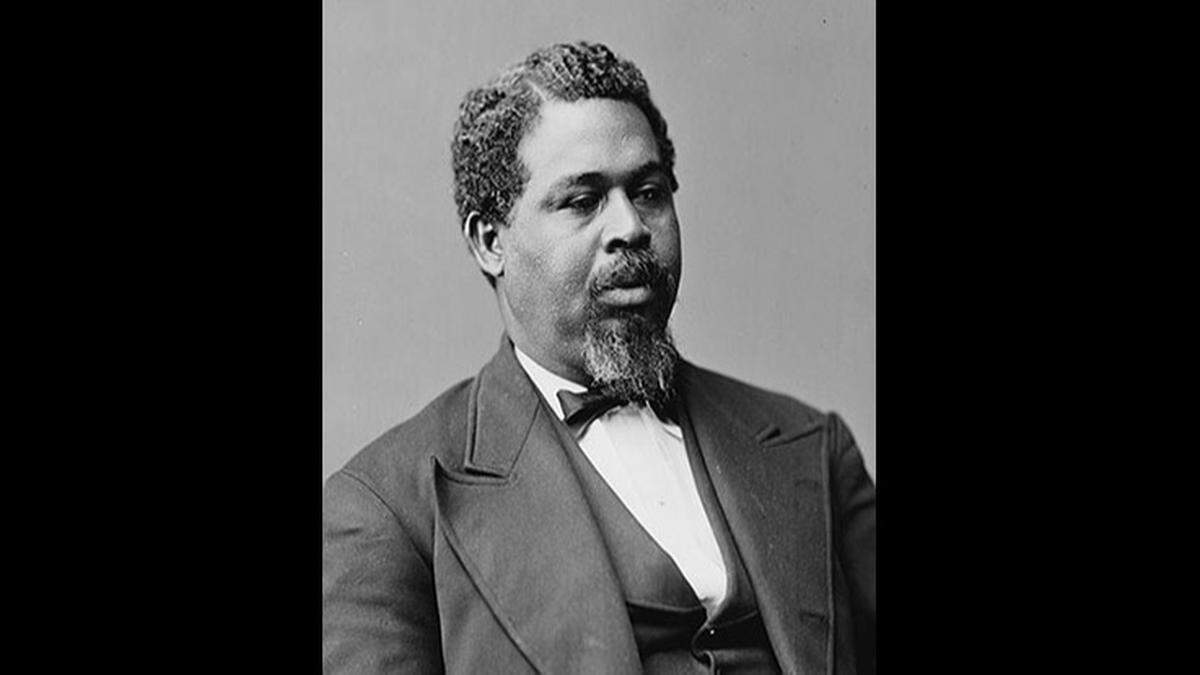
Smalls, who stole a Confederate supply ship during the Civil War, piloting it to freedom and a place in history, paid $605 for the house at 511 Prince Street in 1864, four months before the end of the Civil War. It was not just any house.
Smalls and his mother, Lydia Polite, once lived in the slave quarters located behind the two-story mansion, which was built around 1843 by the McKee family.
“Robert says, ‘I’m going to buy a house, but I’m not going to buy just any house,” said Chris Barr, chief of interpretation for Reconstruction Era National Historical Park, during a recent tour of historic sites in downtown Beaufort that included the Smalls property. “I’m going to buy my former enslaver’s house.”
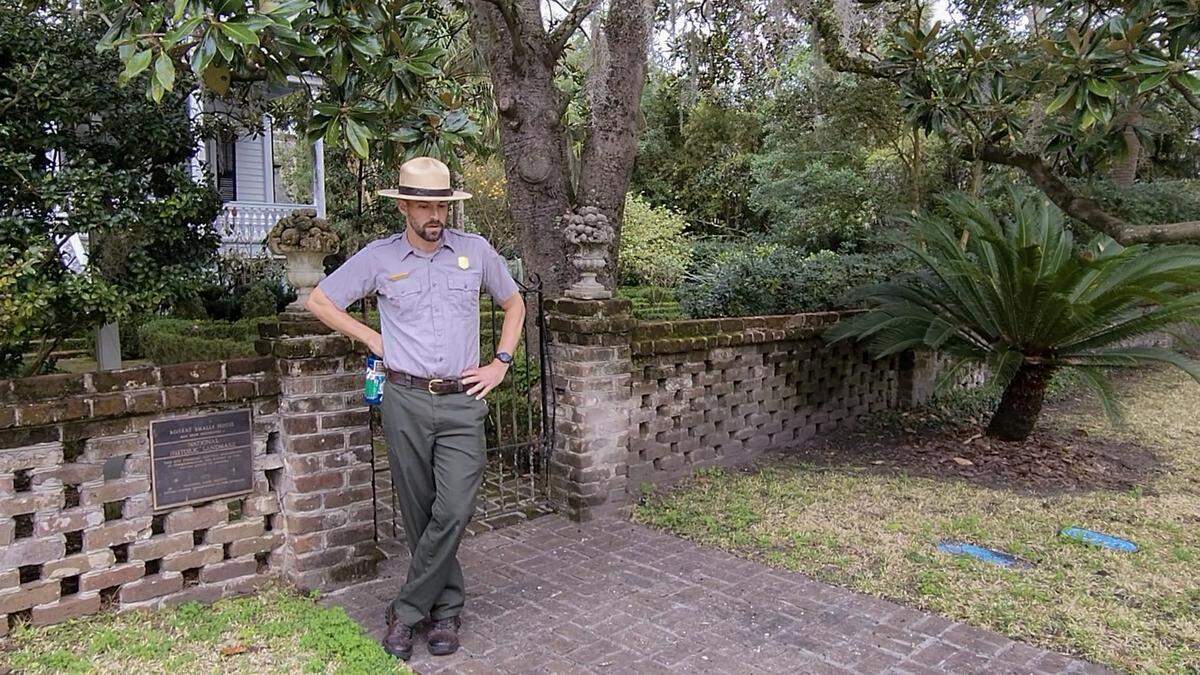
There’s no disagreement over Smalls’ moxy or historical significance to Black history — February is Black History Month — or the Reconstruction period following the Civil War.
At issue is the future use of his old house, which has remained a private residence for 180 years.
Former mayor buys house
Beaufort Mayor Billy Keyserling and his brother, Paul, bought what is now referred to as the Smalls-McKee house for $1.7 million in 2021 — 159 years after Smalls purchased the house.
The intention of the brothers, who have trumpeted a better telling of the positive contributions of the city’s Black residents during Reconstruction, is not to take up residence. Rather, plans call for turning over ownership to the not-for-profit National Trust for Historic Preservation — and eventually the National Park Service — after the Trust raises $2 million as part of a national campaign to repay the Keyserlings for their purchase of the significant property.
In the meantime, via an agreement with the Keyserlings, the Park Service now includes the property in daily tours it conducts across the city’s 12-block historic district, which is part of the Reconstruction Era Historic National Park. Sometimes, visitors are allowed to peek inside the house.
The inside of the the large framed house has undergone extensive renovations and modern updates. On the outside, with two porches and moss-lined steps and landscaped gardens, it still looks like an antebellum mansion. A carriage step remains that Smalls and others used to climb into horse-drawn carriages.
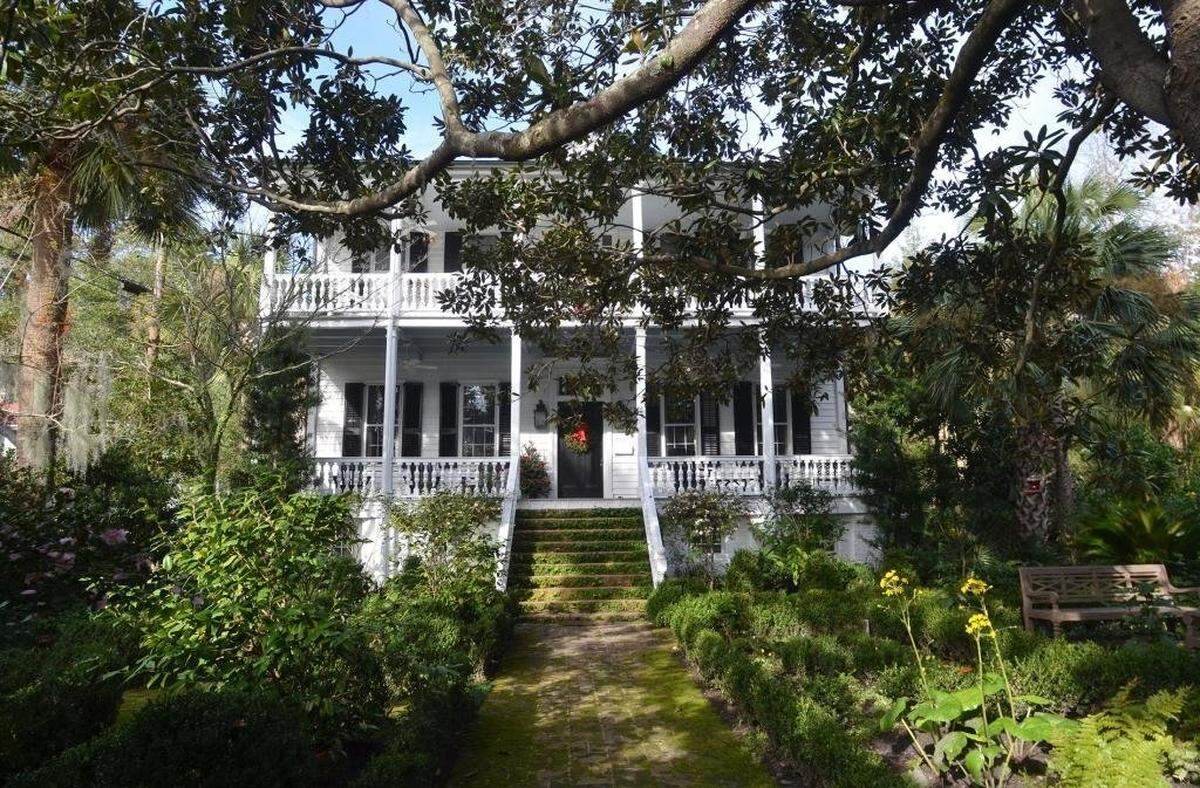
But the tours — and potential expansion of interpretive programs inside the house — has sparked two lawsuits by the Historic Beaufort Foundation (HBF) and Friends of the Historic Point Neighborhood (FHPN). Although the cases remain active, two preliminary orders in January favored the two groups, ensuring the legal dispute in the city’s historic district would continue.
Billy Keyserling — the city’s mayor from 2008 to 2020 — remains defiant, arguing he and his brother have no intention of turning the house into a museum as has been suggested.
“I’m personally sore about it,” Keyersling said of the lawsuits, “because they are wasting their money and our money on something we should have been able to sit down and work out.”
HBF: Easement was violated
HBF and FHPN see the situation much differently.
In light of a January ruling from Judge Clyburn Pope, tours of the property should no longer be occurring at the home, says Cynthia Jenkins, HBF’s executive director.
HBF holds a conservation and preservation easement on the Smalls property which is still tied to the deed that the Keyserlings now own.
That easement requires that the exterior architecture of the house be protected. It also says the property must continue to be a private residence. The Keyserlings, HBF says, violated the easement, and the private residence requirement, by opening up the home to daily tours led by the Park Service.
In siding with HBF, Pope agreed the easement clearly requires that the home be used as a private residence. There isn’t any evidence, the judge added, that the National Historic Trust or Park Service intends to use the property as a residence. The judge also dismissed a request from the Keyerlings for a summary judgment in their favor.
“This is an important ruling not only to preserve the McKee-Smalls house but also to protect the integrity of the Historic District,” HBF Chairman Wayne Vance said in a statement.
The easement allows for minimal public access several times a year, the HBF says, but not daily visits.
With attorneys still “exchanging papers back and forth,” Keyserling says, the Smalls property remains a part of the downtown walking tours at this stage.
The house is being rented, which Keyserling contends meets the provision that the home be maintained as a residence.
In another January ruling involving the property, Circuit Court Judge Brooks P. Goldsmith denied the city of Beaufort’s request that the court dismiss a lawsuit brought by FHPN, made up of residents living in the Historic Point Neighborhood.
Residents fear traffic
The FHPN group, which contends the “on-site tour location” violates the neighborhood’s residential zoning, sued the city for not enforcing the code. The residents claim the city’s failure to enforce the rules will reduce property values due to increased traffic and noise from the Smalls House tours.
A museum or “community-oriented civic facility,” the residents say, only can be allowed in the T4 Historic Neighborhood zoning if the city grants it a special exception.
In a statement, the group said Point residents don’t mind visitors who walk the neighborhood’s streets, but added, “Keeping a balance between the residential nature of the community and the tourism and historic interest so critical to the thriving Beaufort city life is key to the success of our town.”
The city had argued its “sovereign immunity” barred residents from suing the city to enforce its zoning ordinance.
Park bring’s history to life
The Reconstruction Era National Historic Park, created in 2017, is unique in that it isn’t just one location but several, said Barr, the park’s chief of interpretation.
Besides downtown Beaufort, which the U.S. military occupied as a command center during the Civil War, the park includes Camp Saxton, in Port Royal, the home of the 33rd U.S. Colored Troops, and St. Helena Island’s Penn Center, the home of the first school in the South for free men and women. It also includes a larger network of affiliated sites stretching across the South.
Beaufort County offers a case study of the period, Barr said, because homes and businesses used as offices, hospitals and quarters for military officials — and the homes of formerly enslaved people purchased at tax auctions after white residents fled the area when the Union Navy arrived in South Carolina — still stand.
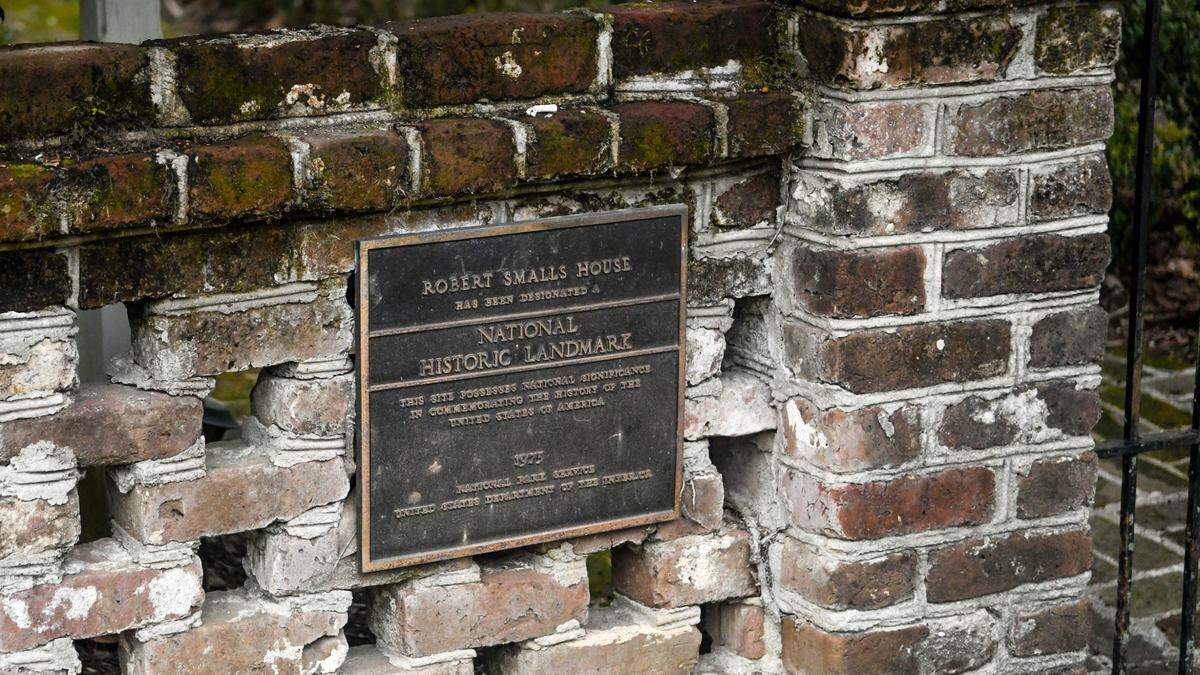
Earlier this month, Barr began a tour of the city’s historic district at the park’s headquarters in an old firehouse at 706 Craven Street. He walked down narrow Beaufort streets — designed for horse-draw carriage traffic by the British during colonial times. Mansions built by the planter class lined the streets.
“It made the white residents of Beaufort a whole lot of money,” says Barr of sea island cotton and rice, “but it came at a cost.”
In 1860, he said, there were 10,000 enslaved people and about 1,000 white residents in the area.
“If he [Smalls] were to walk in the door, he would recognize these rooms,” Barr said as he stood at the doorway of one of two rooms located in the front of the Smalls-McKee house.
Much of the house, however, has undergone extensive renovations since Smalls owned it.
Being in the same space where a historical figure has also been, Barr said, still brings an “emotional palpability” to the experience and the story. “Places matter,” he said.
How he purchased the home
On May 13, 1862, Smalls and other crew members of the Planter, used by the Confederacy as an armed dispatch boat, escaped Confederate forces in Charleston Harbor. When he was 12, Smalls had been sent from Beaufort to work in Charleston.
For the daring escape — and turning the vessel over to Union forces —Smalls received a reward of $1,500. He used that money to buy the McKee home, which had come up for auction with other properties that were abandoned after white residents fled the city in 1861 after Union troops arrived.
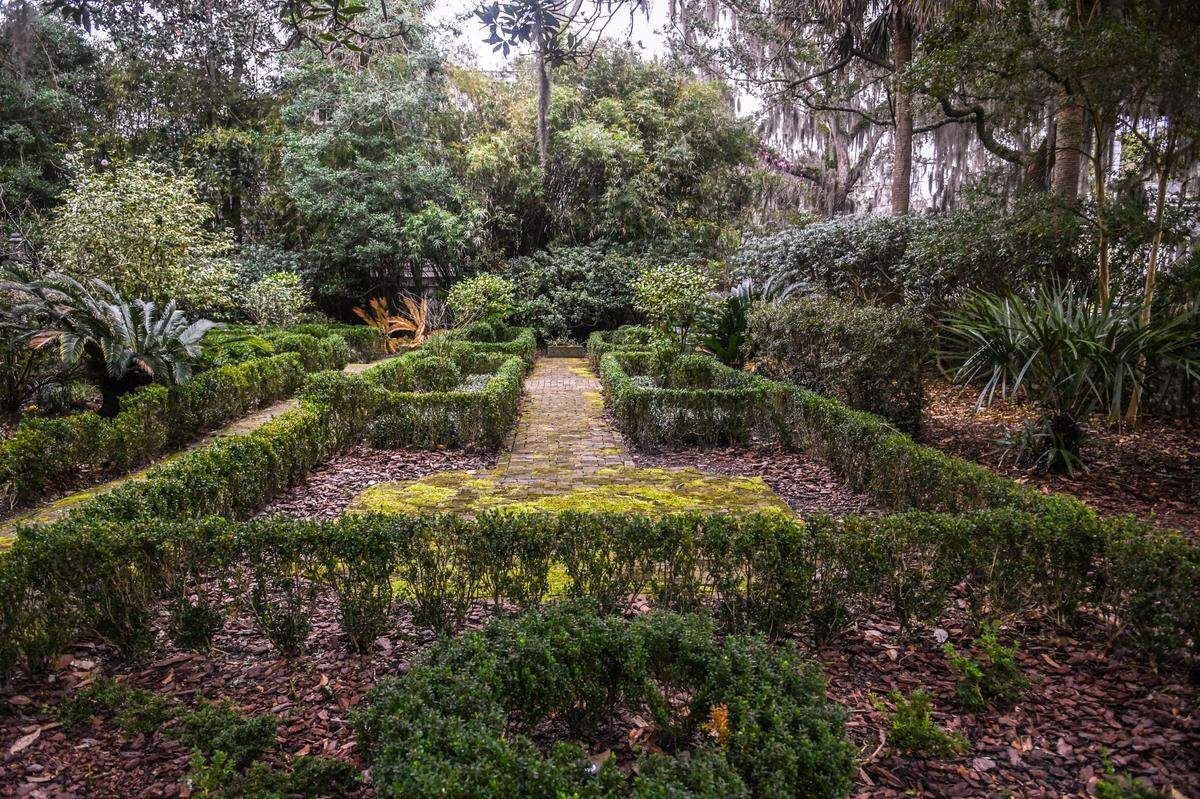
“This was his house for the rest of his life,” Barr says.
But he did not just sit on the porch drinking lemonade, Barr adds.
After serving heroically in the Civil War, Smalls served in both the South Carolina Senate and House and five terms in the U.S. Congress. He also helped rewrite the South Carolina Constitution, including a provision guaranteeing public education.
According to the 1870 Census, when he was 31, Smalls’ family had amassed $6,000 worth of personal property and $1,000 worth of real estate — the value of his former enslaver’s mansion that he now owned.
Throughout downtown Beaufort, formerly enslaved people purchased and built homes, and the city became a symbol of the success of Reconstruction policies regarding education, political participation and land ownership. In the downtown area alone, Barr says, Black residents owned a dozen businesses.
Barr stops at another residence, a large pink house just a few blocks from the McKee-Smalls property. It’s the former home of Smalls’ daughter, Elizabeth Smalls Bampfield. When Smalls was elected to Congress, Bampfield served as his secretary, and she was instrumental in recording his achievements.
“So this became a story for the nation,” Barr says, “not just a local story.”
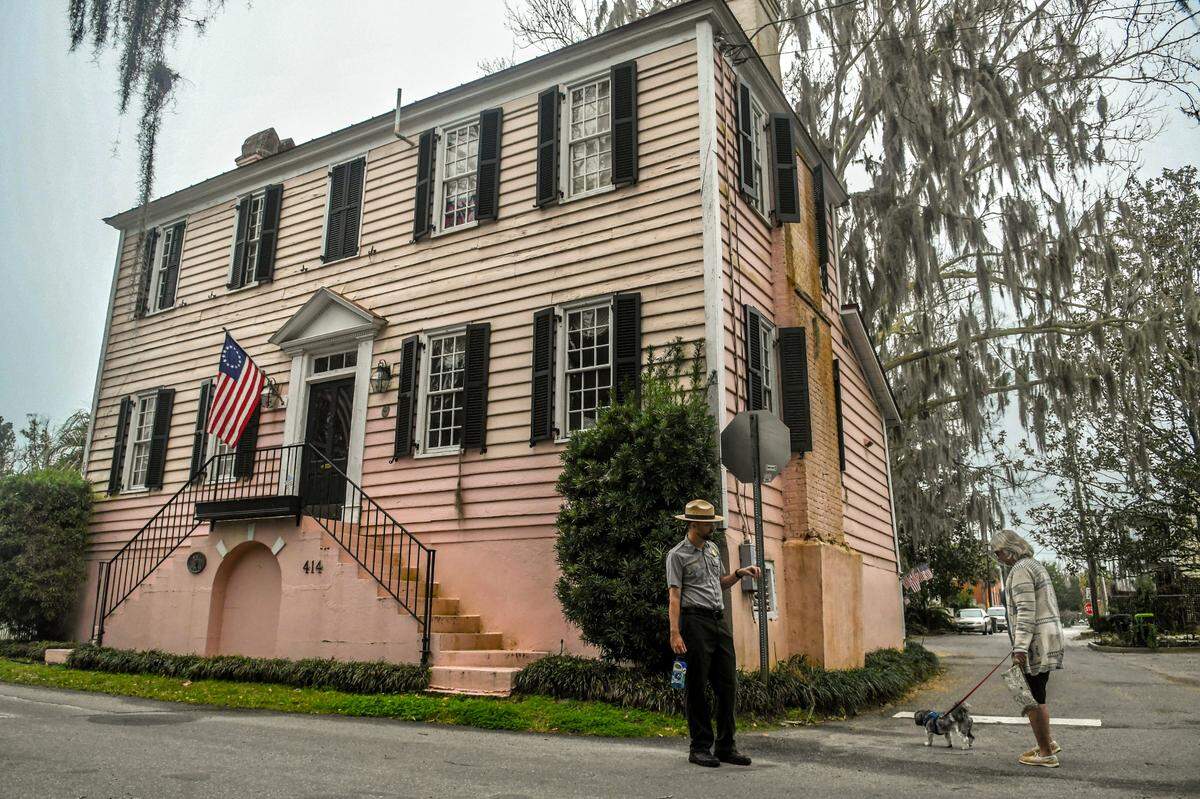
Barr sees his purpose as amplifying the story kept alive by Bampfield and others in the Black community, akin to blowing on embers.
Smalls died in 1915. He is buried at Tabernacle Baptist Church in Beaufort. Bampfield noted in a 1959 interview that the Smalls home remained in the family’s hands until the early 1950s.
“This is not ancient history,” Barr says.
This story was originally published February 11, 2023 at 5:30 AM.