Ex-Beaufort mayor buys the Robert Smalls House. Here’s what he wants to do with it
A previous version of this story incorrectly stated the year Robert Smalls purchased the home at an auction sale. It was 1864, not 1863. Also, Henry McKee, not his father John McKee, owned the house at the time Smalls was born in 1839.
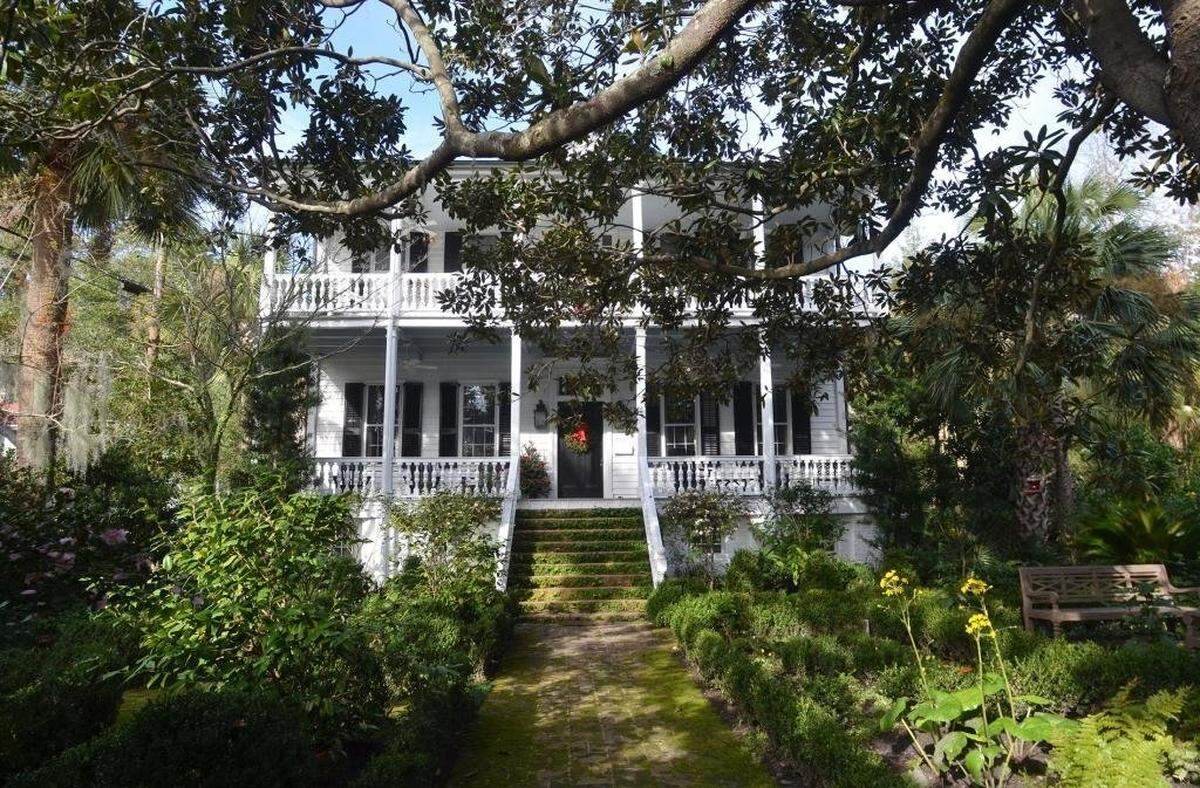
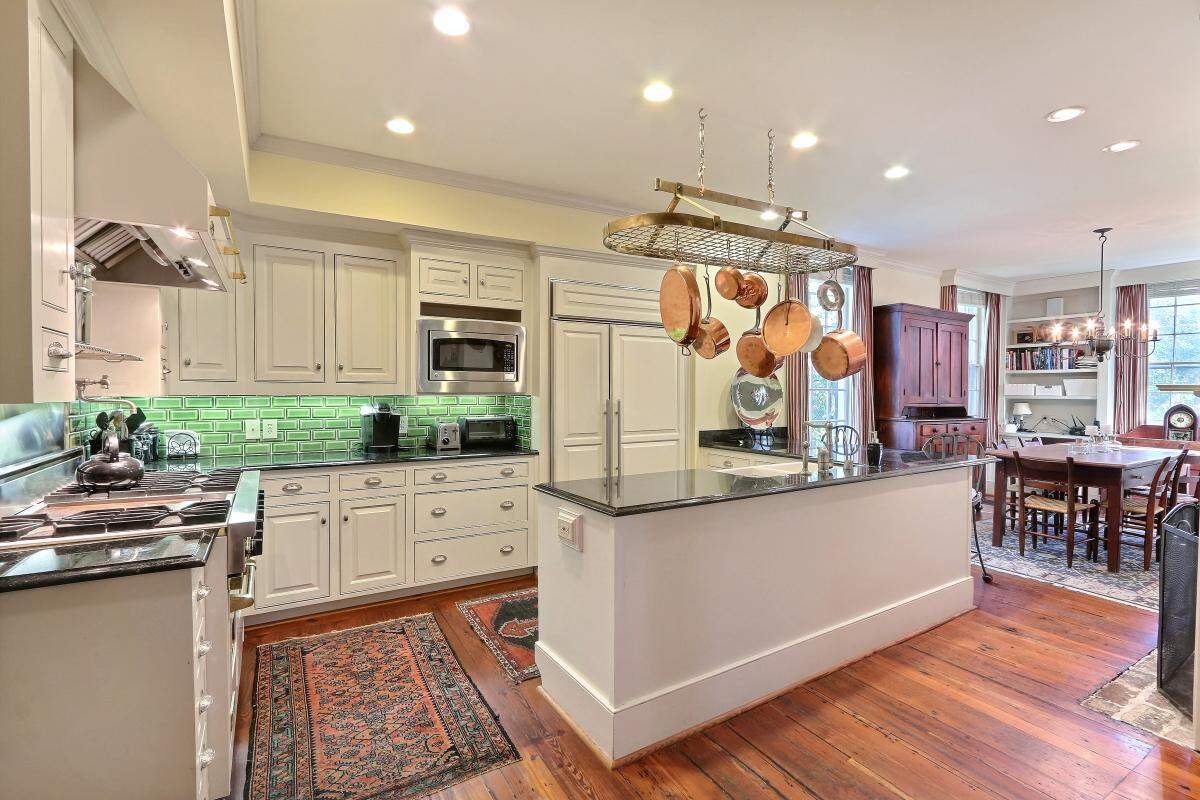
The Beaufort home of Civil War hero and Congressman Robert Smalls has been sold for $1.7 million, but the new owners — former Mayor Billy Keyserling and his brother Paul — don’t plan to keep it.
The aim of the brothers is to transfer ownership to an organization or agency — possibly the National Park Service — and open the 183-year-old southern plantation house to the public to better tell the story of the Beaufort native’s pivotal role in the South’s reconstruction after the Civil War.
Neighbors and the city’s leading historic preservation group are raising questions about that plan for the former home of perhaps the city’s most famous former resident.
Billy and Paul Keyserling bought the Smalls property in August. They see an opportunity to have the house, at 511 Prince St., included in the Park Service’s Beaufort-based Reconstruction Era National Historical Park, which administers a collection of 67 public and private sites and programs related to the American Reconstruction era from 1861 to 1900. Its aim is to tell a more complete story of American heritage.
“My brother and I said, ‘This is a generational opportunity,’ where a man born a slave became a national political leader,” Billy Keyserling told the Beaufort Gazette and Island Packet. “Nobody has really had the feeling of standing in his house, or an interpretation.”
At this point, the National Park Service has not agreed to include the house in the park. To begin with, the Keyserlings plan to turn over the property to the National Trust for Historic Preservation, a not-for-profit that works to save the nation’s historic places, after it reimburses them for the $1.7 million they paid for the Smalls home. The Trust is in the process of raising funds for the Smalls project, Billy Kesyerling says, which includes an additional $300,000 beyond the purchase price for maintaining the property.
The Point neighborhood is made up of 140 privately owned homes that range from pre-Civil War houses built by cotton and rice planters to cottages constructed by freed slaves during Reconstruction to the First African Baptist Church, which was built in 1865, also by freed slaves, to newer homes.
Tourists, sometimes led by Park Service rangers, regularly walk its narrow, oak tree-lined streets to see the historic properties, which remain private residences.
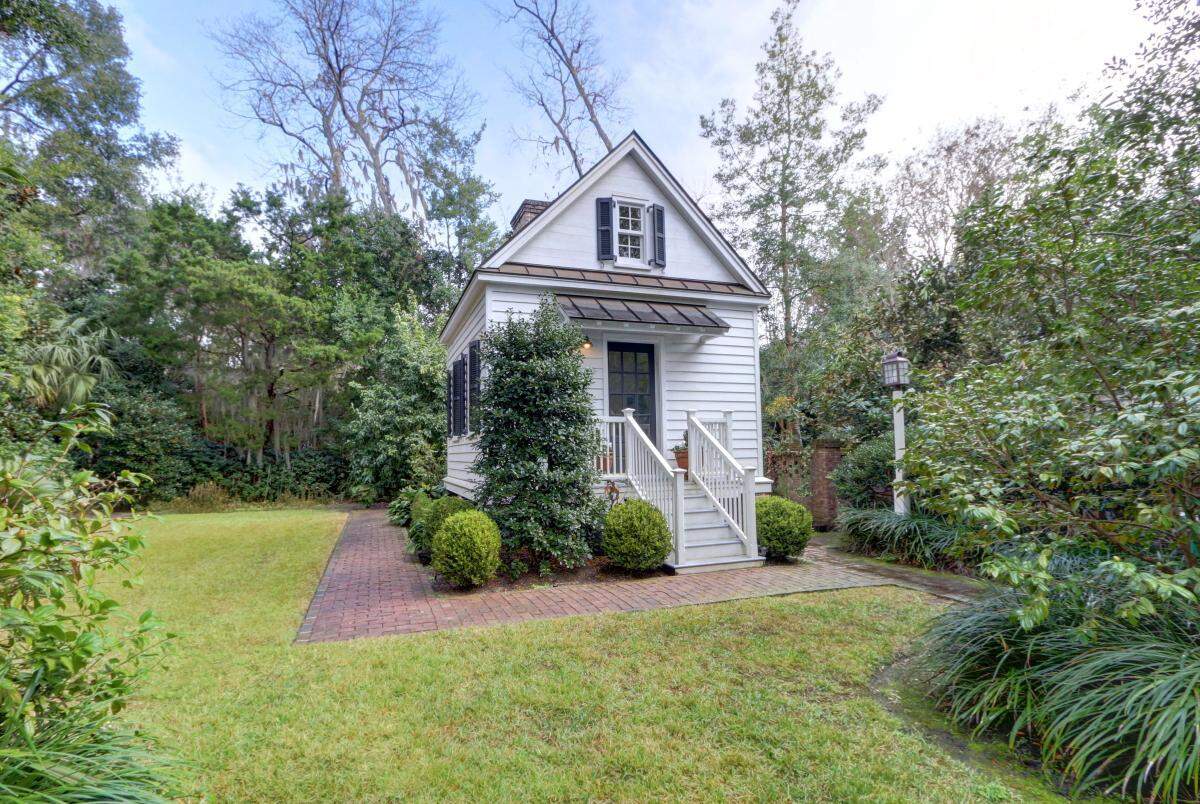
It is believed that Smalls was born in a shack behind the home where he was raised and later purchased as a free man.
Neighbors raise concerns
Steve Amaro, a Point resident, says many residents are concerned about tourism numbers increasing in the quiet neighborhood should the Smalls property become part of the federally managed national park system. The federal government’s involvement in managing the historic properties in the neighborhood, he adds, could set a “bad precedent.”
“All of a sudden,” Amaro says, “this Point becomes a museum instead of residential.”
Amaro is president of the Point homeowners association, which has 110 members, but says his comments regarding Keyserling’s plans are his own and don’t represent the association.
In a letter sent to the homeowner association’s 110 members about the sale of the Smalls property and Keyserling’s plans, Amaro said, 80 replied and 70 were against the home being transferred to federal management, seven supported it and three needed more information.
Amaro and others who are against losing local control of the historic property have formed a not-for-profit called Friends of the Point to monitor the situation. That group has hired legal counsel.
It’s the position of the Friends of the Point group that federal management would erode the residential character of the neighborhood and move it a step closer to a “theme park,” disrupting the balance that makes the historic area work for visitors and residents.
The community, Amaro says, is better able to care for its historic assets.
Besides, he adds, the Smalls house doesn’t need saving.
The historical value of the Robert Smalls House already is protected under the terms of a conservation and preservation easement on the property that is held by Historic Beaufort Foundation. It’s also preserved by the city’s tough historic preservation ordinance.
The easement requires that the house be maintained as a private residence, Amaro adds. If the property were turned over to the federal government, he says, it would be a violation of the terms of the easement.
Residents are ‘overreacting’
Keyserling, the mayor for 12 years, stepped down in 2020 to focus full-time on historic preservation work. Point residents, he says, are overreacting because of existing commercial tourism that he has nothing to do with.
“There is an element of people on the Point who feel they are overrun by tourists,” Keyserling says. “That’s not what we are contributing. They should be talking to the city. Some of them are sort of holding Robert Smalls hostage to that.”
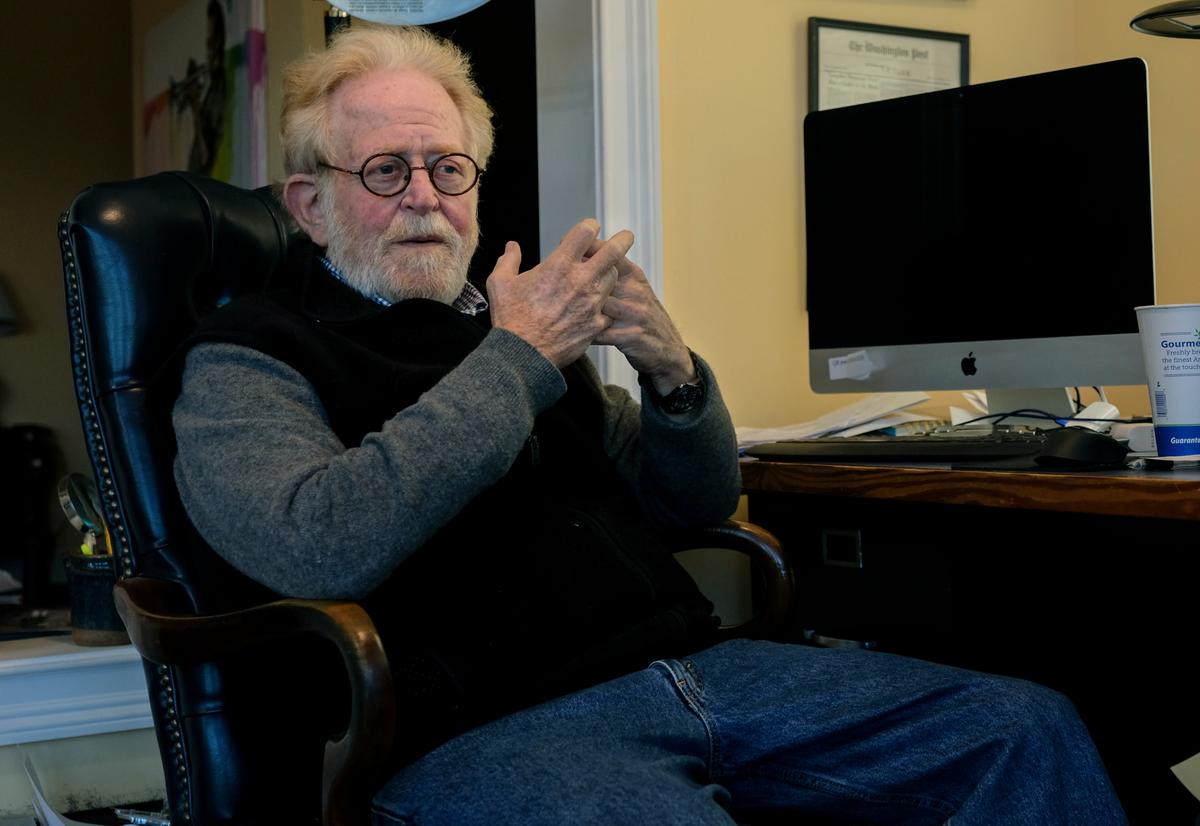
The home, he says, will not be turned into a museum, and tour buses are not planned to bring in more tourists, although walking tours, which already are allowed, will continue and include the interior of the home.
Keyserling runs a not-for-profit called Second Founding of America: Reconstruction Beaufort. Its mission is uncovering untold stories of the Reconstruction Era. The National Park, he says, is really a collection of scattered sites that can help tell those stories.
“Literally, Keyserling says, “people transitioned from being enslaved to success.”
Amaro, of the Point homeowners association, says homeowners regularly interact with tourists, and sometimes open up their homes. They also recognize Smalls’ significance, Amaro says, and support preserving the property. What residents are worried about, he says, is that the numbers of tourists will increase too much if the Park Service takes over.
The impact on the neighborhood and community is also a concern for Cynthia Jenkins, the executive director of the Historic Beaufort Foundation, who says she wants to see additional information from the Trust, the Keyserlings and the Park Service about plans for the property.
“If you live next door to that house, or you live in that neighborhood, and there’s a steady throng of people walking by, you have no privacy,” Jenkins says.
The first calls she received from the Trust surprised her, she said, because, “They acted like we didn’t know who Robert Smalls was.”
Now that the rest of the country is learning about Smalls, she said, he’s taken on a greater significance in the Reconstruction story.
The foundation has been asked to give up the preservation easement, Jenkins says, but won’t. The group, she says, has 32 easements on Beaufort properties. The owners donated them, she noted, because they wanted the properties protected.
“I think we have to be careful,” Jenkins said. “Our role is to make sure the resource is protected.”
When the Smalls property came on the market, Keyserling and his brother studied city codes, and the easement held by the Historic Beaufort Foundation, Billy Keyserling said, and “everybody said what we intended was certainly within our rights.”
The easement, which a past owner of the home granted in 2002, requires that the house remain a single-family residence. To meet that requirement, Keyserling says, the house has been rented. The Point homeowners association, however, does not believe renting the house will satisfy the provision in the easement requiring the property remain a private residence.
House a historic landmark
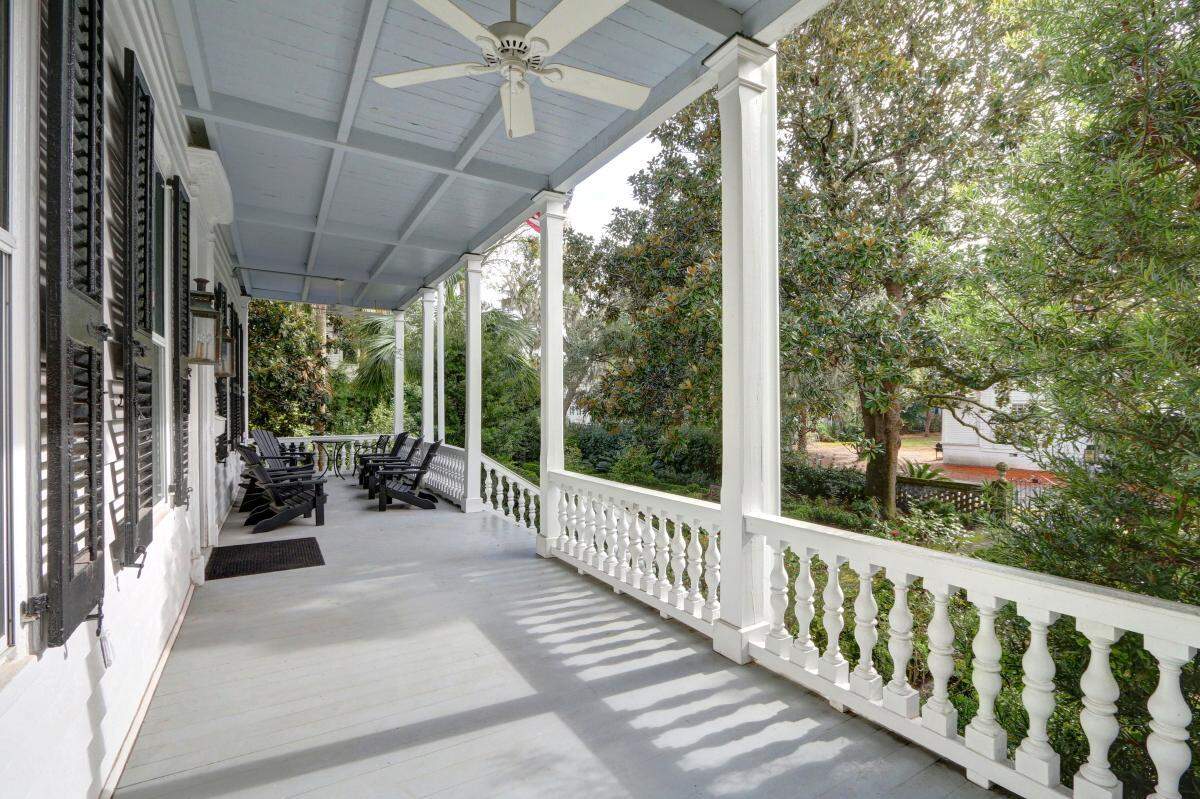
Over the years, the home’s interior has been modernized but the house retains the flavor of the original and is an example of a white clapboard house of early Beaufort style.
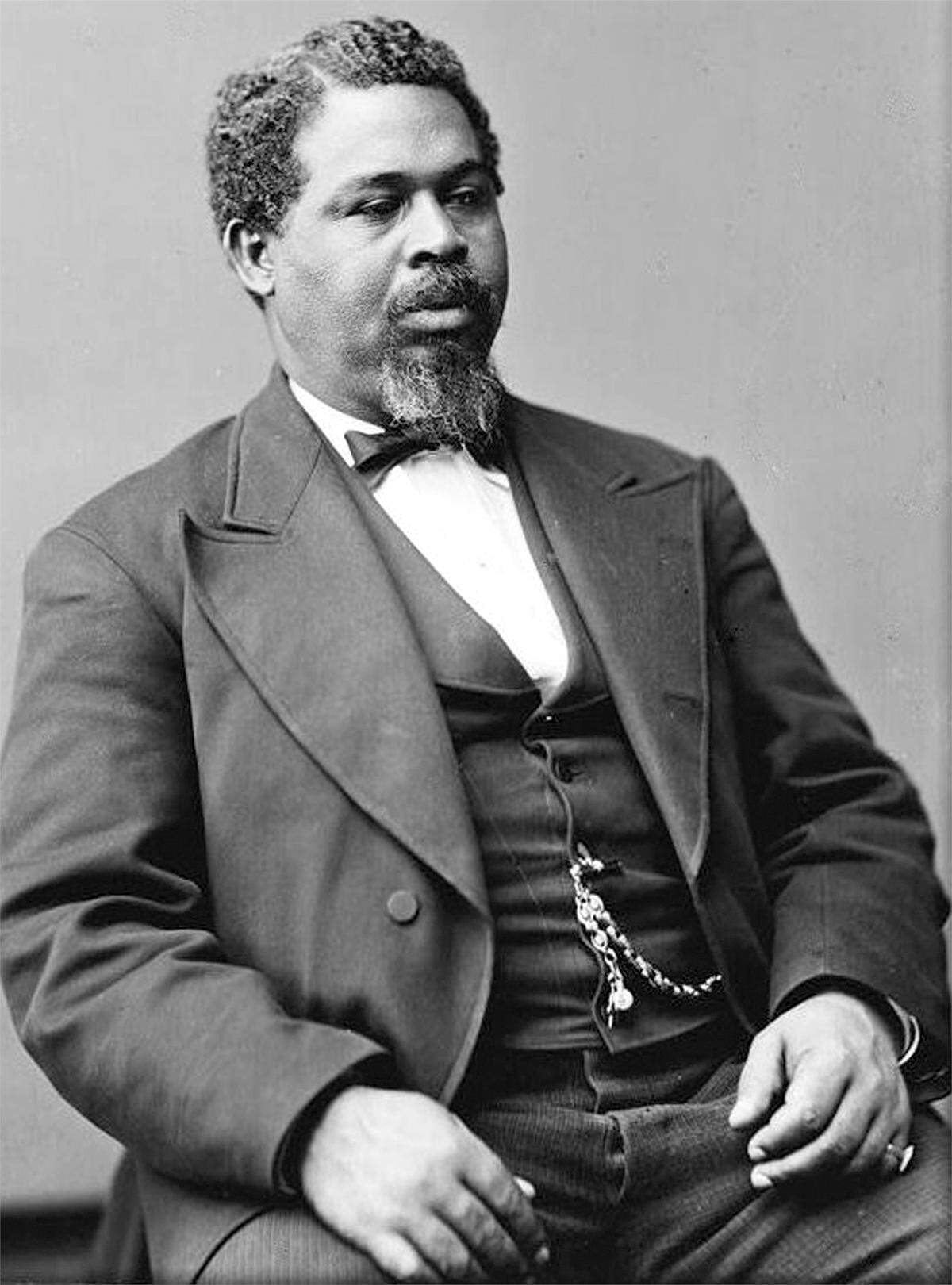
During the Civil War, Smalls, working as a maritime pilot for the South, was catapulted to national fame after he hijacked the Planter, a Confederate munitions vessel, in Charleston Harbor and turned it over to Union forces. Later, he became a guide for the Union ships.
In 1864, Smalls purchased the very house in which he had lived as a slave at a tax sale. His descendants occupied the property for about 90 years. The original structure, whose interior has been considerably altered, was designated a National Historic Landmark in 1974 — 100 years after Smalls was elected to Congress. It’s had multiple owners over the years.
The Keyserlings reached out to the National Historic Trust for Historic Preservation and asked it to assist in raising the money to purchase their debt, Billy Keyserling said. Once the debt is paid, Keyserling says, the property would be transferred to the Trust. “Paul and I,” Bill Keyserling says, “are basically a bridge.”
Tiffany Tolbert, associate director of the Trust’s African American Cultural Heritage Action Fund, says an agreement is in place between the not-for-profit and the Keyserlings to help facilitate the inclusion of the Smalls house into the National Park Service but “it’s not going to happen tomorrow.”
Keyserling says it may not happen at all.
“We would like to see that happen,” Keyserling says, “but the Park Service has made no commitment to that.”
Access would enhance story
In 2017, the Trust launched the African American Cultural Heritage Action Fund to preserve sites that have been overlooked in the country’s history in order to “tell the full American story” including African American history, culture and activism. The effort has raised over $70 million and over 200 projects have received grants in recent years. The initiative was launched following the events that occurred in Charlottesville, Virginia, when a plan to remove a statue of Confederate Gen. Robert E. Lee sparked violent clashes that left three dead. The Smalls property is being considered for funding through that program, Tolbert said.
The Smalls story is significant in American history, Tolbert said, but his house could be used to tell others about Reconstruction, the lives of Blacks in Beaufort and their achievements following the Civil War, and the life of Smalls’ mother, Lydia Polite, who served in the house after being taken from her family on the Sea Islands.
“His life began there,” Tolbert said of Smalls and his Prince Street home, “and also ended there.”
The Trust has been in contact with Smalls’ descendants and the family supports the effort to acquire the property for the public’s benefit, Tolbert said. As a plan is developed for the site, there will be opportunities for the community including neighbors to provide input. “We want to ensure it’s done responsibly,” Tolbert said, “and everyone is engaged in the process.”
Direct access to the Smalls house “would tremendously enhance the interpretive programs of the Reconstruction Era National Historical Park,” said Ross M. Bradford, the National Historic Trust’s deputy general counsel, in a letter to the Historic Beaufort Foundation.
Currently, the easement held by the Historic Beaufort Foundation allows four half days of public access a year, but the Trust would like to to see that increase. It would also like the foundation to transfer the easement to the Trust. It says it can minimize the impact to the neighborhood.
Scott Teodorski, superintendent of Reconstruction Era National Historical Park, says the agency obviously is interested in the property because of the national significance of the Smalls story but its involvement doesn’t have to be physical ownership, which would involve an extensive process.
He’s committed to showcasing the property but working with the neighborhood to make sure its integrity is maintained. He says he would reach out before any major interpretive work occurs at the site.
“Regardless of how the ownership plays out,” Teodorski said, “we’re committed on our end that we do work with the community.”
This story was originally published March 24, 2022 at 4:55 AM.