Two Beaufort churches and this house get national recognition. Why they stand out
Four historic sites in South Carolina —including two churches and a home in Beaufort — have been added to a national network of places noteworthy for their contribution to a key period in U.S. history — the Reconstruction Era.
The new community sites added to the Reconstruction Era National Historic Network, announced Thursday by the National Park Service, are:
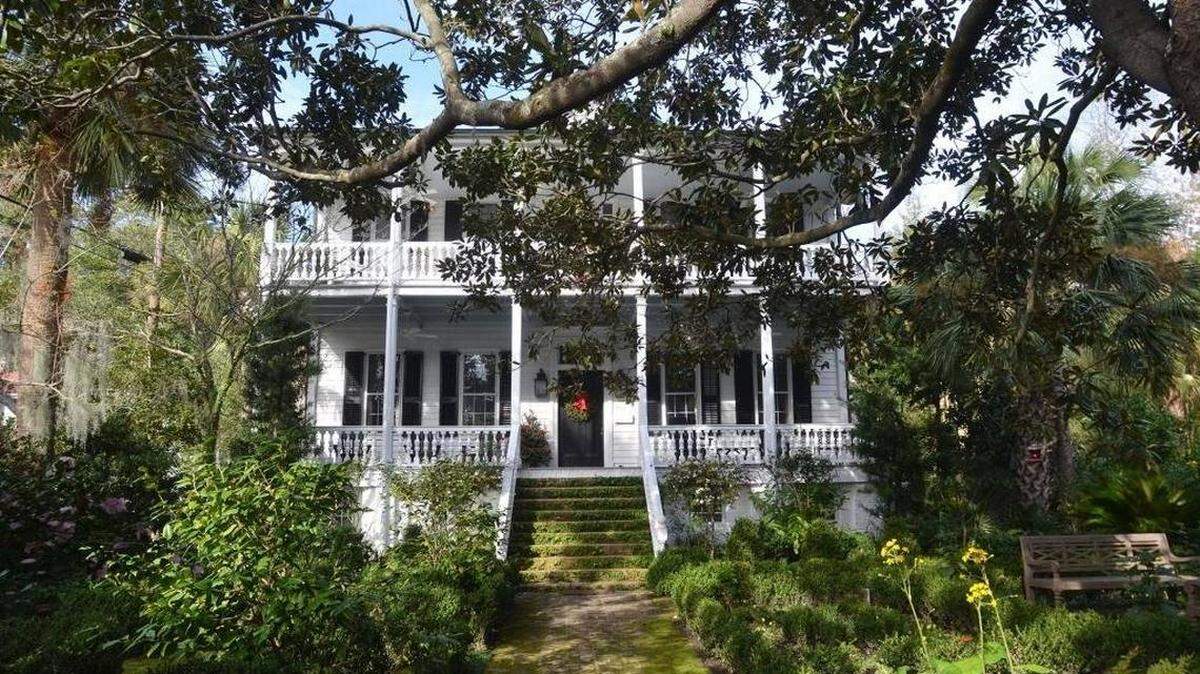
▪ The Robert Smalls House in Beaufort. Robert Smalls purchased the Prince Street home in the 1863 Direct Tax Auctions. He lived there for the rest of his life. Smalls became famous during the Civil War when, working as a maritime pilot for the South, he hijacked the Planter, a Confederate munitions vessel, and turned it over to Union forces. He was later elected to Congress.
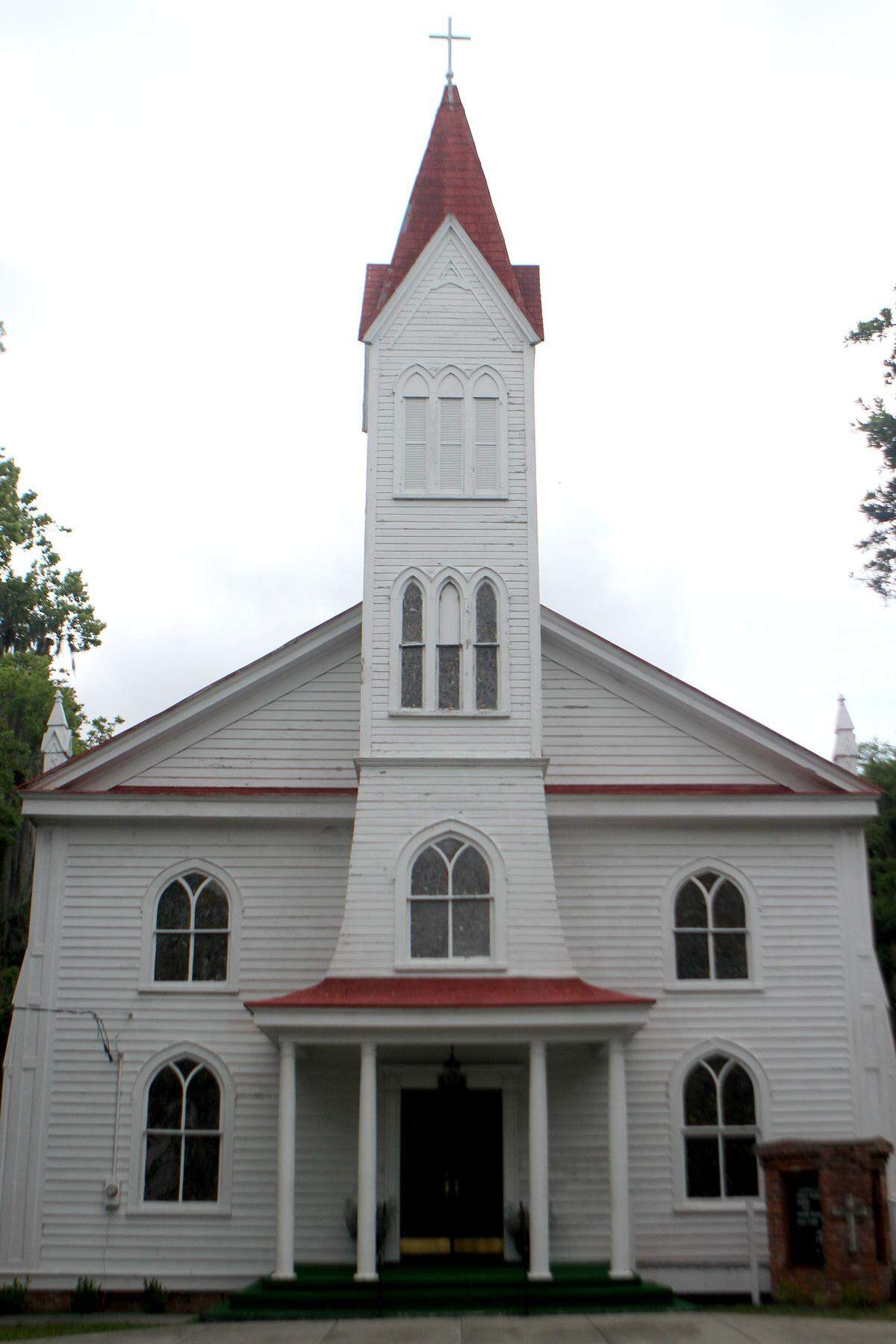
▪ Tabernacle Baptist Church on Craven Street. It was a school during the Civil War and held an Emancipation Day service on Jan. 1, 1863. Its members served as community leaders in Reconstruction-era Beaufort. Smalls is buried there.
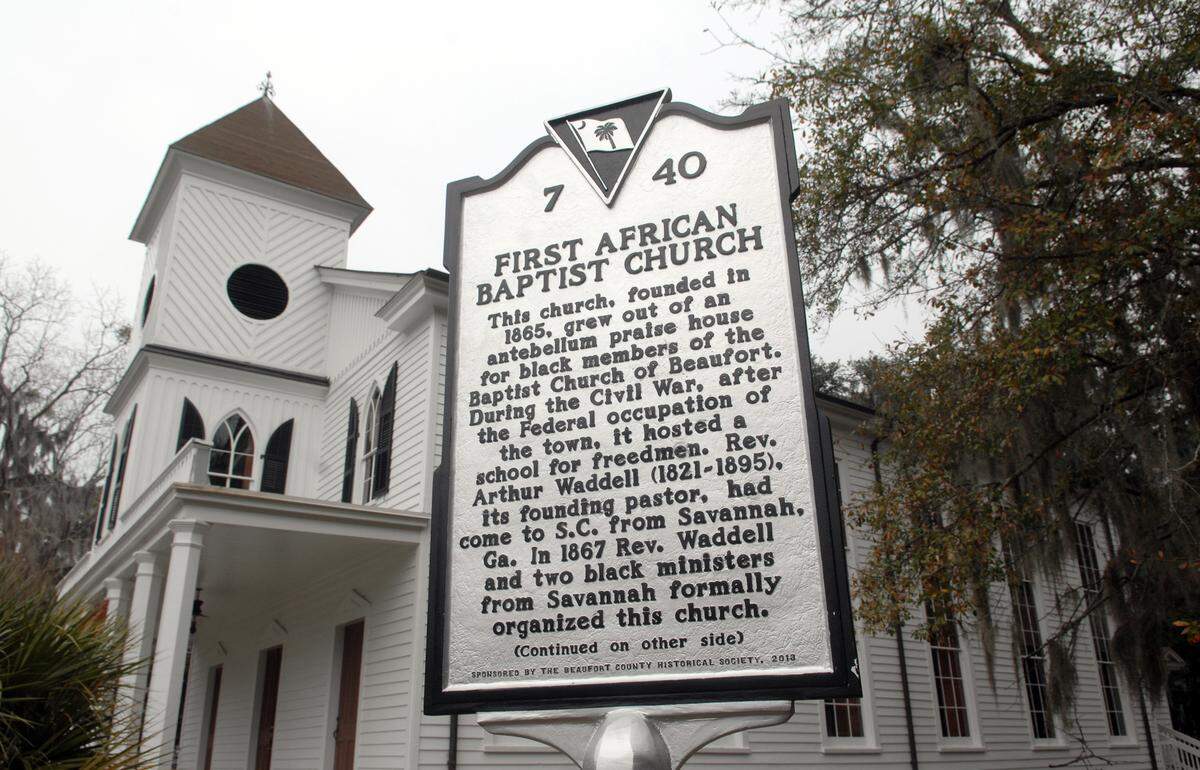
▪ First African Baptist Church on New Street. It was dedicated on Jan. 1, 1865, and served as a school for formerly enslaved people during the Civil War, and counted Congressman Robert Smalls among its members.
▪ Historic Brattonsville in York County. It interprets the lives of formerly enslaved people living and working on the 800-acre historic plantation site in the years after the Civil War.
The inclusion of the Smalls house in the network comes on the heels of a controversial proposal by its owner, former Beaufort Mayor Billy Keyserling, to have the property owned and managed by the National Park Service. The Park Service runs the Beaufort-based Reconstruction-Era National Park, which manages the Reconstruction Era National Historic Network.
Nathan Betcher, a historian with the national park, said the inclusion of the sites in the network is voluntary and does not come with Park Service rules. Owners, he said, can nominate their properties.
“If you don’t want to be on it, you don’t have to be on it,” Betcher said. “If you become part of the network you are not beholden to Park Service rules or regulations. This is more of an academic and scholarship endeavor. We’re not going to be running sites or running tours.”
Being in the network gives national recognition about the role property played in the Reconstruction Era, he said. Property owners receive a packed of information welcoming them to the network that includes banners and signs that can be displayed if they choose.
The network has 77 sites including 16 in South Carolina. Other Beaufort County locations in the network, besides the recent additions, are Mather School (location of Technical College of the Lowcountry), Mitchelville Historic Freedom Park, Reconstruction-Era National Historical Park and Wesley United Methodist Church.
Network sites are affiliated with the Reconstruction Era, but not necessarily managed by the National Park Service. The network connects people to the stories of the Reconstruction Era, from 1861 to 1900, the Park Service says, when the country struggled to reintegrate southern states and integrate newly freed people.
Keyserling and his brother Paul purchased the Small property on Prince Street in August. He’s working with the National Trust for the Preservation of Historic Places with the aim of eventually transferring it to National Park Service, but that has yet to happen.
Some neighbors are opposed to Park Service running the property, which they argue already is well protected by a preservation easement and local rules. Ceding local control to the federal government, they say, would set a bad precedent, and also result in too much tourist traffic through the residential neighborhood.
Park Service management and interpretation of the entire property, Keyserling says, would better tell the story of a Beaufort man who rose from slavery to national prominence. He disagrees that the change would result in a large influx of tourists.
This story was originally published March 31, 2022 at 2:11 PM.