A rift over Beaufort development has prompted a federal study. It’s time to speak up
Beaufort is distinguished nationally for its remarkably preserved antebellum history and architecture, which is protected in a 300-acre, 49-year-old National Historic Landmark District. But some are worried that large developments threaten that history.
To address those concerns, the National Park Service (NPS) has launched an Integrity and Condition study it says will provide “data-driven” information the state’s second-oldest city can use to help preserve historic homes and businesses. Two virtual public meetings are planned for Tuesday, when NPS officials will ask residents what they think, launching a public comment period that will conclude March 4.
Here’s what you need to know about Beaufort’s historic landmark district, why federal landmark regulators are studying it and what the “integrity and condition study” means for its future.
What is the Beaufort National Historic Landmark?
The Interior Secretary designated it in 1973 because of its significant antebellum history and architecture, as well as its role in the Civil War and Reconstruction. One of 2,500 landmark properties nationwide that help tell the nation’s history, the Beaufort landmark is 304 acres extending from Boundary and Bladen streets east and south to the Beaufort River.
Why is the district significant?
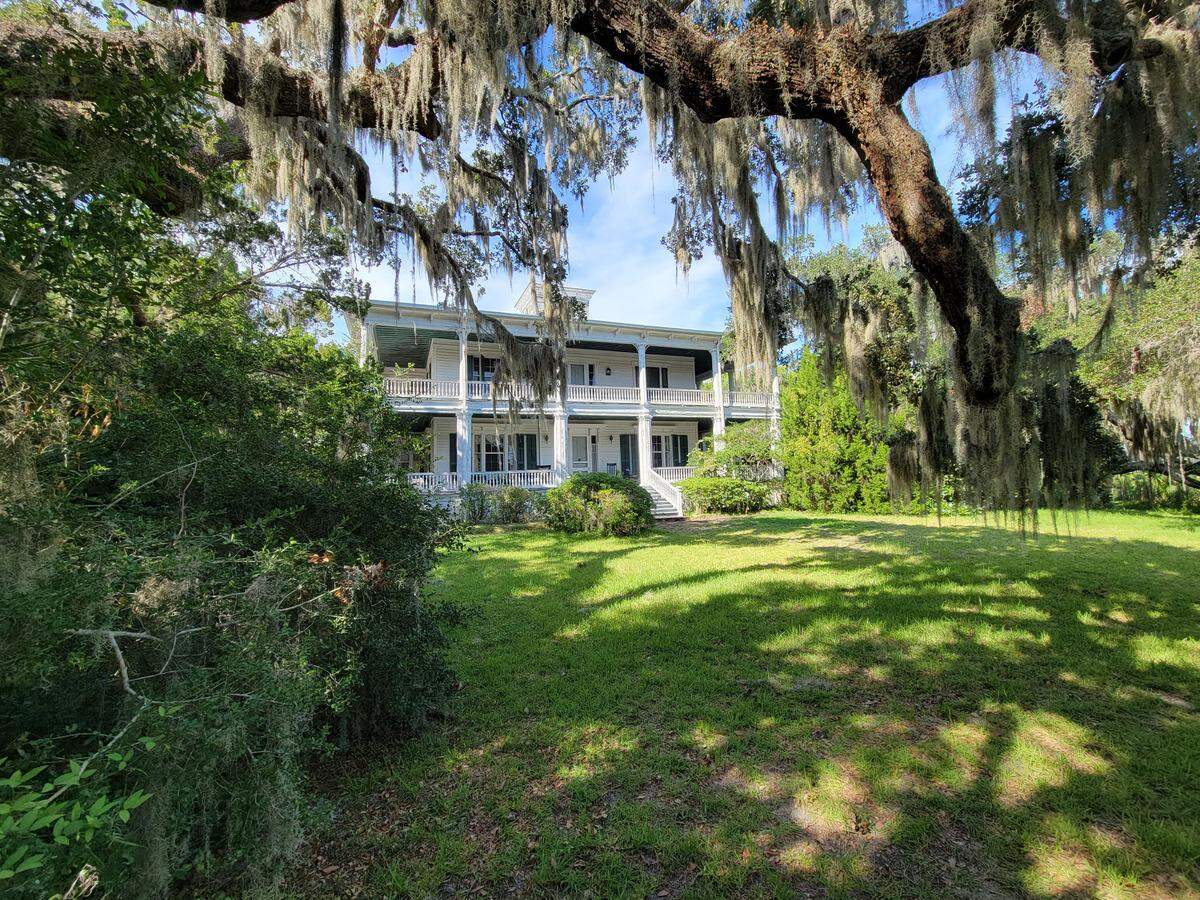
A number of distinctive “low-country” houses from the 18th and early 19th centuries have been preserved that, collectively, reflect 300 years of history. Typical houses have two-story verandas, and airy, open interiors. Several buildings and foundations are built of tabby, an important regional building material composed of oyster shells, lime and sand mixed with seawater.
What’s an integrity and condition study?
It will document major changes and threats within and adjacent to the district. It also will highlight successes. The effort will involve research, a reconnaissance survey, photographic documentation and mapping. NPS did a similar study for the Savannah National Historic Landmark in 2018. The Savannah analysis showed one of the district’s greatest challenges was large-scale development, but also concluded it was not at risk of being removed from the National Historic Landmarks program.
The Beaufort NHL District has not been assessed for several years, NPS says, and the agency says its condition is unknown.
Why is NPS studying the district?
Developer Dick Stewart plans to build a parking garage, hotel and apartments in a two-block area downtown within the district, a $45 million investment. But because of the project’s size, there’s been opposition, led by Graham Trask, also a downtown property owner and developer, and the Historic Beaufort Foundation.. Trask and the foundation are challenging Stewart’s projects, and the city’s approvals, in court.
The Beaufort Code’s building and infill design standards says the National Historic Landmark District should be carefully preserved — while permitting appropriate growth. Achieving that balance has caused friction.
On May 10, the NPS, which monitors the condition of National Historic Landmarks, notified the city it was conducting the $74,000 study. That came after Trask alerted NPS about Stewart’s projects. NPS has hired Savannah-based LG2 Environmental Solutions Inc. to conduct the study, and the city, while defending its processes and work in preserving the district, is assisting in the effort.
What’s it mean for property owners?
Currently, property owners within the district are eligible for preservation grants and technical preservation assistance. They can also qualify for local, state and federal tax credits. Cynthia Walton, NPS’ acting regional chief of cultural resources, says if a historic district is badly compromised, NPS can initiate a study to withdraw the historic landmark designation.
However, stripping the city’s landmark status is not on the table, she says. What the study will do, she says, is give the city a better understanding of the district’s condition — along with data. The information can then be used to make better decisions and increase protections for the district, she says. Most national historic landmarks, NPS notes, are privately owned and are governed by local preservation laws.
How you can participate
The initial public comment period supporting the Integrity and Condition Study will open with two virtual public meetings at 1 p.m. and 5 p.m. Tuesday. Go to: https://parkplanning.nps.gov/MeetingNotices.cfm?projectID=105336.
The NPS will also accept written comments for consideration in the study’s initial draft. Comments may be submitted online or sent to Alesha Cerny, Attn: Beaufort NHLD Study, National Park Service, 100 Alabama Street, SW, Atlanta, GA 30303. Written comments must by submitted by March 4.