Beaufort’s flood-risk rating is changing. What that means for your insurance rates
Some Beaufort property owners in the National Flood Insurance Program will be paying less for flood insurance in a year, according to the city.
The city recently was notified it had received additional credits under the FEMA insurance program’s Community Rating System for ongoing efforts to reduce flood risk, resulting in an improved CRS classification of six instead of seven.
The lower the number, the greater discount on flood insurance for residents, said Bruce Skipper, the city’s chief building official.
“Knowing it’s coming, that’s pretty nice,” Skipper said of the cost savings.
The rating system is from 1-10, with a rating of 1 being the best and 10 the worst.
The rate reduction in Beaufort will affect roughly 1,500 holders of insurance policies within a 5,926-acre special flood hazard zone, Skipper said.
That zone is not one contiguous area. Problem locations are located across the city. Many abut marshy locations but not all of them, Skipper said. About 38.3% of structures in the city are located in areas considered flood hazards.
Flooding problem areas include The Point, Mossy Oaks, Hundred Pines, Northwest Quadrant, Pigeon Point and Old Commons neighborhoods, as well as downtown Beaufort.
The reduction in rates comes on the heels of new flood insurance rate maps recently released by FEMA. Under the map changes, flood insurance may no longer be mandatory on some properties, Skipper said. He still advises those property owners to get the minimum policy offered through the National Flood Insurance Program for peace of mind.
“You may be at reduced flood risk, but there is no such thing as zero risk in much of Beaufort,” Skipper said.
The city has a total land area of approximately 27.6 square miles and a water area of approximately 6 square miles.
Its low-lying position makes it particularly susceptible to flooding from high tides and storm surge, with hurricanes and tropical storms posing the greatest threat for flooding, according to a city report. However, extreme high tides and heavy rains also can cause flooding in neighborhoods and in the streets.
CRS is a voluntary incentive program that recognizes and encourages community floodplain management practices that exceed the minimum requirements of the National Flood Insurance Program. More than 1,500 communities participate nationwide.
The city just underwent a five-year audit, which resulted in the improved rating and lower insurance rates, Skipper said.
One way the city improved flood prevention is purchasing land and setting it aside to keep it in a natural state to help with drainage, Skipper said. Community outreach was another plus for the city. So was maintaining building elevation certificates.
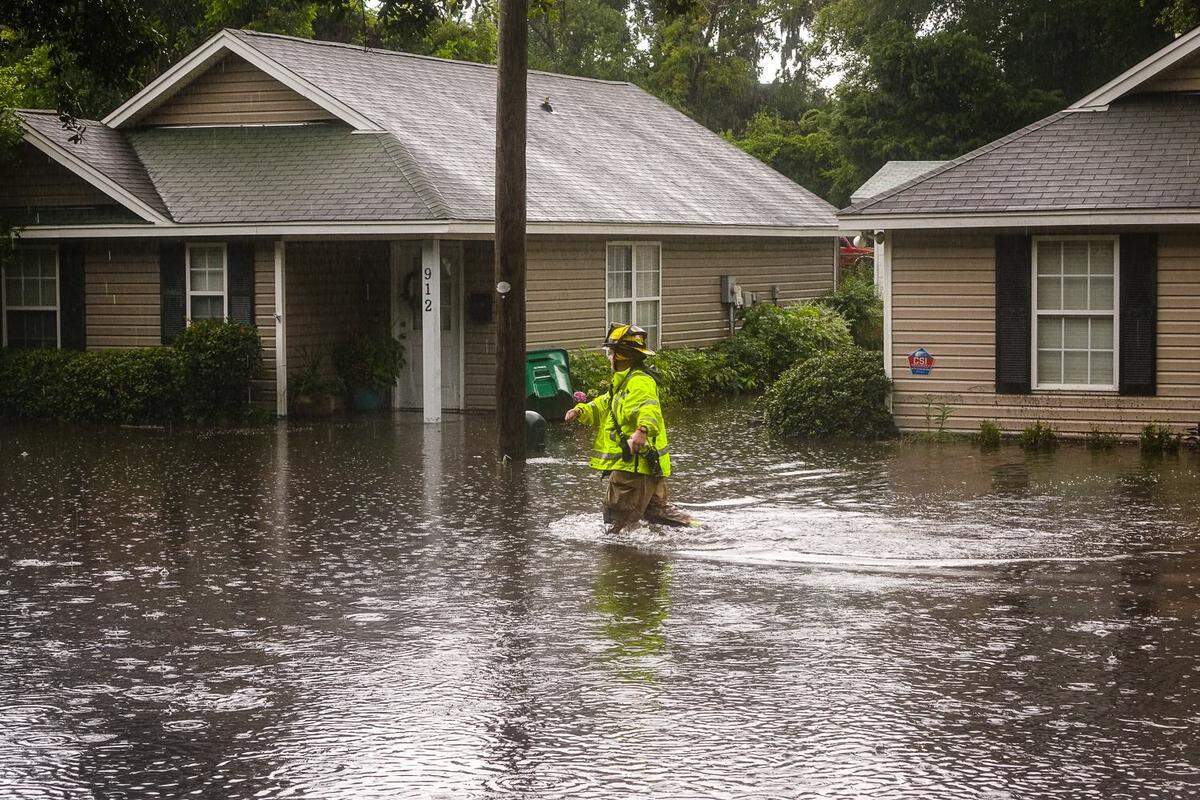
In CRS communities, flood insurance premium rates are discounted to reflect the reduced flood risk.
Beaufort property owners in flood hazard zones currently have a 15% discount on their flood insurance. With the new rating, the discount will improve to a 20% discount. The new rate will begin on April 1, 2022.
One might think the entire Lowcountry would fall within a flood hazard zone, but actually “there’s a good bit of high land,” Skipper said.
Some of the higher areas in Beaufort are located right along the water line, he said.
“It’s not a total flat pancake,” Skipper said of the city.
Property owners should talk to their insurance agents to get specific information about their home, Skipper said.
This story was originally published April 21, 2021 at 12:00 AM.