Beaufort County’s flood risks could cause insurance rates to skyrocket, study shows
More than 70,000 Beaufort County homes are likely to experience some form of damage due to flooding over the next 30 years, which could cause insurance rates to skyrocket, according to a nationwide study released this week.
New data released last week by New York-based research group First Street Foundation suggests millions of homeowners nationwide, including in Beaufort County, could face hikes in their premiums due to the remodeling of the nation’s flood insurance program.
The data, analyzed by national publications such as The New York Times and National Public Radio, shows that the financial impacts of flood risks are growing nationwide due to the rapidly changing climate.
In South Carolina, Beaufort County is expected to see the largest growth in its risk of flood damage.
By 2051, the number of Beaufort County homes at risk of flooding is expected to increase 35% — to 81,990 from 60,680. This means the annual financial loss for these homes is expected to increase by 34% — to $1.1 billion from $857.6 million, according to the study.
While insurance rates are expected to soar, municipalities across Beaufort County are updating their Federal Emergency Management Agency flood maps. The new maps, according to local officials, show that fewer Beaufort County homes will be located within areas where flood insurance is required.
According to the study, nearly 4.3 million homes across the country have a substantial flood risk that would result in a financial loss. The research shows that if all those homes were insured against flood risks through the National Flood Insurance Program, the rates would need to increase 4.5 times to cover the risk.
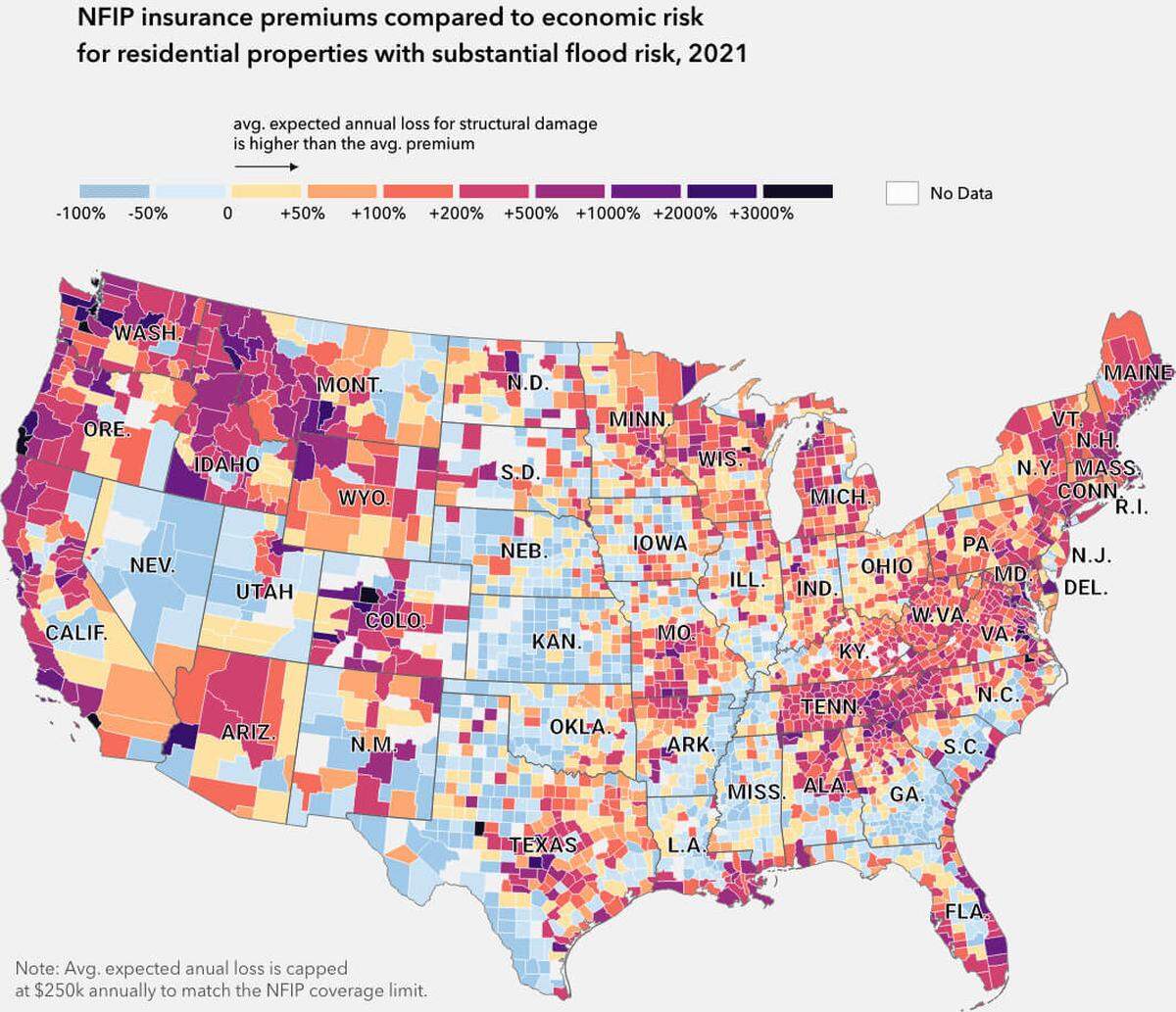
Nationwide, the total expected annual loss for properties at risk is $20 billion, according to the study. But that number is expected to grow to almost $32.2 billion a year by 2051 — a 61% increase, the study shows.
The release of the nationwide study comes as municipalities throughout the country, including in Beaufort County, are required to change their flood maps in response to updates to the National Floodplain Insurance Program and FEMA flood maps.
Beaufort County’s flood maps
The new maps, which offer a more detailed look at the nation’s flood risks, are requiring local leaders to amend their own maps and make minor building changes. Under the new requirements, fewer Beaufort County homes will be located within Special Flood Hazard Areas — where flood insurance is required.
At the county level, which changed its maps last month, the number of homes in unincorporated Beaufort County located within special flood zones dropped to just under 24,000 homes from about 26,000, interim Assistant County Administrator Chuck Atkinson said.
Atkinson said there are so many factors at play when calculating flood insurance rates that it’s difficult to determine how individual rates will be affected by the new maps. The maps, he said, were updated due to new data and modern-day technology.
However, Atkinson said he recommends that property owners still get flood insurance even if their home or structure is no longer located in a Special Flood Hazard Area.
“It’s the smart thing to do,” he said.
In Bluffton, which amended its maps this month, the number of homes located within a special flood zone decreased from 5% to 3%.
Contacted by a reporter Friday, Bluffton’s Chief Building Official Richard Spruce said the new maps could actually cause flood insurance rates to drop in the town limits because FEMA’s flood elevation requirements are dropping.
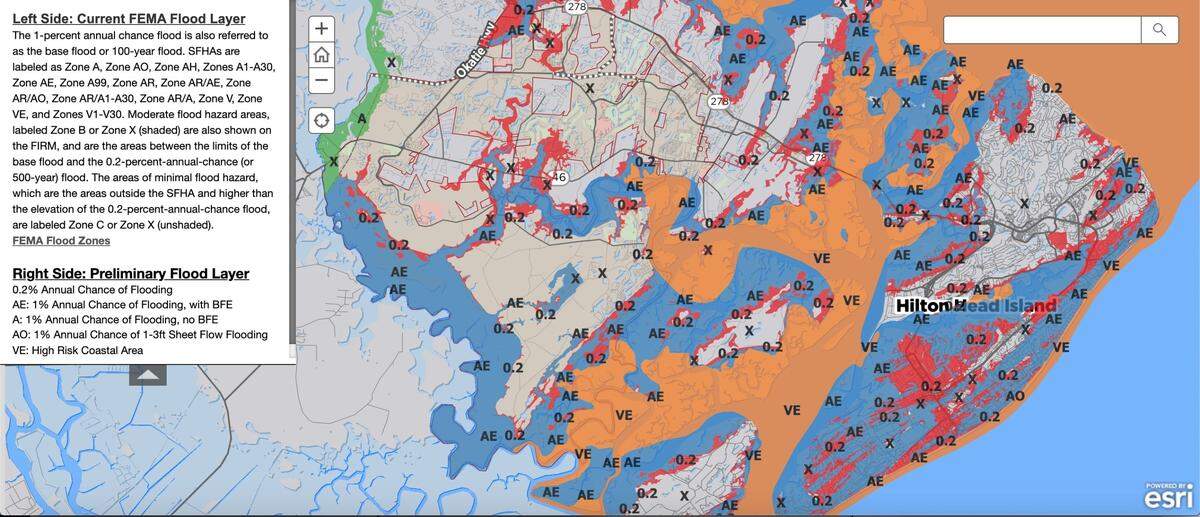
One of the biggest changes in the new maps is FEMA’s requirement that municipalities require one-foot of freeboard for all construction. A freeboard is a safety measurement, usually expressed in feet above a flood level for purposes of floodplain management.
Freeboard is important because it reduces flood loss in the livable portions of a person’s home. It also can improve insurance rates due to the lower flood risk.
The Town of Bluffton decided this month to take FEMA’s requirement a step further and require three feet of freeboard for all new construction.
Council member Larry Toomer said that’s a good thing for residents’ insurance rates and for the protection of their homes.
“The higher your elevation, the better insurance you get. It just makes sense,” he said. “We know the sea levels are rising. That all plays a part in us doing a little more than we had to do. In the long run, it’s going to help people save money on insurance, and if you do get a major flood, your home is less likely to get damaged.”
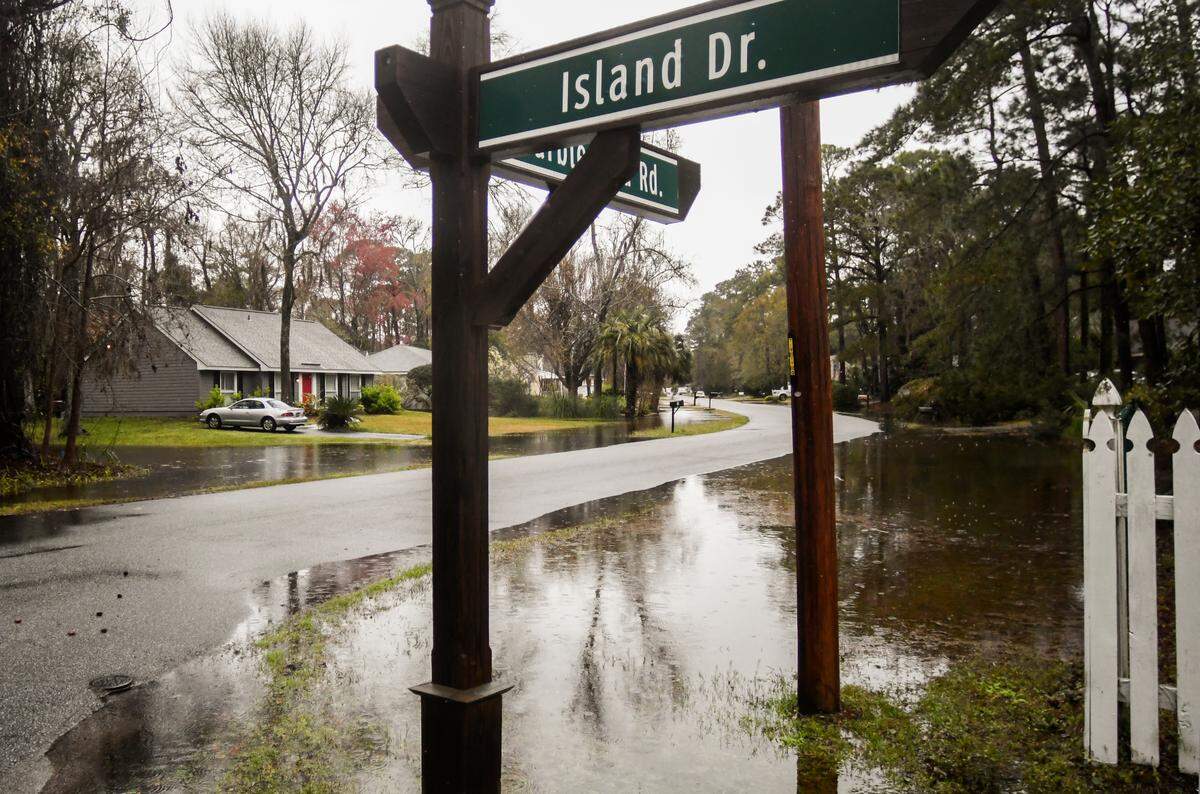
On Hilton Head Island, Town Council will vote on Tuesday whether to amend its land management ordinance to reflect changes in the new flood maps from FEMA. The change means that residential building height will be measured from 14 feet above mean sea level rather than 13 feet above mean sea level.
The maps, which were drawn in 2017 and go into effect next month, show a five- to six-foot decrease in base flood elevations across the town.
“The drastic reduction in base flood elevations is of great concern as several areas with repeated flood losses, such as beachfront homes and homes in low-lying areas, are being removed from the high-risk flood zone,” floodplain administrator Shari Mendrick wrote in a memo to Town Council.
If the flood maps change without the lowest floor elevation requirements changing in the town code, it could lead to higher potential for flood damage, her memo said. The town’s planning commission has already approved the change in code.
Climate change
The study released by First Street Foundation emphasizes the risks of climate change on individual homeowners.
A change in the environment means higher sea levels, new weather patterns and stronger storms. As the atmosphere continues to heat up, it leads to more evaporation and more water when it rains, according to the study.
The warmer atmosphere, the study says, also means warmer oceans, which can intensify flooding from hurricanes and other offshore storms. The rise in sea level can cause an increase in coastal flood risks because there’s more water available when high tides and coastal storms cause flooding, the study said.
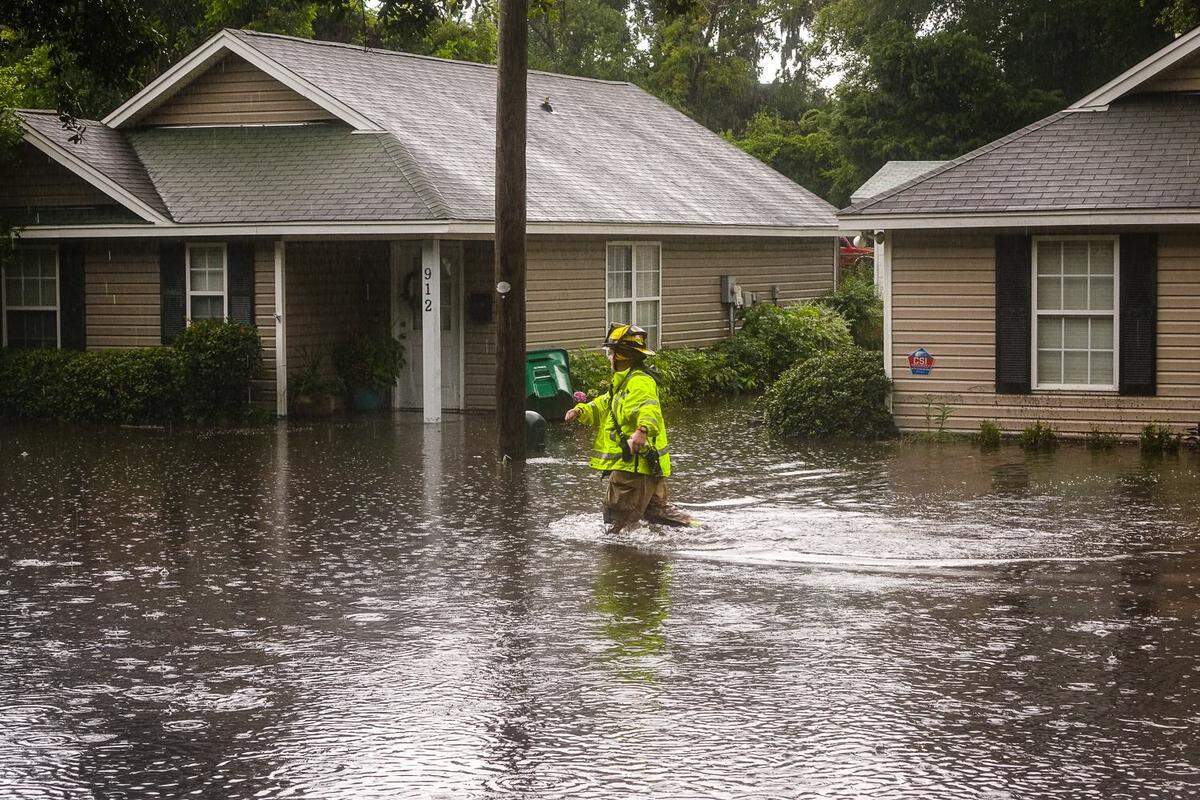
There are several ways to combat this to limit property damage and lower flood insurance costs.
Investing in green infrastructure, such as open spaces, marshes, natural barriers and beach renourishment, is a cheap and sustainable way to prevent flood damage by gathering and removing water at its source, according to the study.
Grey infrastructure, such as seawalls, dams and upgraded stormwater systems, can help, but are costly, take time to build and require regular maintenance, the study says.
Along with physical structures, the study recommends that communities develop laws and requirements for land and development to adapt to flooding. These can include requiring homes to be elevated above a certain level or prohibiting development in flood-prone areas.
This story was originally published February 28, 2021 at 7:00 AM.