
SC Lowcountry may get more high-tide flooding than usual this year. Here’s why, what to expect
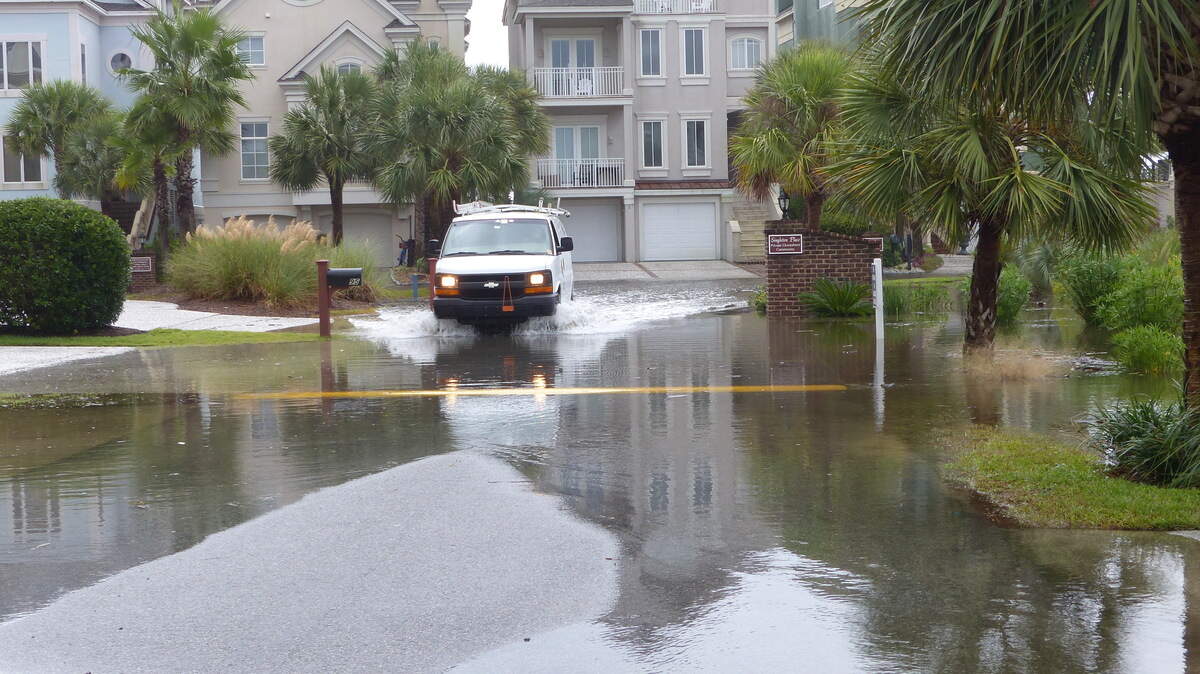
The NWS issued a coastal flooding advisory Tuesday as the high tide was forecast to inundate coastal areas with 6 inches or more of water.
This phenomenon is called high-tide flooding, and it occurs when weather and astrological variables push seawater above normal high marks. It’s concerning for the Lowcountry, since much of it is low-lying and susceptible to floods.
And the 2026 El Niño could make high-tide flooding a more frequent issue. El Niño are known to exacerbate high-tide flooding, and this year’s El Niño is forecast to be very strong.
What is high tide flooding?
Lowcountry tides change the sea level by 4 to 6 feet twice a day. Tides change due to the Moon and Sun’s gravity, and so when North America faces the moon, high tides occur. The highest tides occur when the moon is in its new and full phases, and it’s called a king tide.
Flooding can occur with king tides, but can be exacerbated by other factors. Winds blowing toward the shore, high rainfall and ocean currents can raise the tide even higher.
Many Lowcountry areas are flood-prone. Large swaths of Hilton Head Island, for example, are high risk flood zones, according to FEMA map data. High tide flooding is twice as frequent as it was 20 years ago, and sea level rise due to climate change will increase their frequency over time, according to the National Oceanic and Atmospheric Administration.
High-tide flooding is most common here in the fall during September and October, according to the National Weather Services Charleston branch. Some are associated with storm surge from tropical cyclones, but many occur during regular king tides.
El Niño’s impact
The 2026 El Niño may make high-tide flooding events more frequent and stronger, according to the National Ocean Service. The El Niño formed in June, and has an 81% chance to reach very strong status between October and December. Peak strength aligns with the Lowcountry’s worst months for high-tide flooding, and the El Niño may last well into 2027.
A NOAA study determined that high-tide flooding frequency during the last very strong El Niño in 2015 was 70% to 170% higher than normal across U.S. coastal communities. El Niño can also bring more severe weather to the Southeast, and therefore more storm surge events, according to the National Ocean Service.
High-tide flooding is possible in the Lowcountry through December, according to NOAA’s monthly high-tide flooding outlook. It’s most likely to occur during king tides, and the NWS will issue advisories or warnings if high-tide flooding is forecast.