Red light cameras are illegal in SC. New bill would change that
Red light cameras are currently illegal in South Carolina, but a new bill could change that.
Two Bluffton legislators introduced a bill last week to the South Carolina General Assembly that would allow local governments to use traffic-control monitoring systems — also known as traffic cameras or red light cameras — to issue fines for traffic violations.
It would also require drivers to slow down when faced with a yellow light.
If passed, the bill says it could relieve local law enforcement agencies from having to constantly monitor high-risk intersections.
Critics of red light cameras argue they interfere with due process, raise concerns about privacy and can inadvertently lead to a rise in rear-end collisions at traffic lights. Nine U.S. states have passed laws prohibiting the use of red-light cameras, according to the Governors Highway Safety Association.
What does the bill do?
House Bill 5600, introduced to the South Carolina General Assembly on April 28, would legalize the use of traffic signal monitoring systems to automatically issue tickets for red light violations.
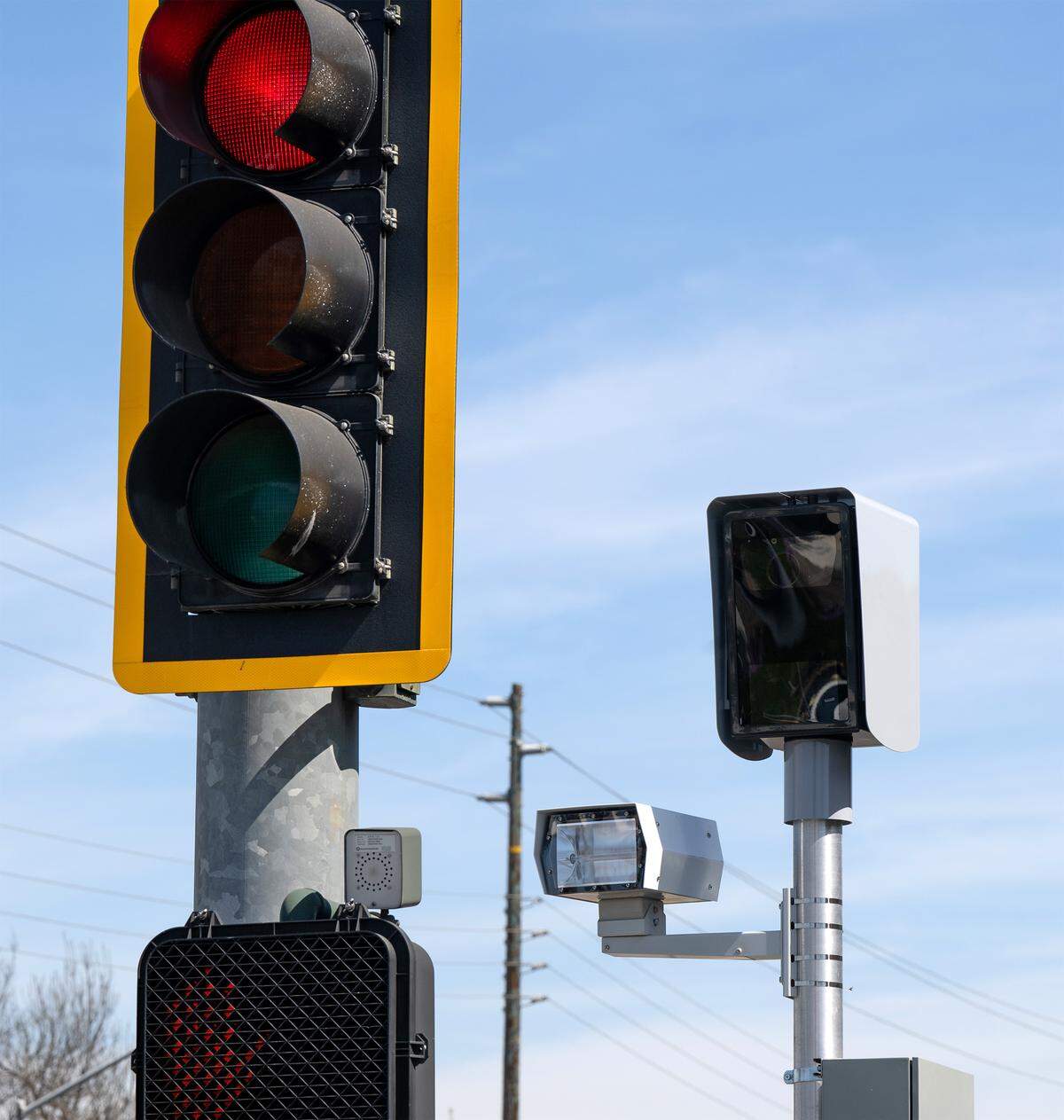
The bill would also require drivers faced with a steady yellow signal to “slow down immediately” if safe to do so. That would mean no more speeding up to “beat” a red light when the light turns yellow.
Currently, law enforcement agencies in South Carolina are not allowed to use traffic cameras — including speed cameras and red light cameras — to issue tickets for traffic violations. Private communities, which are responsible for their own traffic enforcement, are allowed to use traffic cameras, and some are storing drivers’ personal data, the Island Packet found.
Under the new bill, local governing bodies such as town, city and county councils would be allowed to adopt ordinances for the civil enforcement of traffic violations by means of traffic-control signal monitoring systems.
Such ordinances would only be allowed if the fine for a violation does not exceed $100. The bill would bar local governments from holding drivers responsible for any court costs, assessments or surcharges.
Additionally, the violation can’t add any points to your license or affect your driving record, according to the bill.
How it would work
If any such ordinance is adopted, an agency must mail a citation within one week of the violation.
The citation must include the name and address of the registered owner of the vehicle, the registration number of the vehicle involved, the traffic violation charged, the location of the intersection, the date and time of the violation, a copy of the recorded images along with a statement that such images are evidence of a violation and the amount of civil penalty imposed on the driver.
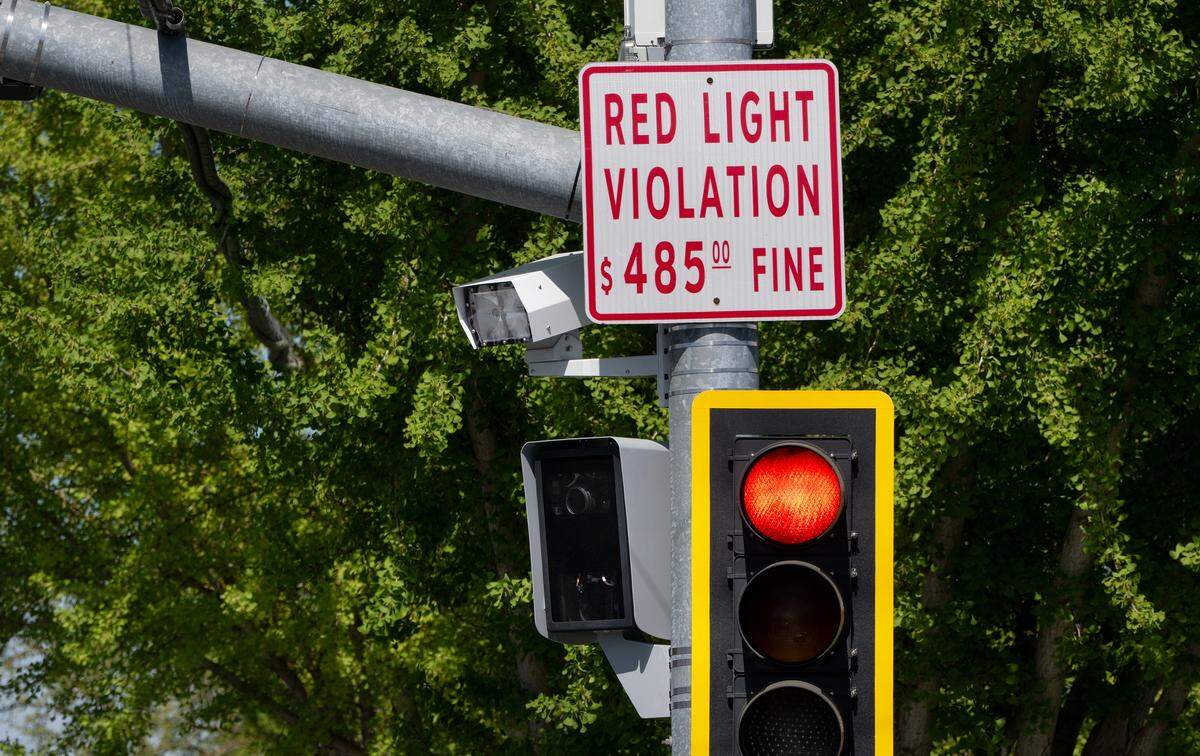
Drivers can defend themselves by proving they committed the violation in order to yield the right of way to an emergency vehicle or because they were part of a funeral procession. If the vehicle or license plate was stolen, the owners must prove that a police report was filed before the time the violation occurred, according to the bill.
Who is behind this bill?
Bill 5600 is sponsored by representative Weston Newton (R), whose district encompasses several major gated communities in Bluffton, including Belfair, Rose Hill and Palmetto Bluff. It is co-sponsored by Rep. Bill Herbkersman (R), who represents downtown Bluffton, areas around May River Road and most of Sun City and Rep. Jay Jordan (R), who represents part of Florence County.
Newton did not immediately respond to a request for comment Monday morning.
What’s next?
The bill was introduced and read for the first time before the South Carolina General Assembly on Tuesday, April 28. It was then referred to the House Committee on Judiciary.

Rep. Newton chairs the House Judiciary Committee. The committee vets legislation related to general laws, criminal laws, constitutional laws, domestic relations, business, probate law, artificial intelligence and cybersecurity.
After a committee completes work on a bill, it may be put on the calendar for a second reading, upon which it may be debated, amended, committed or tabled. After a third reading, the bill may be sent to the Senate, and if approved by the Senate, it will be sent to the Governor for signature or veto.