Bluffton homeowners’ dispute heading to SC’s highest court. Here’s why

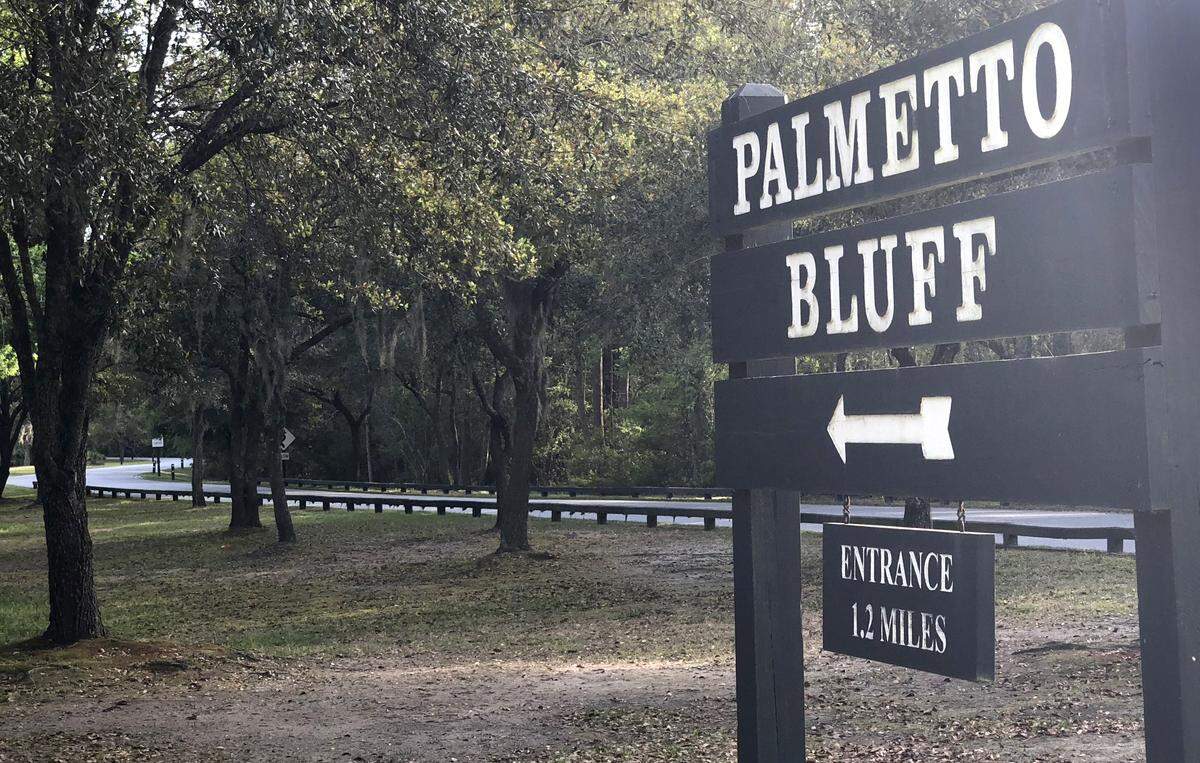
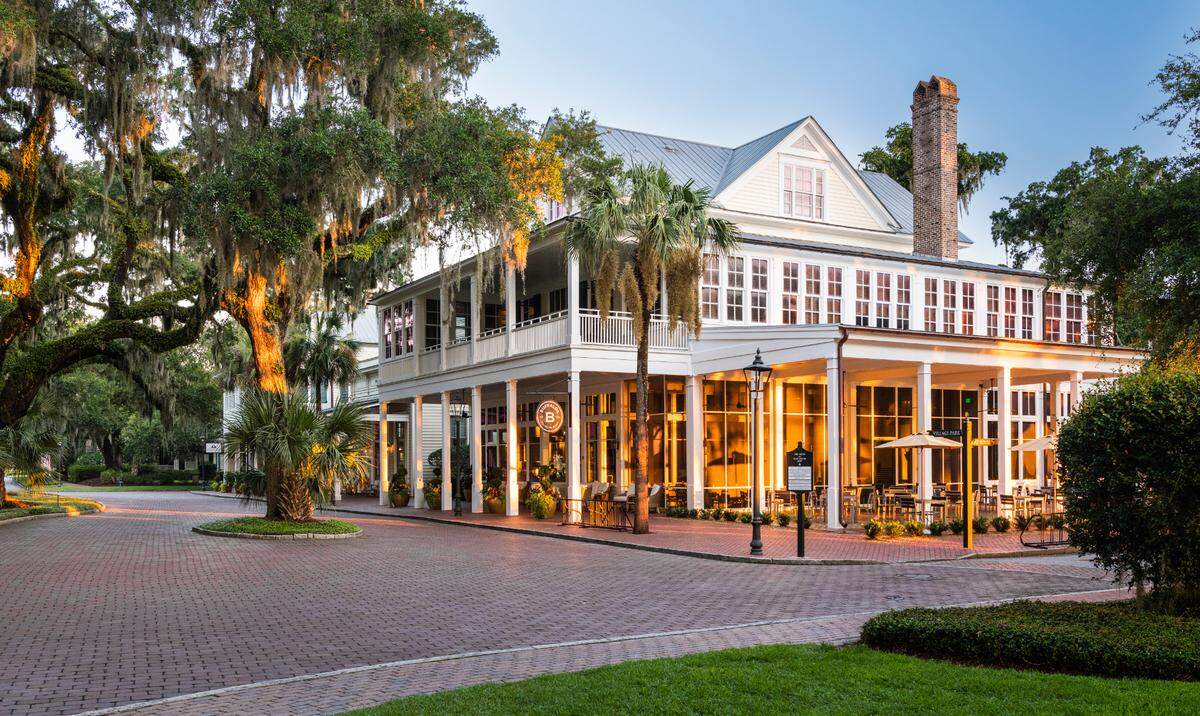
Palmetto Bluff is a 20,000-acre residential community in Bluffton most known for Montage Palmetto Bluff, the five-star resort where Justin and Hailey Bieber got married in 2019.
It’s also at the center of a nearly four-year-long legal battle between a dozen homeowners in short-term rental areas and the private equity firm in charge of the community.
The lawsuit, originally filed in 2022 by about a dozen homeowners, raises questions about whether Palmetto Bluff can require residents to join a for-profit club and pay mandatory dues without receiving any ownership. But there’s another issue at play: The parties are split on whether the case should play out in public, or be handled through private arbitration.
In court in 2024, the developer argued that most plaintiffs agreed to mandatory arbitration clauses when they signed Palmetto Bluff club agreements. Although the clause does exist in membership documents, two lower courts rejected that argument, saying the homeowners “lacked a meaningful choice” when signing on.
Palmetto Bluff appealed, and now, the South Carolina Supreme Court is set to hear arguments on April 22 at 10:30 a.m.
The outcome of the case will have broad implications over when and how companies in South Carolina can keep legal disputes out of the public court system.
Attorney Ian Ford, who represents the plaintiffs, said if the case is moved to arbitration, it would be difficult to find.
“Essentially, it buries the dispute,” Ford said.
How did we get here?
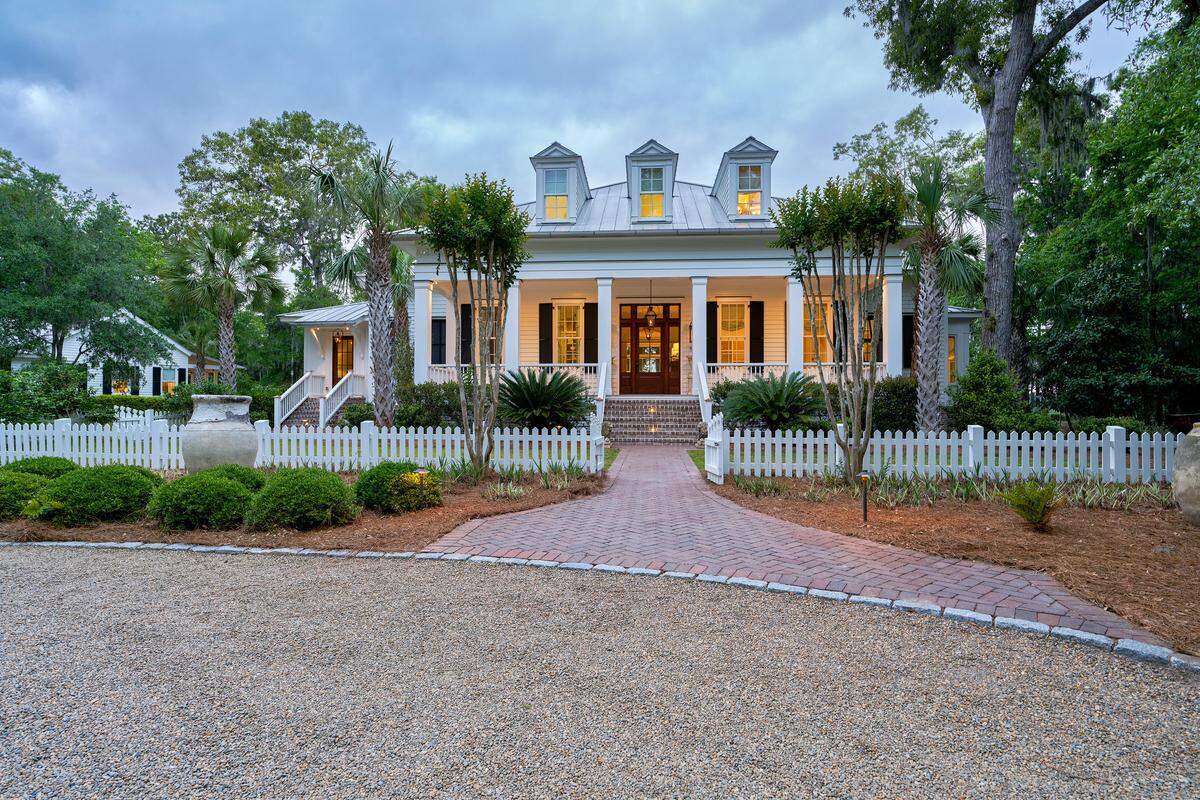
Founded in the early 2000s by Crescent Communities, Palmetto Bluff is one of the largest neighborhoods in Beaufort County, spanning 20,000 acres along the May River. It’s also one of the most expensive; in 2025, the average home resale price in the neighborhood was $2.95 million.
More than 1,200 homes have been built in Palmetto Bluff so far, according to a recent real estate report, but there’s space for 4,000.
The community has designated areas where people can purchase property to rent on the short-term rental market. Tensions between homeowners in these areas and the developer date back many years, but the “catalyst” for the 2022 lawsuit was the acquisition of Palmetto Bluff by private equity firms.
The community was acquired in 2021 through a joint venture between South Street Partners, a private equity firm with headquarters in Charlotte, NC and Charleston, and Henderson Park Capital, an international private equity real estate firm based in London.
The following February, South Street announced it assumed control of the Palmetto Bluff Club, LLC, which controls basic amenities such as pools, fitness centers and restaurants, but not golf.
In the lawsuit, about a dozen homeowners representing properties in designated short-term rental areas expressed frustration that their guests were not allowed to use amenities, many of which are close to their properties. (Guests are now allowed to access amenities for a $25 nightly fee).
They sued not only the Palmetto Bluff Club, but also Palmetto Bluff Development, South Street Partners, Montage Palmetto Bluff and a host of other individuals and entities, naming a total of 12 defendants. The plaintiffs named in the case include individual homeowners as well as their LLCs and trusts.
Why arbitration?
Anyone that accepts a deed in Palmetto Bluff automatically agrees to become a member of the Palmetto Bluff Club and agrees to the club documents, including the membership agreement and the membership plan, the community charter says.
The club documents can be amended at any time by the developer without the consent of homeowners. Unlike the community charter, club documents are not public record.
At the end of the membership plan is a provision that any dispute must be resolved by mandatory arbitration, and that the existence of the dispute and its outcome must remain confidential. The provision only applies to members who joined on or after June 19, 2017, according to the membership plan.
Homeowners pay dues and fees without receiving any ownership interest or voting power, and must agree to terms that the developer can change at any time without their consent.
The setup strikes Ford as unusual. Typically, property owners associations in South Carolina are nonprofit corporations. The club may be a separate entity but is “almost always a nonprofit,” he said.
“If you’re a member of your Gold’s Gym, they don’t let you vote if they’re going to raise dues,” he said.
Jordan Phillips, managing partner at South Street Partners, said the structure was in place since the early days of Palmetto Bluff, and South Street “inherited it.” He argued that the club dues have to be set at a break-even level, so it operates “like a nonprofit.”
“We’re prepared to defend the structure, as we think it’s certainly acceptable and legal,” Phillips said.
What are the arguments?
At a South Carolina Court of Appeals hearing on June 4, 2024, Ford refuted the validity of the arbitration agreements, arguing that they contained numerous unfair terms and were presented to homeowners on a “take it or leave it” basis. He pointed out that the developers can amend the agreement at any time without the consent of homeowners, and that the developers “sue people all the time in court.”
Even if the arbitration agreements were enforceable, Ford argued that because not all the plaintiffs had agreed to arbitrate, it would be unfair to force them to. He also presented the club as one of only 12 defendants in the case; the plaintiffs never agreed to arbitrate with the other 11 defendants, he said.
Alexandra Austin, an attorney representing the defendants, argued the “vast majority” of plaintiffs in the Palmetto Bluff suit agreed to mandatory arbitration in 2024. Only three plaintiffs did not have a signed arbitration agreement, Austin said at the hearing.
Ultimately, the South Carolina Court of Appeals agreed to not allow the case to move to private arbitration. In an opinion last amended Nov. 13, 2024, the court ruled that homeowners “lacked a meaningful choice” in signing the agreement and that it contained “oppressive and one-sided terms.”
Palmetto Bluff Development, along with the other defendants, appealed the case to the South Carolina Supreme Court one month later.
Phillips said his team is only “enforcing what the property owners’ signed up for.”
“It’s pretty rare, is my understanding for the Supreme Court to accept one of these petitions,” Phillips said. “They clearly see some merit and believe there’s serious questions regarding the lower courts’ decisions.”
What is arbitration?
When people think of a lawsuit, they typically imagine a judge and a jury deciding on the case. However, if both parties agree, the disagreement can be resolved through arbitration, which is “completely separate” from the public court system, said Kathleen McDaniel, a partner at Burnett Shutt & McDaniel who specializes in homeowners’ association disputes.
Arbitration is typically more expensive than public court, McDaniel said, and an arbitrator’s decision is binding, meaning there’s no option to appeal. The process of discovery is typically more limited, and members of the public can’t access documents or attend hearings.
“It’s a private court, essentially,” McDaniel said.
South Carolina homeowners may be forced to resolve disputes through this private process if there is an arbitration agreement written into the property’s restrictive covenants.
But even then, courts can decide the agreement is “unconscionable,” if the terms of the agreement are “overly oppressive and unfair,” and/or there’s a strong imbalance of power, McDaniel said.
What is the lawsuit actually about?
What the 2022 lawsuit is really about depends on who you ask.
Lawyers for the defendants say it’s a short-term rental dispute, brought by the plaintiffs to boost their business.
At the 2024 hearing, Austin argued that the plaintiffs, eight of whom are out-of-state, are only bringing the lawsuit to seek more favorable terms in order to better market their properties as short-term rentals.
“What they’re complaining [about] is the fact that they joined the club, that they’ve had to pay fees and dues, and that they don’t have more access to the club, and that their renters don’t have more access to the club,” Austin said at the hearing.
Ford, the plaintiffs’ attorney, disagreed with the characterization that the case is about short-term rentals. He argues it’s really about challenging the unlawful structure of the Palmetto Bluff Club. Everything else, he said, is a “symptom” of that.
“At its heart, this case is about what restrictions a developer can bind to land in South Carolina,” Ford said at the hearing.
The SC Supreme Court’s decision April 22 could mean broad consequences for disputes between homeowners and the communities they live in across South Carolina.
If the court upholds arbitration, the outcome of the dispute will be handled privately: a win for developers, but not for homeowners.
But if the court strikes down the developer’s request, it could result in homeowners and consumers having more control over whether they want legal disputes to be decided by a court rather than a private arbitrator.