Bluffton man loses nearly $7K to immigration lawyer scam, police say
A Bluffton-area resident seeking asylum from Nicaragua said he lost nearly $7,000 to an immigration lawyer impersonation scam that also jeopardized his real path to citizenship, according to the Beaufort County Sheriff’s Office.
On March 3, the man told police at the Hilton Head Island sheriff’s office substation that he unlawfully entered the U.S. in 2022 and later turned himself in to U.S. Customs and Border Patrol. After being “briefly detained” and requesting asylum, he was given instructions to appear annually at Charleston’s federal immigration offices, he was documented saying in an incident report.
Shortly before the man’s first scheduled court hearing on Oct. 22, his roommate gave him contact information for an immigration attorney he met on Facebook — who later turned out to be an impersonator, the police report says.
He was at least the second Beaufort County resident in recent months to report falling victim to such an impersonation tactic. Experts nationwide say immigration-related scams have surged in prominence in the last year, coinciding with increased enforcement under President Donald Trump.
Fake attorney’s fees pile up
When the man called the supposed attorney seeking help for his upcoming court date, she quoted him $800 to convert the hearing to an online format, according to the report. He told police he paid that amount through Zelle, along with another $3,800 fee.
The man went on to attend a fabricated virtual court hearing, the report says, where a “judge” issued an apparent deportation order that he had 30 days to appeal.
Over the next several weeks, according to the incident report, the fake attorney presented additional false case updates to drain even more from the man’s wallet: $1,000 to appeal the removal order and $2,000 to file for an adjustment of immigration status. During the process, the man “trusted” the supposed lawyer and “was following her instructions in hope of avoiding removal,” he was documented saying in the report.
After making three weekly payments of $300 towards the $2,000 filing fee, the man told police, he “became suspicious” and searched the attorney’s name online. He realized the woman used the same name as an attorney in Florida who had passed away, the report says, and the fake judges from his supposed online hearings looked entirely different from the real court officials they were impersonating.
The man reported losing a total of $6,849 to the immigration scam, which he said also prevented him from attending his real court hearings and following through with his case. He now faced an actual deportation order from the federal government, a deputy noted in the incident report.
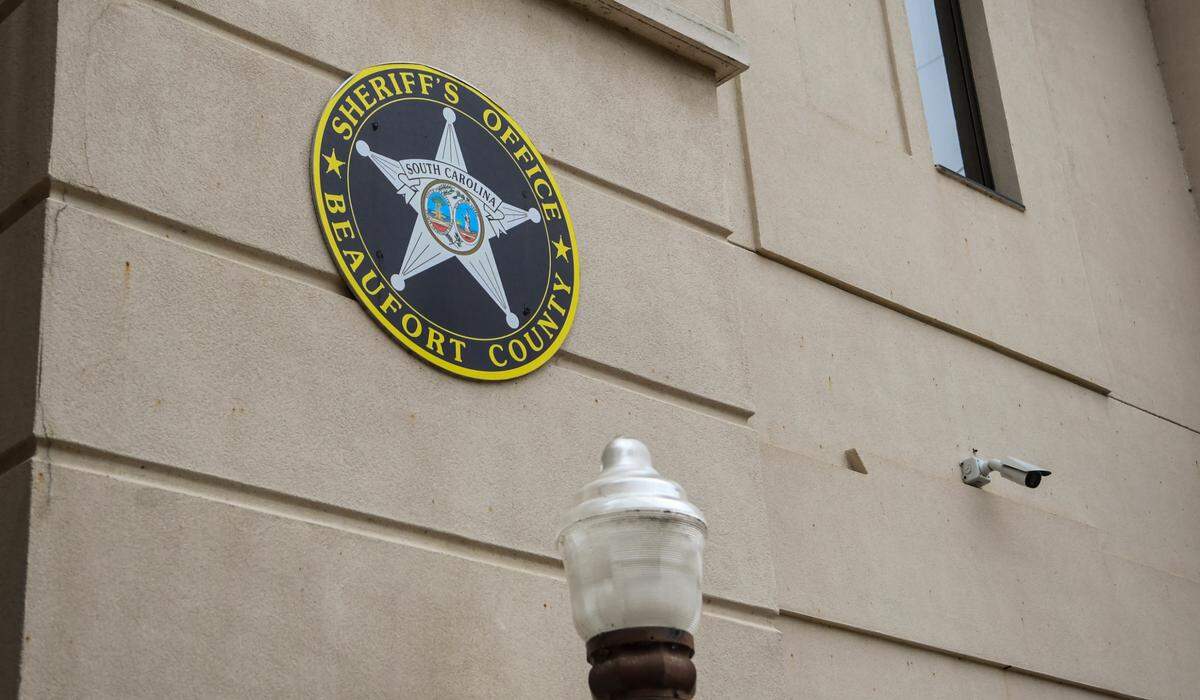
The Beaufort County deputy reviewed a packet of information the victim provided, including screenshots of Zelle payments and a timeline of events, noting in his report it was a clear case of “fraud and obstruction of justice.” He searched cellphone records for the fake attorney’s phone number but was unable to find an associated customer, the report says.
In December, another Beaufort County resident seeking citizenship was scammed out of $12,600 by a fake immigration attorney, according to a different incident report. The two cases were strikingly similar, with both scammers reportedly being found on Facebook and requesting payment through Zelle.
Immigration-related scams don’t exclusively target non-citizens. In a twisted take on a romance scam, a Hilton Head woman reported losing $300 in January after fraudsters said her online “boyfriend” had been detained by Immigration and Customs Enforcement.
Immigration scams rising nationwide
Officials across the country have reported dozens of impersonation scams targeting immigrants, which are said to have spiked during Trump’s second-term crackdown on immigration.
Last month, federal prosecutors in New York charged five people with running a sham law firm to steal more than $100,000 from immigrants seeking legal help. The suspects allegedly organized fake immigration proceedings and posed as judges, lawyers and federal agents as part of their trickery, according to The Guardian.
The American Bar Association in November warned of over a dozen documented cases of fraudsters impersonating its own immigration attorneys. The organization offered the following tips for avoiding the scam tactic:
- Meet with an attorney in-person, if possible.
- Ask to see proof of license and check the state’s licensing authority to confirm the person is a licensed attorney in good standing.
- Thoroughly review contracts and understand what services are being offered. Keep a copy of any agreement.
- Always get receipts for payments.
- Try to get a second opinion, especially if the options sound too good to be true.
This story was originally published March 10, 2026 at 4:46 PM.