‘For the most part, we can track you all over the country.’ Beaufort Co. adds license plate cameras
Law enforcement in Beaufort County has slowly invested more than $600,000 in nearly 70 new license plate-reading cameras, while also expanding the surveillance capabilities of existing traffic cameras.
The 70 Automated License Plate Reader cameras, known as ALPRs, represent a large jump in the county’s license plate reading technology in a short period of time.
Beaufort County alone has 24 ALPRs, but hopes to double the number to 50; police agencies in Beaufort, Bluffton and Port Royal, along with the town of Hilton Head have also invested in more surveillance technology, including ALPRs.
The Beaufort County Sheriff’s Office insists people who aren’t engaged in criminal activity have nothing to worry about. Cameras have been instrumental in locating suspects in multiple shooting cases, murders and break-ins and finding stolen vehicles, runaways and people in distress, officials said.
But some view the widespread tracking of license plate-reading cameras as an infringement on civil liberties.
The cameras are at the heart of a lawsuit accusing the South Carolina Law Enforcement Division of “unlawful and unaccountable surveillance” in their widespread system of ALPRs, according to a petition filed in the state Supreme Court.
Paul Bowers, director of communications for South Carolina’s American Civil Liberties Union, said widespread use of ALPRs amounts to mass tracking of the movements of people who are not even suspected of crimes.
“I think in a free society, we should be able to live outside constant suspicion and threat,” he said. “Living in a place where you always believe that the state is somehow watching you is not my idea of freedom.”
What are ALPRs?
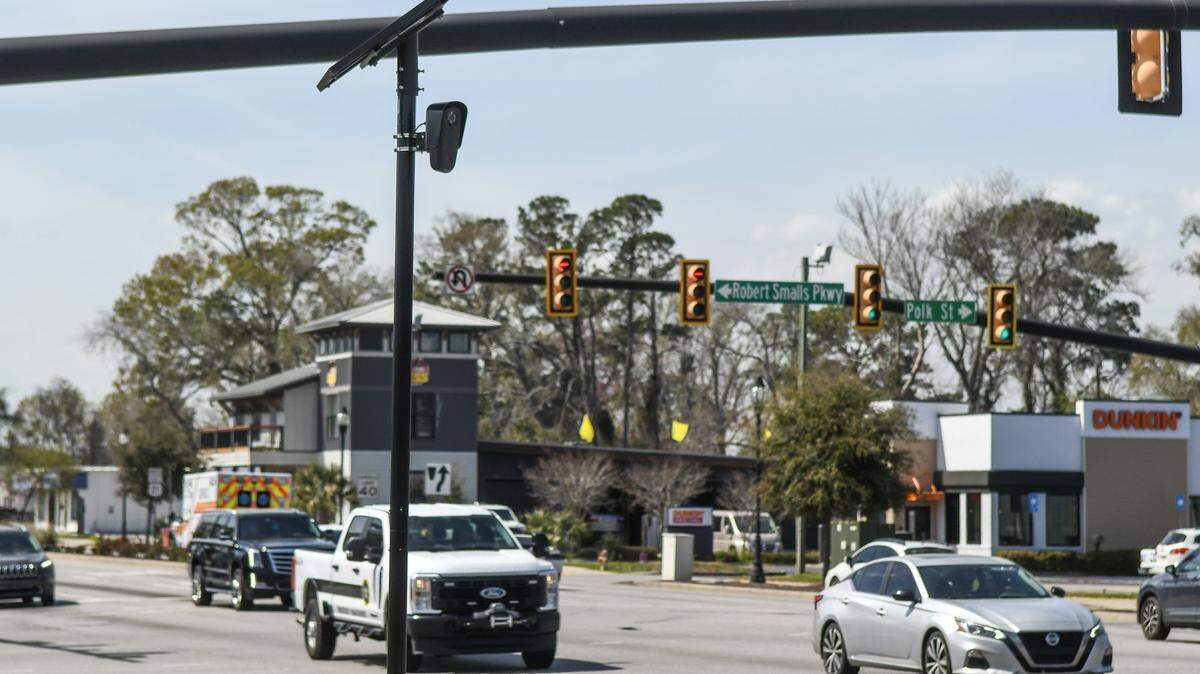
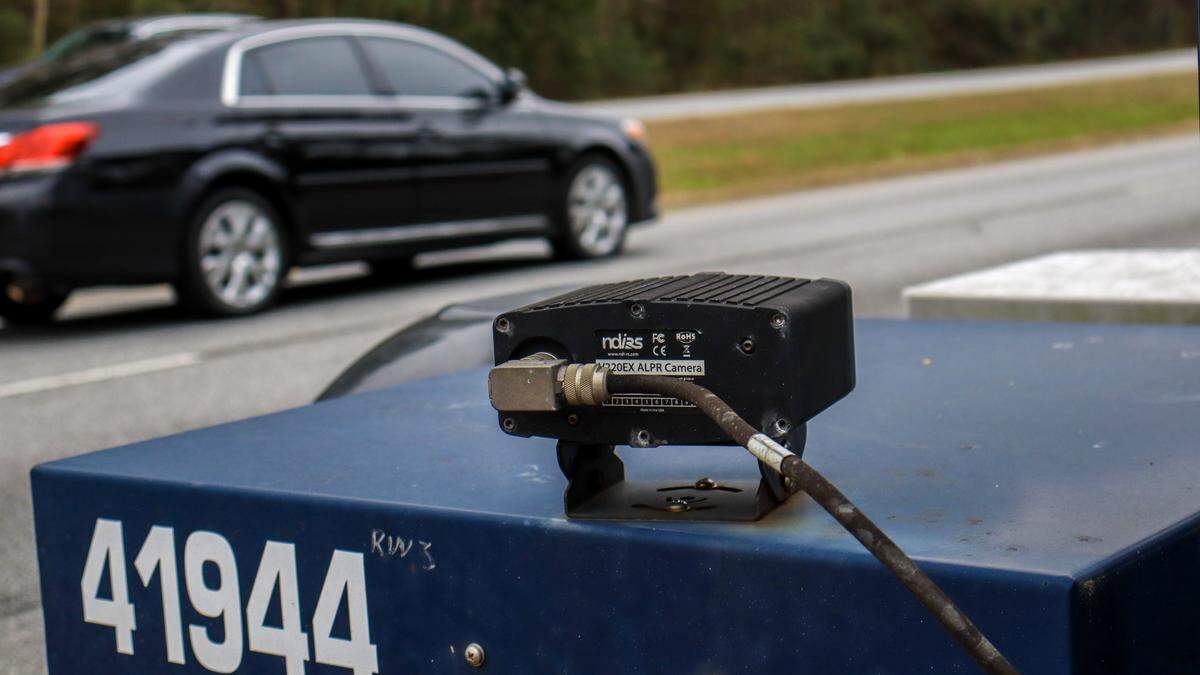
ALPR cameras capture images of license plates as they pass by. Unlike speed or red light cameras, which snap a photo when a specific violation occurs, these cameras attempt to capture images of every tag on the roadway.
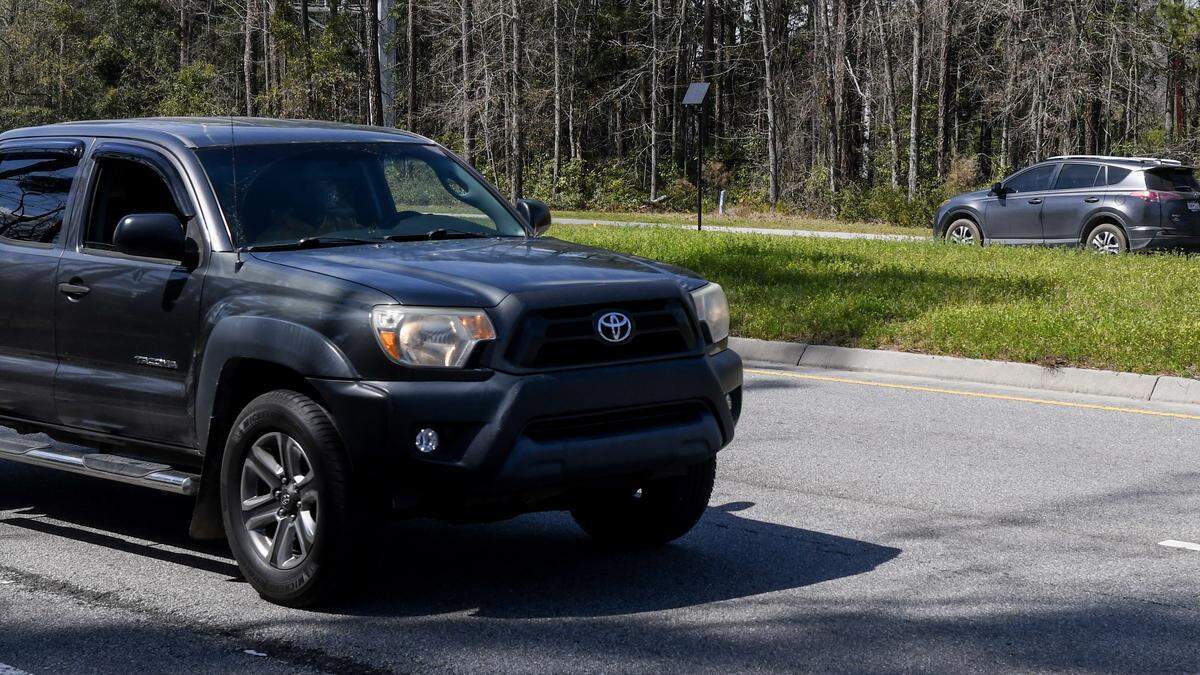
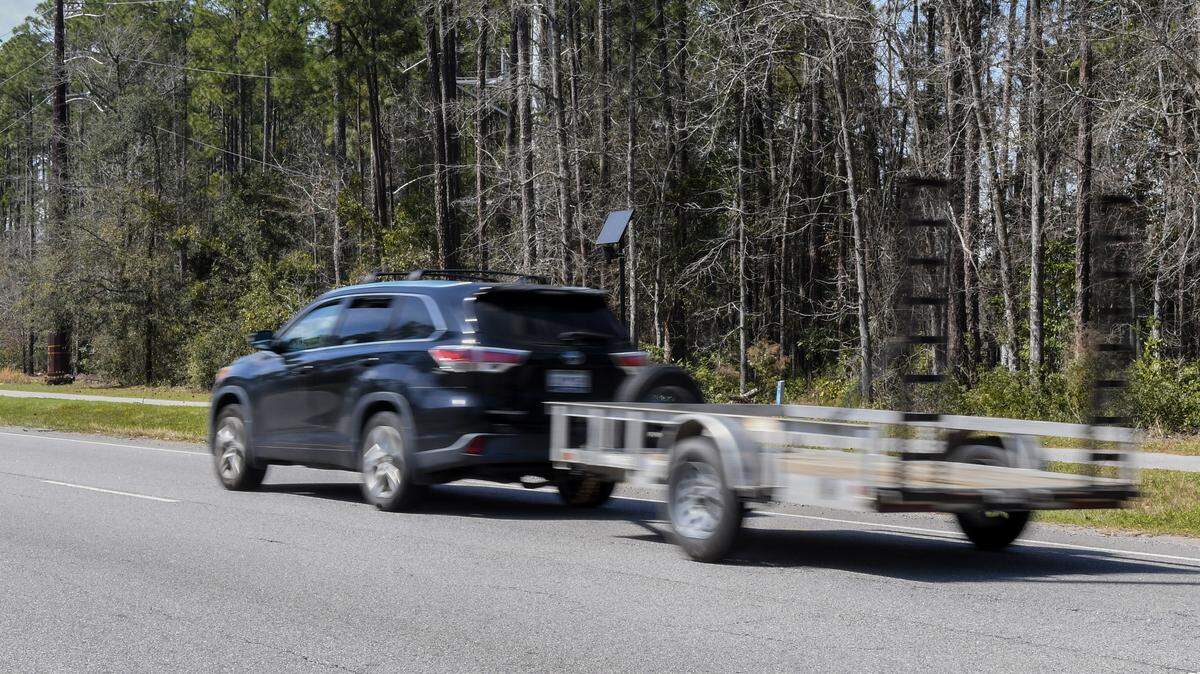
Cameras can be mounted on street poles, traffic lights, highway overpasses and trailers, or attached to police cars and other surveillance vehicles. Images go to a database, which stores “tags” or license plates captured, with the location, date and time that they were taken.
Some systems, like Flock Safety, can collect data to create a “vehicle fingerprint,” like color, make, model and details like which direction the car was driving and unique characteristics like decals, bumper stickers, accessories and even damage to the vehicle.
Data collected in Beaufort County is stored by private vendors the agencies contract with, not their internal servers, which means the public does not have access to the data through public records requests.
In Beaufort County, police departments in Beaufort, Bluffton and the town of Hilton Head, which does not have its own police force, have invested in Flock Safety cameras or systems, according to contracts obtained by the Island Packet and Beaufort Gazette. BCSO opted to purchase Rekor cameras and Verkada systems.
In just one year, BCSO’s newly-installed cameras captured more than 83 million “tags,” or stored images of a license plate, according to Captain Brian Baird, who oversees the department’s ALPRs. In the same timeframe, 4,320 individual license plate searches were conducted on their system, or about 11 searches per day on average.
ALPRs are the basis for a lawsuit filed in the State Supreme Court in 2022, accusing the South Carolina Law Enforcement Division of unnecessary surveillance. SLED stored 400 million time-stamped and geolocated images of license plates for three years, according to the petition; the case is currently moving through the appellate process.
As law enforcement agencies bump up the number of speed cameras across the area, BCSO has also invested in technology that effectively converts 87 pre-installed and somewhat passive traffic cameras into feeds that are stored and searchable. It turns the previously “live” cameras into a searchable asset for up to 30 days, Baird said.
Beaufort County Sheriff P.J. Tanner says ALPRs are nothing new. They have been capturing images of license plates on county roads for the past decade, he said. The department cited concerns about drive-by shootings and gun violence when it asked county council members to approve funding for additional cameras in November 2024.
The Island Packet asked personnel within the Beaufort County Sheriff’s Office to see how the devices worked in person. The request was denied to “protect restricted information.”
How long is the data stored?
Cameras and systems in Beaufort County, regardless of municipality or system used, collect and save tags for about a month.
Flock Safety, the system used by Bluffton, Beaufort and Hilton Head, stores the data for the agencies for 30 days, according to their contracts. The company permanently deletes the stored data after the 30 days on a rolling basis, according to its website. The company does not explain how the data is deleted.
For BCSO, a 30-day retention period was a deliberate choice, made to reflect a middle ground compared to a number of ALPR bills proposed in the latest South Carolina legislative session, said an attorney for the sheriff’s office, Daniel Gourley. The most restrictive bill proposed a 21-day limit while others posed a 90-day window, so they strived to be somewhere in the middle.
After 30 days, Baird said, the data is “gone forever” and can no longer be searched.
Who can access the data?
At least one person from each of the Beaufort County’s municipalities with ALPR cameras has direct access to the data, according to interviews with each of those agencies.
On Hilton Head, Bob Bromage, the town’s director of public safety, is the only person in the town with authorized access to the data, he said. For BCSO, around 100 people, mostly investigators, have direct access to the data, Baird said. This is close to one-third of the department.
Police agencies can share their camera access with others to allow for a wider investigative reach, with the ability to track a vehicle if it crosses county or even state lines. They are also able to share access to their data with other agencies. For law enforcement, this is an extremely helpful tool in crimes or safety threats that are taking place on the move, they said.
“This helps tremendously if a vehicle was used in a crime somewhere else,” wrote Bluffton Police Chief Joe Babkiewicz in response to questions from the newspaper. “It alerts our officers that [the] vehicle has entered our town. In addition, it helps notify other agencies of a vehicle we may be looking for that had committed a crime.”
Tanner said his department has the ability to track people not only in Beaufort County, but “all over the state” thanks to partnerships with other law enforcement agencies, he said.
“For the most part, we can track you all over the country,” Tanner said.
State-level agencies like the South Carolina Highway Patrol and SLED do not have direct access to BCSO’s data, Baird said, but are able to request it from the department.
Federal agencies such as the FBI and NCIS have requested ALPR data in the past, Baird said.
Privacy concerns
Civil liberties advocates and researchers nationwide have sounded the alarm bell over widespread ALPR use, specifically when it comes to data sharing capabilities and general concerns about oversight of the technology.
“You just have to think about where you go in the course of a normal day,” said Bowers from the ACLU.
“You start your morning dropping your kids off at school, maybe you go to work, maybe you go to a political protest, you go to a gun range, you go to a place of worship... Your movement to and from all of those places is being logged by both the government agencies maintaining these cameras and the private entities that provide them,” he said.
Merely by driving a car with a license plate, people are often unwittingly entered into massive databases that are then shared, Bowers said.
’Just trust us is not enough’
Regardless of the system used, local police are expected to have an official reason when conducting a database search.
At BCSO, searches are supposed to be considered “legitimate and viable,” meaning they should be connected to an existing case, or if a case number has not been assigned, a preliminary investigation, Baird said. For local police agencies using Flock, officers have to fill out a “purpose” field when conducting a search. It is intended to prohibit unauthorized searches or other misuses.
At the same time, each distinct search generates a digital record identifying the user, the subject of the search and the stated reason for the search. This creates an audit trail. The camera companies provide audit reports that allow agencies and other oversight bodies to review the system’s use.
In some states like North Carolina, police agencies are required to have a written policy regulating their ALPR use. They also require annual auditing of the system’s use by the head of the agency responsible for the system. Without a state law on the books, oversight of these systems can differ from agency to agency in South Carolina.
Each quarter, a committee of Bluffton residents reviews the list of the searches made by their police force, according to Babkiewicz. Questions about whether there have been any violations found in the past year were not answered prior to publication.
Because Hilton Head does not have its own police force, a BCSO Captain is responsible for overseeing compliance for cameras owned by the town, wrote Gourley.
When asked if the Beaufort Police Department had documented audits of how the system is being used, the agency said their records are maintained by the camera company. They did not respond to follow up questions regarding their own internal checks on the searches prior to publication.
BCSO personnel lead an internal monthly audit of its searches. So far, BCSO said they have not found any misuses in its internal monthly audits, led by Baird. The department does not produce or keep any physical documents or records of the audits for public review.
Department personnel found to be in violation would be subject to internal discipline, but more importantly, Tanner said, the department could suffer a major operational hit if someone is found to have misused the system in a state-level annual audit. The department itself could lose its access to critical national and state criminal databases, he said.
Those who are not involved in crime, Tanner said, should “not have any worries” when it comes to their privacy. He did say, however, that it is “a privilege to operate a motor vehicle on public roads.”
“If you’re not involved in criminal activity, we’re not tracking you,” Tanner said. “If your car is stolen, or if you’ve got outstanding arrest warrants, or you’re a suspect in an investigation, then you’ll be tracked.”
Bowers said when it comes to ALPRs, people shouldn’t have to take law enforcement at their word.
“’Just trust us’ is not enough,” said Bowers. “That’s not an adequate answer. If there are internal audits that are not subject to public inspection, then that doesn’t inspire a lot of confidence in the agency.”