Will Beaufort Co. use cameras to find suspect vehicles? Concerns raised before final vote
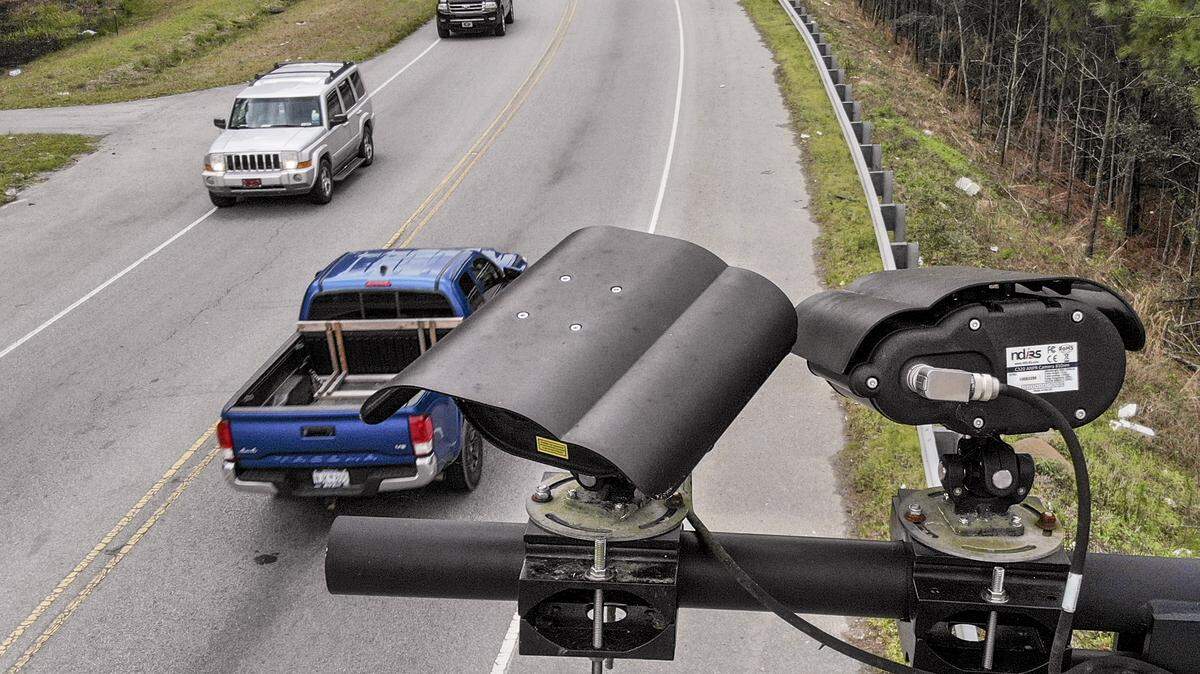
On Monday, the finance committee of Beaufort County’s council gave a green light for funding 23 new license plate reading cameras and additional software to search through collected data for specific vehicles. A discussion pitted public safety concerns against personal freedoms.
Five of the 11 county council members serve on the committee, and voted in favor of the project with the exception of council member David Bartholomew, whose comments raised privacy concerns and liability questions.
The committee approved using $262,000 for the Beaufort County Sheriff’s Office to purchase, install and maintain the cameras over the next two years. The funding still needs to be approved by the full council in order to move forward.
Gun violence and drive-by shootings throughout Beaufort County were the top reasons why the department investigated installing these cameras said Captain Brian Baird during the meeting, who serves as the special projects officer for the Sheriff’s department.
The shooting of 14-year-old boy from Burton, Jerrieme “LJ” Washington in January was a catalyst for the project, said Baird.
Currently, individual municipalities have their own cameras, including Hilton Head, Beaufort and Bluffton, Baird said.
What is being proposed?
After evaluating several options from three different companies, the department decided they would purchase 23 cameras from Rekor and two command connector devices from Verkada. The devices, Baird said, processes the feed from the cameras so that license plate numbers and specific times are searchable. According to the proposal, the cameras would be placed in 20 different locations where the highest rates of crime occur.
If approved by the full council, the contracts for the equipment are scheduled to be completed by the end of this year.
Baird said that if certain license plate numbers are entered into the system, for example, the plate on a stolen vehicle, the department would be notified if that plate passed by a camera.
How are the cameras being funded?
The department applied for a grant from the South Carolina Department of Public Safety to fund the project said Baird, but ultimately they were denied. The reason for denial was not shared during the meeting. Because of this, the sheriff’s department had to reduce the number of cameras from 65 to 23.
The funding will instead come from the county’s American Rescue Plan Act fund, federal funds allocated for nationwide fiscal recovery after the COVID-19 pandemic. According to an update from Hank Amundson, special assistant to the county administrator, Beaufort County was awarded $37.3 million in ARPA funds in 2022 to be identified by the end of December of this year. After allocating money to five projects, including the sheriff department’s cameras, there is no money left in the fund.
The project will cost $262,000 over the course of two years. The two companies will charge $230,000 for the cameras and two command connector devices that will allow law enforcement to search through the feed. Second year maintenance will cost around $32,000.
The department hopes to purchase additional cameras in the future through county funds, said Baird.
What are the objections?
The county currently has one demo camera in place, said Baird. This camera has already helped to locate a murder suspect from Savannah, track down several stolen vehicles and find a dementia patient who drove away from a home in Sun City.
Despite the outcome, council member David Bartholomew brought forward several concerns, the biggest being the balance between public safety and civil liberties. He asked questions about data storage, statewide rules and the use of artificial intelligence.
Daniel F. Gourley II, general counsel for the Beaufort County Sheriff’s Office, said that there is currently no state legislation to guide them. Last year, a bill was proposed, but it never made it out of the State House of Representatives, he said.
Unlike the cameras installed by the South Carolina Law Enforcement Division, information picked up by the cameras in Beaufort County would only be stored for 30 days. SLED is currently being sued by the South Carolina Public Interest Foundation over their network of cameras that stores information indefinitely, he said.
Gourley said the information would also be held by a private, third-party company instead of by the Sheriff’s department, meaning personal data would not be a public document under FOIA law. There will be limitations to who can access the information from the Sheriff’s department, and if they want to search for something that has been recorded, it must be connected to a case number for an active investigation.
Baird said that an audit trail is left within the company’s software programs so that the Sheriff’s department can see who has accessed the information and what they searched for.
Bartholomew said that he would not support funding the project without state regulations on capture, storage and searching of data from license plate readers. He mentioned that the issue would be taken up again on the state level next year.
County council will have a regular session meeting on Dec. 9 where they will discuss funding the cameras. If the council approves the funding, said Baird, then he will work with the two companies to get contracts into place by the end of the year. Installation could begin as early as the second week of January.