Monarch butterflies signal start of fall in the Lowcountry. How to attract them to your SC yard
As fall settles into the South Carolina Lowcountry, the season doesn’t always bring the traditional crunch of red and yellow leaves.
Instead, the landscape is often graced with a more vibrant and delicate sign of the changing seasons — the fluttering of bright orange butterflies gliding through warm autumn breezes during their migration south.
Peak butterfly activity is often between September and November in the Lowcountry. So, if you’re on the lookout, here are some tips to attract them to your yard this fall and the kinds of butterflies you’re most likely to spot.
The stars of the season: Gulf Fritillaries and Monarchs
Two butterfly species have historically dominated the fall skies in the Lowcountry: Gulf Fritillaries and Monarchs.
Both are migratory, but each has unique habits and plant preferences that make them fascinating and critical parts of the regional ecosystem.
Gulf Fritillaries
Medium-sized with narrow wings, Gulf Fritillaries are one of the most frequently spotted butterflies in the Lowcountry during autumn and are easily confused with the famous Monarchs.
Their bright orange upper wings, marked with black spots and streaks, make them unmistakable in flight. When perched, their silvery-brown undersides sparkle in the sunlight.
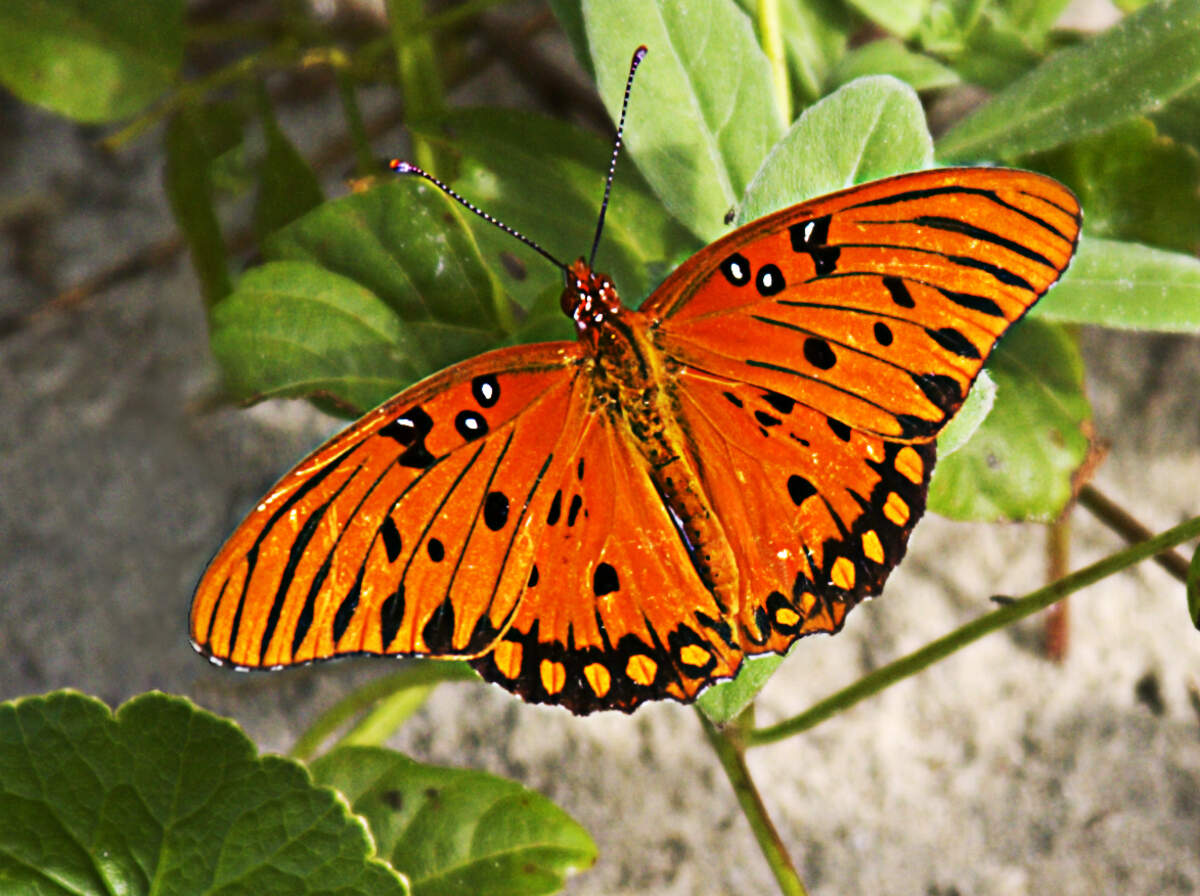
These are the plants and nectar sources they are most attracted to, according to Clemson University’s Home and Garden Information Center:
- Nectar sources: Gulf Fritillaries are especially drawn to lantana, verbena, zinnias, pentas, butterflyweed, common milkweed, peppermint, red clover, tickseed sunflower, and asters.
- Host plant: The caterpillars feed exclusively on passionflower vines. Males are often seen sipping nutrients from wet sand or soil to supplement their nectar diet, which provides essential salts and amino acids.
Though they can tolerate brief cold snaps, Gulf Fritillaries cannot survive freezing temperatures. By winter, most migrate south to Florida, though a few may still be seen fluttering through warm spells into December.
Monarchs
Monarchs are larger, with bold black veins on their orange wings and rows of white dots along the edges. They are famous for their multi-generational migration, where no single butterfly completes the round-trip journey.
- Nectar sources: In fall, Monarchs feed on goldenrod, blazing star, ironweed, and tickseed sunflower. They also nectar on lantana, milkweed, and red clover.
- Host plants: Milkweed is the preferred host plant for monarchs to feed on, including the aquatic milkweed and the swallow-wort.
.jpg "monarch on hardy aster (1).jpg")
Traditionally, Monarchs in the eastern U.S. migrate to central Mexico as the weather cools. However, some Monarchs have begun to linger in coastal South Carolina.
A 2023 report by the South Carolina Department of Natural Resources suggests some Monarchs are now living in coastal South Carolina year-round, particularly in the Sea Islands. This study shows that the new year-round population relies on swamps in spring, summer and fall and Sea Islands in the winter.
Other butterflies to spot in the Lowcountry
While Gulf Fritillaries and Monarchs steal the show, they’re not alone. Other common butterflies to look out for and their preferred host plants and nectar sources include:
- Cloudless Sulphur: These bright yellow butterflies that favor cassia plants for egg-laying and bougainvillea, cardinal flower and hibiscus for nectar.
- Common Buckeye: Recognizable by their brown and orange wings with darker “eyespots.” Host plants include snapdragons and wild petunia. They nectar on asters, peppermint and chicory.
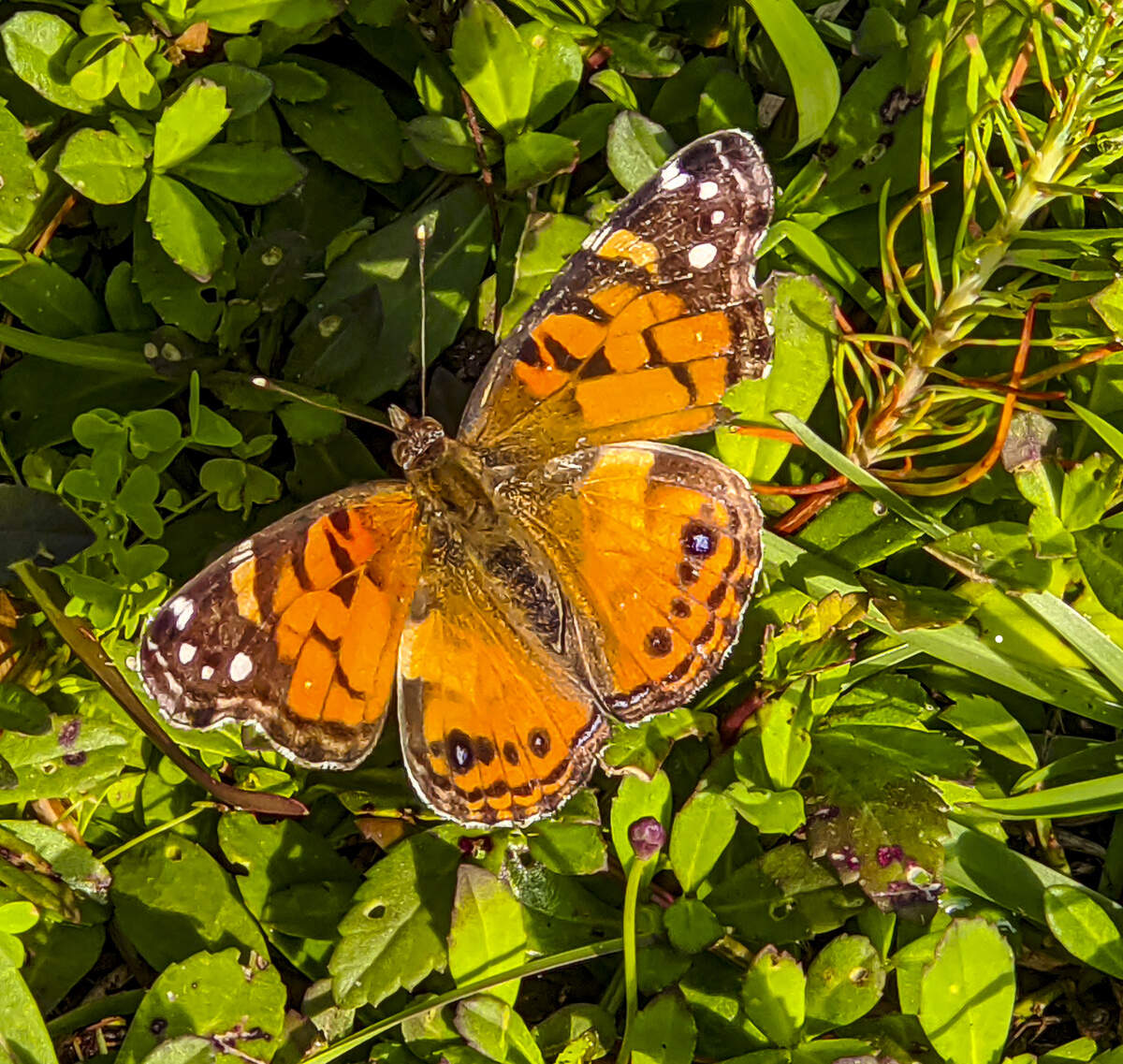
- American/Painted Lady: Another butterfly with orange, brown and spotted wings, the American Lady’s host plants include rabbit tobacco, wormwood and ironweed. They nectar on asters, goldenrod and marigolds.
Best practices when attracting butterflies to your yard
To attract both adult butterflies and their hungry caterpillars, your garden needs both nectar plants and host plants. It’s also wise to use a mix of plants that bloom across seasons to provide food throughout the year.
The shape of the flowers you plant is also important to keep in mind. It’s recommended to look for plants that produce clusters of tubular flowers or ones with large, flat petals, as they are easier for the butterflies to feed on.
When deciding on the location, pick a spot that receives at least 6 hours of sunshine a day and is protected from rough winds or predators, like birds. Butterflies also benefit from the sunlight for energy, and often sit on a reflective surface, such as a flat stone, to spread their wings and turn their backs to the sun. For additional tips when building a butterfly garden, click here.
Have you spotted any of these butterflies in your yard this fall? Share your photos or garden tips via email to amiller@islandpacket.com.