The tourist’s guide to visiting Hilton Head during hurricane season
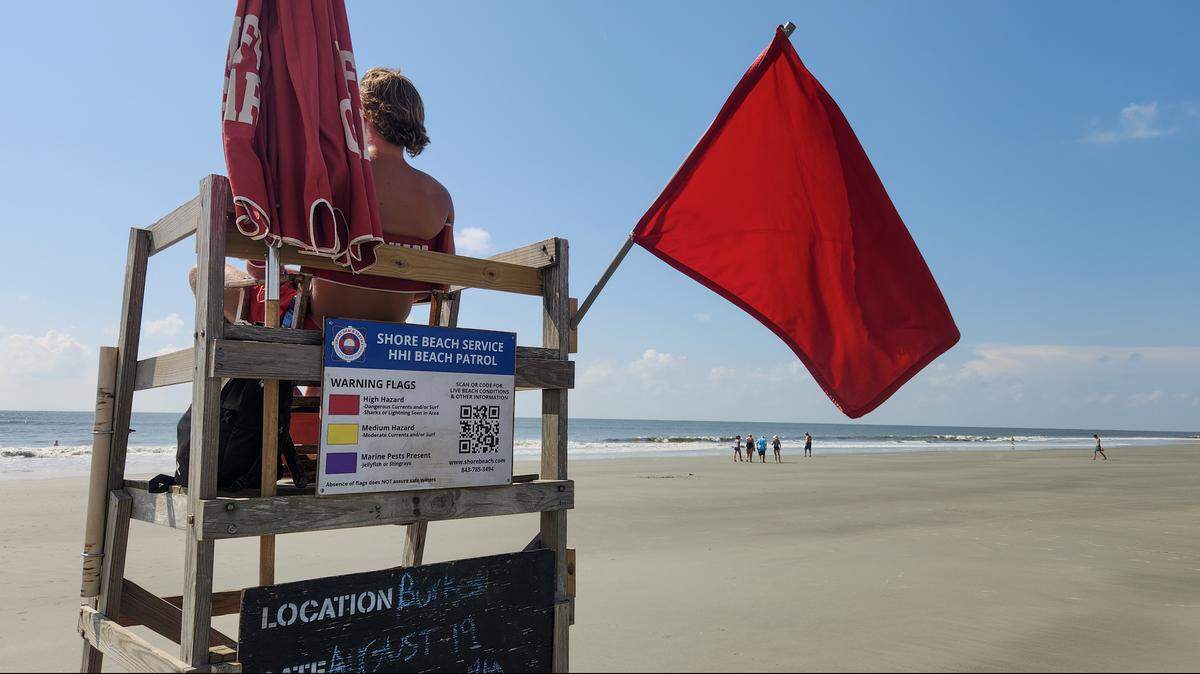
Hurricane season is officially ramping up, but tourist season in the Hilton Head area is still going strong.
August through October is historically the busiest time for tropical storms and hurricanes around South Carolina and for visitors enjoying the last of summer or ushering in to enjoy the fall months at the beach, that vacation may bring some unwanted weather.
While a storm warning or watch doesn’t always mean you have to cancel your beach trip, it’s important to be prepared.
Here’s what you should pack, prepare and plan for a trip to Hilton Head during the remainder of hurricane season.
Emergency hurricane planning
If a hurricane or tropical storm might impact the area while you’re visiting, it’s essential to have an emergency plan.
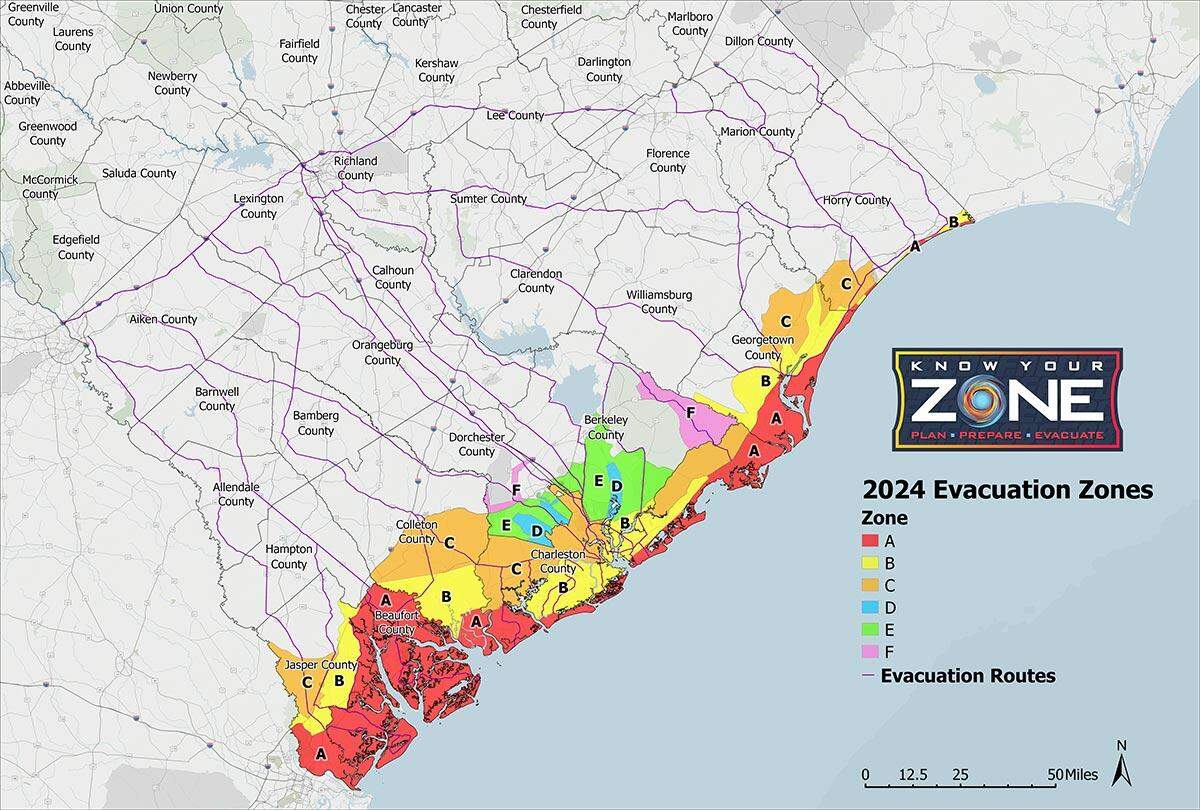
Ensure that everyone in your group has each other’s emergency contact information and knows your evacuation plan. The South Carolina Emergency Management Division’s “Know Your Zone” initiative identifies specific, location-based evacuation zones for coastal areas.
Zones are broken up into six different areas based on proximity to the ocean and coastline.
They are categorized alphabetically, from letters ‘A’ through ‘F,’ with ‘A’ zones being closest to the water. Areas closest to the coast will get an earlier evacuation order than areas further inland.
All of Hilton Head Island is zone ‘A’ for evacuations.
If you’re worried about inclement weather interrupting your beach stay, you can stay up to date through the National Hurricane Center, as they issue storm watches and warnings.
- Watches are issued 48 hours before a storm is projected to make landfall
- Warnings are issued 36 hours before a storm is projected to make landfall
For more information on zones and mandatory evacuations for the Hilton Head area, click here.
Packing the essentials
While most beach vacations call for a shopping trip for swimsuits, towels and sunscreen, it’s important to remember to grab some emergency supplies if an extreme weather watch or warning is issued.
The SCEMD recommends having:
- Diapers, if needed
- Cash or traveler’s checks and change
- Cell phones and chargers
- Family emergency contact information
- Food, at least three days’ worth of nonperishable options for all people and pets
- Important documents, including copies of insurance policies, identification and bank account records, in a waterproof container.
- Local maps
- Prescription medications
- Water, at least two gallons per person, per day for at least three days to cover drinking and sanitation, plus extra for pets, if applicable.
You can also create a hurricane emergency kit for your trip and ensure there are enough supplies for all people in your vacation group.
Hotel, rental safety & when to cancel
According to the South Carolina Department of Consumer Affairs, the Palmetto State does not have a law requiring hotels to issue refunds when a state of emergency is declared due to a hurricane.
With that in mind, if a hurricane is projected to hit the area during your beach stay, make sure to review your hotel’s policy for cancellations and refunds.
For rental locations, Airbnb’s Major Disruptive Events Policy and VRBO’s Extenuating Circumstances Policy both state that in severe weather events, like hurricanes, guests can cancel their reservation beforehand or during their stay to receive either a full or partial refund, travel credit, and/or other consideration, regardless of the listing’s individual cancellation policy.
In addition to these policies, according to Charlie Clark, spokesperson for the Hilton Head Island‑Bluffton Chamber of Commerce, during hurricane season, the chamber sends weekly hotel, home and villa occupancy reports to municipalities and emergency management for officials to know how many visitors are on the island in the event a storm impact our area.
Ensuring your car is storm-ready
Whether you’re braving rain and flooding or forced to evacuate, if a hurricane or tropical storm does hit the Hilton Head area, you could find yourself in a car.
Make sure to keep your car filled with gas before any stormy weather hits to avoid gas station lines and to bring any emergency kits or essential items you packed with you on the road.
Some items to take with you while traveling include:
- Bottled water
- First aid kit
- Flashlight and batteries
- Jumper cables
- Nonperishable snacks
Staying up-to-date
If hurricane or tropical storm conditions are possible, officials will issue a hurricane watch 48 hours prior to the possible onset.
If that happens, review your evacuation plan, prepare your accommodations and stay up-to-date on official announcements.
When conditions are expected, officials issue a hurricane warning 36 hours before the expected onset. In that case, finish preparations and evacuate if ordered.
To stay informed, establish multiple ways of receiving emergency information, like wireless mobile alerts, NOAA weather radios and local broadcasts.
Clark also recommends guest review weather data and reports from local outlets like the Beaufort County Sheriff’s Office, rather than using broad national outlets that may refer to impacts on “the Carolinas,” which sometimes suggest Hilton Head is included with farther away areas in North Carolina.
SCEMD offers emergency alerts through text, call and email through its CodeRED program.