SC hurricane season 2025: What’s new that Beaufort County folks should know
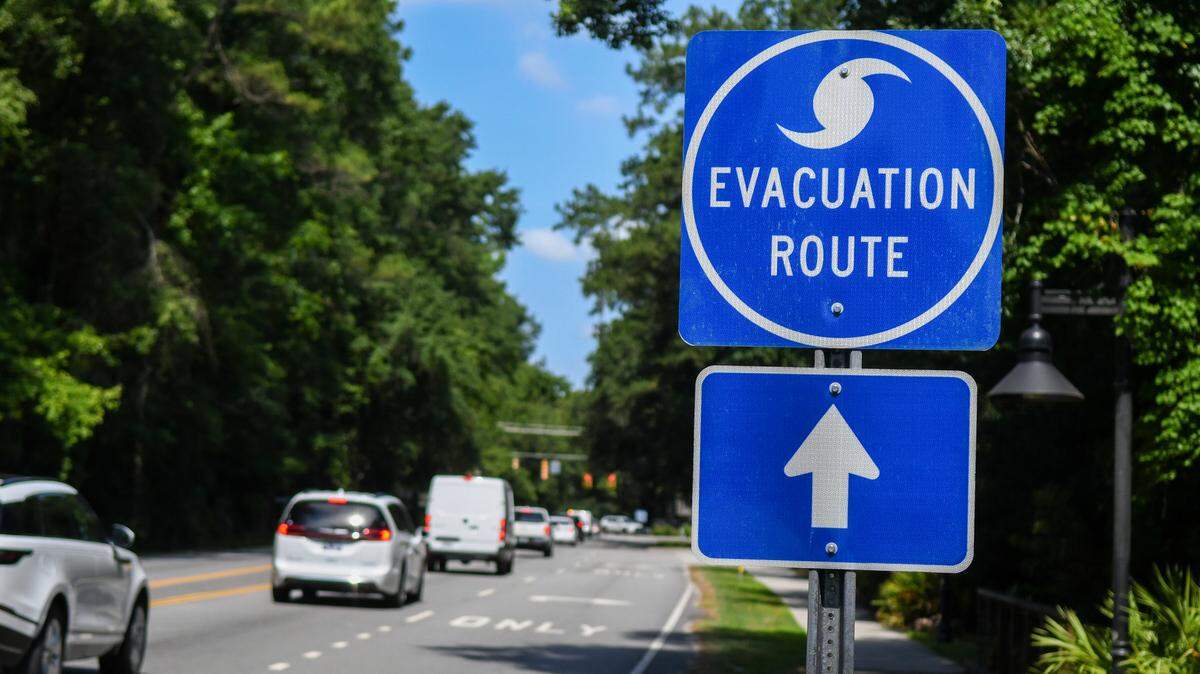
South Carolina and hurricanes: It’s a relationship we’d rather not have, but one that undeniably rolls around each year.
With hurricane season right around the corner, it’s a key time for folks to refresh their evacuation plan, know their zone and pull out the emergency kits.
Hurricane season officially begins on June 1 and while for many that means no more school, summer fun and family vacations, a bad weather forecast can quickly derail your plans in the sunshine.
Here’s everything South Carolina residents need to know ahead of this year’s hurricane season.
What’s new?
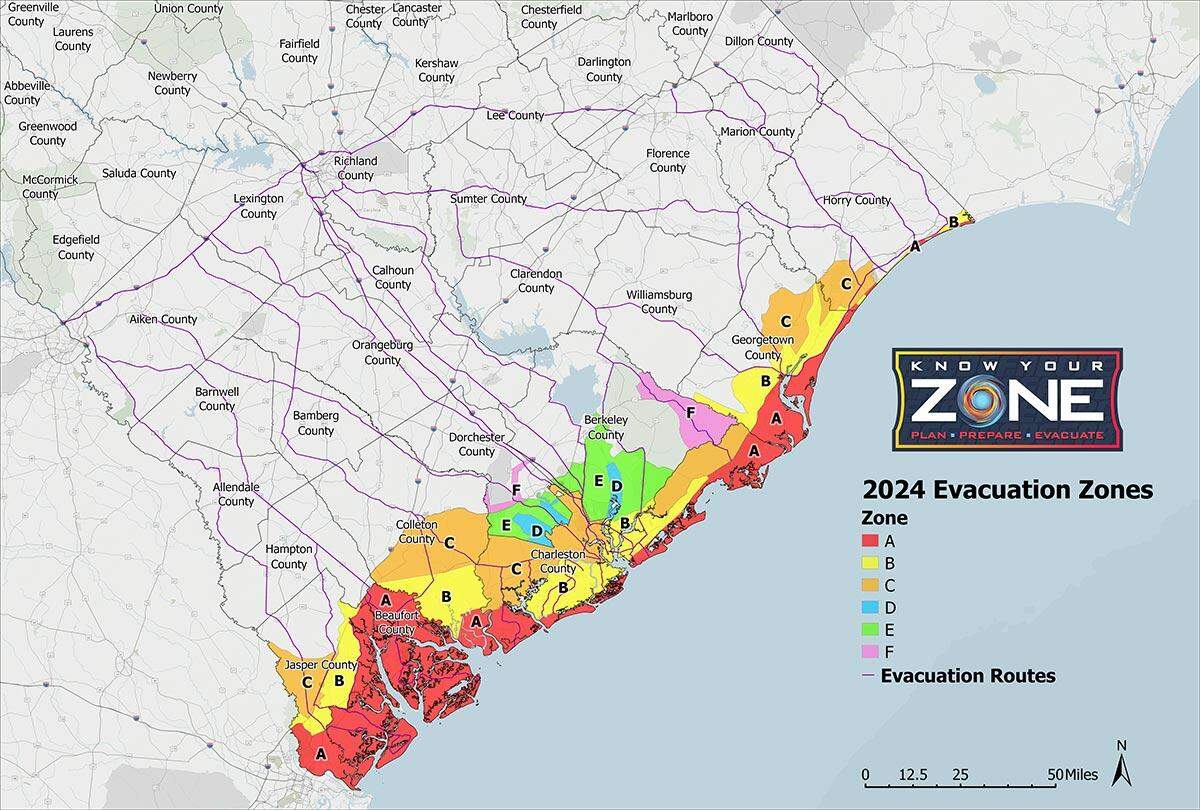
Last year, South Carolina made significant changes to its hurricane evacuation zones. These updates shrunk the total evacuation area by about 250 square miles. It was the first widespread update of the map in about a decade.
Zones are broken up into the six different areas based on proximity to the ocean and coastline. They are categorized alphabetically, from letters ‘A’ through ‘F,’ with ‘A’ zones being closest to the water.
Areas closest to the coast will get an earlier evacuation order than areas further inland. Six coastal counties border the Atlantic Ocean and cover over 200 miles of coastline.
South Carolina is one of the most vulnerable states to hurricanes and tropical storms. Densely populated coastal areas, especially during peak tourist seasons, coupled with the generally low coastal elevations, increase the state’s vulnerability.
While the coast is often hardest hit, inland areas are not immune to tornadoes and catastrophic flooding.
In Beaufort County, which includes coastal communities like Hilton Head, Bluffton and Beaufort, it’s important for folks to prepare even before a storm is on the horizon.
Know your zone & evacuation preparedness
Knowing your zone determines whether and when you should evacuate during a hurricane.
Even if you think you know your zone, double-check by visiting the South Carolina Emergency Management Division Hurricane Guide or downloading the SC Emergency Manager mobile app.
Beaufort County is zone A. Nearby Jasper County is zone B & C.
If an evacuation is ordered, state and local authorities will announce evacuations by these designated zones.
Local offices, like the Beaufort County Sheriff’s Office, provide updates and information via social media platforms.
You can also follow hurricane updates from the National Hurricane Center, which issues storm watches and warnings.
Watches are issued 48 hours before a storm is projected to make landfall
Warnings are issued 36 hours before a storm is projected to make landfall
Remember your route
If you live in a vulnerable area, don’t just know your zone, know how to leave if an emergency strikes and plan your route.
Evacuation routes are predetermined so residents can become familiar with the ones nearest them.
It’s important to note that traffic along certain sections of major evacuation routes may be adjusted to flow in one direction away from the coast. State and local law enforcement will be at traffic control points along these evacuation routes to guide you to safety.
For Lowcountry residents, or those living within zone ‘A,’ be prepared to drive at least 20 to 50 miles inland to locate a safe place.
Here are Beaufort County’s evacuation routes, according to the SCEMD:
Hilton Head Island evacuation routes:
Primary Routes: William Hilton Parkway (US 278 Business) and the Cross Island Parkway (US 278).
As these roads merge, a third lane is created by reversing the eastbound lane on US 278.
Hilton Head Island lane assignments:
Right lane: SC 170 → SC 462 → I-95 North (Exit 28)
Center lane: SC 170 → I-95 North (Exit 8)
Left lane: US 278 → Hampton → North Augusta
Beaufort & surrounding area evacuation & lane assignment:
Two-lane plan: Northbound on US 21 to US 17
Right lane: US 17 North → SC 303 → Walterboro
Left lane: US 17 South → US 17 Alt / US 21 → Yemassee → North Augusta
Three-lane plan (if activated): Reversed inside southbound lane of US 21 to Point South → I-95 North (Exit 33)
Residents on Daufuskie Island will only receive one evacuation order, issued by the governor. That evacuation order will be a mandatory evacuation. There will be no voluntary evacuation order. To learn more about those protocols, click here.
Do not rely solely on GPS, as it may not reflect temporary lane reversals.
Follow the blue hurricane evacuation signs and guidance from law enforcement posted along the route.
Beaufort County shelter policy
Another critical point for all residents to stay mindful of as hurricane season nears is access to shelters.
Beaufort County offers shelter locations for tropical storms only.
No shelters will open in Beaufort County during a hurricane of Category 1 or higher.
That means residents must plan to leave the area entirely and consider hotels, inland shelters or staying with friends and family in a safe location.
Check your home
Before hurricane season starts, it’s recommended by the SCEMD to conduct a safety check of your home to ensure it is prepared to withstand the effects of a hurricane.
Inspect your roof, storm shutters and clear debris from yards.
Review your insurance: Ensure your policy covers wind, flood and storm damage.
Inventory your belongings: Take photos and keep records for any future claims.
Prepare your kit: Pack essentials like medications, food, water, flashlights, batteries and important documents.
Stay connected
For regular updates on preparations, road and traffic changes, evacuation orders and more, these resources are available:
Hurricane season begins June 1 and lasts through November 30, or for long-time residents, once the turkey hits the table on Thanksgiving Day.
This story was originally published May 9, 2025 at 6:00 AM.