Before FEMA: 1893 Hilton Head hurricane exposed need for relief, prediction
In the modern era where smartphones have become a means of barraging the masses with constant alerts of severe weather, it is hard to imagine a world where Hilton Head residents wouldn’t know about a natural disaster lurking around the corner.
Today, we take for granted government agencies such as the National Weather Service to predict deadly hurricanes in time for people to evacuate, and organizations like the Federal Emergency Management Agency to swoop in during disasters and provide critical aid to save lives.
Yet just 23 years after the founding of the National Weather Service in 1870, thousands of people living in the Sea Islands had no way of knowing the horrific storm that would soon tear through their communities and upend their lives. They would be left homeless and hungry with little support from the local, state or federal government.
For the residents of Hilton Head Island in 1893, there was no cavalry coming to rescue them.
Here are five things to know about the deadly Sea Island Hurricane of 1893.
#1: The damage was horrific
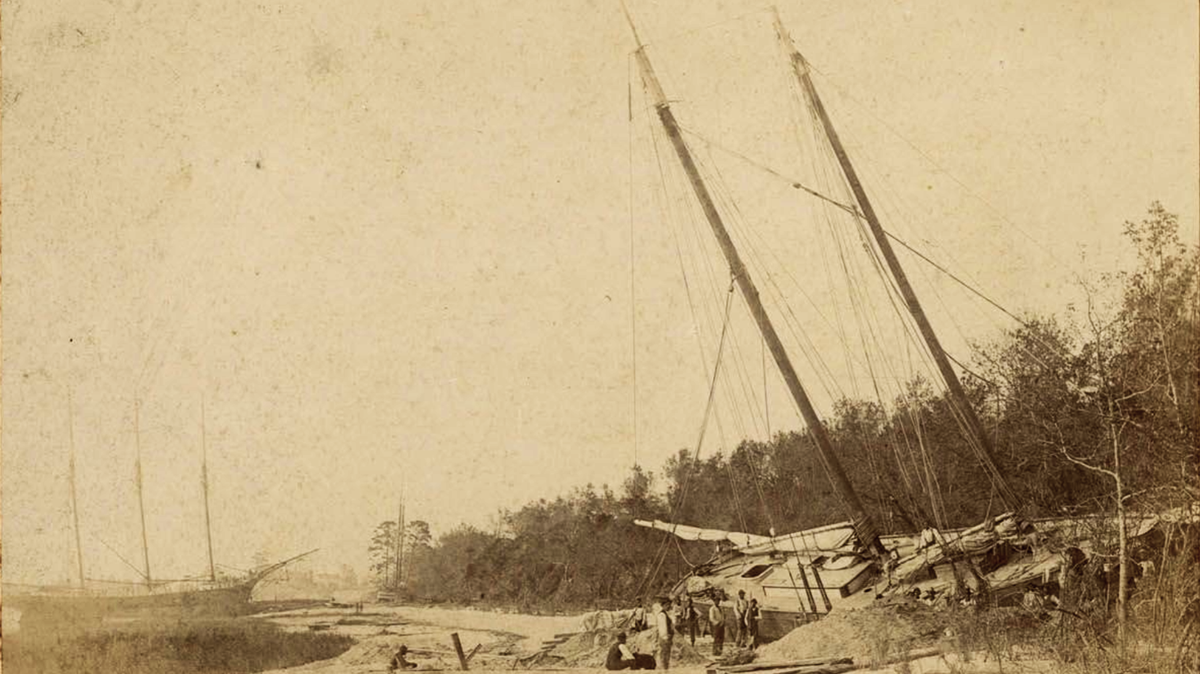
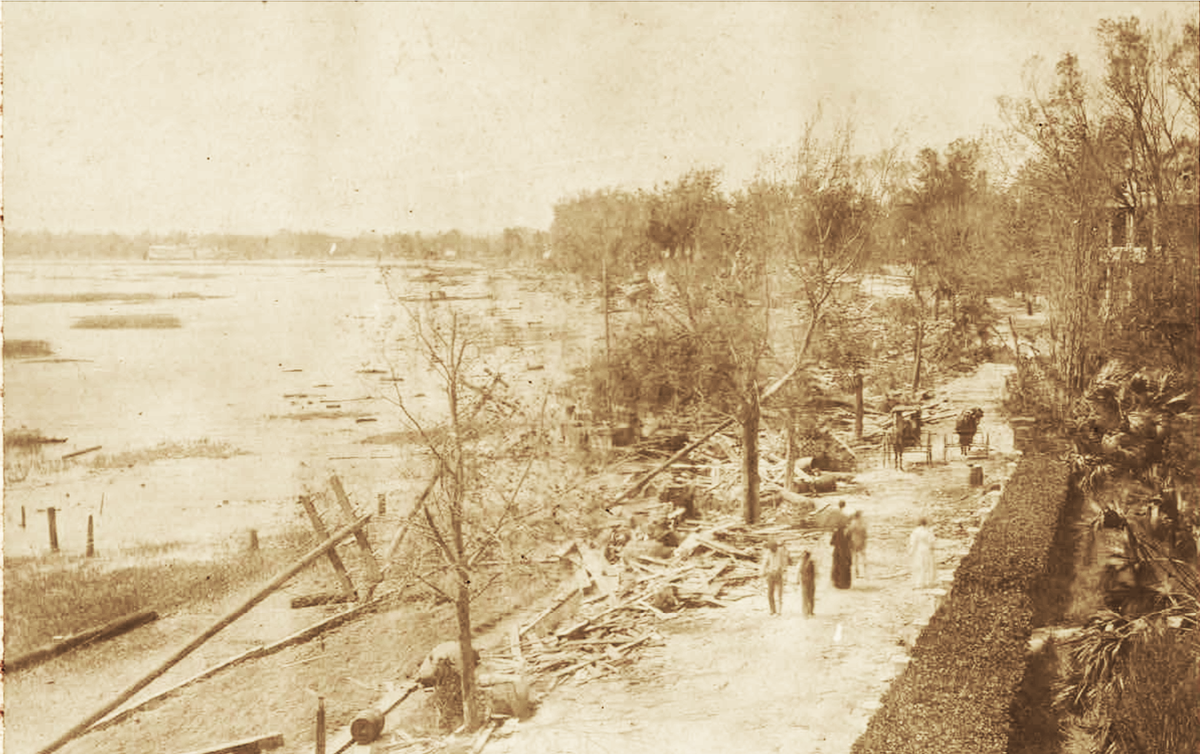
The 1893 Sea Island Hurricane swept through Beaufort County on August 27, 1893, drowning over 2,000 people and leaving more than 70,000 people destitute, write local authors Bill and Fran Marscher in their 2001 book chronicling the storm.
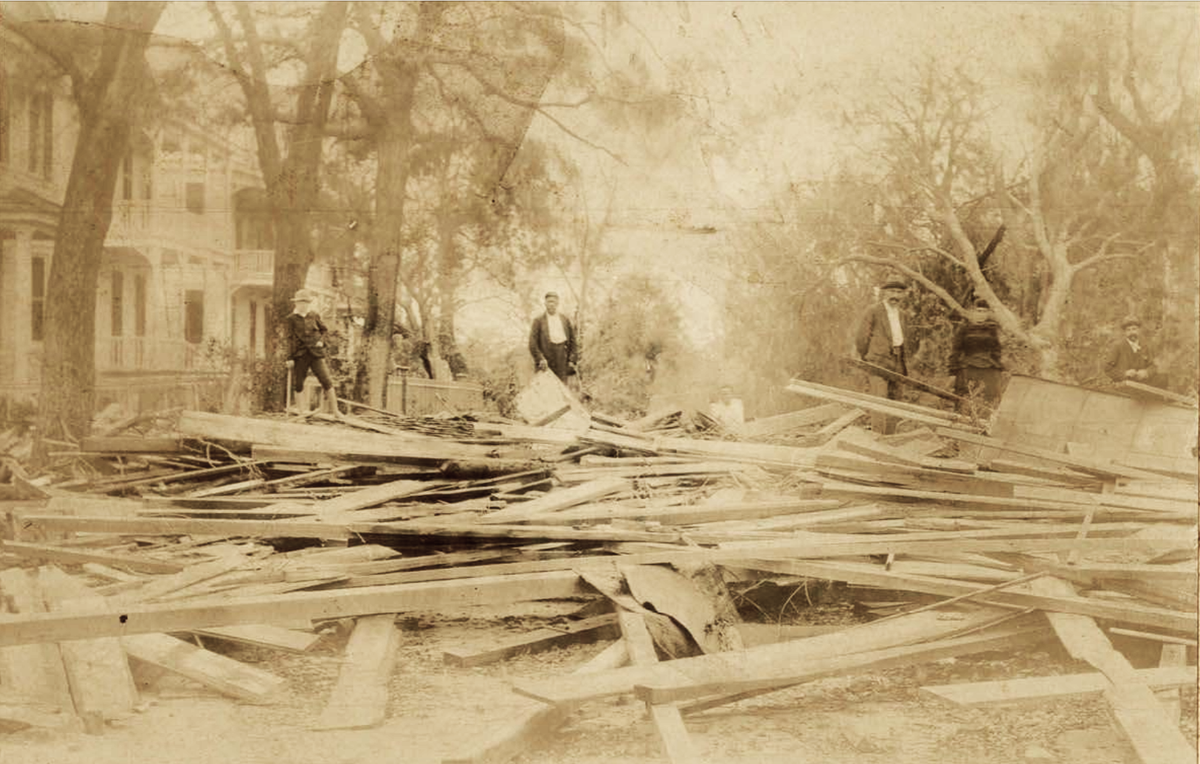
The 120 mph winds ripped trees from the earth and scattered them “helter skelter.” Twelve foot storm surges put entire islands underwater. Homes, crops, and livestock were all destroyed. Bodies piled up on the beaches and marshes. In today’s world, the storm surge and ocean water intrusion would devastate the homes and businesses from the north end to Sea Pines, dragging many of the structures back out to sea as the tides resided.
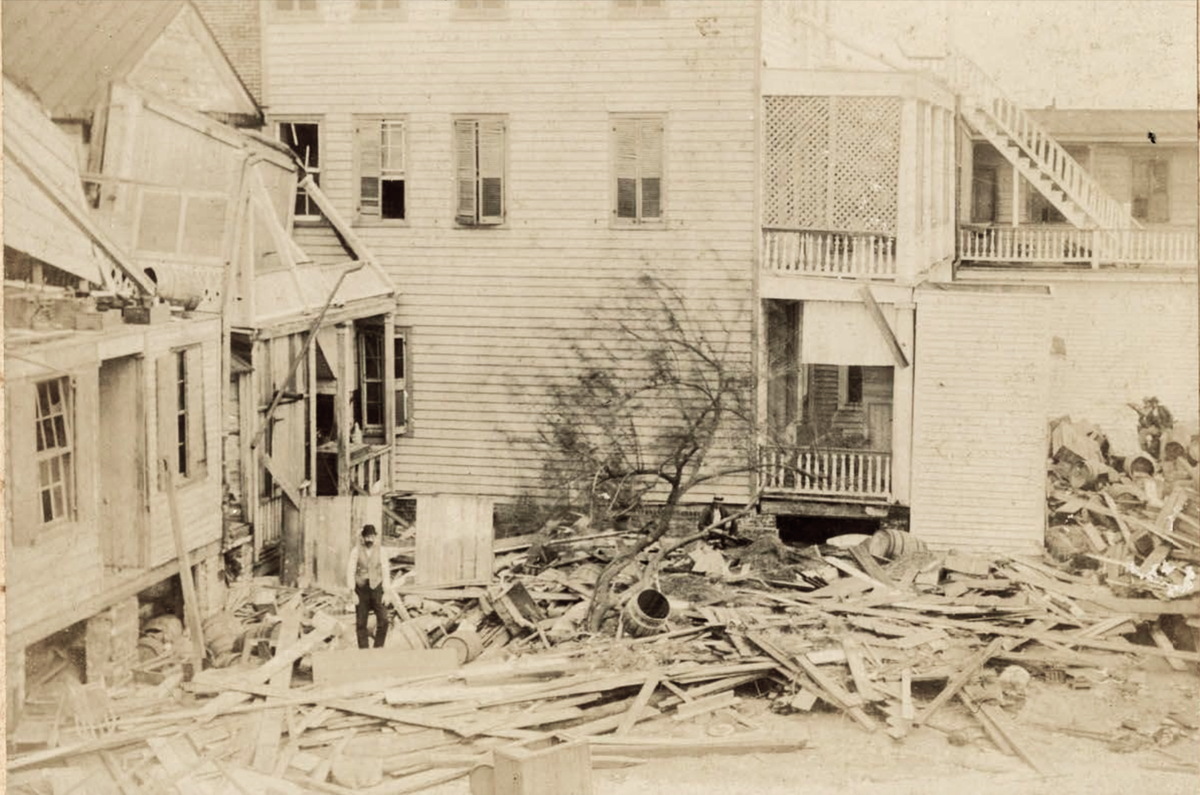
After the skies cleared, people continued to die of malaria, typhoid, starvation, dehydration and exposure.
#2: The victims were recently freed slaves
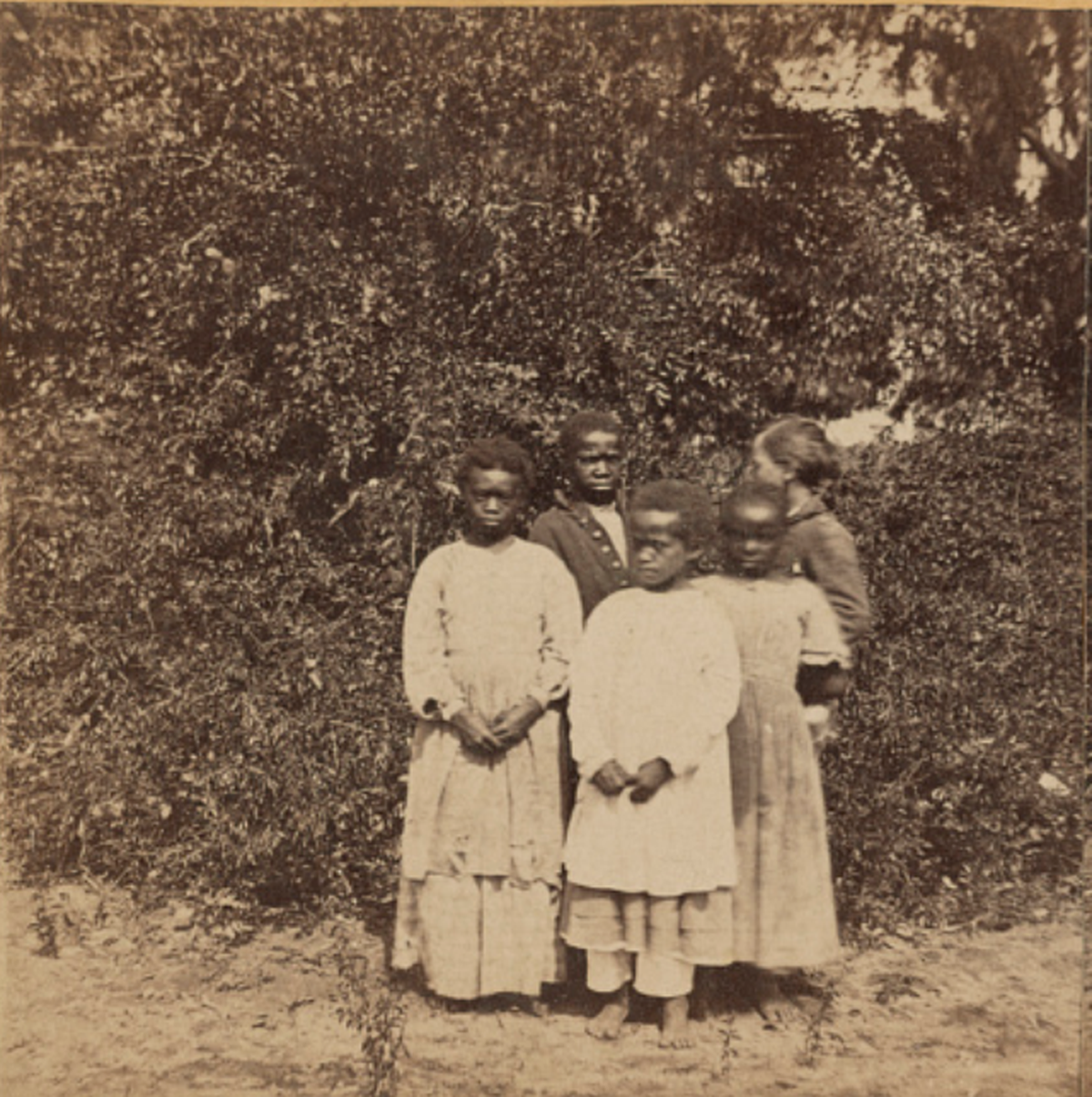
The hurricane devastated communities of formerly enslaved people that were emancipated during the Civil War thirty years earlier.
They built houses, fished and raised livestock. By the time the hurricane hit in 1893, the first children to be born into the new communities were just reaching adulthood.
Thousands of emancipated former slaves formed communities on the islands of Hilton Head, Daufuskie, St. Helena, and more. Today, they are known as the Gullah Geechee people.
#3: Islanders had no warning
The National Weather Services was founded in 1870, but South Carolina wouldn’t get a dedicated forecast official until 1890, just three years before the hurricane.
There were no weather balloons and no doppler radar technology. News of a storm making its way up the coast came from ships coming into the ports.
Weather Bureaus in Charleston and Savannah flew storm signals. Newspapers issued reports of a storm making its way up the Florida Coast, but “told nothing about the likelihood of coastal residents being subjected to one of the planet’s most dangerous weather phenomena,” Marscher & Marscher wrote. Officials had no way of predicting the path or intensity of the oncoming storm.
No information was given on where the hurricane’s winds would be the strongest, or what areas would be swamped by its resulting storm surge. The publications provided no recommendations for readers to board up their windows, move their boats, or protect their livestock in preparation for the incoming storm.
The people of the Sea Islands had no way of receiving even this limited information.
“On Saturday before the Sunday night disaster, only those in cities could see the storm flags fluttering from the rooftop of the Agriculture Department’s Weather Bureau offices or could read the small, brief warning bulletins posted around town,” Marscher & Marscher wrote.
#4: The government was apathetic
Today, a vast network of government agencies and private charities rush into the aftermath of natural disasters to provide life-saving aid. Yet for a month after the Sea Island Hurricane hit, the islanders received no help.
Then-Governor Ben Tillman reportedly called on local residents to search for fish and plant turnips when approached about the crisis.

Clara Barton, founder of the American Red Cross, was appalled at the lack of response, and she drove aid efforts to the region, funded primarily by private donations. It was the first time the Red Cross had provided significant hurricane relief since its founding in 1881.
#5: The storm would have cost tens of billions today
In 2001, Marscher & Marscher estimated that a hurricane with the same path and intensity would wreck more than $32 billion in insured property.
In the 24 years since their book was published, developers have continued to build luxury homes, apartment complexes, and waterfront properties in Hilton Head Island, Bluffton, and Beaufort, further increasing the cost of a potential hurricane.
It’s relatively rare for a hurricane to directly hit Hilton Head. Out of the last three hurricanes that shed rain onto Lowcountry soil, only Hurricane Matthew made a direct impact to Hilton Head as a Category 2 hurricane.
Still, Hilton Head residents rely on timely, accurate predictions from the National Weather Service that inform decisions to evacuate areas or close schools.
In February 2025, the federal government fired hundreds of weather forecasters from the National Oceanic and Atmospheric Administration amidst efforts to shrink the federal workforce. The Trump administration confirmed Wednesday that the NOAA is now re-hiring as many as 450 people back into critical positions. The administration has also made major cuts to FEMA, and the president has expressed a desire to eliminate the agency altogether.
That could mean that if a hurricane of this scale were to directly impact Hilton Head again, residents might have less warning, and fewer resources would be available to save the lives of those left behind.
This story was originally published August 10, 2025 at 6:00 AM.