How will Trump’s National Weather Service cuts affect Beaufort County forecasts?
If Beaufort County residents want to check the weather before heading to the beach, biking along Hilton Head’s many bike trails or eating dinner on their patio, chances are they’re relying on information from the National Weather Service.
The same forecasting expertise also is used by the many farmers that rely on accurate data to manage their fields of crops and the fishing industry’s awareness of ocean temperatures, wind conditions and storm tracking.
A series of layoffs enacted by the Trump Administration NOAA, which houses the NWS, have sent shock waves across the county. The decisions also prompted concerns regarding the effects on climate resilience in Beaufort County. According to the AP, two rounds of cuts totaled about 1,300 workers.
What is NOAA, and what does it do?
NOAA is a federal environmental agency that manages everything from daily weather forecasts to fisheries management. The National Weather Service is a part of NOAA, and it manages daily weather reports as well as severe weather events.
The Charleston NWS office is responsible for constant monitoring of the weather and issuing forecasts and warnings in 20 counties across southeast South Carolina and Georgia, including Beaufort County.
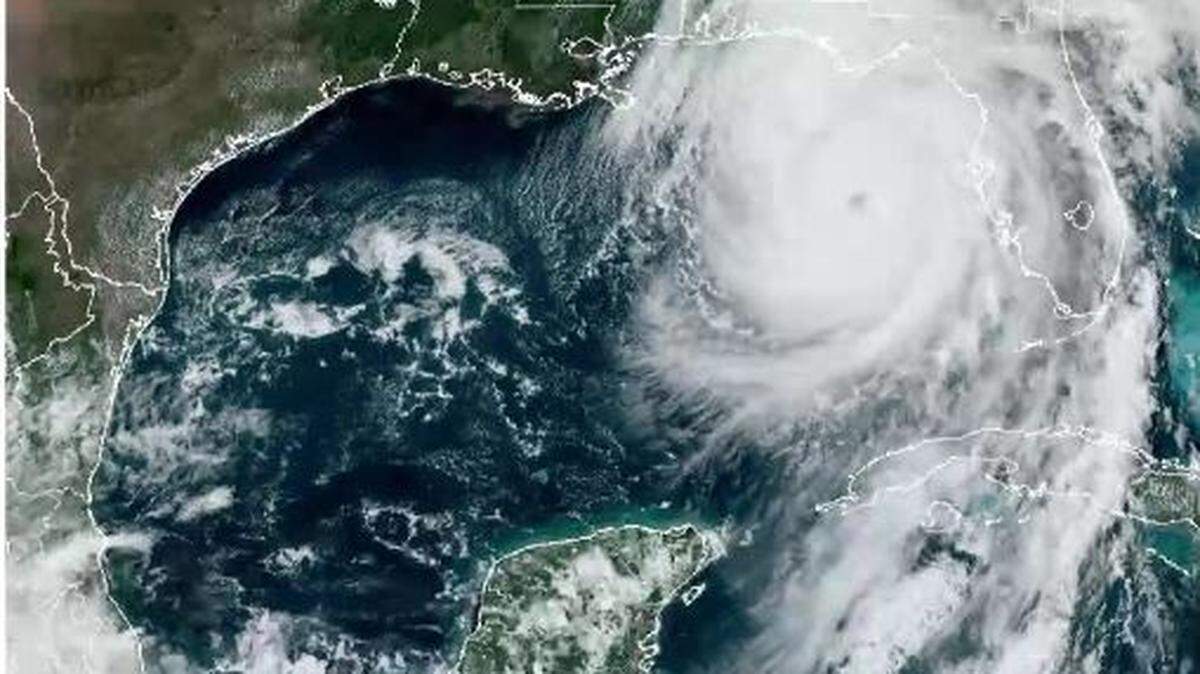
For example, the NWS tracked the movement of Hurricane Helene as it made its way across Florida and inland. The Charleston NWS office oversees Beaufort County, and issued a tropical storm warning for the county during Helene. During the cold weather and snowfall event in January, the office issued the cold weather advisory and winter storm warning as well as provided daily updates through the weekend to news media and local governments.
How will cuts affect Beaufort County?
Environmental groups and former NOAA employees have all expressed concerns regarding how cuts to the agency would affect public safety and emergency preparedness. A letter from NOAA alumni said that accurate, up to date information the NWS provides saves the country millions of dollars as well as many lives.
Susan Buchanan, a spokesperson for NOAA, declined to comment on any layoffs that occurred in the NWS Charleston office.
Heather Woolwine, communications director for the Town of Hilton Head Island, said that the town heavily relies on NWS expertise during hurricane season. They use information from the NWS along with guidance from the governor’s office when making decisions about hurricane evacuations and closures.
The South Carolina Sea Grant, a partnership between NOAA, universities and other state agencies, provides research on coastal conservation and resources also received funding from NOAA. Current projects include efforts to help coastal small businesses become more climate resilient as well as research into solutions for failing septic systems near the coast.
Because the layoffs just occurred on Thursday, Susan Lovelace, the executive director of S.C. Sea Grant said they’re not sure which positions were eliminated and how it will impact Sea Grant. The agency also provides research funding and its staff help process and manage awarded funding.
“We also rely on NOAA science, including environmental monitoring and different analyses,” Lovelace said. “We use these as we work with local communities, for example, to better understand their local environment and impacts from weather events.”
This story was originally published February 28, 2025 at 2:09 PM.