Black family, Bluffton Realtor’s son settle lawsuit over Hampton Co. land. Here’s how
Four months after filing a lawsuit alleging he owned a Black family’s land, the son of a prominent Bluffton real estate agent has reached an agreement with the family over their rural Hampton County property.
In November, Colton Maxey, son of Realtor Nickey Maxey, sued Lela Holiday and her brother, Roosevelt Badger, using a little-known part of S.C. law that allows for the hostile takeover of property through years of unchallenged occupation.
Nickey Maxey purchased part of the Badger land at a foreclosure auction in 2000. Since then, he’s used it as a hunting getaway, while also occupying a portion of the property still in the Badgers’ name before he transferred it to his son, according to the lawsuit.
The lawsuit illustrated how the little-known process, known as “adverse possession,” can pose a risk to unsuspecting, faraway property owners. In rural South Carolina, it also evoked a painful history of Black land loss resulting from title issues or lack of access to legal resources.
Maxey and the family attorney, S.C. Sen. Tom Davis, R-Beaufort, said the suit was a legal formality necessary to bring both parties to the table and resolve a boundary issue. They emphasized they had no intention of dispossessing the Badger family, who have deep roots in the rural settlement of Scotia.
Still Holiday, who no longer lives in the South, worried the legal proceedings would threaten land purchased by her parents in 1972, the site of their first home.
The settlement, proposed by Davis, resolves a property line issue involving the site of the house — completely renovated by the Maxeys — through a one-to-one land swap between the two families that preserves the total acreage each owns.
In addition, the Badger family has agreed to sell one of their parcels to the Maxeys for $13,000.
Davis, who has long fought for Black landowners as a legislator and through his legal practice, says the agreement shows his client followed through on promises to reach an equitable solution without lost land.
“If I caused Ms. Holiday or Mr. Badger any stress, I regret that, and that wasn’t my intention,” he said. “My intention was to resolve something that was a problem with both sides.”
Cherese Handy, the Black family’s attorney, said she agreed that Davis and Maxey lived up to their word. Holiday and Badger are “very happy” with the resolution, she said.
Lawsuit argues land takeover
The lawsuit, filed by Davis on behalf of Colton Maxey in November in Hampton County, employed the legal doctrine of “adverse possession,” which allows for the takeover of another’s property after 10 years of unchallenged occupation.
It claimed that for more than 17 years, Nickey Maxey, as an individual, then as a trustee, had open possession of a 1.6-acre parcel owned by the Badgers, according to public records, before transferring it to his son.
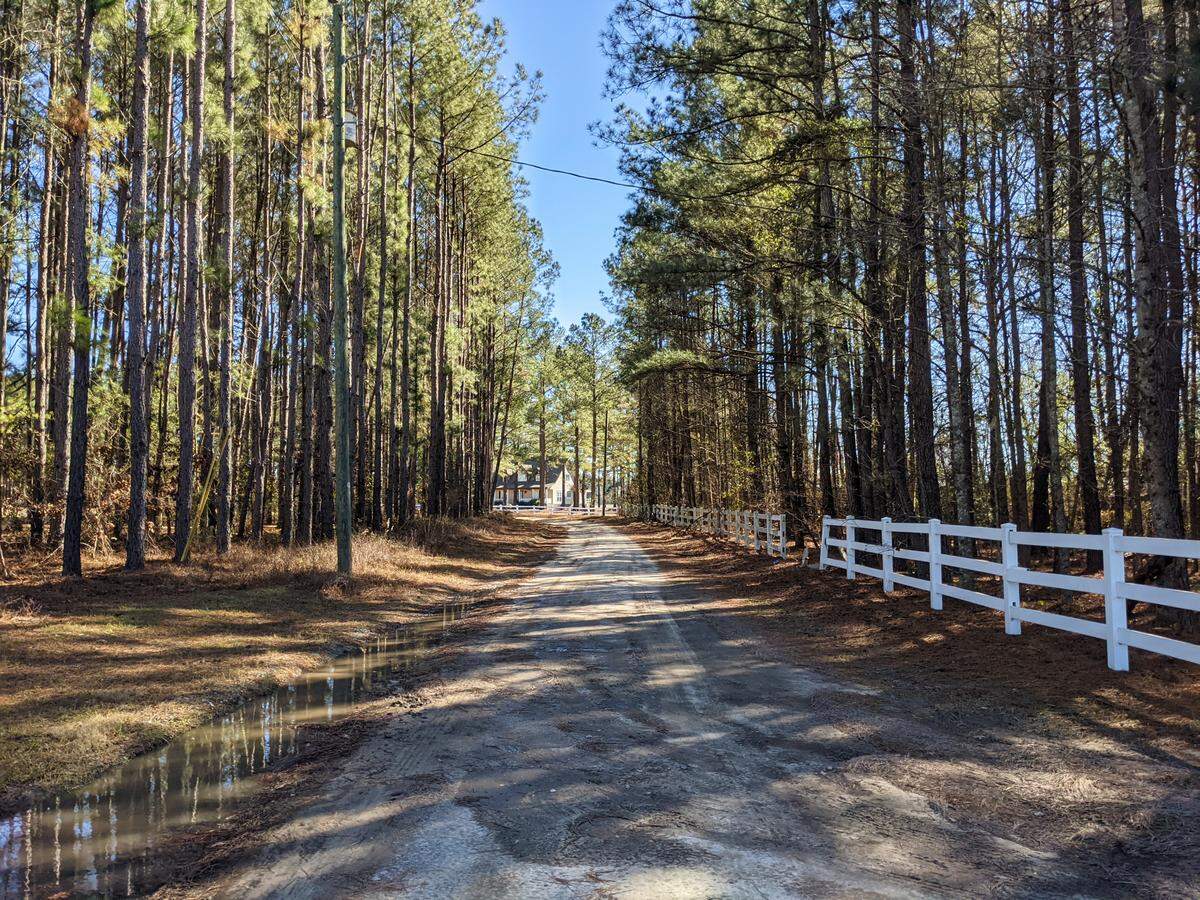
The disputed parcel on Forest Grove Road borders land Nickey Maxey bought with a business partner for $20,000 in 2000 at a foreclosure auction triggered when the Badgers failed to pay a federal farmers mortgage.
The property is cut off from the dirt road by a white fence installed by Nickey Maxey. The Tennessee-born former state trooper turned entrepreneur and Realtor remodeled the green house that straddles the parcel boundary, he said.
The suit asked a judge to confirm Colton Maxey’s ownership of the Badger parcel, which Holiday says she has paid property taxes on for over 40 years.
In a legal response to the complaint filed in February, Holiday and her brother denied the claims and accused the Maxeys of trespassing on their property.
Dispute quickly settled out of court
But the dispute reached a swift resolution about a week after an initial report by The Island Packet and Beaufort Gazette on the lawsuit.
Davis said the compromise reached had long been in the works, sharing correspondence with the opposing attorney dating back to January.
The families are exchanging .24-acre strips of land that will adjust property lines to give Colton Maxey clear possession of the house while adding land to an adjacent wooded plot owned by the Badgers.
After that adjustment, Lela Holiday and Roosevelt Badger agreed to sell the parcel the Maxeys claimed to occupy for more than market value, according to Handy, their attorney.
“My client was able to settle this quickly knowing she has peace of mind and has not lost property,” Handy said. “At the same time, she had the option of selling the property instead of having someone take it away through the courts.”
Davis was “accommodating” and “responsive,” throughout the process, she said. The lawsuit worried Holiday, who didn’t want to lose family land in a legal proceeding.
“All along he was saying he was not trying to dispossess the property, but the complaint expressed otherwise,” Handy said.
Handy said she thought the legal case would be “more adversarial.”
But, it ended in a “very fair boundary settlement,” she said.
This story was originally published March 16, 2021 at 2:13 PM.