Should this Hilton Head gated community drop ‘plantation‘? It’s up to residents there
Hilton Head Island’s largest gated community is surveying its nearly 10,000 residents to gauge interest in dropping the word “plantation” from its name, according to a Friday email from the property owners’ association.
The resident survey comes after months of Black Lives Matter demonstrations across the country — and calls from Hilton Head native islanders and activists — for three Hilton Head communities that use the word “plantation” on their signage to ditch the word. Activists point to Hilton Head’s dozens of plantations that enslaved people before the Civil War as a reason to drop the word, which is often used as a marketing tool.
In an email to residents, the POA did not mention the word “plantation” or detail reasons for such a survey. It will be open until late September, and the results will be shared with property owners while the community’s board of directors decides the next steps, the email said.
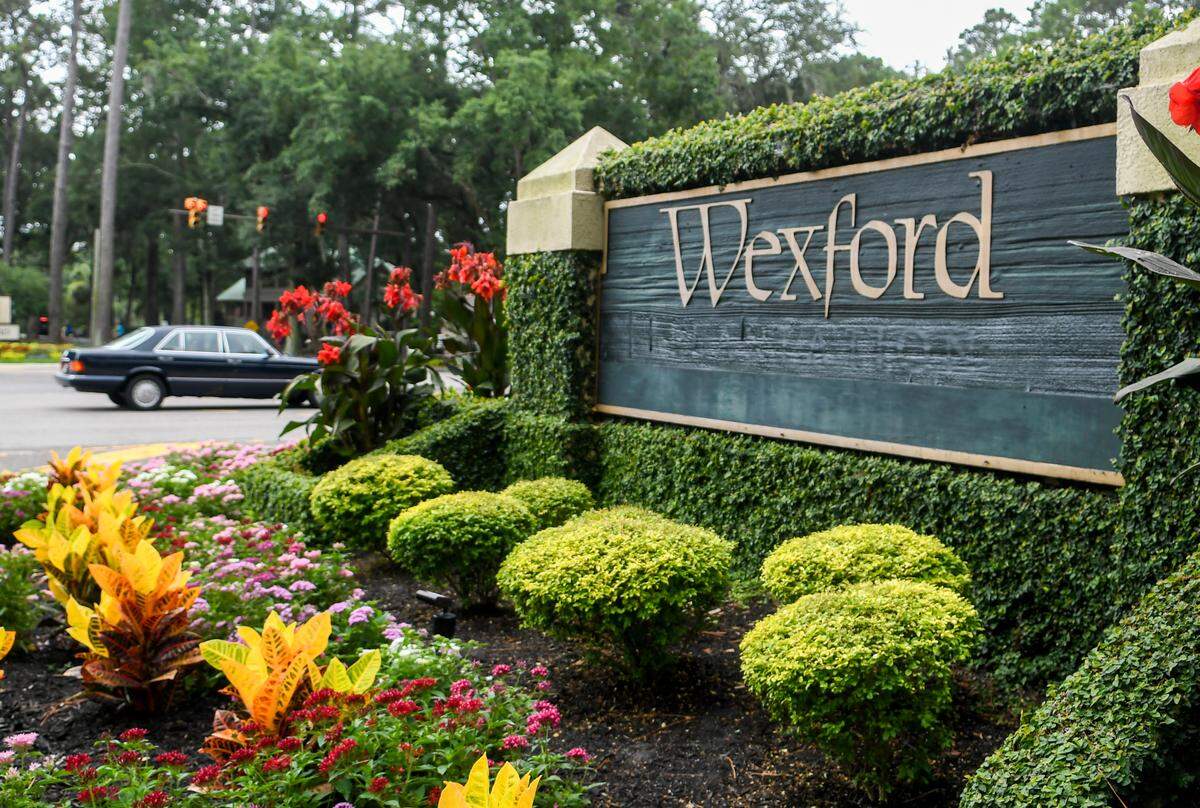
Hilton Head Plantation is the last of three communities to address the use of the word. Earlier this summer, Wexford removed the word from its sign on U.S. 278 and, although Palmetto Hall voters didn’t reach the threshold to legally change the name, the property owners association announced it would take the name off the sign and marketing materials.
Port Royal Plantation still uses the word in its legal name, but it is not featured on its official sign. But nearby, a green sign directs drivers on U.S. 278 into “Port Royal Plantation.”
In Hilton Head Plantation, a group of community members, HHP Community 4 Change, formed to advocate for a change to the name. The group has pushed for a vote before the 2021 regular survey of residents to expedite the renaming process.
General Manager Peter Kristian originally told The Island Packet that changing the community’s name could cost hundreds of thousands of dollars. He pointed to the neighborhood’s well-known brand that would change if one-third of the name were dropped.
“For someone to wave their hand and say ‘change the name,’ that is not something that is taken lightly,” Kristian said in June. “(Plantation) was to denote a leisurely lifestyle and to recognize the history of the land.”
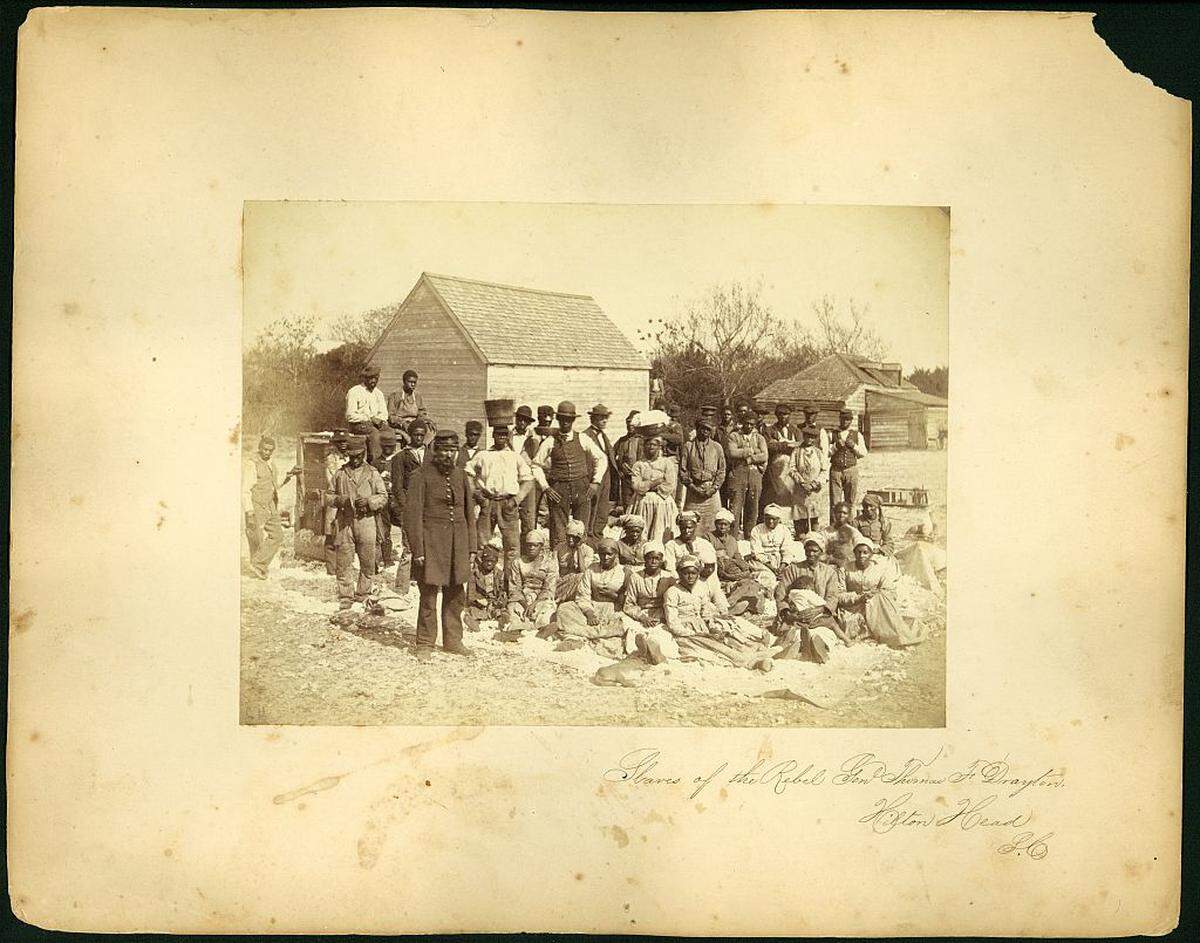
National news outlets, including The Washington Post and NPR, have covered Hilton Head’s plantations. Kristian didn’t respond to requests for comment from NPR.
Hilton Head’s plantations and the systemic loss of historic Gullah land on the island are featured in a new book, “Wandering in Strange Lands” by Morgan Jerkins. An excerpt of the book was published by The New York Times.
“It was in Hilton Head where I soon learned how beautiful landscapes masked black carnage that was simplified and mocked at every turn. I saw the word plantation so much that I was starting to get a headache,” she wrote. “With every road I passed, there was another indication of a perverse symmetry between leisure and slavery.”
This story was originally published August 17, 2020 at 10:34 AM.