Black families in Hilton Head’s gated ‘plantations’ call for changes close to home
When Sheila Benson was driving into Hilton Head Plantation around 2006 to visit her mother, her 8-year-old son looked out the window in the backseat and asked, “Why does Nana live on a plantation?”
Benson looked down at her son, Johnny, astounded.
“I thought ‘wow, I’d been coming here passing by this sign for how long? And I’d never really thought of that,’” Benson told The Island Packet.
Although Benson is a Black woman who can “pass” as white and mother of two biracial sons, she said her family wasn’t yet talking about racism and slavery at home at the time when both of her sons were under 10 years old.
“I said ‘you know what, this was the name that was given to the property, but it’s not a plantation. There aren’t slaves, and here people have the same freedoms here as they do where we live,’” she said.
Benson and her family were visiting from Los Angeles, but 14 years later, she lives in her mother’s home in Hilton Head Plantation.
That memory still sticks out as she reads about efforts on the island to remove the word “plantation” from local vernacular.
A June 7 petition with over 5,000 signatures calls for the word to be removed from gated community signs and marketing materials. It’s currently used by Hilton Head Plantation, Palmetto Hall Plantation and Wexford Plantation on the island.
It comes as protesters around the country demand justice for Black people killed by police, more acknowledgment of racism, and the removal of Confederate monuments. Hilton Head demonstrators say removing the word “plantation” is just the first step in addressing racism and injustice in Beaufort County.
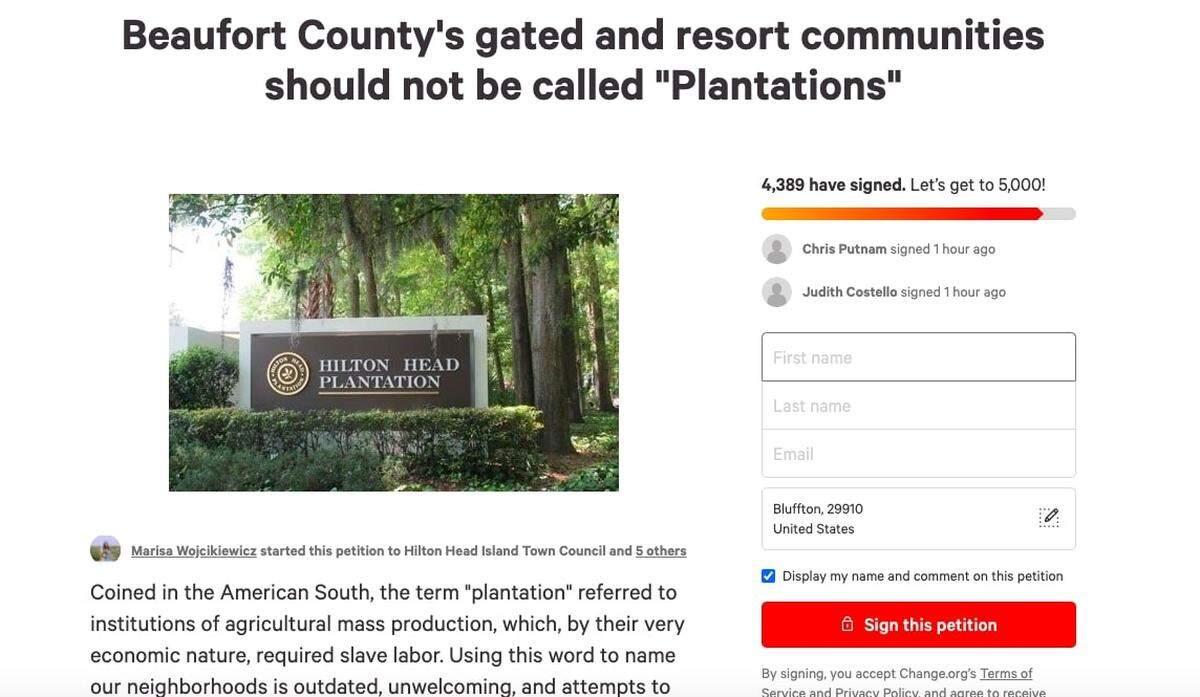
Benson’s community has started a committee that’s lobbying to change the name and has committed to fundraising $100,000 to offset any costs.
Black people who live in gated communities say they balance a duty to recognize painful history with their modern-day dreams of living in a good neighborhood on an enviable island.
For Benson, living in a gated community is safe. She can count on having beach access, kind neighbors and picturesque views.
But her son’s question all those years ago holds importance today: Why are they, as Black people, living in a place named for their oppression?
House hunting in gated communities while Black
Bill Patterson retired to Hilton Head in 2009 after a career as a diplomat.
When he came to the island from Nepal to hunt for houses with a real estate agent, they decided a gated community would be best because security would be able to keep an eye on the home before he could move in and fully retire.
He said he didn’t notice the word “plantation” on the island right away.
“It didn’t really faze me so much while I was looking for houses, because I was going around the different communities and looking at houses, and I didn’t particularly have a sense of place,” Patterson said.
Patterson bought his home in Hilton Head Plantation, and retired to the place where he sometimes vacationed as a child. He said he recalled coming to the island and swimming at “the Black beach,” near modern-day Driessen Beach.
In the years that followed, Patterson became increasingly aware of the meaning of his community’s name.
“I can’t pinpoint the exact moment that I remember, but it dawned upon me that this place is called Hilton Head Plantation, and I felt really uncomfortable with that name,” he said.
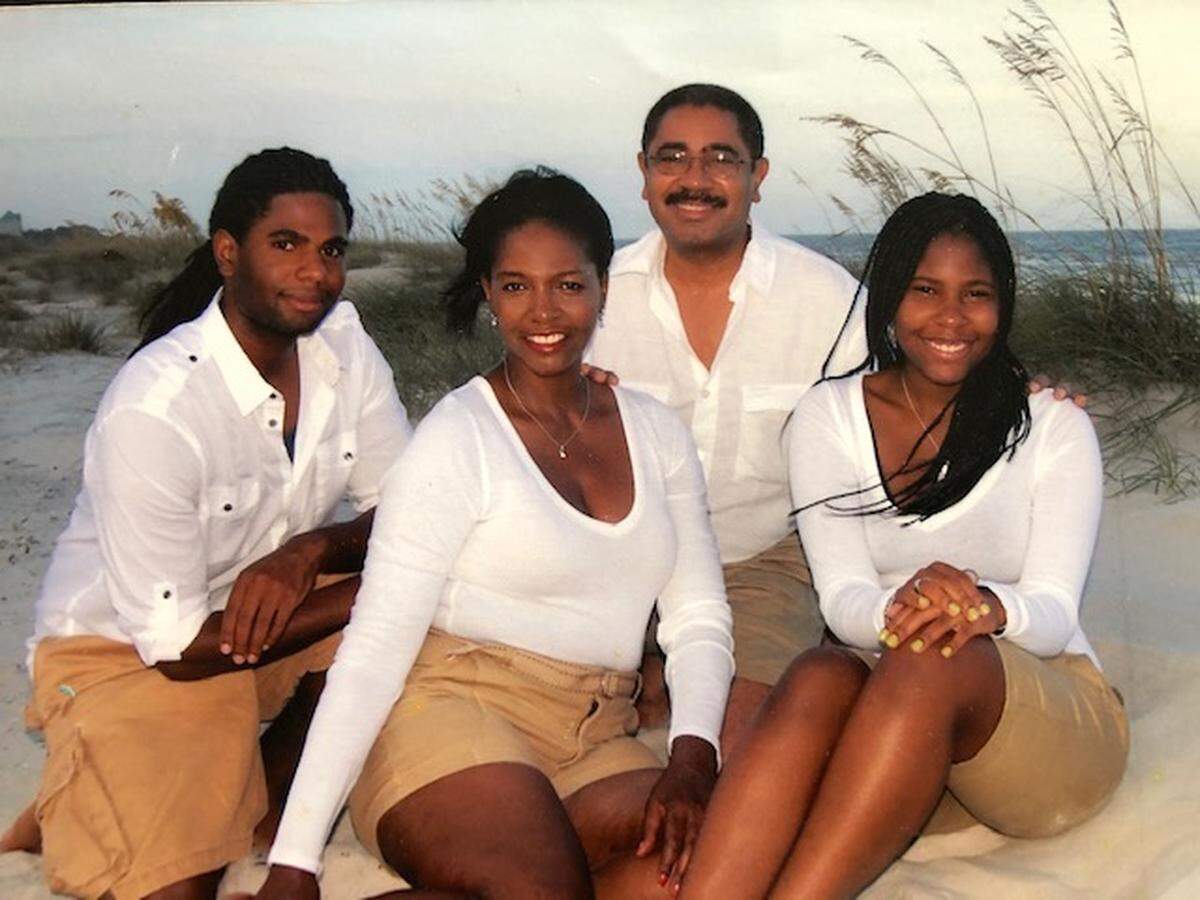
Now, Patterson refers to his neighborhood as “HHP.” He tells people he lives on the north end of Hilton Head if they’re from out of town, and uses the word “plantation” only if he’s giving someone directions or it’s absolutely necessary.
“I grew up in South Carolina recognizing the history that was here and recognizing the struggle that Black people have had. All of these things were uncomfortable, and they were things we did not like, but we had history here and my family was here,” he said.
But while Patterson knows a few other Black families who live in Hilton Head Plantation, census data suggest he’s one of only a handful of non-white residents of his 10,000-person gated community.
The census tract covering the northern tip of Hilton Head, inside Hilton Head Plantation, is 99% white, according to the latest U.S. Census Bureau figures.
The two tracts covering Sea Pines and Palmetto Hall Plantation are 97% and 98% white.
What “plantation” means
Now, Patterson and Benson advocate for removing the word “plantation” from the community’s sign.
Both say it’s offensive.
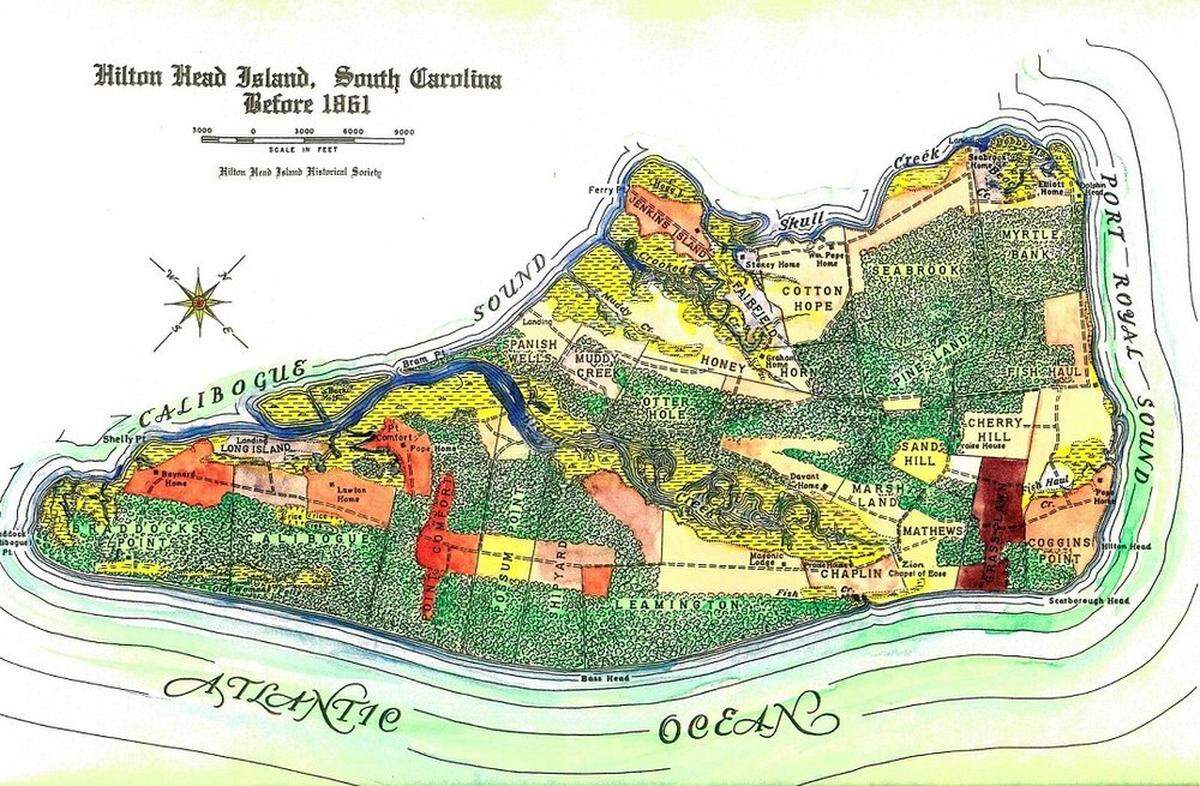
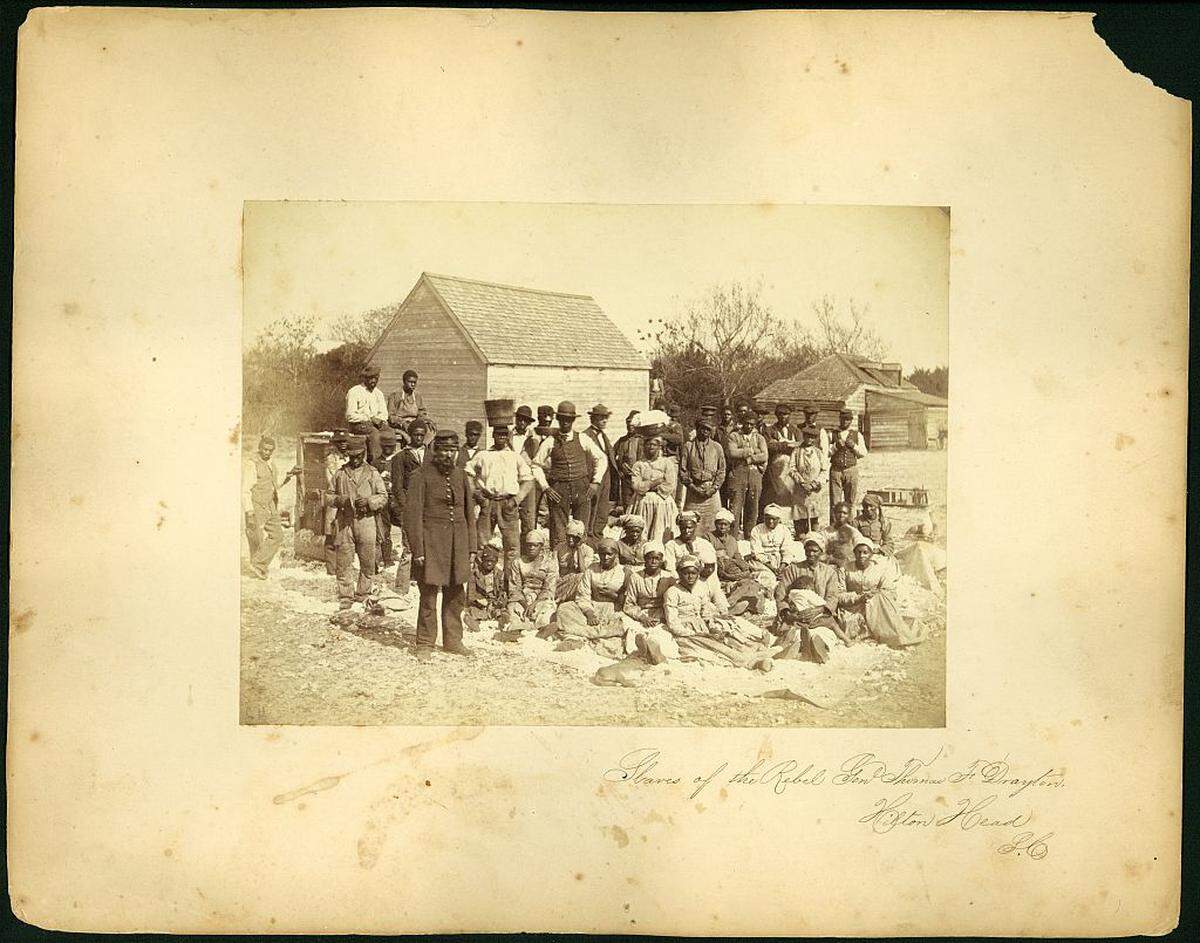
Patterson said it glazes over the history of slavery on the island where, as The Island Packet has reported, nearly all the land once had enslaved people working on plantation operations.
“Especially for white people, for those people who think about history, they need to realize they don’t really know history,” he said. “It was a traumatic experience, and we’re not that far removed from slavery. My great-grandfather was a slave.”
He said there is no dictionary definition that softens the blow to Black residents, and Hilton Head’s native islander leaders outside gated communities say the same.
“It denotes the old labor system: Labor camps where people lived in plantations in comfort and others worked in discomfort,” Gullah community leader and historian Emory Campbell said of the word “plantation.”
“Today’s use of that word … it really brings to mind that period in history,” he added.
Benson said she thinks the part of history that included enslaving people should be left in the past. When people say there are “bigger fish to fry,” she maintains that even the small “fish” can be hurtful.
“I can’t imagine what would be a reason to want to keep” ‘plantation’, she said. “Those little ones have a lot of weight and really can be as crushing as other words,” referencing racial slurs.
Community for change
Hilton Head Plantation’s Black residents aren’t the only people interested in removing the word “plantation.”
A small committee that calls itself the “HHP Community for Change,” has launched a website and is collecting names of supporters in the neighborhood to present to its board of directors.
Judy Dunning, one of the committee members who is white, said she’s already surprised by the support they’re getting in the community. She’s responded to people who call the word “plantation” historic and worth keeping.
“Honestly, this is a housing development, and it’s not our job to be a monument to history. We should market ourselves in a favorable light to a broad spectrum of home buyers, and it’s not doing that anymore,” she said. “It’s offensive to our neighbors. It’s offensive to me.”
The committee has drafted a letter to the property owners’ association and general manager Peter Kristian, who has said he could survey the community about changing the name in 2021.
“Changing the name of a community like Hilton Head Plantation is not an overnight task,” he told The Island Packet. “It will be a very costly task, too. Hundreds of thousands of dollars.”
Kristian said if property owners had a quorum to call a vote, 75% of the community would need to vote in favor to change the bylaws.
To then amend the covenants, a separate vote would be needed in which 67% of the community would have to vote for the change. Hilton Head Plantation achieved this majority in 2019, when the community voted to ban some short-term rentals.
But the committee wants a survey sooner than next year. She said people like Patterson and Benson shouldn’t continue to live in a place where they have to feel the weight of the word “plantation.”
“We know the hurt and disrespect that word places on people,” Dunning said. “We feel complicit in the insult.”
The committee has suggested names such as Hilton Head Pines, Hilton Head Preserve, Hilton Head Palms and Hilton Head Place to replace “plantation.”
BEHIND THE STORY
MOREHow we did this story
This story comes from hours of research by reporters using national and local resources. A majority of the Hilton Head Island historical information in this article comes from the Heritage Library’s archives and the book Gullah Days: Hilton Head Islanders Before the Bridge 1861-1956 by islanders Carolyn Grant, Emory Campbell and Thomas Barnwell Jr.
Beaufort County’s history of slavery and plantations is enumerated in several places, and we encourage you to take up this work of learning our history.
Here are some places where you can find information about Beaufort County’s past:
Visit the Heritage Library’s collection of information on plantations that once existed on Hilton Head Island.
Check the Heritage Library’s collection of information on early Hilton Head Island family names.
Review the collection of historical resources compiled by the College of Charleston related to slavery in the Lowcountry.
Browse the Beaufort District Collection at the Beaufort County Library, including plantation-specific resources.
Read the New York Times’ 1619 Project, an examination of the legacies of American slavery published on its 400th anniversary.