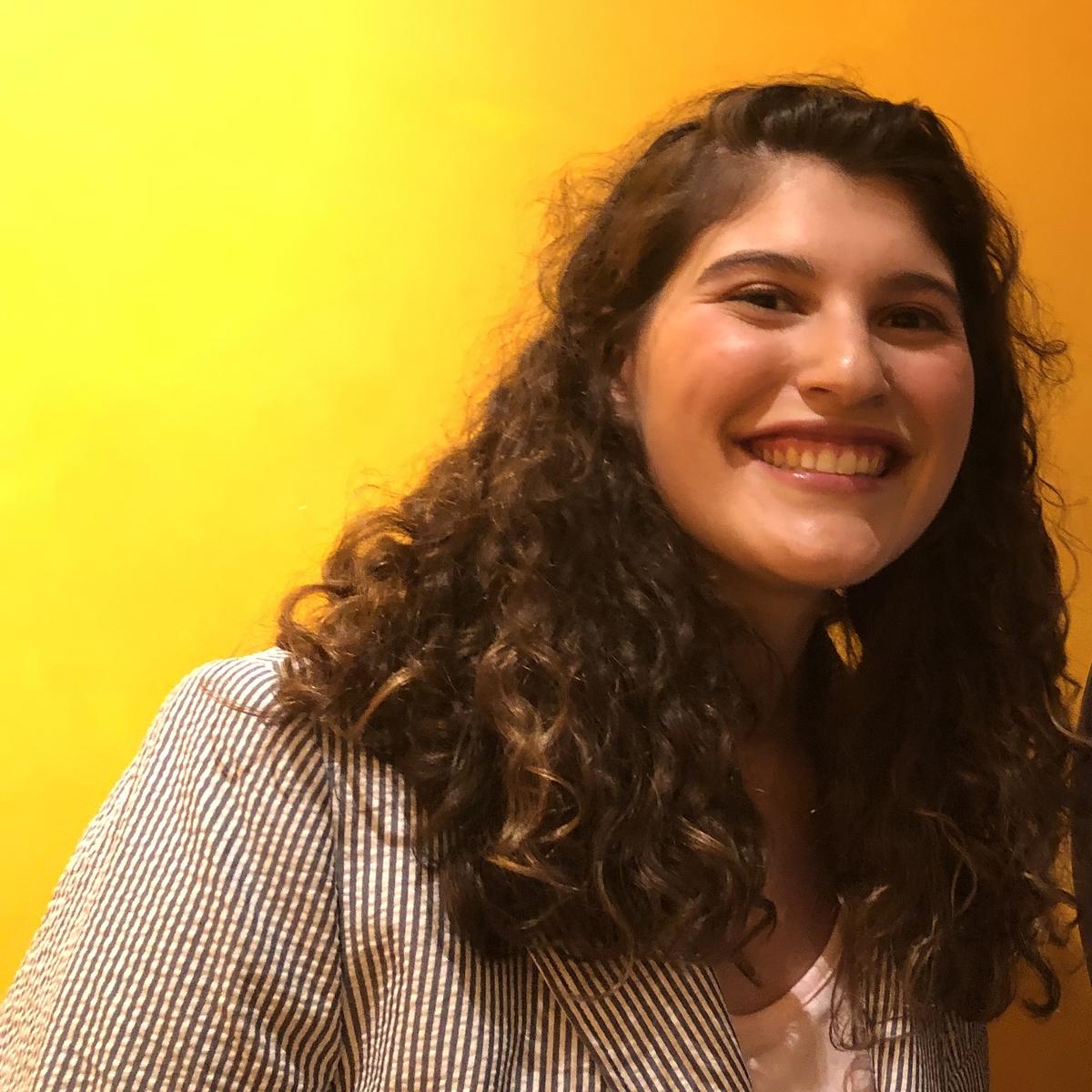
Hilton Head VIM’s ‘vaccine navigator’ helped hundreds get their COVID shot. Meet Niza Hall
As the Spanish-speaking ‘vaccine navigator’ for Hilton Head Island’s Volunteers in Medicine health clinic, Niza Hall had two objectives as vaccines against COVID-19 became more widely accessible across the Lowcountry this spring: Ensure no doses were wasted. And provide everyone a shot who wanted one.
To do that, Hall called area businesses during VIM’s April vaccine clinics to let them know surplus shots were available and would have to be thrown out if they were not used. She spent countless hours on the phone talking to VIM clients about why the vaccine was important, sharing her personal experience of receiving the vaccine. She translated, answered questions and helped patients fill out forms.
A native Spanish speaker from Mexico, Hall leveraged her trusted stance within the island’s large Latino community to motivate hundreds to get shots. Of the 700 VIM clients who received vaccinations, Hall personally registered 120, she said.
Hall has no medical expertise, yet she played an integral role in the vaccine outreach efforts of the storie, free health clinic, which serves a mostly Black and Latino working-class population and is staffed almost entirely by volunteers.
“She did an absolutely amazing job in getting people here,” said Dr. Ray Cox, VIM’s executive director. “Her efforts alone were really successful.”
Hall had volunteered at VIM for nearly 10 years when a position to help Spanish-speaking populations receive the COVID vaccine became available through grant funding earlier this year. She jumped on it.
“I thought to myself, ‘Oh my God, I’m perfect for that. I know VIM; I know the people,’” she said. “For me, translating is instantaneous; it’s no problem. I think I can bridge the gap.”
In late February, she started pre-registering patients for VIM’s Pfizer vaccine clinics. She called hundreds of VIM clients and answered their questions about side effects and her decision to get the vaccine.
“Most of [our patients] were very receptive,” she said. “But of course there were some that [said] ‘No, it makes me afraid. They’re experimental. They’re new. What’s going to happen to me in five years?’ … So I did a lot of research, and I could answer their questions. But more than anything, I wanted to make it personal. The first thing I told them was, ‘I got the vaccine.’”
And that detail proved to make a huge difference for the patients who were on the fence about getting the vaccine.
“The vast majority of people I talked to were excited to get the vaccine,” Hall said. “That was really rewarding … feeling like I was giving this gift to people. … The convincing wasn’t as hard or as large, which was a very nice surprise.”
In April, VIM held four first-dose vaccine clinics where six patients were inoculated every 10 minutes. All patients were invited back for their second doses three weeks later.
In three months as VIM’s vaccine navigator, she learned some important lessons about access and trust in medical institutions, topics that have entered the popular discourse recently as data shows COVID vaccination rates among Black and Latino adults lag far behind those of white adults.
“It was a huge honor and a pleasure, and I learned so much,” Hall said. “I felt that I contributed even a little grain of salt.”
JOURNEY TO HILTON HEAD
A native of Mexico City who spent her early adult years in Guadalajara, Jalisco, Hall arrived in the United States in 1995. She met her husband in the Washington, D.C., metropolitan area, and they raised three kids together.
After owning a summer home in Sea Pines for five years, the family moved to Hilton Head permanently in 2011 after Hall’s stepdaughter died suddenly.
“It became very painful to see her room,” Hall said. “We had already been talking about moving, and my husband was completely heartbroken, as was I. ... He just said, ‘Let’s please do it.’ How could I say no? I said, ‘Let’s do it.’ So we came down here, and it was the best decision ever.”
On Hilton Head, Hall said, the family’s twin boys, now 23, thrived, with easy access to the beach and golf. She did, too, getting involved in her neighborhood, Long Cove Club, and joining several local boards.
One day at a driving range, Hall and her husband, Charlie, met ear, nose and throat specialist Dr. Sheldon Soss. A VIM volunteer, he encouraged Hall to join him there.
At training, she met volunteer director Stan Stolarcyk, who oversaw VIM’s team of over 650 volunteers.
Stolarcyk died of COVID-19 in December after a nearly one-month battle with the illness.
“That felt like a death in my family,” Hall said. “Stan was unbelievable. It just seems unreal. It was so tragic, and he was so devoted to VIM and so dedicated and so beloved.”
Hall quickly became a valuable asset for VIM, translating and interpreting for clients who did not speak English. Now, with VIM’s vaccine clinics done, she’s returned to being a “floater” for the center.
“I do a lot of interpreting for women,” she said. “When they go into gynecology, they want a woman there with them, not a guy. … And I love it, just to make them feel like their voice is being represented exactly and whatever their concerns are being translated exactly.”
FRONTLINE INSIGHT
Hall feels cautiously optimistic about the pandemic coming to an end soon, noting that the majority of the people she knows are vaccinated. But she’s worried about all the people who will not get the COVID vaccine.
Some of those people, she says, are young people who say, if they get sick, “It won’t be a big deal because I’m young, and I’m healthy, and I’ll get over it in three days.” Among older people, she said, women especially have expressed fear about adverse side effects from the vaccine. Clinical trials and real-world studies have found the shots to be safe and highly effective.
“I noticed that among older women, 60 and up, Latino, Black … it was almost an absolute no, almost to the point of ‘Please don’t call me again. I’m not getting it, period,’” she said.
National research data from the Kaiser Family Foundation shows similar rates of desire to get the COVID vaccine among ethnic and racial groups, with 66% of white adults, 64% of Hispanic adults and 59% of Black adults reporting that they already got or plan to get the vaccine as soon as possible.
But Black and Hispanic/Latino people still have lower rates of vaccine uptake than white people, with 18.2% of Black people, 19.2% of Hispanic/Latino people and 27.5% of white people done with their shots nationwide, according to the latest CDC data.
Experts have said both access issues and vaccine hesitancy explain the lower rates. While some people may simply not want the vaccine, others may not be able to take off work to get it or may not even be aware that they qualify for it.
In fact, some clients Hall spoke to asked if the clinic would be offering vaccines on Friday so that, if they felt sick afterwards, they’d have the next day off. But the clinics were only on Mondays and Wednesdays.
“Thinking back, you learn,” she said. “We’ve never done it. … We should have done Thursdays and Fridays. … But a lot of people got the day off or just pulled through it. It was important enough so that a lot of bosses or employers were okay with people missing.”
In combating vaccine hesitancy, Hall possessed some valuable tools — a wealth of knowledge about the vaccine, the trust of her community and, most importantly she said, her personal experience receiving the vaccine.
“Some are total ‘no’s,’” Hall said. “But I did convince a few people. … I said, ‘Listen, do you trust VIM?’ ‘Absolutely.’ ‘Well, VIM, as a clinic … not only are we recommending for you to get the vaccine, but we have already gotten it. We [were] vaccinated over a month ago.’ They said, ‘Really, you are?’ We said, ‘We are all vaccinated.’ They said, ‘Well, if you guys did it, I’ll do it.’ And that really, really resonated with a lot of people.”
This story was originally published May 28, 2021 at 12:00 AM.