Bluffton pastor among ‘frontline soldiers’ as COVID takes toll on Latino community
Para leer en Español, haga un clic aquí.
Pastor Juan Rivera is burned out.
He spent roughly a year and a half as a liaison and missionary to the Latino community for Bluffton’s Church of the Cross, before deciding to step down. In the last several months of his tenure, during the COVID-19 pandemic, he worked with the Latino community through the church to find them help with rent and food. He also led services for the small but growing Spanish-speaking congregation.
Many Latinos were out of work, Rivera said, as the pandemic slammed local hospitality and services industries. Some got sick with COVID-19 and tried to treat it with home remedies, only to end up in the emergency room or ICU.
“We were frontline soldiers when COVID started,” Rivera said of his work providing aid to the poor. “We just dared to go where no man has gone before.”
Then, on Jan. 7, he and his wife, Elisabet, found out they tested positive for COVID-19. They suffered from pneumonia and shortness of breath for several weeks before recovering.
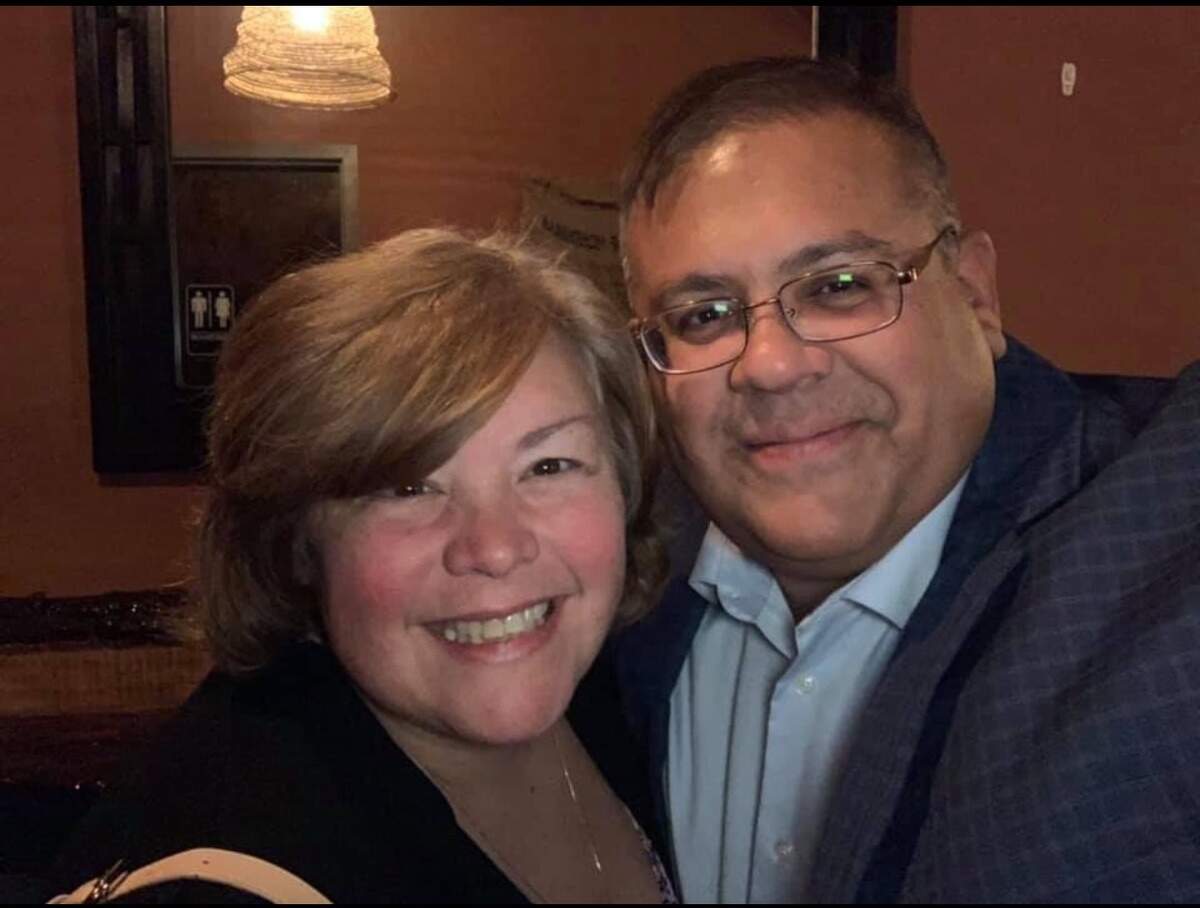
The Riveras are among more than 2,100 Latinos and 14,500 people across Beaufort and Jasper counties who have been diagnosed with the virus.
The pandemic has had an especially hard impact on Black people and Latinos, who have become sick with and died of coronavirus at higher rates than other demographics across the country.
Additionally, national statistics show they are getting vaccinated at lower rates than white people, as public officials and community leaders face ongoing challenges in communicating the vaccine’s safety and effectiveness with Spanish speakers.
Still, these frontline soldiers march on.
What the data shows
Experts say an array of factors likely account for the disparity in cases nationwide. For one, Latinos and Black people are more likely to have underlying health conditions — including obesity, heart conditions and Type 2 diabetes — that put them at increased risk for severe cases of COVID-19.
And while many adults are still working from home, that option is not available to the many Latino and Black people working frontline jobs, said Ana Garcia, South Carolina Department of Health and Environmental Control’s minority outreach specialist.
“Living conditions, multi-generational households, work settings, community practices and gatherings also all contribute to the transmission of COVID,” she said.
In Beaufort County, where Latinos make up 11.1% of the population, they represent 14.4% of COVID-19 cases and 14.5% of hospitalizations, data as of the last day DHEC reported show. In Jasper, where Latinos make up 13.4% of the population, they represent 16.4% of cases and 13.8% of hospitalizations.
But the percentage of COVID-19-positive people who are Latino is almost certainly higher in both counties — 32.2% of COVID-19-positive people in Beaufort and 29.7% in Jasper are not reporting their ethnicity.
In the state as a whole, Latinos represent a much smaller percentage of COVID-19 cases, at 6.4% and hospitalizations at 5.2%, but they also make up only 5.8% of the state’s population.
Jasper and Beaufort counties, respectively, have the second- and third-highest percentages of Latinos in the state, behind Saluda County, and Beaufort has the fourth-largest Latino population. The Lowcountry has seen tremendous growth over the past several decades, in part fueled by immigration from Latin American countries.
Available data show that Black people in Beaufort and Jasper counties are disproportionately hospitalized, but not infected, with COVID-19. Representing 17.7% of Beaufort County’s total population, Black people have accounted for 10.3% of COVID-19 cases and 21.5% of hospitalizations within the county, per DHEC data. In Jasper, where Black people represent 41.6% of the population, they have accounted for 27.1% of cases and 51.6% of hospitalizations.
Statewide, they account for 20.5% of cases and 36.1% of hospitalizations. They represent 26.5% of the state’s population.
But much of the local racial and ethnic data related to COVID-19 is unavailable, making it difficult to assess the full extent of COVID’s impact on minority populations. In Beaufort County, 28.4% of racial data is marked as either “unknown” or “under investigation” on DHEC’s website. In Jasper, 21.6% is unknown or under investigation. Racial and ethnic data is self-reported.
Additionally, the state isn’t publishing demographic data on vaccine distribution, so it is unclear whether racial and ethnic minorities are being vaccinated at similar rates as white people. A CDC report released Feb. 1 showed that during the first month of the vaccine rollout, 60.4% of recipients nationwide were white, 11.5% were Hispanic/Latino and 5.4% were Black. But race and ethnicity data was missing for 48% of recipients.
Many Latinos are hesitant to get tested for COVID in the first place, said Nadia Paez, owner of La Potosina snack shop in Ridgeland and a leader in Jasper County’s Latino community.
“I push the people to do the tests,” Paez said. “They are like, ‘Oh no.’ They would prefer to stay in quarantine. They don’t want to do the tests until they are feeling good.”
In early January, Paez helped plan a COVID testing event in Ridgeland at night, so that people could come after work. Most testing sites are open only during the day.
But not that many people showed up, Paez said.
Her concerns now turn toward the COVID-19 vaccine. She said many Latinos are worried about getting the shot, reflecting nationwide trends of greater hesitancy about the COVID-19 vaccine among Black and Latino individuals than white ones.
“I hope some people can do it,” Paez said. “I need to be the example.”
Paez has also felt hesitant about getting vaccinated. But seeing first responder and retired law enforcement officer Othoniel Hatchett talk about getting vaccinated on Facebook Live made her feel more safe, she said.
Getting the word out
Hatchett, now fully vaccinated, is feeling fine. After both shots, he initially experienced soreness in his arm and a fever, but he took it in stride.
“It’s an indication that your body is reacting with the vaccine and is working to produce antibodies,” Hatchett said.
A volunteer reporter with WHHI-TV and a Spanish talk radio host, Hatchett is using his knowledge and experience to encourage people to get vaccinated. He said misinformation about the vaccine is spreading rapidly among Latinos — as it is among the general population — and is discouraging them from getting vaccinated.
“I try to tell people, No. 1, they need to get [educated about the vaccine],” Hatchett said. “They need to get the right information, they need to read, they need to get the facts and not make a judgment based on what someone else told you. ... Then after they do their research, then they can make a judgment.”
Hatchett did his research before he got his shot at work. But he said he believes accurate information about COVID-19 is not reaching Spanish-speaking communities around South Carolina, and he’d like to see the public officials doing more.
Such is the project of Ana Garcia. She started as a minority outreach specialist for DHEC in October, working to build trust with minority communities across the state through relationships with local leaders and media.
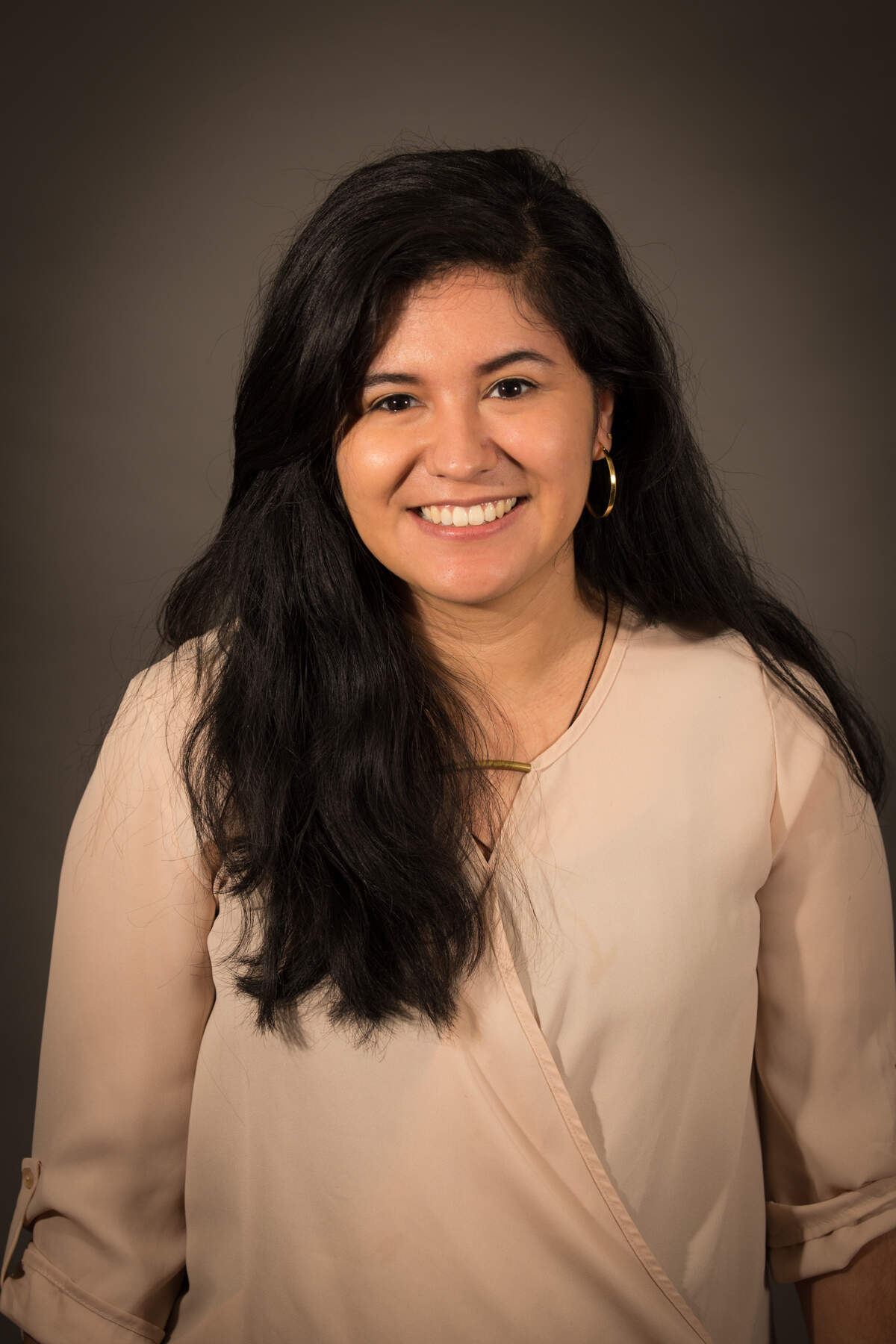
A lot of her work involves establishing name recognition for DHEC in Spanish-speaking communities, so that people may recognize it as a reliable source of information in English and Spanish.
“It’s like, yes, we’re the health department,” she said. “But we try to mention what [DHEC is]. It is the department of health that is giving that information. It is el Departamento de Salud y Control Ambiental.”
The greatest challenge Garcia faces now is a feeling many are experiencing nearly a year since COVID-19 became a household word in South Carolina: They’ve hit their “pandemic wall.”
“People are tired of COVID,” she said. “They feel that they’re young and invincible.”
But as new COVID-19 variants sweep the country, now is not the time to be letting down one’s guard, Garcia said.
“People [want] to see family and friends,” she said. “It’s totally understandable. But it’s not really ending. We still have a long way to go with the vaccine. We’re hoping that it will be sooner rather than later.”
What has been lost
Several weeks ago, Hatchett’s mother-in-law died from COVID-19. Then, his cousin.
These losses have been hard on his family. But Hatchett said he is also deeply concerned about the members of his family who have had COVID-19 but not made a complete recovery. Many COVID-19 patients do not regain their sense of taste or smell for months. Some suffer lung, heart or brain damage.
“People tell me, ‘I don’t feel the same,’” he said. “‘I’m not the same.’”
These lasting effects terrify Hatchett, and he is relieved that he is now protected from them. With vaccine rollout slow and hesitancy high, many aren’t.
“There’s too many people passing away,” he said. “People need to protect themselves. They need to protect their family. ... People need to wear masks. People need to stay away from other people. That way, you protect yourself. You protect other people.”
This story was originally published February 7, 2021 at 6:45 AM.