Hilton Head condos, once affordable for long-term renters, now are Airbnbs for tourists
A neighborhood on Hilton Head Island known for its affordable long-term rentals is slowly transforming into a destination for short-term rental and Airbnb customers, leaving the town’s workforce with fewer housing options.
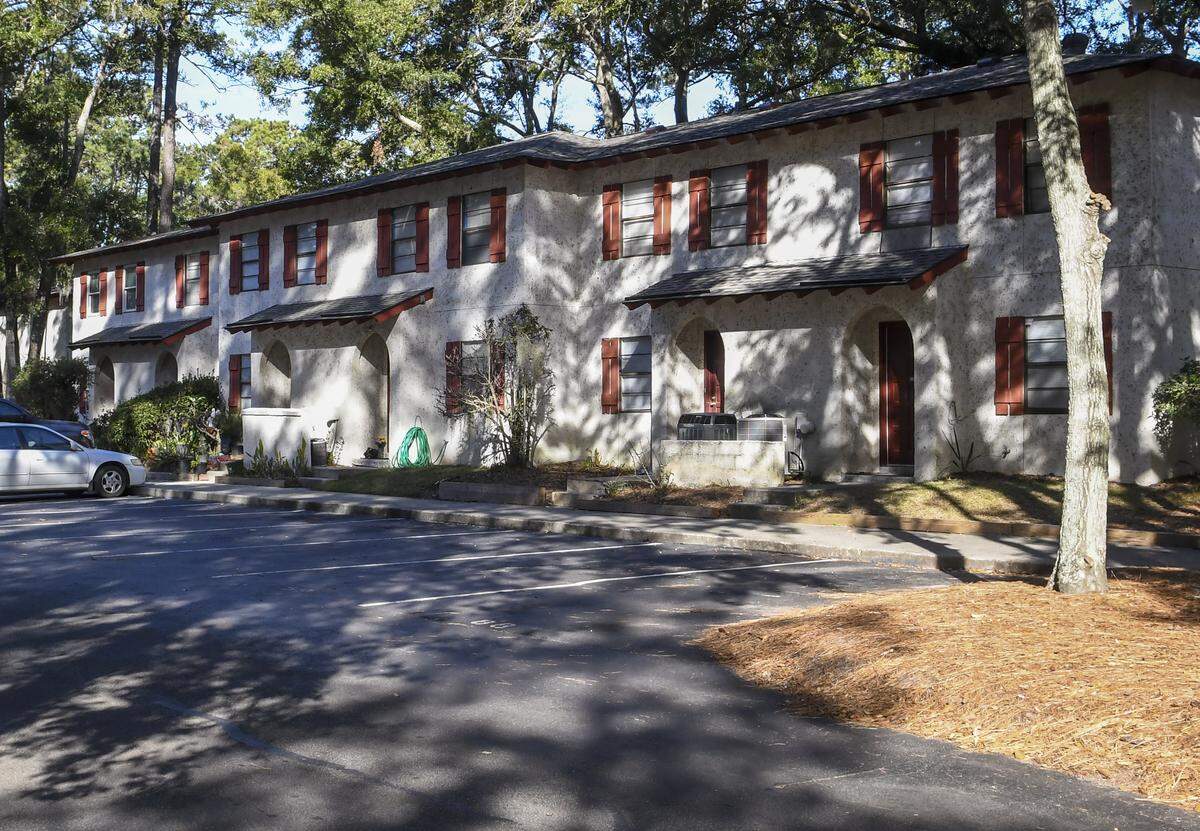
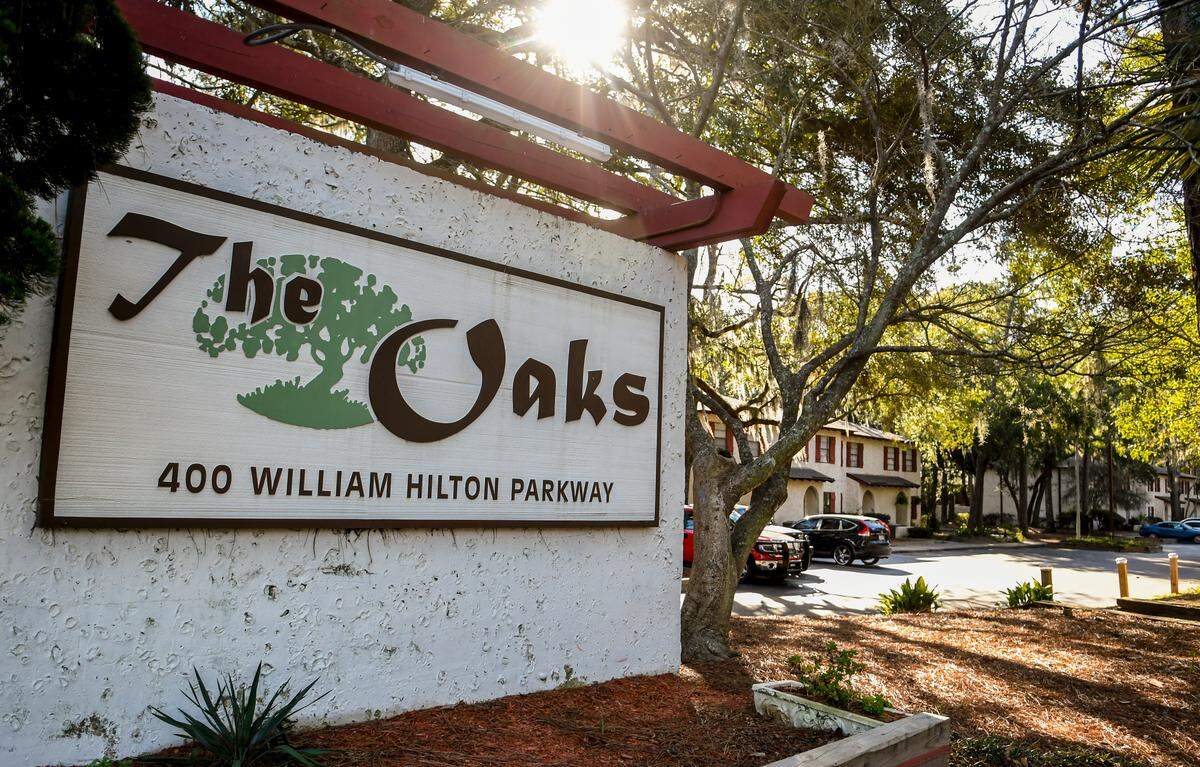
Residents at The Oaks, a 114-unit, north-end neighborhood next to Sea Turtle Marketplace, have seen at least 10 condominiums remodeled and posted on Airbnb since summer 2018, when they experienced hikes in their regime fees for items such as painting and new roofing.
The managers of those 10 condos — and co-hosts of the Airbnb listings — are two members of The Oaks property owners’ association, Gloria Yang and Jim Neubauer, both investors who are new to the board.
“We are not workforce housing. Maybe we were in the past, but not anymore,” Neubauer said. “Owners want their property to stay nice and for rents to increase. We represent the owners, not the renters.”
“Airbnb gentrification” in neighborhoods is not unique to Hilton Head.
Communities in New Orleans, Amsterdam and Florence, Italy have seen the practice on a much larger scale, where investors purchase cheap housing and drive neighbors out to make neighborhoods accessible to tourists.
In many cases of Airbnb gentrification, the issue ultimately pits the needs of low- and middle-income renters against the financial interests of high income, mostly white, investors, according to a March 2019 article in the Guardian about gentrification in New Orleans.
And on Hilton Head Island, where over 2 million tourists flock each year, a condo for $49 per night is hard to come by.
Popping up on Airbnb
On Thursday, 11 units in The Oaks were listed on Airbnb.
They ranged from $49 per night to $79 per night, and 10 were hosted by an Airbnb superhost named Gloria. However, most listings include a cleaning fee, a service fee and occupancy taxes that double the listing price.
Yang confirmed Friday she managed the town homes. While she owns two of the units, she said she also manages listings for other property owners.
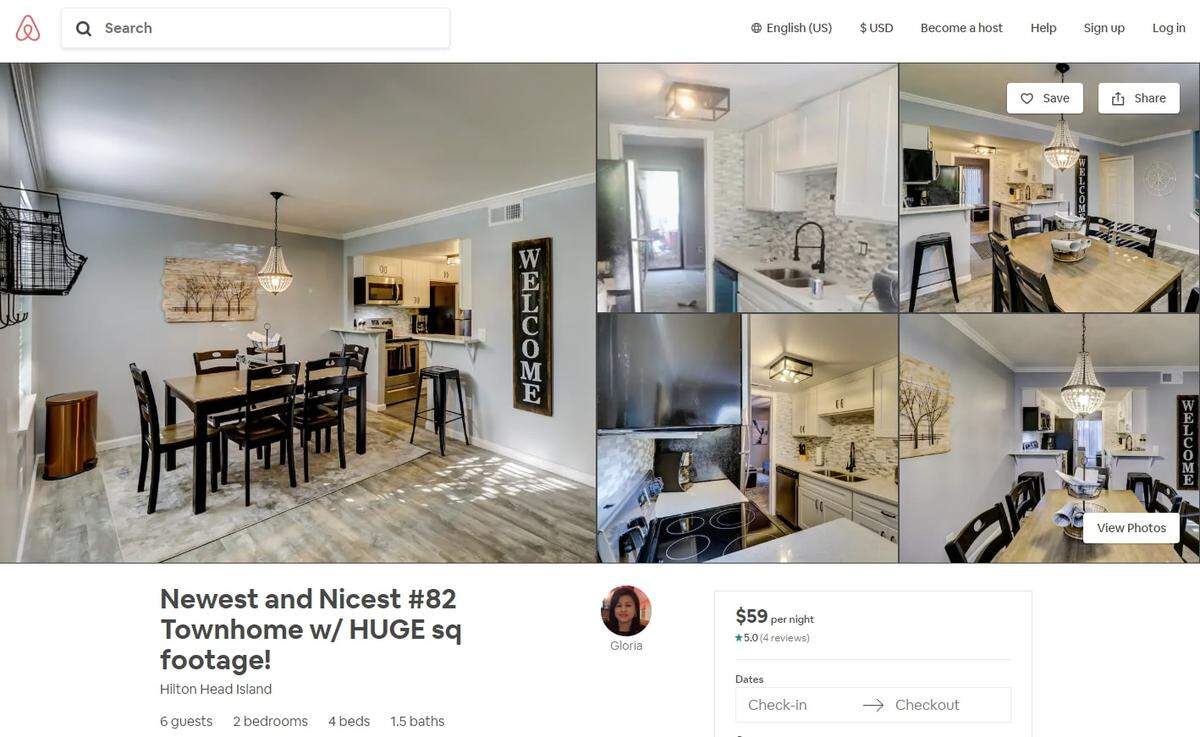
The listings are mostly two-bedroom units close to U.S. 278. Yang highlights the recent renovations, which she told The Island Packet cost about $50,000 to $60,000 per unit.
Yang’s townhomes are stylish and updated. They are brightly lit, and most can accommodate up to six guests, according to her listings. But among the hundreds of people who have rented at The Oaks, several had concerns about the units and the neighborhood itself.
One reviewer said the neighborhood seemed unsafe and that her caregiver almost didn’t stay to babysit the reviewer’s children. She said she was uncomfortable at times during her March 2019 stay.
Others complained that neighbors were loud and played music late into the night, and one said they were put off when they arrived at The Oaks and saw Beaufort County Sheriff’s deputies at a neighboring unit.
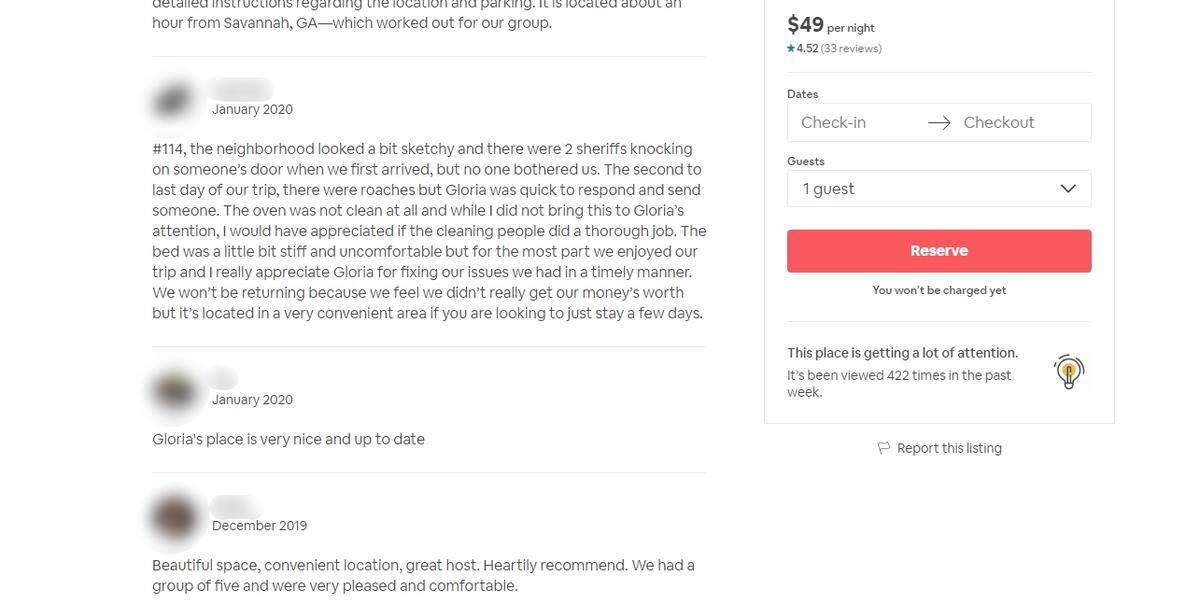
Hundreds of others praised Yang for her properties.
They said they were affordable, clean, and close to beaches such as Burkes and Folly Field. Dozens of reviewers said they were in town for graduation at Parris Island.
Yang, who responds to most negative comments on her Airbnb page, specifically tells potential guests that The Oaks a ”residential complex which is gentrifying quickly,” in her listing.
Costs going up at The Oaks
The changes at The Oaks are marked by increasing rents and new assessments, according to residents there.
At least one person has reached out to local charities for help paying the assessments, but a handful of residents were fearful of retribution or eviction if they spoke publicly about their concerns with their units or the POA.
In 2019, each unit at The Oaks was assessed around $8,000 for new roofing for the complex, Yang said. The payments are spread over three years, and roofing issues were negatively affecting quality of life and property values at The Oaks, she said.
But the assessment came as a surprise to some renters, and at least one turned to the Deep Well Project for help. The organization coordinated with local churches and contributed a few thousand dollars to the tenant, director Sandy Gillis said.
Apart from the assessments, Neubauer said the POA board would like more renters to buy their units and become owners. He said his and Yang’s plan for the community is not to turn it into a 100% short-term rental neighborhood.
“We’re trying to do that right now: encourage them to buy,” he said. “Our goal is to get more owners that live there, and renters will have to come up with a little bit more money down. (We’re) showing some of our tenants that their payments on a mortgage would be less than they are paying for rent.”
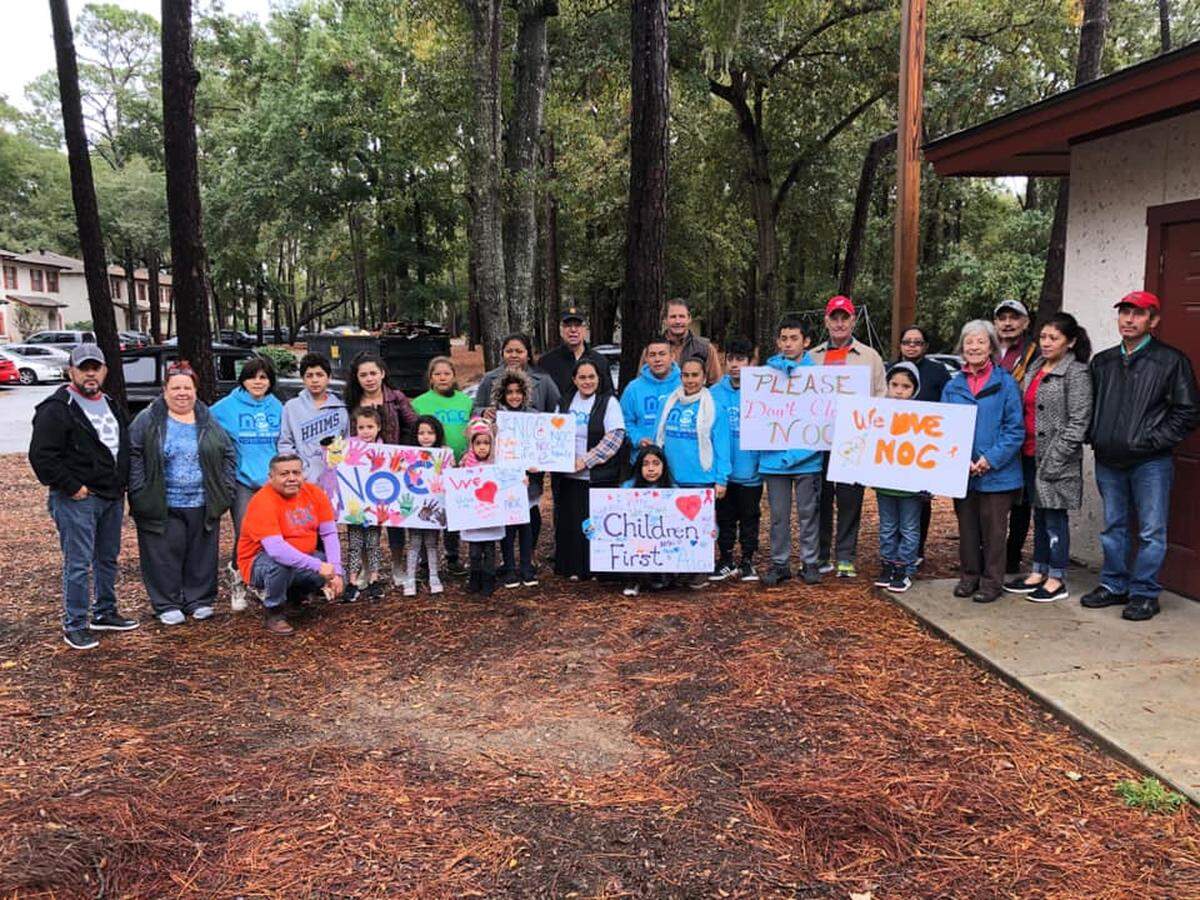
The efforts also come as The Oaks is seeing other changes. Neighborhood Outreach Connection, an after-school program that operates out of churches and condominium complexes throughout Beaufort County, has been at odds with the board over its operation there, The Island Packet has previously reported.
Neubauer said Friday that the POA board has since determined that NOC must leave The Oaks by May 2020.
That leaves the community with less liability, he said. It also leaves children who live there without the homework help and access to resources that NOC has long provided.
Effect on workforce housing
The change in who is living in the island’s most affordable units means more pressure on the workforce housing market, according to town council member David Ames, whose public planning committee has been outlining a workforce housing plan for nearly a year.
“Here we have units that are being used by workers being taken off the market at the same time that were struggling to provide housing for the workforce ,” he said Friday.
.png "Screenshot (52).png")
Other organizations on the island are keeping a close eye on the balance of workforce housing and housing for visitors.
“While we don’t control owner decisions on leasing options for privately owned properties, there is always the potential that taking those units out of the long-term rental market can impact workforce housing,” Hilton Head Island- Bluffton Chamber of Commerce spokesperson Charlie Clark said Friday.
The proliferation of short-term rentals on Hilton Head Island has also been addressed by bigger, more expensive neighborhoods. At least six on the island ban rentals of less than 30 days. Among the reasons for those bans is the mostly debunked fear that a transient tourist population in the neighborhood will drive down property values.
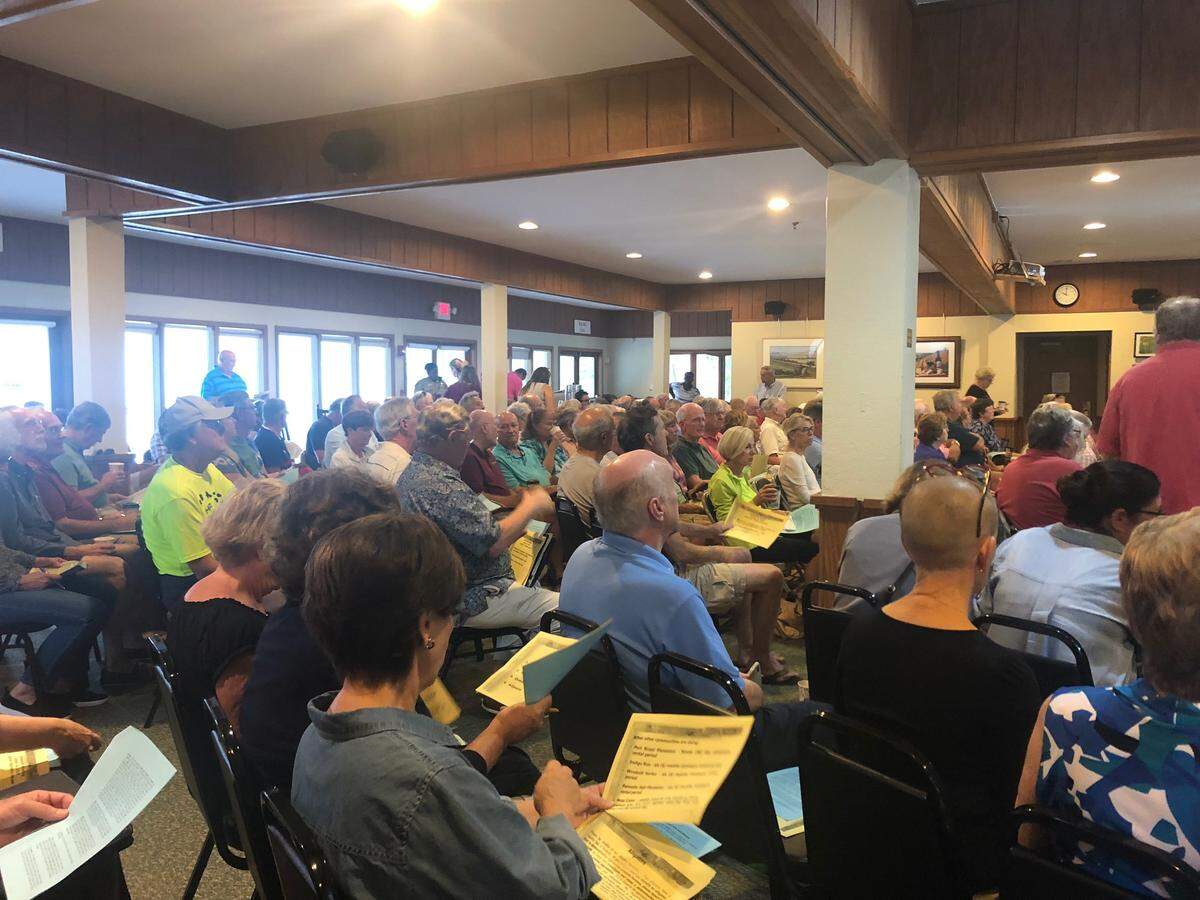
In 2019, Hilton Head Plantation voted to ban short-term rentals, although the community’s general manager acknowledged that only a handful of property owners were renting. The move resulted in those property owners going to court.
As neighborhoods change, Hilton Head leaders and employers will have to pay attention or risk losing workers, and the island’s residents risk losing quality services, Ames said.
Hilton Head isn’t alone in that struggle.
“In every tourism community in the country, there are efforts to strike a balance between attainable housing and tourism,” chamber spokesperson Clark said. “The challenge is a byproduct of a strong economy and one many communities are grappling with.”
This story was originally published February 10, 2020 at 4:00 AM.