‘Malicious’: Hilton Head homeowners sue gated community after short-term rental ban
Three out-of-state property owners in Hilton Head Plantation have sued their POA after the community voted in March to ban short-term rentals, according to a suit filed Dec. 19 in the Beaufort County Court of Common Pleas.
The suit says the change to Hilton Head Plantation covenants should have grandfathered in existing property owners who were renting. It contends the POA board manipulated the election and that the loss of rental business will leave property owners in financial ruin.
Property owners Calvin Borisuk, Colleen and Donald Fraser, James and Kristen Lawrence and Heron House Properties LLC, own and operate homes in the Headlands, Dolphin Head, the Rookery and Crooked Pond neighborhoods. They all purchased their homes between 2003 and 2009, when short-term renting was allowed in Hilton Head Plantation.
In March, 70% of Hilton Head Plantation property owners who voted approved a ban on rentals shorter than six months. According to the POA, 2,482 property owners voted for it; 350 voted against it.
To pass, the covenant amendment needed 67% of all properties to approve it. Proponents said the ban would keep property values high and trouble out of the neighborhood.
“We like to know our neighbors, but that same dynamic doesn’t happen with short-term renters who stay a few days or a week and leave,” Hilton Head Plantation general manager Peter Kristian said in a statement to the community’s residents.
Hilton Head Plantation joined five other gated communities with varying types of short-term rental bans. Other communities such as Sea Pines, Palmetto Dunes and Shipyard are known for allowing short-term rental properties.
.png "Screenshot (94).png")
Kristian said the number of properties renting at the time was around 25 of the 4,163 homes in the community.
That’s what made the change in rules “targeted” and “malicious,” according to the owners’ suit. They say they should have been grandfathered into the new rules to stay true to the covenants they signed.
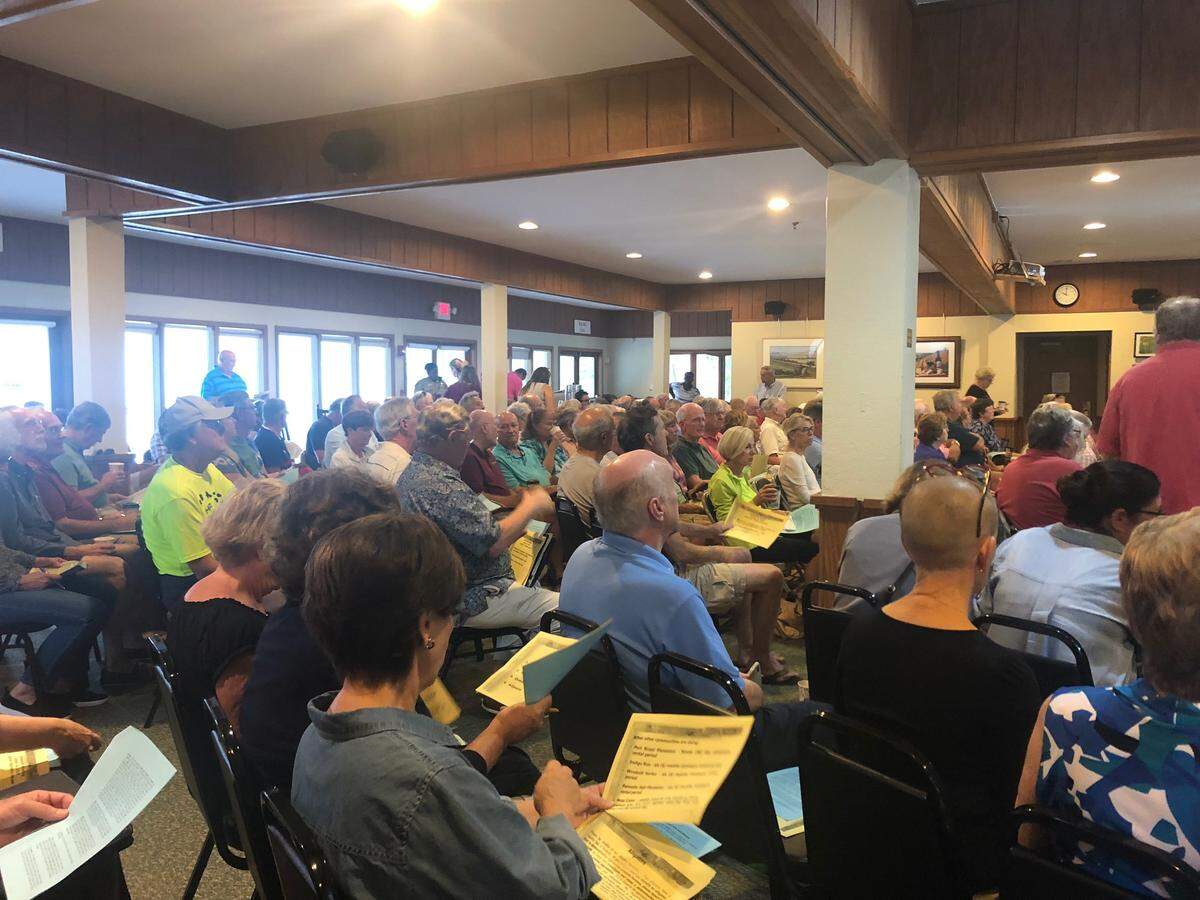
The suit also alleges the POA manipulated the election by restricting access to address lists of homeowners, sending out pro-amendment “propaganda,” extending the voting deadline and losing and miscounting paper ballots.
On Monday, Kristian briefly addressed those charges in an email to the community.
“In a community the size of Hilton Head Plantation, it’s inescapable that an undertaking of such significance would disappoint some owners. We are dismayed these owners felt that filing a suit was their only resort to exercise their disagreement with the outcome of the community vote,” he wrote.
Although the community has already approved the change to its rules, the plaintiffs are asking for the covenants to stay as they are. If short-term rentals are banned in the community, the property owners will lose a significant stream of income, the suit says.
Borisuk, who rents out two homes in Hilton Head Plantation and lives in Myrtle Beach, “earmarked these profits for his children’s college education and his retirement.” Meanwhile, the Frasers and Lawrences, who live in Canada and Ohio, respectively, say in the suit that they’re likely to have to sell their homes on Hilton Head if they can’t rent.
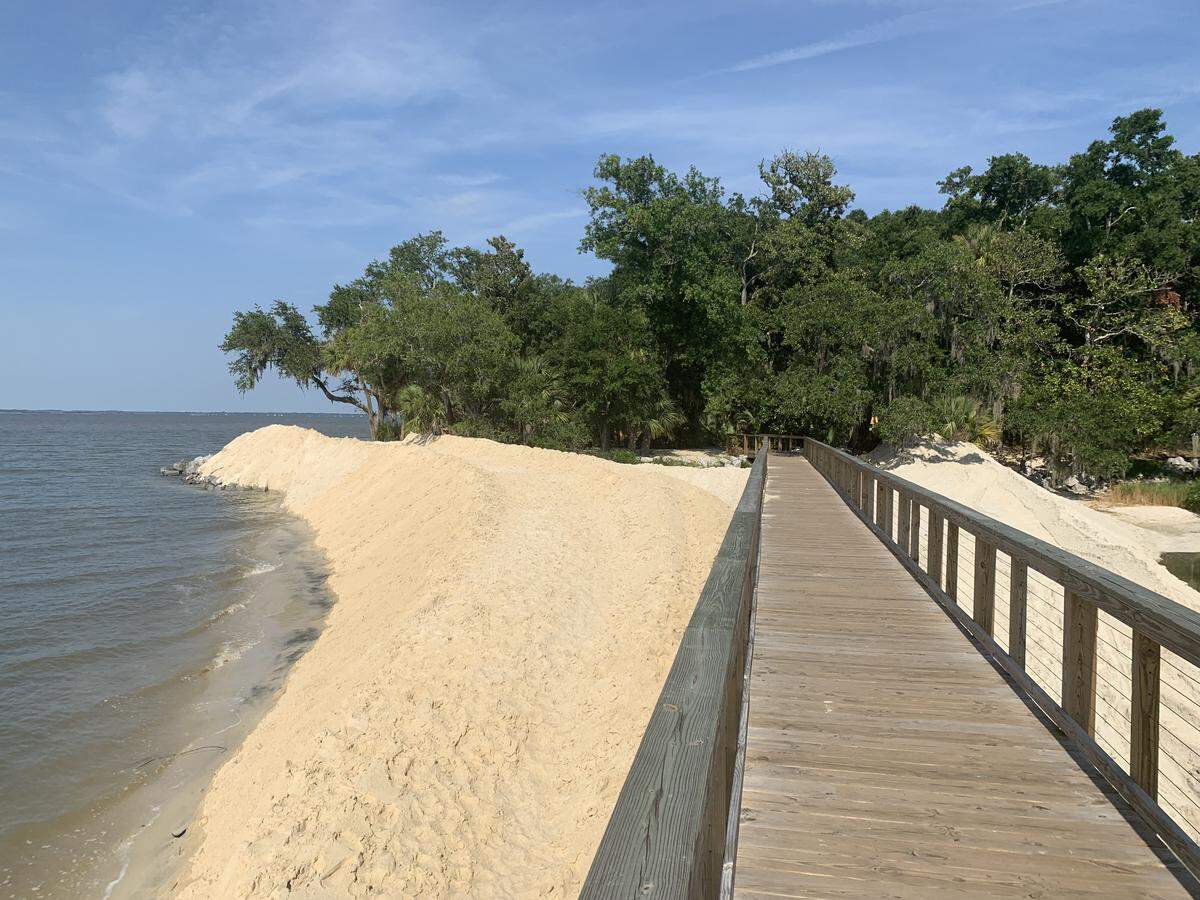
The suit says short-term renting has benefited Hilton Head Plantation.
In the Frasers’ case, the suit says “their sole interest was to purchase a short-term rental property in a quiet, beautiful area where they would rent only to those who wanted to and would respect the lifestyle and by-laws of the neighborhood. They have exceeded their goals. As a testament to their success, four of their guests have gone on to purchase homes in Hilton Head Plantation.”
The POA, which actively lobbied for the amendment, said it hopes to stop the matter from going to court.
“We look forward to working with them through the process of a resolution that honors the Association’s undertaking and those that labored so hard to make it happen,” Kristian wrote in his statement.
But the property owners who have sued don’t appear to be interested.
In a statement Tuesday released to The Island Packet, they said, “We have spent the last nine months engaged in discussions with the POA in order to avoid filing this lawsuit. Litigation always was a last resort for us and is not a step taken lightly. But we were unable to reach a satisfactory agreement with the POA.”
This story was originally published December 31, 2019 at 10:31 AM.