2,500+ Hilton Head vacation rentals didn’t need business licenses. Why that’s changing
A change in South Carolina business license law will require all property owners on Hilton Head Island who rent one room or a home to have an active business license as of January 2022.
Currently, people who own and rent just one unit are not required to have a business license issued by the Town of Hilton Head Island.
The change will mean an additional cost to short-term rental owners and, potentially, renters.
A business license for a short-term rental owner will cost at least $95.50 for individuals making up to $2,000 per year on their rental, according to the new standardized rate schedule.
Individuals making more than $2,000 off their rental will be taxed a rate of $1.70 per $1,000 of income on top of the base rate. In some cases, rates for nonresident business owners are doubled.
The town’s finance committee heard the initial details of the standardization plan on Tuesday. Town Council members on the committee joked about needing “armor” for when rental owners are presented with the new requirement.
Changes to the local business licensing structure comes as a result of the S.C. Business License Standardization Act, which will make it easier to get and renew business licenses across the state, especially for businesses that operate in multiple counties. All municipalities will use the same online portal and have the same business license renewal deadlines.
But it comes with a cost for both business owners and the towns themselves.
The reclassification of businesses by the state will cause a $339,892 shortfall in the town’s revenue next year, according to April Akins, the town’s revenue services manager. To make up for that deficit, the town will increase all business license taxes by 7.2%.
But that doesn’t necessarily mean business license taxes will go up, Town Finance Director John Troyer said. The increase is designed to make up for large reductions in the tax amounts due to the rate standardization.
More jarring for some island residents will be the end of an exemption for people who rent a single room or home. The state standardization will require all short-term rental owners to keep a business license and renew it annually.
On Hilton Head, the end of that exemption will affect more than 2,500 short-term rental owners, Akins said.
The change in business license taxes is important because that revenue makes up around 20% of the town’s annual budget. The town collects $10 million in business license taxes each year, and the standardization of the process is forcing many municipalities to adjust rates so they don’t lose money in the process.
While business owners will benefit from a streamlined system across the state, the increase in annual taxes and addition of the short-term rental license requirement may hurt small business owners and rentals not managed by large companies.
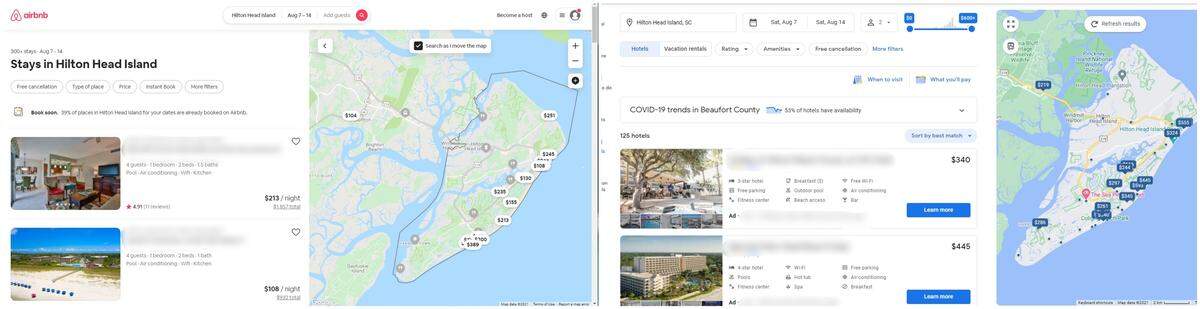
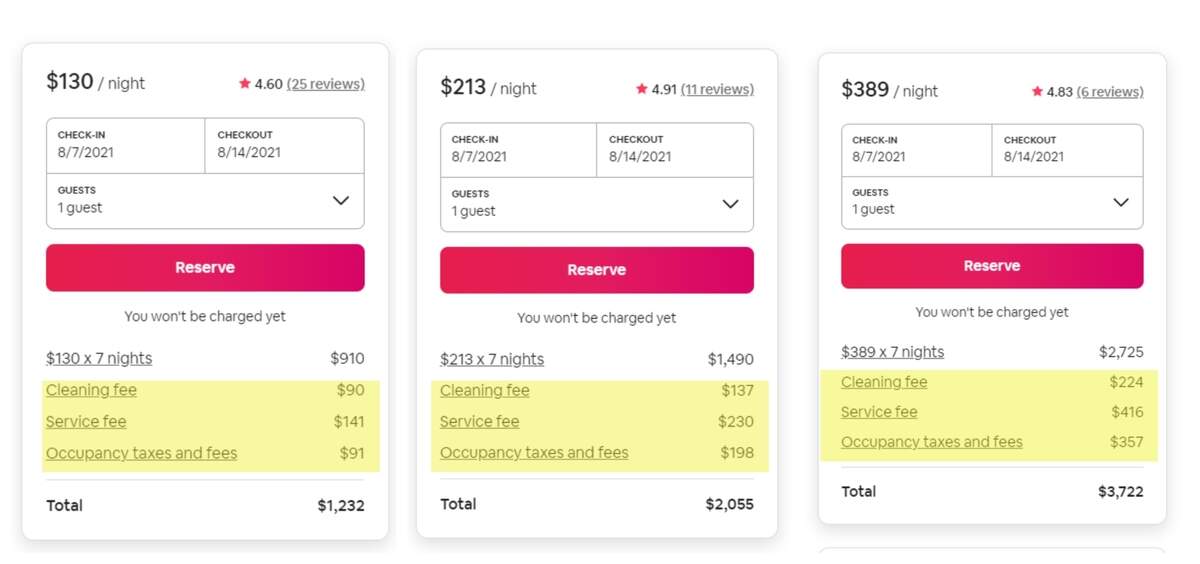
As the town hunts down accommodations taxes it and several other municipalities say Airbnb and VRBO don’t pay, the flux in short-term rental requirements and taxing sometimes makes individual rental listings more expensive than hotels in coastal cities.
What’s next?
On Hilton Head, the Town Council will have its first reading of the standardized business license ordinance on July 20. A public hearing on the issue is scheduled for Aug. 3.
If approved, the town’s new business license ordinance will go into effect Sept. 1. That’s three months before the entire state is required to adopt the standardized system.
Akins said the town’s revenue services staff will launch a public information campaign in July to get business owners and rentals up to date on the changes.
She said the town notify rental owners who were previously exempt of their new status in fall.