Beaufort OKs crackdown on blowing Styrofoam. How a ‘snowstorm’ prompted the move
An ordinance encouraging builders to contain polystyrene litter on construction sites — or be subject to a stop-work order — was passed by Beaufort City Council Tuesday.
It is effective immediately.
Polystyrene is sometimes used in exterior insulation and, when sanded or planed, can create small particles of white beads. The material is easily carried by wind.
In December, blowing particles from a construction site caused a flurry of complaints and prompted the ordinance, which the Coastal Conservation League helped to draft.
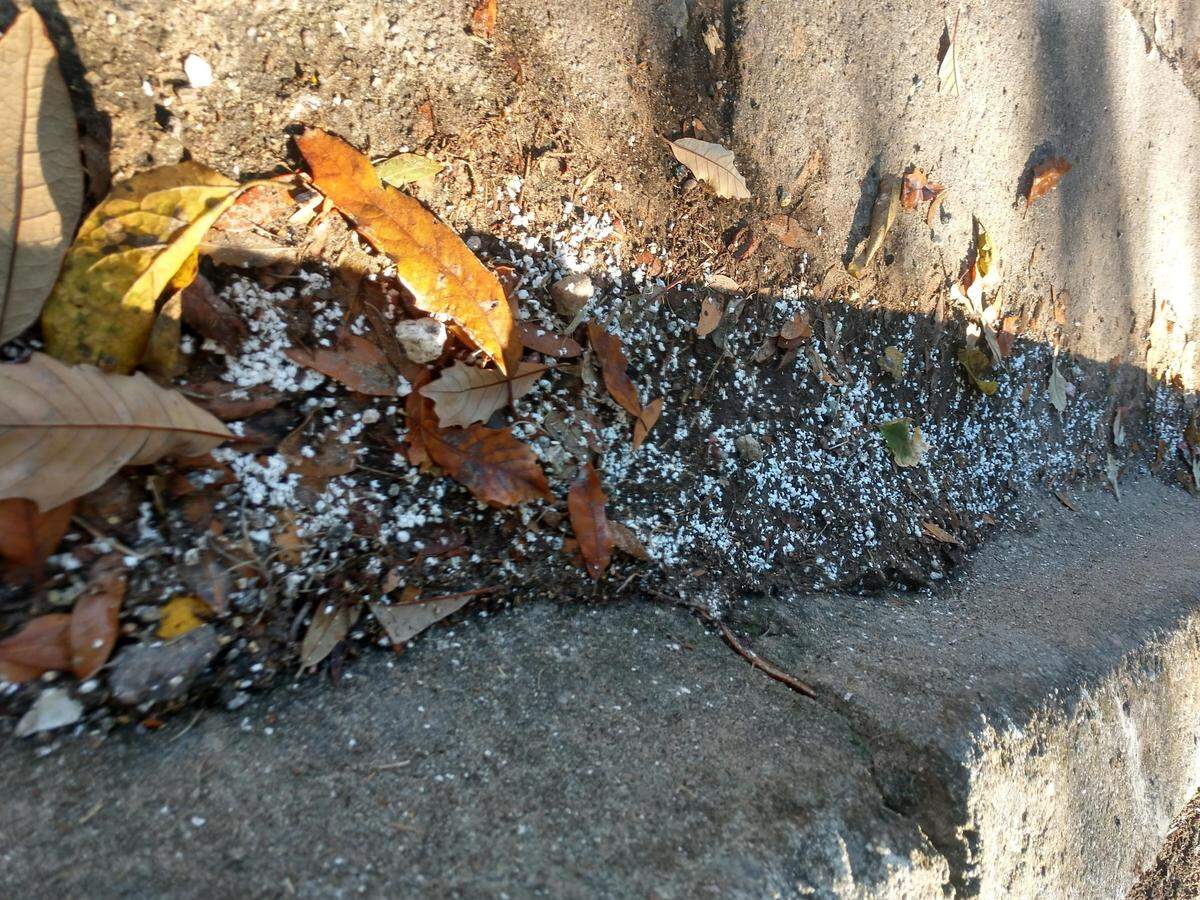
The incident became known as the “Styrofoam snowstorm.”
The ordinance specifies that rasping equipment used to sand polystyrene surfaces be equipped with a vacuum. It calls for construction netting to capture loose material. It also specifies that such debris be collected and disposed of in sealed bags or enclosed containers.
Gap in ordinances addressed
Ken Meola, the city’s codes enforcement officer, said ordinances on the books address construction site trash and litter but not polystyrene, creating a gap in enforcement.
The new ordinance does not impose fines but gives the city the power to issue stop work orders. Blowing Styrofoam dust isn’t a huge problem, but the ordinance gives the city the power to act if it should arise again, Meola said. It was modeled after an ordinance in, Jekyll Island, Ga.
“If we never have to enforce it, great,” Meola said. “If we have to enforce it, we have the authority to do so.”
Businesses had expressed concern about the ordinance being overly broad.
The city agreed to an exception to the new rules if work occurs indoors and there is no chance of escape, Meola said. That exception came after a meeting with Ian D. Scott, president of the Beaufort Area Chamber of Commerce, and Coastal Conservation League officials, he said.
Council members voted 5-0 to approve the ordinance.
During the Styrofoam snowstorm, piles of foam particles were found along the curb, in the street and in the median, in stormwater drains, in business parking lots across the street, in grass of the park and buffer areas planted by the city to protect the salt marsh, and in the headwaters of Battery Creek.
This story was originally published June 9, 2021 at 9:18 AM.