Can you be fired from your job during a hurricane evacuation? Here’s what experts say
Hurricane evacuation orders sometimes present confusing dilemmas.
For employees, whether to stay or go must be weighed with the opportunity to make money. Do you stay, risking your safety, to cash in on extra work time and avoid the extra gas and hotel costs?
For employers, the decision of whether to close rests on safety, adequate staffing and the hope to not lose all business. And if an employee needs to be terminated, is it cruel to do so during a natural disaster?
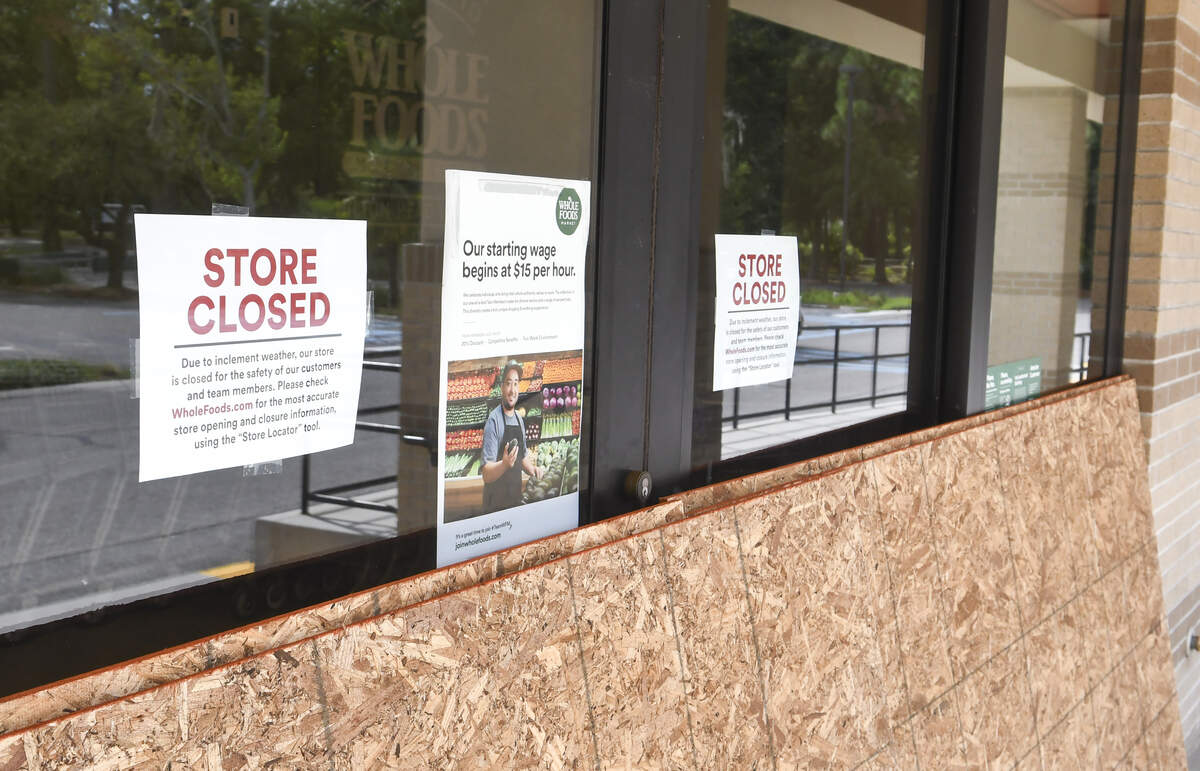
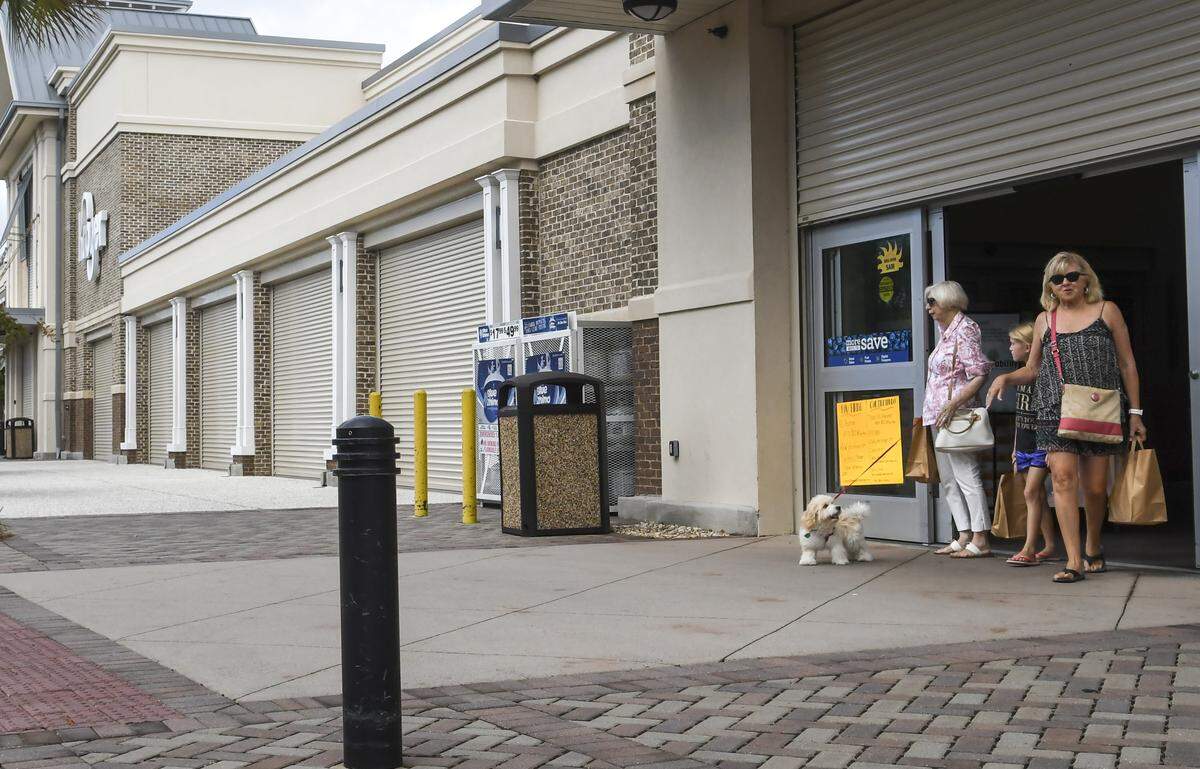
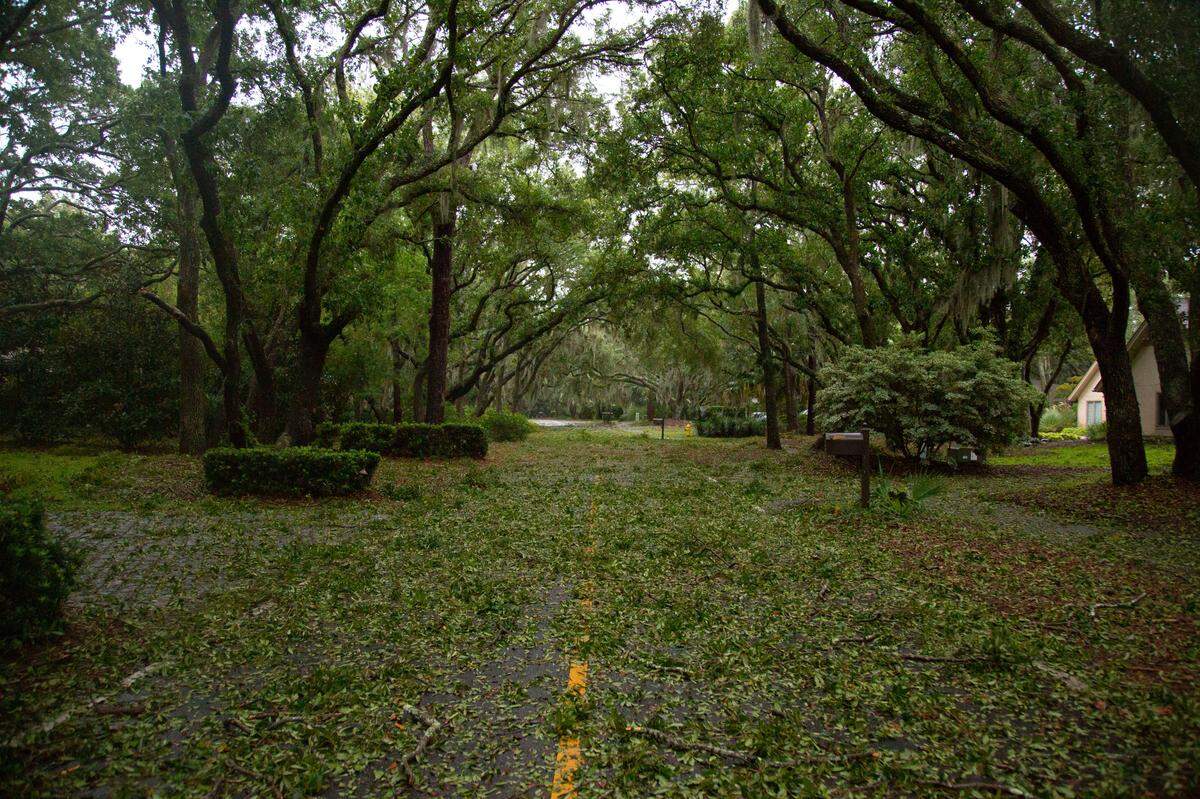
As Hurricane Dorian lashed Beaufort County last week, most hotels on Hilton Head Island closed, along with many offices and restaurants around the county.
Businesses aren’t always prepared.
“Businesses only address (hurricane policies) once per year — or once per decade. They don’t really know what they’re required to do,” said Steve O’Day, an Atlanta-based lawyer who writes about employee rights.
Here’s what the experts have to say about employee rights during natural disasters:
Can you be fired for not showing up to work during a hurricane?
In short, yes.
South Carolina is an “at-will employment” state, which means that an employer can fire an employee for any reason, as long as the termination does not violate the laws that protect workers.
South Carolina laws offer protections for whistleblowers and against age and gender discrimination.
When an evacuation order goes into effect, as one did for Beaufort County at noon Sept. 2, it could be unsafe to remain working in an area being evacuated.
Although the order is often referred to as a mandatory evacuation, the government cannot force people to leave their homes, according to previous reporting from The Island Packet.
Employers are mostly left to themselves to decide if and when to close their establishments ahead of the storm.
What can an employee do?
If you’re fired from your job, you may have options.
The main protection for employees comes in the form of whistleblower protections provided by the Occupational Safety and Health Administration (OSHA), according to O’Day.
“OSHA has a federal whistleblower law,” he said. “An employer cannot take adverse action because an employee makes a safety complaint or brings up a safety issue.”
According to South Carolina law, an adverse action is dismissing, suspending, demoting or cutting the pay of an employee.
“It may apply to a situation where an employee obeys a local evacuation order and then gets fired because the employee is taking a safety step,” O’Day said.
An employee facing an adverse action can use the OSHA whistleblower hotline to report the safety complaint within 30 days after the action is announced to them, according to OSHA standards.
But Angela Cornell, a law professor at Cornell University and director of the Labor Law Clinic, said the whistleblower protections may be a weak case in court.
“I think it would be difficult to bring a whistleblower claim for this scenario,” she said of evacuating for a hurricane. “There should be a state statute that protects people when they are asked to evacuate because of an emergency.”
Cornell knew of no states with that sort of protection, but she said a Miami-Dade County ordinance, approved after Hurricane Irma, protects employees from termination or retaliation if they comply with evacuation orders.
Paying employees during an evacuation
Evacuation often presents financial barriers for local workers. Although companies such as Airbnb offered free stays to evacuees last week, purchasing hotel rooms and gas can be costly.
Salaried employees, or those exempt from overtime pay, are usually better protected from losing pay.
If a business closes during a pay period for a natural disaster, “employers are required under the Fair Labor Standards Act (FLSA) to pay an entire weekly salary to exempt employees who are paid on a salary basis if they work any portion of the workweek,” the National Law Review said.
“However, if the business is open but an exempt employee is unable to report to work because of weather, their salary may be deducted for a full day’s absence,” O’Day wrote for Smith, Gambrell & Russell, LLP.
Hourly or tipped employees are not required to be paid for days they do not work, according to the Fair Labor Standards Act. But they should be paid 1 1/2 times the employee’s regular rate of pay for time worked over 40 hours.

Workforce shortage
Beaufort County and Hilton Head Island specifically have been hit by a workforce shortage in recent years that has closed businesses and brought the number of commuters to the island to 16,000 each day, according to previous reporting from The Island Packet.
In 2018, the Town of Hilton Head Island spent over $49,000 on a workforce housing study to address one of the underlying issues: a lack of affordable housing.
With a workforce shortage, one may think an individual employee may have more leverage when it comes to negotiating. Instead of losing an employee, a business may choose to keep them even if they fail to show up for work.
Not so fast, said Cornell.
“A termination is a big deal for an employee,” she said. “It has a negative impact, and even if they try to explain it away, it can be damaging.”
Cornell suggested that firing an employee in a workforce shortage may be even more damaging to the employer, because word travels quickly.
“Anyone who’s fired for evacuating under an evacuation order ... that’s not the type of employer they’d like to continue work for,” she said. “They should all look for other jobs. It’s inexcusably harsh.”
This story was originally published September 10, 2019 at 3:30 AM.