
Some Hilton Head short-term rental owners are not breaking even. Here’s why
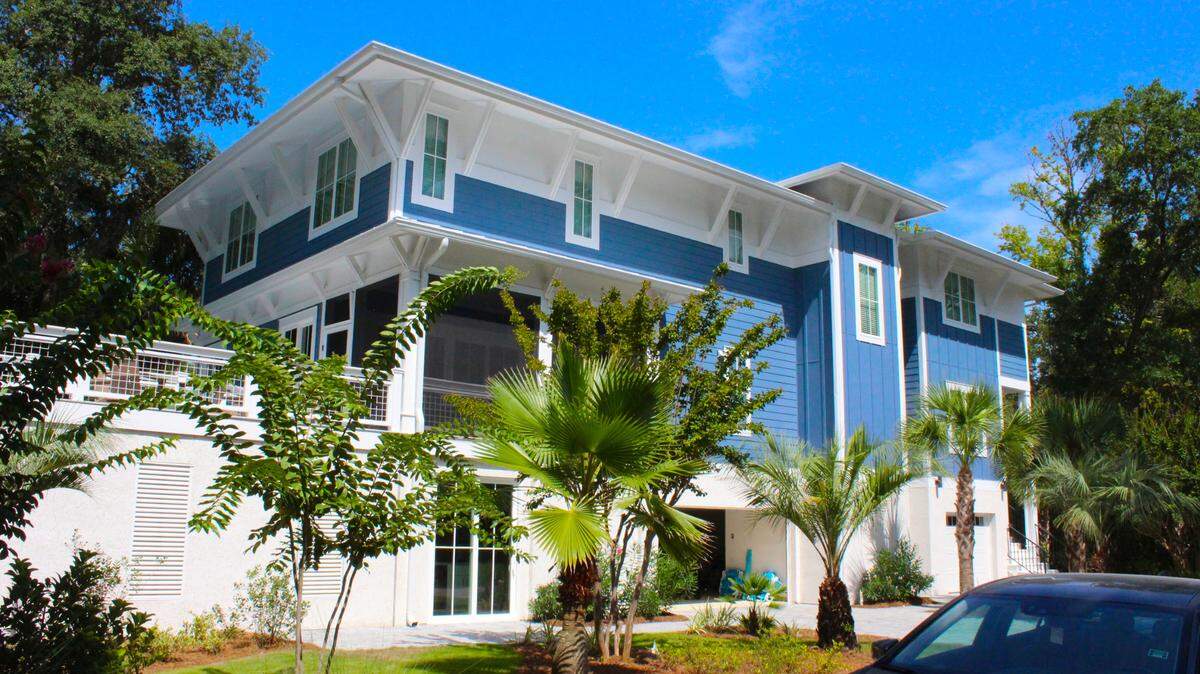
Rachel Amodio from Fort Mill, SC, purchased her Coligny Beach property in 2023. In the first year of operation, she used a property management company to handle things like bookings and pricing. She lost money that year, because of high maintenance and HOA costs, plus the lack of a dynamic pricing model from the management company, which she said left gaps in her booking.
Amodio said she started managing the property herself of November of 2024, doing an interior redesign, implementing dynamic pricing and getting to know her customers more. She has repeat customers and reaches back out to them to book for the next summer if they have enjoyed their stay. Although it hasn’t been a full year yet, she said she is expecting to generate positive cashflow.
With dynamic pricing, rates start dropping as the date gets closer.
“I just try to be more mindful about how I can fill the space, which I didn’t think [my property management company] could do. They have so many they need to manage,” Amodio said. “And I haven’t gotten through the whole year yet, but it’ll make some money this year.”
Some short-term rental owners reported losing more than they’ve taken in recently, citing factors like insurance costs, property taxes and maintenance expenses.
Homeowner insurance rates have also seen sharp increases since the pandemic.
Suzanne D’Amico and her husband from Georgia, who own a property in Shipyard, said her homeowner’s insurance doubled in the four years since purchased the home. She rents her property year-round, but spends time in the home with her family as well.
This increase in rates is not unique to Hilton Head or even South Carolina. Rates nationwide have seen a 24% increase from 2021 to 2024, according to Consumer Federation of America report.
The report also indicated premiums increased in 95% of U.S. zip codes. The rising costs can be attributed to higher costs of material and labor, more frequent natural disasters driven by climate change and an unregulated global reinsurance market increasing prices, the CFA said in a report released in April.
D’Amico also cited maintenance costs, specifically with her pool, as a part of the reason for not making a profit. She said her family made one profit during the pandemic, but none since.
“We’ve had to put a lot of money back in the house,” she said.
Taxes involved
Property taxes are also higher for short-term rentals than owner-occupied residences in Hilton Head because of the sales taxes involved.
“I really do have to watch the cost, because the taxes and fees eat into the rental revenue very quickly,” said Matt Mahar, an owner of a condo in Windsor Place.
In Beaufort County, primary residence, owner-occupied homes are subject to a 4% property tax. A short-term rental property, classified under “other real property,” is subject to a 6% property tax as well as other sales and tourism-related taxes, both state and local.
The state and local taxes are collected on gross rental income and add to 10%. There is a 5% state sales tax, 2% state accommodations tax, 2% beach preservation fee and 1% town accommodation tax.
Overall outlook
Serkan Catma, associate professor of economics at University of South Carolina Beaufort said potential short-term rental operators need to take the local government’s attitude into consideration. The town council of Hilton Head is still working out its own rules on short-term rentals.
Whether operating a rental property in Hilton Head is still a good investment depends, Catma said. If you bought the property five years ago, or around the pandemic, “you are in pretty good shape,” he said.
Property values have risen around 80% since the pandemic, Catma said, citing Zillow sales data in Hilton Head. This increase can be attributed to the heightened demand for properties in Hilton Head during, and after, the pandemic because of a cultural shift towards remote work.
“People can work from anywhere,” Catma said. “If that is the option that you have, you may want to just move to warmer places by the ocean, and just basically enjoy that natural beauty. And I think that’s simply or partially what happens, at least initially.”
Many owners own their properties as rentals now to move into later down the line, as an “investment and pleasure sort of combination,” as Mahar describes it. He visits it about four times a year.
“We come out, sometimes at a loss or near neutral every year, but over the long-term, we still see it as an asset, because unlike stocks that lose value, the property is still appreciating in value,” Mahar said. “But yeah, it’s not the case where we buy a condo and have supplementary income.”
Catma said that another 80% increase in the real estate market since the pandemic seems unlikely to happen again.
“But of course, you wouldn’t know. You might have another pandemic and things might change or something else right?” he said.
This story was originally published August 26, 2025 at 1:51 PM.