
Lauderdale: Juke joint or jook joint? The thrill ain't gone
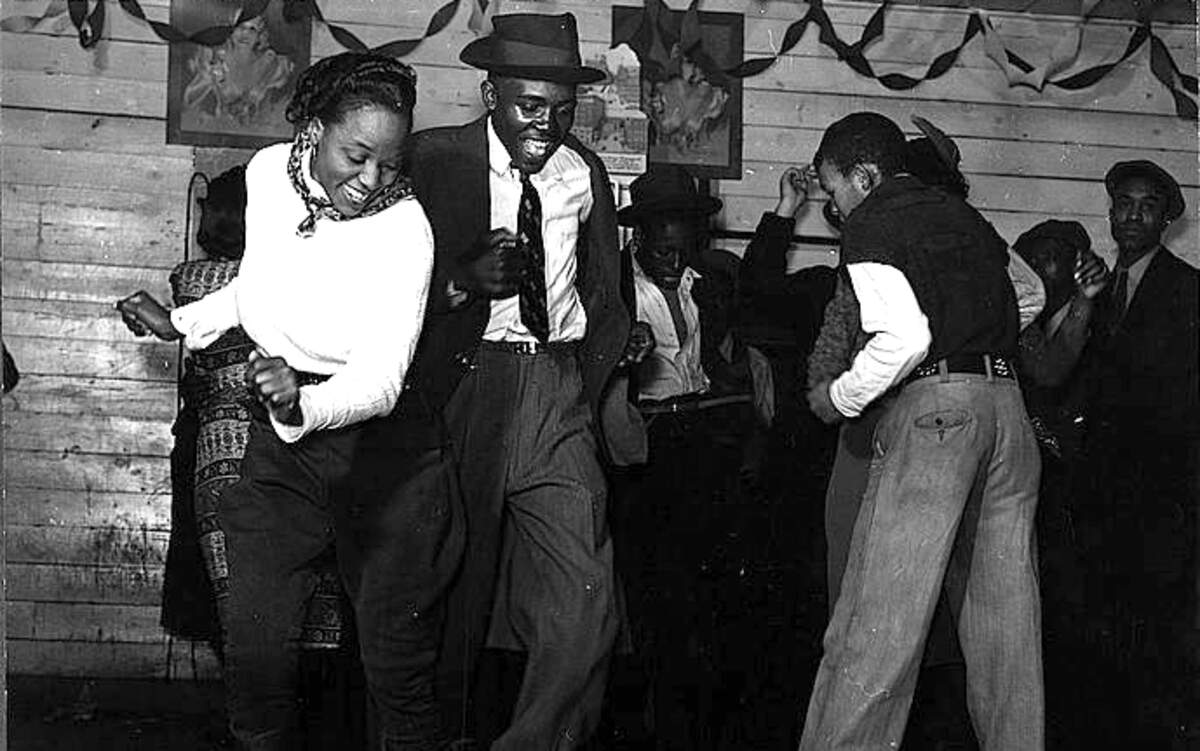
Everything got deathly quiet the night I walked into a Lowcountry juke joint.
Each step across the wooden floor of the Ponderosa Club seemed to echo off the walls. I felt like a guard at the Tomb of the Unknowns. I was in a place that white people didn't usually go, and I felt it.
The Ponderosa is long gone, replaced by a Walgreen's at a jam-packed intersection in Bluffton.
But the spirit of juke joints in the rural Lowcountry and all over the South lives on.
Last weekend, the Gullah Museum of Hilton Head Island honored musicians of all types at its annual gala, including the late James "Jamesy" Reed. He walked all over the island with his guitar and mouth organ. He'd play anywhere, including the juke joints. He was a one-man band.
This week, a reader posed a question about juke joints.
"My personal peeve: My daddy always said he was 'going out jookin' when he and my mother were going out on the town. This is now confused with a 'juke box' and many people say 'juke joint,' a honky tonk, because of that. When really it is 'jook joint.' "
She may be right. After all, people were going "out jooging," as Emory Campbell of Hilton Head calls it in his book, "Gullah Cultural Legacies," long before we had electricity for juke boxes. Or Picollos, as they were often called here.
The origin of the word and the lasting phenomena of the juke joint is dissected in an honors project called "Jukin' It Out: Contested Visions of Florida in New Deal Narratives" available through the Oberlin University library online.
It quotes a 1934 essay by Zora Neale Hurston, "Characteristics of Negro Expression," using the word "jook":
"Jook is a word for a Negro pleasure house," Hurston wrote. "It may mean a bawdy house. It may mean the house set apart on public works where the men and women dance, drink and gamble. Often, it is a combination of all these."
As for the etymology of juke joints, "Jukin' It Out" turns to Lorenzo Dow Turner. He was an African American linguist who immersed himself in Sea Island Gullah communities in 1932 to become the "father of Gullah studies." He established direct links in language to Africa.
"Jukin' It Out" says: "Lorenzo Turner identifies the roots of the term in the Gullah word 'juk,' which means infamous and disorderly. He traces the Gullah from its West African roots, in a Wolof word 'jug,' meaning to lead a disorderly life, and a Banbara word 'jugu' meaning a wicked, violent, or naughty person."
Not all Lowcountry juke joints have been replaced by chain stores, like the Ponderosa Club has. And white people also had juke joints, roadhouses, water holes and honky tonks.
But whatever you call it, or however you spell it, chances are your mama told you not to go there.
Follow columnist and senior editor David Lauderdale at twitter.com/ThatsLauderdale and facebook.com/david.lauderdale.16.
This story was originally published January 26, 2016 at 4:17 PM with the headline "Lauderdale: Juke joint or jook joint? The thrill ain't gone."